

05 Mar Why Does the Triumphal Entry Matter Culturally?
The triumphal entry matters culturally because it symbolized Jesus’ claim to the Messianic throne, challenging existing political and religious structures. The crowd’s revolutionary shouts and fervent praise for a new independent kingdom hinted at tensions with authorities. Their perception of Jesus as a conquering king foreshadowed the redemptive suffering he would face on the cross. If you’d like to learn more, the research outlines the symbolic, political, and theological implications of this pivotal event.
Table of Contents
Key Takeaways
- The Triumphal Entry affirmed Jesus’ Messianic identity, subverting contemporary expectations and foreshadowing his redemptive suffering on the cross.
- The crowd’s revolutionary shouts and actions reflected deep cultural longing for political liberation from Roman rule and the establishment of an independent kingdom of Israel.
- The symbolic significance of the palm branches and cloaks laid before Jesus proclaimed him as a victorious Messianic King, deserving of reverence and submission to divine authority.
- The humble means of Jesus’ entry on a donkey highlighted his servant-leadership and the non-military nature of his kingdom, challenging existing power structures.
- The Triumphal Entry’s cultural implications revealed tensions between the crowd’s messianic expectations and the realities of Jesus’ redemptive mission, foreshadowing the events leading to his crucifixion.
The Symbolic Meaning of Palms and Cloaks
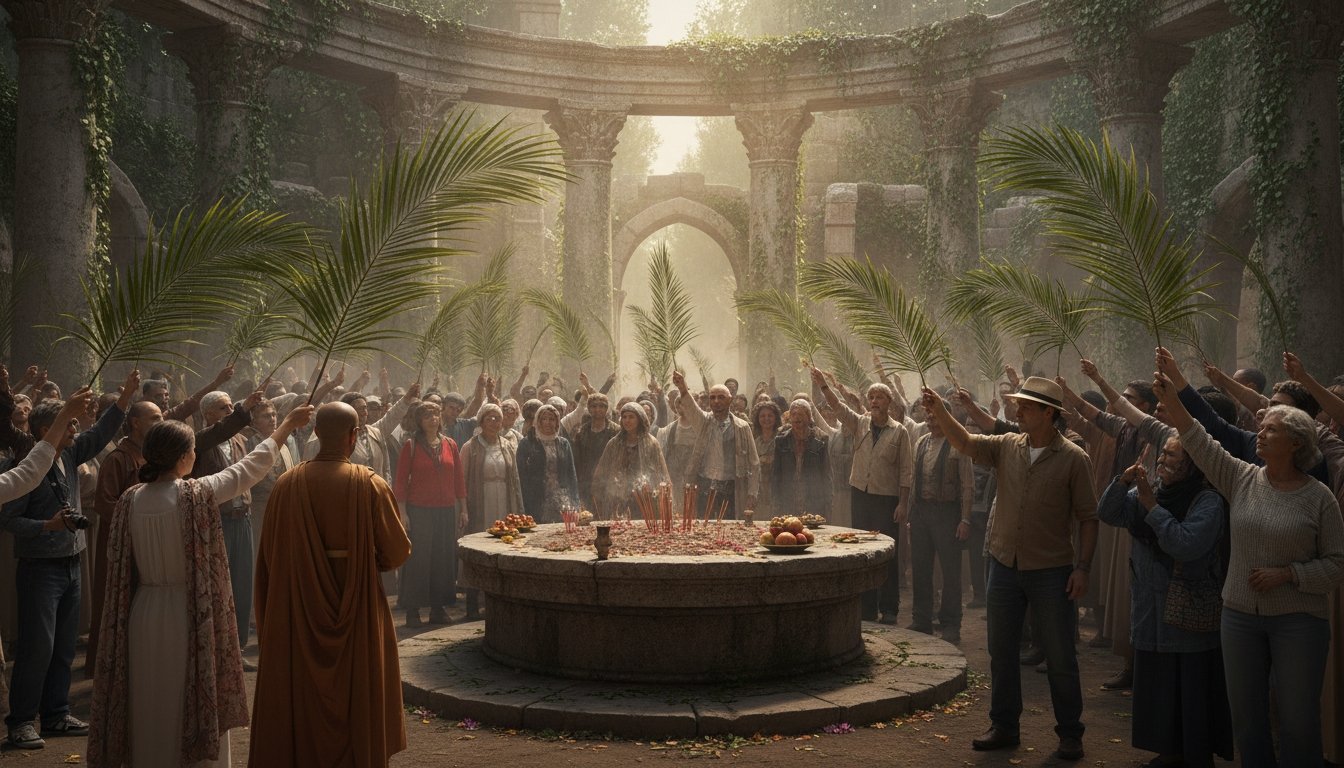
Why do the palm branches and cloaks laid before Jesus during the Triumphal Entry hold such symbolic significance? These ancient symbols represented victory, royalty, and honor. Palm branches were waved to celebrate military triumphs and welcome important figures. Cloaks were often placed on the ground as a makeshift red carpet, showing reverence and submission. By laying these items before Jesus, the people proclaimed Him as the victorious Messianic King worthy of their highest praise. These actions demonstrated their belief that Jesus was the long-awaited Savior who’d liberate them from Roman oppression. The symbolic gestures revealed the crowd’s understanding of Jesus‘ true identity and their homage to His divine authority.
The Messianic Implications of the Donkey Ride
Why, then, was Jesus’ ride on a donkey significant? The donkey symbolized the Messiah‘s humility and service, not the grandeur and power expected of a king. By riding a donkey, Jesus proclaimed his identity as the promised Messiah, but one who’d reign through self-sacrifice, not military conquest. This was a radical departure from the common messianic expectations of the time. Jesus’ choice of transportation underscored his kingdom wasn’t of this world. It foreshadowed his ultimate act of self-giving on the cross. The donkey ride affirmed Jesus as the long-awaited Messiah, yet one who’d establish his reign through humble service and redemptive suffering, not political domination. This subversion of expectations was a crucial part of the cultural significance of the Triumphal Entry.
The Revolutionary Tone of the Crowd’s Shouts
The crowd’s shouts during the Triumphal Entry carried a revolutionary tone that resonated with the cultural context of the time. You see, the people were longing for a Messiah who’d overthrow the oppressive Roman rule and establish a new, independent kingdom of Israel.

When they saw Jesus riding on a donkey, they recognized the symbolic fulfillment of ancient prophecies and erupted in praise, shouting, “Hosanna!” and “Blessed is he who comes in the name of the Lord!” These weren’t merely pious platitudes; they were battle cries against the status quo.
The revolutionary fervor of the crowd demonstrated their hope that Jesus would lead a political uprising to liberate them from foreign domination. This dramatic scene foreshadowed the tension that would ultimately lead to Jesus’ crucifixion, as the religious and political authorities perceived his actions as a threat to their power.
Frequently Asked Questions
What Is the Historical Significance of the Triumphal Entry?
The triumphal entry of Jesus into Jerusalem is historically significant as it marked the beginning of the Passion Week, ultimately leading to his crucifixion and resurrection. It affirmed his Messianic status and kingship, which was a pivotal moment in Christian theology and the establishment of Christianity as a major world religion. This event has deeply influenced Christian beliefs, traditions, and the broader cultural landscape.
How Did the Triumphal Entry Influence Early Christian Theology?
The triumphal entry influenced early Christian theology by portraying Jesus as the prophesied Messiah who’d establish God’s kingdom.
This event affirmed Jesus’ identity and mission, reinforcing the belief that He was the long-awaited king who’d deliver the people from oppression.

This laid the foundation for the development of Christology and the theological significance of Jesus’ role as the Savior and ruler of a spiritual kingdom.
What Social and Political Implications Did the Triumphal Entry Have?
The triumphal entry had significant social and political implications.
It challenged the Roman emperor’s authority and signaled Jesus’ claim to kingship.
This act resonated with the Jewish people’s hopes for a Messianic leader who’d free them from Roman rule.
How Did the Triumphal Entry Compare to Other Ancient Triumphal Processions?
The triumphal entry of Jesus into Jerusalem differed from other ancient triumphal processions in several ways.
Unlike military parades celebrating conquest, Jesus entered humbly on a donkey, signaling a different kind of victory.
Moreover, the crowd’s response, welcoming Him as the Messianic king, highlighted His spiritual, not political, kingship, a stark contrast to traditional Roman triumphs.
What Cultural Traditions Influenced the Symbolism of the Triumphal Entry?
The triumphal entry was influenced by cultural traditions of ancient Rome and Judaism. In Roman culture, victorious generals would lead a grand parade through the city, showcasing their conquest.
In Jewish tradition, the Messiah was expected to enter Jerusalem on a donkey, signifying a peaceful and humble arrival.
Jesus’ entry combined these two ideas, portraying him as both a conquering king and a servant leader.
Conclusion
The triumphal entry matters culturally because it’s laden with symbolic meaning. The palms and cloaks signal Jesus’ royal status, while the donkey ride and the crowd’s shouts evoke messianic expectations. This dramatic event sets the stage for the coming conflict, where Jesus’ revolutionary message collides with the powers that be. Understanding its significance helps us grasp the cultural and political tensions at the heart of the Gospel accounts.








No Comments