


26 Feb Why Is Good Friday Called “Good”? History & Meaning
The term “Good Friday” likely evolved from the Middle English “Godes Friday” or “God’s Friday”, referring to the holy and redemptive nature of the day. For Christians, Good Friday commemorates Jesus’ crucifixion, which they believe atoned for humanity’s sins and granted eternal life. Over time, Good Friday became deeply embedded in Christian and cultural traditions worldwide. To explore the full history and meaning behind this somber yet meaningful observance, continue reading.
Key Takeaways
- The term “Good Friday” likely evolved from the Middle English “Godes Friday” or “God’s Friday”, referring to the holy or sacred nature of the day.
- Good Friday commemorates the crucifixion of Jesus Christ, which Christians believe atoned for humanity’s sins and granted eternal life.
- While the term’s exact origin is debated, it has become widely accepted to refer to the redeeming and sacred aspects of Christ’s sacrifice.
- Over time, Good Friday observances have evolved from solemn commemorations to broader cultural traditions, including fasting, processions, and passion plays.
- Good Friday remains a pivotal day in the Christian calendar, uniting people in mourning, reverence, and the search for meaning in Christ’s death.
The Etymology and Origin of “Good Friday”
Why is the day on which Christians commemorate the crucifixion of Jesus known as “Good Friday”?
The etymology of the term “Good Friday” isn’t entirely clear, but it likely derives from the Middle English term “Godes Friday” or “God’s Friday.” Over time, “Godes” evolved into the modern “Good.” Some scholars believe the term refers to the “good” or “holy” nature of the day, rather than any celebration of the crucifixion itself. Others suggest it stems from an older Germanic word meaning “holy.”
Regardless of the precise origin, “Good Friday” has become the widely accepted name for the day commemorating Christ’s death on the cross, a pivotal event in Christian theology and the foundation of the religion’s belief in salvation through Jesus’ sacrifice.
The Theological Significance of Good Friday for Christians
Although the origins of the term “Good Friday” remain somewhat ambiguous, the theological significance of this day is central to Christian belief. For Christians, Good Friday commemorates the crucifixion of Jesus Christ and his death on the cross.
This event is believed to have atoned for the sins of humanity, granting believers eternal life. Through his sacrifice, Jesus is seen as the savior who redeemed mankind from the consequences of sin. The somber yet profound nature of this occasion is reflected in the solemn services and reverent observances held by Christian congregations worldwide.
Ultimately, Good Friday serves as a poignant reminder of the immense love and redemptive power at the heart of Christian theology.
The Historical and Cultural Relevance of Good Friday
How has Good Friday‘s historical and cultural significance evolved over time?
Over the centuries, the observance of Good Friday has become deeply rooted in Christian traditions and rituals worldwide. What started as a solemn commemoration of Jesus’ crucifixion has now taken on broader cultural relevance.
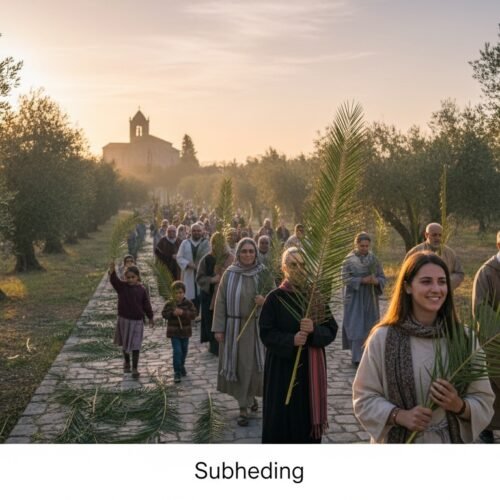
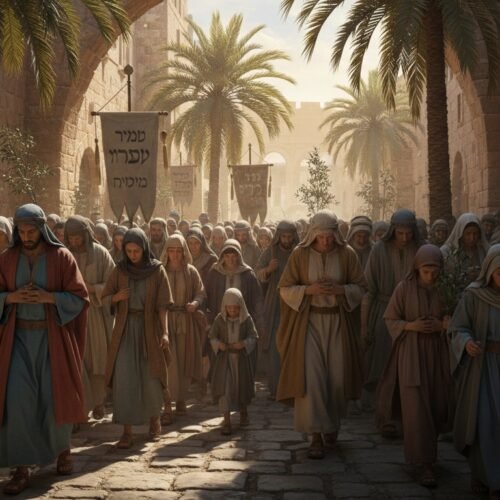
In many countries, Good Friday is a national holiday, allowing people of all faiths to reflect on the day’s religious significance or enjoy time with loved ones. The traditions surrounding Good Friday, such as fasting, processions, and passion plays, have also become part of the cultural fabric in numerous communities.
Today, Good Friday remains a pivotal moment in the Christian calendar, but its impact extends beyond the religious realm, shaping the cultural landscape in profound and enduring ways.
The Continued Observance and Meaning of Good Friday
Centuries after its origins, Good Friday continues to hold profound religious and cultural significance for Christians and non-Christians alike. For Christians, the day commemorates the crucifixion of Jesus Christ and his ultimate sacrifice.
You’ll find churches packed with worshippers, solemn processions, and introspective services as the faithful reflect on the meaning of Christ’s death.
Even those who don’t identify as religious often recognize Good Friday as a meaningful day of reflection, solemnity, and community. Many businesses and schools close, allowing people to observe the day in their own way, whether through prayer, service, or simply taking time for quiet contemplation.
The continued observance of Good Friday speaks to its enduring power to unite people in a shared experience of mourning, reverence, and the search for deeper meaning.
Frequently Asked Questions
What Is the Significance of the Number 40 in Good Friday?
The number 40 in Good Friday is significant as it represents the 40 days Jesus spent fasting in the desert before his crucifixion.
This period of reflection and temptation is a key part of the Christian faith, and the 40 days of Lent leading up to Good Friday mirror this time, reminding believers of Jesus’ sacrifices and the importance of spiritual renewal.
Why Is Good Friday Not Celebrated on the Same Date Every Year?
Good Friday isn’t celebrated on the same date every year because it’s determined by the lunar calendar.
It’s observed on the Friday before Easter Sunday, which can fall on any date between March 22 and April 25.
This variable date allows the Christian holiday to align with the lunar cycle and the Jewish Passover, which it commemorates.
How Do the Colors of Good Friday Liturgy Symbolize Its Meaning?
The colors used in Good Friday liturgy symbolize its meaning. The somber black and purple represent mourning and repentance, while the red symbolizes the blood of Christ. The bare altar and lack of decorations convey the solemnity of the day, as the faithful remember Jesus’ suffering and death on the cross.
What Is the Relationship Between Good Friday and Easter Sunday?
Good Friday and Easter Sunday are intimately connected. Good Friday commemorates the crucifixion of Jesus, while Easter Sunday celebrates his resurrection. The two are inextricably linked – without the sacrifice of Good Friday, there would be no triumph of Easter. The darkness of Good Friday gives way to the light of Easter, symbolizing the transformation from death to new life.
How Do Different Christian Denominations Observe Good Friday Differently?
Different Christian denominations observe Good Friday in diverse ways. Some engage in solemn services focusing on Christ’s crucifixion, while others emphasize more celebratory elements like the triumph over death. Catholics typically hold Good Friday services in the afternoon, whereas Protestants may host evening services. Regardless of the specifics, most Christians view Good Friday as a sacred day to reflect on the sacrifice and redemption brought by Jesus’ death.
Conclusion
You may wonder why Good Friday is called “good” when it commemorates the crucifixion of Jesus. The term reflects the theological significance of this day for Christians – it’s the day Jesus sacrificed himself to atone for humanity’s sins, making possible our salvation. Though somber, Good Friday remains a deeply meaningful observance that continues to hold cultural and religious relevance worldwide.







No Comments