

05 Mar Palm Sunday Symbolism of Branches: 3 Biblical Insights
Branches in the Bible symbolize life, growth, and connection to the Messiah. The waving of palm branches during Jesus’ triumphal entry proclaimed Him as the victorious king. Throughout Scripture, branches represent praise, worship, and the celebration of God’s salvation – a reminder to continually offer grateful worship to the King of kings. If you’d like to unpack this symbolism further, read on.
Table of Contents
Key Takeaways
- Branches symbolize the life, growth, and fruitfulness of God’s people, and their connection to Christ as the true Vine.
- Branches represent the Messiah’s coming and work, highlighting believers’ dependence on Jesus for spiritual sustenance.
- Palm branches waved during Jesus’ triumphal entry signify victory, joy, and celebration of the Messianic King.
- Branches appear in festivals and worship as symbols of praise, exaltation, and joyful celebration of the Lord.
- The use of branches in rituals and adoration underscores devotion and encourages sustained reverence and celebration of salvation.
The Symbolic Meaning of Branches in the Bible
What do branches represent in the Bible? Branches symbolize life, growth, and fruitfulness. They point to the vitality and flourishing of God’s people.
In the Old Testament, branches represent the Messiah, who’ll bring restoration and renewal. Branches also signify the connection between believers and Christ, the true Vine. Just as branches depend on the vine for nourishment, so too must Christians remain connected to Jesus for spiritual sustenance.
Furthermore, branches illustrate the diversity within the Body of Christ – each believer is a unique branch bearing distinctive fruit. Ultimately, the imagery of branches in Scripture underscores the vibrant, thriving nature of God’s kingdom and our essential relationship with the Savior.

Palm Branches and the Triumphal Entry of Jesus
One of the most well-known uses of branches in the Bible is the Palm Sunday account of Jesus’ triumphal entry into Jerusalem. As Jesus rode on a donkey, the crowds joyfully welcomed Him by waving palm branches and spreading them on the road. This symbolic act recognized Jesus as the Messianic King, fulfilling the ancient prophecy of Zechariah. Palm branches represented victory, joy, and the celebration of a triumphant king. By using them, the people proclaimed Jesus as the long-awaited Savior who’d establish His kingdom. This dramatic event pointed to Jesus’ ultimate victory over sin and death through His death on the cross and resurrection. The waving of palm branches continues to be an integral part of Palm Sunday celebrations, reminding us of Christ’s sovereign rule and the promise of His eternal kingdom.
Branches as Symbols of Praise, Worship, and Victory
Throughout the Bible, branches are often employed as powerful symbols of praise, worship, and victory. You’ll find them used in festivals like the Feast of Tabernacles, where worshippers waved branches to honor God. During Jesus’ triumphal entry, crowds laid palm branches at His feet, acknowledging Him as the Messiah. These plant parts represent the flourishing life and vibrant faith of believers. They signify our desire to exalt the Lord, rejoice in His salvation, and march forth as His victorious people.
Whether as part of temple rituals or spontaneous displays of adoration, branches hold deep spiritual meaning, reminding us to continually offer our hearts in grateful worship to the King of kings.
Frequently Asked Questions
How Can Branches Represent Our Relationship With God?
Branches represent your relationship with God through their growth, flexibility, and dependence. As you grow in faith, your branches stretch towards the light, seeking God’s nourishment. When trials come, your branches bend yet remain rooted, just as your faith in God should. Like a branch, you rely on God’s sustenance to thrive and bear fruit for His glory.
What Do Olive Branches Symbolize in the Bible?
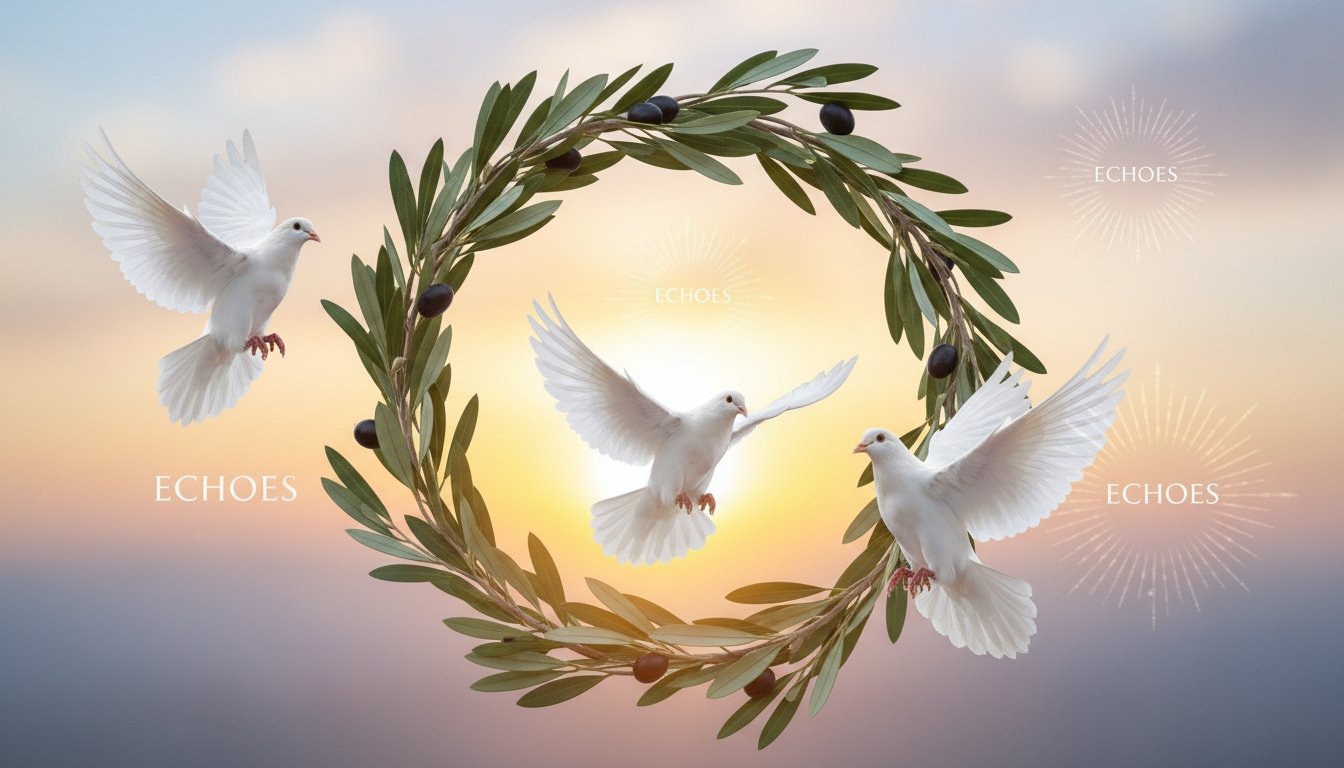
Olive branches symbolize peace, reconciliation, and God’s mercy in the Bible. When Noah sent out a dove and it returned with an olive branch, it signified the end of God’s judgment and the restoration of hope.

Olive branches also represent fruitfulness, prosperity, and the blessing of God’s people. They remind you of God’s enduring faithfulness and His desire to bring harmony, healing, and new life.
How Do Branches Connect to the Concept of Spiritual Growth?
Branches symbolize spiritual growth in the Bible. They represent how you can flourish and thrive when connected to the divine source, just as a branch depends on the tree for nourishment.
Like a branch, your faith can grow stronger and bear fruit when you remain firmly rooted in God’s love and teachings.
This imagery encourages you to keep cultivating your relationship with the divine.
What Is the Significance of the Crown of Thorns?
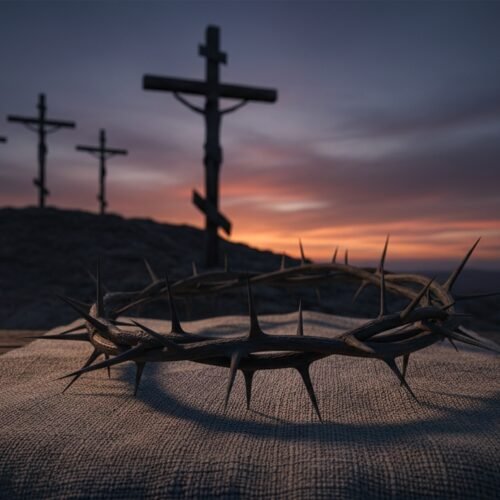
The crown of thorns symbolizes the suffering and humiliation that Jesus endured during his crucifixion. It represents the pain and anguish he willingly experienced to redeem humanity.
The thorns signify the consequences of sin, which Jesus took upon himself to offer salvation. This powerful image reminds us of the immense sacrifice and love at the heart of the Christian faith.
How Can Branches Be Used in Christian Ceremonies?
Branches are often used in Christian ceremonies to symbolize life, growth, and renewal. You might see them used in Palm Sunday processions, Advent wreaths, and Pentecost celebrations. The olive branch, for example, represents peace, while the palm branch signifies victory and triumph. These natural elements connect the spiritual to the physical world, reminding believers of God’s presence in their lives.
Conclusion
You’ve learned that branches hold powerful symbolic meaning in the Bible. From the palm branches used to welcome Jesus on Palm Sunday to the branches waved as symbols of praise and worship, they represent the triumph and victory of our faith. The next time you see branches, remember their biblical significance and how they point us to the glory of Christ.









No Comments