


05 Mar 7 Types of Christian Prayer and When to Use Each
Christian prayer encompasses seven distinct types that deepen your spiritual connection: adoration celebrates God’s character and majesty, confession acknowledges sin and seeks transformation, thanksgiving recognizes daily blessings and provision, supplication brings personal needs and concerns, intercession advocates for others who can’t pray themselves, contemplative prayer creates silent space for listening, and liturgical traditions connect you to centuries of structured worship. Each type serves specific seasons and spiritual needs, transforming prayer from simple requests into rich, multifaceted dialogue that addresses every aspect of your relationship with God.
Table of Contents
Key Takeaways
- Adoration prayer celebrates God’s character and holiness without asking for anything, building foundational reverence and worship.
- Confession acknowledges sin and creates space for transformation through repentance, forgiveness, and turning away from wrongdoing.
- Thanksgiving recognizes daily blessings and God’s provision, shifting focus from lack to gratitude even during difficulties.
- Supplication involves personal requests for urgent needs while intercession lifts others before God on their behalf.
- Contemplative prayer emphasizes silence and listening for God’s voice rather than speaking your own requests.
Adoration: Celebrating Who God Is
Every authentic prayer begins with recognizing God’s magnificent nature and character. Adoration prayer focuses entirely on celebrating who God is—His holiness, love, power, and majesty—without asking for anything in return.
You’ll use adoration prayer when you want to worship God purely for His attributes. It’s about acknowledging His sovereignty, praising His faithfulness, and marveling at His creation. This prayer type shifts your focus from your circumstances to God’s unchanging character.
Practice adoration by meditating on God’s names and qualities. Declare His goodness, wisdom, and mercy. Thank Him for being your Creator, Savior, and Sustainer. You might say, “God, You’re holy and perfect. Your love never fails. You’re mighty yet gentle.”
Adoration grounds you in truth about God’s nature. It realigns your perspective, reminds you of His greatness, and cultivates genuine worship. Start your prayer times with adoration—it sets the foundation for meaningful communion with your Heavenly Father.
Confession: Finding Freedom Through Honesty With God
Confession requires you to honestly acknowledge your sinful nature before God, recognizing that you’ve fallen short of His perfect standard. You can’t experience true freedom without taking genuine steps toward repentance, which means turning away from sin and toward God’s righteousness. This type of prayer creates space for authentic transformation as you bring your failures into the light of God’s grace.
Acknowledging Our Sinful Nature
Why do we often find it easier to hide our mistakes than acknowledge them? Pride whispers that admitting wrongdoing makes you weak, but confession actually demonstrates courage and spiritual maturity. When you acknowledge your sinful nature before God, you’re not telling Him something He doesn’t already know—you’re positioning your heart for transformation.
Confessional prayer isn’t about self-condemnation or dwelling in shame. It’s about honest recognition that you’ve fallen short of God’s standard. This acknowledgment creates space for His grace to work. You can’t fix what you won’t face, and you can’t receive forgiveness for sins you refuse to own.
Start simply: “God, I’ve been prideful today” or “I spoke harshly to my spouse.” Specific confession leads to specific freedom.
Steps Toward Genuine Repentance
How does authentic repentance differ from merely feeling sorry you got caught? Genuine repentance involves a complete change of heart and direction, not just regret over consequences.
First, acknowledge your specific sin before God without making excuses or shifting blame. Don’t generalize with “if I hurt anyone” – name what you’ve done wrong. Second, confess your inability to change on your own. You’ll need God’s strength to overcome sinful patterns. Third, ask for God’s forgiveness while truly believing He’ll grant it through Christ’s sacrifice.
Fourth, make restitution where possible. If you’ve wronged someone, seek their forgiveness too. Finally, turn away from the sin completely. Authentic repentance means you’re genuinely committed to walking in a new direction with God’s help.
Thanksgiving: Recognizing God’s Gifts In Your Life
When did you last pause to acknowledge the countless blessings woven throughout your daily life? Thanksgiving prayer shifts your focus from what’s lacking to what’s abundant, cultivating a grateful heart that recognizes God’s constant provision.
This type of prayer doesn’t require perfect circumstances. You’ll find reasons for gratitude even during difficult seasons – perhaps in relationships that support you, basic needs that are met, or simply the breath in your lungs. Thanksgiving prayer transforms your perspective, helping you see God’s hand in both obvious gifts and subtle mercies.
Practice thanksgiving prayer daily, not just during designated holidays. Start your morning by naming three specific blessings, or end your day reflecting on moments when you witnessed God’s goodness. You can offer thanksgiving prayers spontaneously throughout the week when you notice something beautiful, receive unexpected help, or experience peace in chaos. This practice deepens your awareness of God’s active presence.
Supplication: Bringing Your Personal Needs To God
You’ll find supplication prayer to be one of the most personal forms of communication with God, where you bring your deepest needs, concerns, and requests directly to Him.
This type of prayer becomes essential when you’re facing challenges, seeking guidance, or needing God’s intervention in specific areas of your life.
Understanding what supplication truly means, recognizing the right moments to use it, and learning effective ways to practice it will strengthen your relationship with God and deepen your faith journey.
What Is Supplication Prayer
Vulnerability marks the heart of supplication prayer, where you bring your deepest personal needs directly before God. This intimate form of prayer involves humbly requesting God’s help, provision, or intervention in specific areas of your life. You’re not demanding but earnestly asking, acknowledging your dependence on His wisdom and power.
Supplication differs from general petition because it’s deeply personal and often stems from urgent circumstances. You might supplicate for healing during illness, financial provision during hardship, or guidance during major decisions. It’s characterized by honest emotion—whether desperation, hope, or trust.
Through supplication, you develop deeper intimacy with God by sharing your authentic struggles. You’re invited to cast your anxieties upon Him, knowing He cares for you personally and desires to meet your needs.
When To Use Supplication
Understanding supplication’s nature helps you recognize the specific moments when this prayer becomes most powerful and appropriate. You’ll find supplication particularly meaningful during seasons of uncertainty, when facing difficult decisions, or experiencing personal struggles. Turn to supplication when you’re dealing with financial hardship, relationship conflicts, health concerns, or career challenges. It’s also valuable when you’re seeking God’s guidance for major life transitions like marriage, career changes, or family decisions.
Use supplication during times of spiritual dryness when you need God’s renewed presence in your life. You can practice it daily for ongoing needs or intensively during crisis periods. Supplication works best when you approach God with genuine humility, acknowledging your dependence on His wisdom and provision rather than demanding specific outcomes.
How To Practice Supplication
How do you transform your personal needs into meaningful supplication that connects you with God’s heart? Start by honestly acknowledging your needs without shame or pretense. God already knows your struggles, so approach Him with complete transparency. Be specific rather than vague—instead of saying “bless my family,” ask for particular needs like wisdom in parenting decisions or healing for a sick relative.
Include Scripture in your supplications by finding verses that relate to your situation and praying them back to God. This aligns your requests with His promises. Practice listening after you’ve shared your needs, creating space for God’s response. Remember that supplication isn’t demanding but humbly presenting your concerns to a loving Father who cares deeply about every aspect of your life.
Intercession: Standing In The Gap For Others
One of the most selfless forms of prayer involves lifting others before God’s throne on their behalf. Intercession means standing in the gap for people who can’t or won’t pray for themselves. You’re becoming a spiritual advocate, pleading their case before the Father.
This prayer type works when someone’s facing illness, spiritual darkness, financial hardship, or broken relationships. You might intercede for unsaved family members, struggling friends, community leaders, or even nations experiencing crisis. It’s particularly powerful when praying for those who’ve asked for your prayers or when the Holy Spirit burdens your heart for specific individuals.
Effective intercession requires persistence, faith, and genuine love for others. You’ll often pray without seeing immediate results, trusting God’s timing and sovereignty. Biblical intercessors like Moses, Daniel, and Paul show us this prayer form can literally change destinies. Your faithful intercession becomes a bridge between heaven’s resources and earth’s desperate needs.
Contemplative Prayer: Silent Listening And Meditation
While most prayers involve speaking to God, contemplative prayer reverses this pattern by creating space for Him to speak to you. This ancient practice emphasizes silence, stillness, and receptive listening rather than verbal petition.
You’ll enter contemplative prayer by finding a quiet space and releasing your agenda. Instead of bringing requests or praise, you simply present yourself before God in expectant silence. Your goal isn’t to think about God but to rest in His presence.
Use contemplative prayer when you’re feeling spiritually dry or overwhelmed by life’s noise. It’s particularly valuable during seasons of confusion when you need divine guidance more than you need to voice concerns.
Begin with short periods—even five minutes can be transformative. Sit comfortably, breathe naturally, and let thoughts pass without engaging them. When distractions arise, gently return your attention to God’s presence. This practice deepens your spiritual sensitivity and cultivates intimate communion with the Divine.
Liturgical Traditions: Following Time-Tested Worship Patterns
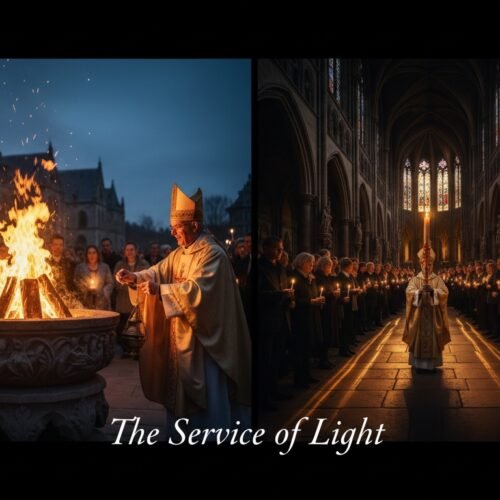
Liturgical prayer connects you to centuries of Christian worship through structured, time-honored patterns that have guided believers across generations. These prayers follow established formats like the Divine Office, Mass prayers, or denominational liturgies that create rhythm and continuity in your spiritual life.
You’ll find liturgical prayers particularly meaningful during formal worship services, seasonal celebrations, and when you want to participate in the broader church’s prayer life. The Book of Common Prayer, Catholic Missal, and Orthodox prayer books offer rich examples of these traditions.
Use liturgical prayer when you’re seeking structure in your devotional time or want to pray alongside the global church. These prayers connect you to the communion of saints and provide theological depth tested by centuries of use. They’re especially valuable during church seasons like Advent, Lent, or Easter, helping you align your personal prayer with the church calendar’s spiritual rhythms.
Frequently Asked Questions
How Long Should I Spend on Each Type of Prayer Daily?
You don’t need to spend equal time on each prayer type daily. Instead, let your spiritual needs and circumstances guide you. You might spend 5-10 minutes on thanksgiving, 2-3 minutes on confession, and 10-15 minutes on intercession. Some days you’ll focus more on contemplative prayer, other days on petition. Listen to what your heart needs and adjust accordingly. Quality matters more than rigid timing.
Can I Combine Different Prayer Types in One Session?
Yes, you can absolutely combine different prayer types in one session. You’ll find it natural to flow from adoration into confession, then move to thanksgiving and intercession. Many Christians blend contemplative prayer with petitionary prayer seamlessly. You don’t need rigid boundaries between prayer types. Let the Holy Spirit guide your transitions as you move through different forms of communication with God during your prayer time.
Which Prayer Type Is Most Important for New Christians?
Petition prayer is most important for new Christians.
You’ll naturally connect with asking God for help, guidance, and provision as you begin your faith journey.
It’s the most accessible prayer type because you’re already familiar with requesting things you need.
Start here to build your prayer foundation, then gradually incorporate thanksgiving, praise, and other prayer types as you grow more comfortable communicating with God.
Should Children Learn All Seven Types of Prayer?
Yes, you should introduce children to all seven prayer types gradually as they mature. Start with simple praise and thanksgiving prayers when they’re young, then add petition and intercession as they understand others’ needs. Confession becomes meaningful when they grasp right from wrong. Contemplative and meditative prayers work best for older children who can focus longer. You’ll adapt each type to their developmental stage and comprehension level.
Do Different Denominations Emphasize Certain Prayer Types More Than Others?
Yes, you’ll find different denominations definitely emphasize certain prayer types more than others.
Catholics focus heavily on intercessory prayer through saints, while Pentecostals emphasize praise and worship prayers with spiritual gifts. Orthodox traditions stress contemplative prayer and liturgical forms. Protestants often prioritize confession and thanksgiving prayers. Quakers embrace silent contemplation, whereas Baptists emphasize petition and personal prayer relationships with God.
Conclusion
You’ve discovered seven powerful ways to connect with God through prayer. Whether you’re celebrating His character through adoration, finding freedom in confession, or lifting others up through intercession, each type serves a unique purpose in your spiritual journey. Don’t limit yourself to just one style—experiment with contemplative silence, express gratitude through thanksgiving, bring your needs through supplication, and embrace liturgical traditions. Let these varied approaches deepen your relationship with God.










No Comments