

05 Mar 10 Tips for Sunday Traditions Worldwide
Embrace diverse Sunday traditions worldwide. Attend lively parades in Latin America, wave symbolic palms in Eastern Europe, and enjoy family feasts in the Philippines. Join solemn processions in the Middle East, vibrant festivals in the Caribbean, and community service projects in North America. Explore traditional palm weaving in Southern Europe, decoration workshops in Southeast Asia, and spiritual renewal in Oceania. Immerse yourself in the rich tapestry of global Sunday customs – there’s more to discover.
Key Takeaways
- Engage in family gatherings that preserve cultural heritage through shared meals, storytelling, and traditional games.
- Participate in community service projects that reflect the spirit of the day and strengthen social bonds.
- Attend spiritual services and workshops to experience cultural traditions, renew inner peace, and connect with the land and ancestors.
- Display blessed palm creations in homes as meaningful reminders of regional faith and community.
- Organize vibrant parades, processions, and reenactments to celebrate religious heritage and promote unity within the community.
Celebrating Palm Sunday in Latin America
How does the celebration of Palm Sunday differ across Latin America? While traditions vary, the essence remains the same – commemorating Jesus’ triumphant entry into Jerusalem. In Mexico, vibrant parades feature intricately woven palm fronds and colorful costumes. Brazilians craft elaborate palm crosses, symbols of faith and renewal. Guatemalans stage reenactments, with worshippers bearing palm leaves to reenact the biblical scene. Across the region, families gather for solemn church services, followed by lively gatherings filled with music, food, and community. Whether simple or grand, these rituals connect Latin Americans to their religious heritage and to one another, making Palm Sunday a cherished tradition that transcends borders.
Waving Symbolic Palms in Eastern Europe
Across Eastern Europe, the observance of Palm Sunday takes on a distinct cultural flair. You’ll find locals waving symbolic palms or olive branches, representing Christ’s triumphant entry into Jerusalem. In Poland, families gather to have their palms blessed, then display them in their homes as a sign of faith. Ukrainians weave intricate palm-like branches called “verba,” decorating churches and homes. Romanians adorn their palms with flowers, parading through the streets in processions. Bulgarians shape the palm fronds into elaborate crosses, honoring the day’s religious significance. Though the customs vary, the act of waving these symbolic greens unites Eastern Europeans in a shared tradition, connecting them to their spiritual heritage and the universal Christian celebration of Palm Sunday.
Family Gatherings and Feasts in the Philippines
Although Sunday traditions in the Philippines differ from those in Eastern Europe, family gatherings and feasts hold a special place in the hearts of Filipinos. Relatives converge at the family home, sharing delectable dishes like adobo, sinigang, and halo-halo. Laughter and lively conversations fill the air as grandparents regale the younger generation with stories of their youth. Children scurry about, playing traditional games like sipa and luksong tinik. As the day draws to a close, the family gathers for a hearty meal, savoring the flavors and cherishing the precious moments spent together. These Sunday traditions forge unbreakable bonds, ensuring the preservation of Filipino culture and values for generations to come.
Processions and Reenactments in the Middle East
In the Middle East, you’ll find solemn processions reenacting the Passion of the Christ. Symbolic pilgrimages and rituals express profound spiritual devotion. These traditions offer a glimpse into the region’s deep-rooted religious practices.
Passion of the Christ
Every year, devout Christians across the Middle East solemnly commemorate the Passion of Christ through elaborate processions and dramatic reenactments. You’ll see crowds carrying heavy crosses, flagellants whipping themselves, and actors playing the roles of Jesus, the apostles, and Roman soldiers. The processions often wind through the streets, stopping at stations that depict key moments of Christ’s final hours. In some communities, locals even crucify penitents to relive the Savior’s suffering. These powerful displays of faith and devotion draw thousands of pilgrims who come to witness these time-honored traditions.
Symbolic Pilgrimage Rituals
As you witness the elaborate processions and dramatic reenactments, you’ll be struck by the sheer devotion of the devout Christians across the Middle East.
In a symbolic pilgrimage, they solemnly retrace the steps of Christ’s final journey, carrying ornate crosses and reliving the Passion.
The air is thick with emotion as participants whip themselves and weep openly, immersing themselves in the suffering of their Savior.
These powerful displays of faith aren’t mere pageantry – they’re deeply personal expressions of devotion that have endured for centuries, connecting believers to their religious heritage in a profound way.
Spiritual Devotional Practices
Across the Middle East, devout Christians partake in powerful displays of faith through elaborate processions and dramatic reenactments. They solemnly retrace the steps of Jesus, carrying crosses and chanting prayers. Some communities reenact the Passion of Christ, with participants portraying biblical characters. These rituals evoke a profound sense of connection to the sacred. Worshippers lose themselves in the spectacle, transfixed by the visceral emotion. Processions wind through narrow streets, accompanied by the rhythmic beating of drums. Onlookers watch reverently, captivated by the devotion on display. These spiritual devotions transcend mere ceremony, becoming a conduit for divine communion.
Vibrant Festivals and Parades in the Caribbean
Why do the Caribbean islands come alive with vibrant festivals and parades each Sunday? These lively celebrations are deeply rooted in the region’s rich cultural heritage, blending African, European, and indigenous influences. From the rhythmic beats of steel drums to the colorful costumes and mask-wearing traditions, these events captivate locals and visitors alike.
Carnival, the most famous of these festivals, is a raucous display of music, dance, and unbridled revelry that showcases the Caribbean’s infectious joie de vivre. Whether you’re marveling at the elaborate floats, joining in the dancing, or sampling the delectable local cuisine, these Sunday traditions immerse you in the vibrant spirit that defines the islands. Embrace the energy, lose yourself in the revelry, and experience the pulsing heart of Caribbean culture.
Reflective Lenten Rituals in Africa
Throughout Africa, Ash Wednesday marks the start of Lent. During this time, many engage in fasting, almsgiving, and reflective practices. Palm Sunday celebrations, with processions and blessings of palms, also hold deep significance across the continent.
Ash Wednesday Observances
How do African Christians solemnly observe Ash Wednesday, marking the first day of the Lenten season? They gather for somber church services, foreheads marked with ashes as a symbol of repentance. Many will fast, abstaining from meat and rich foods. Throughout the continent, communities unite in prayer and reflection, looking inward during this period of spiritual renewal. You’ll find Masses filled with solemn hymns, parishioners humbly receiving the ashen cross. It’s a day of deep contemplation, a sacred ritual connecting Africans across denominations. Whether in bustling cities or rural villages, the message is the same – a call to penance, humility and a renewed commitment to faith.
Fasting and Almsgiving
Alongside the solemn observances of Ash Wednesday, many African Christians engage in deeply reflective Lenten rituals, including fasting and almsgiving. You’ll fast from dawn to dusk, abstaining from certain foods as an act of penitence. Concurrently, you’ll donate time and resources to those in need, seeing it as a sacred duty. These practices cultivate humility, empathy, and a closer connection to your faith. You’ll feel a sense of purpose, knowing your sacrifice and charitable acts honor God. Fasting and almsgiving aren’t merely obligations but pathways to spiritual renewal, reminding you of life’s true priorities.
Palm Sunday Celebrations
As the season of Lent progresses, the arrival of Palm Sunday marks a pivotal moment in the sacred calendar. Across Africa, the faithful gather to commemorate Jesus’ triumphant entry into Jerusalem.
You’ll witness joyous processions, with worshippers waving palms and singing hymns. Some communities even weave intricate palm frond crafts, creating beautiful crosses and other religious symbols.
The day is infused with a sense of reverence and renewal, as the community reflects on the sacrifices and spiritual growth of the Lenten journey.
Through these Palm Sunday celebrations, you’ll encounter a rich tapestry of cultural traditions that honor this important milestone on the road to Easter.
Traditional Palm Weaving in Southern Europe
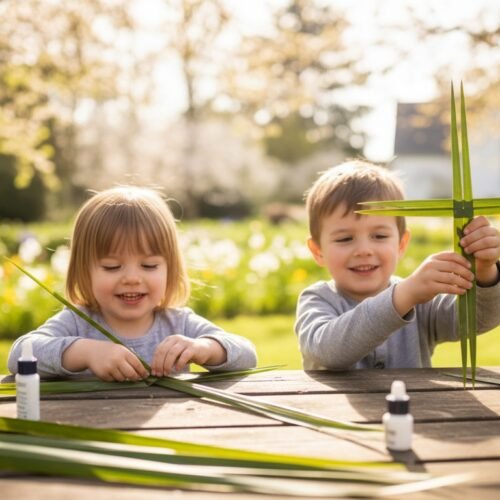
In the quaint villages of Southern Europe, the age-old tradition of palm weaving endures, passed down through generations. Locals gather every Palm Sunday to expertly braid and twist delicate palm fronds into intricate, decorative crosses, baskets, and other symbolic items. The dexterous process, honed over centuries, transforms a simple leaf into a work of art. These handcrafted palm creations are then blessed at local churches, before being proudly displayed in homes as reminders of cultural heritage. From Spain to Italy, this captivating custom continues to thrive, keeping alive the region’s rich tapestry of faith and community.
Community Service Projects on Palm Sunday in North America
On Palm Sunday in North America, communities come together for service projects. Popular initiatives include food drives, cleanup efforts, and assistance for the elderly. Volunteer participation rates tend to be high as people embrace the spirit of giving.
Popular Service Projects
Community service projects are a common tradition on Palm Sunday in North America. You’ll find churches and community groups organizing projects to help those in need, from packing food boxes to cleaning up neighborhoods. It’s a chance to come together and make a difference. You might volunteer at a soup kitchen, visit a nursing home, or build houses for the homeless. These acts of service reflect the spirit of the day, reminding us to care for one another. Many find it a meaningful way to celebrate the holiday and strengthen their community ties. Whether you lend a hand or organize an event, you’ll leave with a sense of purpose and connection.
Charitable Causes Supported
From food bank donations to neighborhood clean-ups, Palm Sunday service projects in North America target a diverse array of charitable causes.
You’ll often see volunteers packing and distributing meals for the hungry, organizing clothing and supply drives, and helping to maintain public spaces.
These acts of service reflect the spirit of Palm Sunday, a time to commemorate Jesus’ entry into Jerusalem and his commitment to the less fortunate.
Volunteer Participation Rates
How engaged are North American congregations in Palm Sunday community service projects? You might be surprised to learn that volunteer participation rates can vary widely. Some churches see a spike in volunteers, with over 60% of members pitching in. Others struggle to get even 20% involved. The level of engagement often depends on factors like the church’s size, resources, and community partnerships. Regardless, these acts of service are invaluable, benefiting both volunteers and recipients. Whether painting homes, serving meals, or visiting the elderly, congregants find fulfillment in living out their faith through compassionate work. The Palm Sunday tradition continues to inspire acts of kindness across North America.
Palm Decoration Workshops in Southeast Asia
Where can you find some of the most vibrant and intricate palm decoration workshops in the world? Look no further than Southeast Asia, where artisans have perfected the craft over centuries. From the lush islands of Indonesia to the bustling cities of Vietnam, you’ll discover mesmerizing displays of palm leaves woven into intricate patterns and shapes. These workshops offer hands-on experiences, allowing you to learn traditional techniques and create your own unique masterpieces. Whether you’re interested in decorative fans, ornaments, or even wearable art, these workshops provide a fascinating glimpse into the region’s rich cultural heritage. Immerse yourself in the sights, sounds, and scents of these vibrant palm decoration workshops, and leave with a newfound appreciation for the skilled artistry that defines Southeast Asian traditions.
Spiritual Renewal and Reflection in Oceania
As you journey through the breathtaking islands of Oceania, you’ll discover a deep-rooted spiritual tradition that invites you to find inner peace and connection with the natural world. On Sundays, many locals gather at sacred sites to partake in rituals of renewal and reflection. You might witness traditional dances, hear the haunting melodies of indigenous music, or join in meditative practices that align the mind, body, and spirit. Through these communal experiences, you’ll feel the pulse of the land and the embrace of the ancestors. Whether you’re seeking solace or a deeper understanding of Oceanic cultures, these Sunday traditions offer a profound opportunity for spiritual growth and connection with the divine.
Frequently Asked Questions
What Is the History Behind Palm Sunday Traditions?
Palm Sunday traditions date back to ancient times, when people would wave palm branches to welcome Jesus as he entered Jerusalem. Today, you’ll see worshippers carrying palms in processions, decorating churches, and keeping the blessed palms as symbols of faith. These rituals commemorate Jesus’ triumphant arrival and remind you of his sacrifice and resurrection during Holy Week.
How Do the Celebrations Differ Across Various Regions?
Palm Sunday celebrations across regions can vary significantly. In some countries, people carry palm fronds or olive branches in processions, while in others, they decorate their homes and churches with greenery. In certain areas, children reenact Jesus’ entry into Jerusalem by riding on donkeys or participating in religious plays. The traditions often reflect local cultural and religious practices, creating diverse and meaningful observances.
What Are the Common Symbols and Their Significance?
Common symbols in Sunday traditions worldwide include candles, representing spiritual enlightenment; flowers, symbolizing renewal and growth; and bells, calling worshippers to prayer. These symbols share meanings of hope, community, and reverence across diverse religious and cultural practices. Their significance lies in connecting individuals to timeless traditions, fostering a sense of unity and reflection on the sacred nature of the day.
How Do Families Typically Observe Palm Sunday at Home?
On Palm Sunday, many families observe the day by decorating their homes with palm fronds or branches. You may gather your family together to re-enact the entry of Jesus into Jerusalem, waving palms and singing hymns. Some families also prepare special Palm Sunday meals, incorporating palm-related foods like dates or coconut. It’s a time to reflect on the significance of the day and strengthen your faith as a family.
What Are the Environmental Impacts of the Palm-Related Activities?
The environmental impacts of palm-related activities can be significant.
Palm production often leads to deforestation, reducing habitats and biodiversity.
Transporting palms long distances also contributes to carbon emissions.
Additionally, the chemicals used in palm cultivation can pollute local ecosystems.
To minimize your environmental footprint, consider using locally sourced, sustainably grown palms or exploring alternative decorations that don’t rely on palm products.
Conclusion
You’ll find that no matter where you are in the world, Palm Sunday traditions offer a chance to celebrate renewal, community, and faith. Whether you’re waving symbolic palms, attending spiritual services, or participating in vibrant festivals, you’ll discover the unique ways people commemorate this special day across diverse cultures and beliefs.






No Comments