

26 Jan The Palm Sunday Tradition Most Christians Don’t Know About
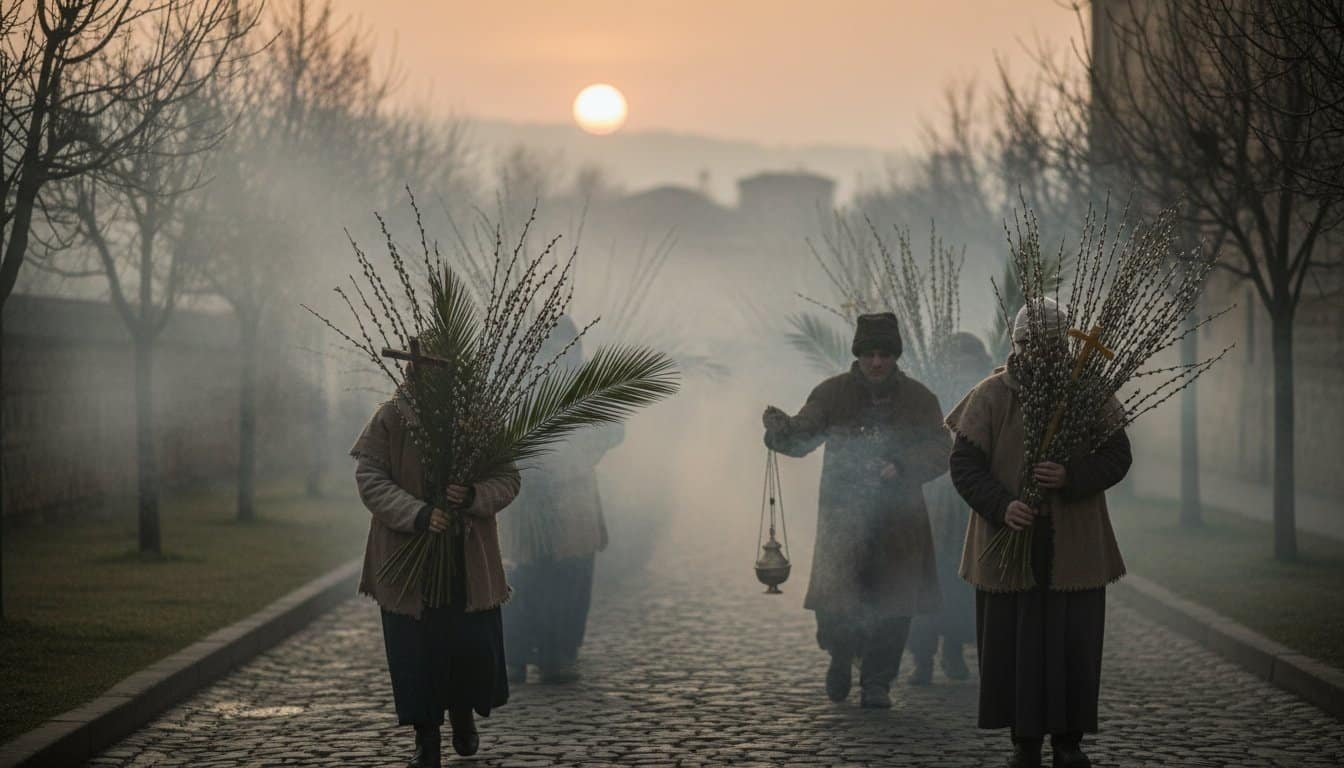
You’ve likely never heard of Italy’s centuries-old tradition of weaving palm fronds into intricate crosses deliberately stained red to symbolize Christ’s wounds. This practice, traced to thirteenth-century disciplinanti movements in Perugia, transforms Palm Sunday from triumph into visceral meditation on sacrifice. Italian families use red-dyed palms and natural sap to evoke crucifixion wounds and Shroud of Turin markings, creating protective home amulets that bridge medieval devotion with contemporary worship experiences.
Key Takeaways
- Italian families weave palm crosses with red dye symbolizing Christ’s blood, tracing back to medieval self-mortification movements.
- Filipino Catholics place blessed palaspas (palm fronds) in doorways as supernatural shields against evil spirits and misfortune.
- Latvian Christians use pussy willows instead of palms for “Pussy Willow Sunday,” associating them with health and beauty.
- Spanish processions feature live donkeys carrying carved Jesus statues, recreating Christ’s humble entry into Jerusalem with actual animals.
- Blessed Palm Sunday fronds are collected and burned to create ashes for the following year’s Ash Wednesday services.
What Makes Palm Sunday Celebrations Different Around the World?
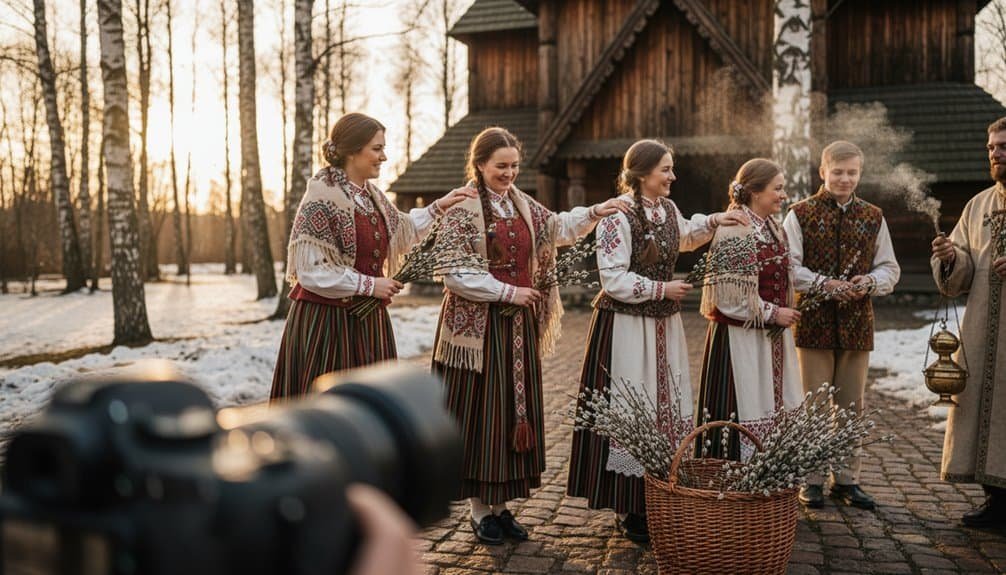
How does a single Christian commemoration transform into such diverse cultural expressions across continents? You’ll discover that palm symbolism adapts remarkably to local environments and traditions. In Latvia, pussy willows replace unavailable palms, creating “Pussy Willow Sunday” where you’d be gently whipped with branches for health and beauty. Greece’s ancient Christian fish symbolism allows you to break Lenten fasting, while Ethiopia’s “Hosanna” celebrations maintain traditional solemnity with colorful global processions.
Spain’s elaborate traditions require you to wear new clothing, following the proverb warning that failing to do so causes your hands to fall off. You’ll witness Catalonia’s real donkeys carrying Jesus statues, while the Philippines blends Spanish Catholicism with precolonial rituals through ornately woven palaspás and heirloom aprons called tapis. Mexico’s indigenous communities transform the observance through intricate palm weavings that create crosses and flowers to adorn churches and homes.
These variations demonstrate how foundational Christian symbolism transcends cultural boundaries, allowing local customs to enrich universal themes of triumph, renewal, and salvation through distinct regional expressions.
Why Italian Families Weave Bleeding Palm Sunday Crosses?
Among Italy’s most profound regional expressions stands a particularly visceral tradition where families craft intricate palm crosses that bear the symbolic weight of Christ’s suffering through what practitioners call “bleeding” crosses. You’ll discover this palm weaving tradition traces to thirteenth-century disciplinanti movements in Perugia, where Raniero Fusani’s followers sought physical communion with Christ’s Passion through self-mortification practices.
The bleeding symbolism emerges through multiple layers: red-dyed palms representing crucifixion wounds, natural sap stains evoking Shroud of Turin markings, and the crosses themselves symbolizing flagellant practices that shed blood to mirror Jesus’ suffering. Italian families, particularly in Genoa and surrounding regions, perpetuate this generational craft by folding blessed fronds into elaborate Baroque-inspired designs using interlocking patterns for structural stability.
These completed crosses serve dual purposes—carried in confraternity processions during Easter rituals and hung as protective amulets in homes, connecting contemporary worship to medieval Veronica relic veneration. The confraternities organizing these processions operate under formal associations with defined leadership roles including Priors and clergy who guide the ceremonial activities.
How Filipino Palm Sunday Blessings Protect Homes From Harm?
You’ll find Filipino families’ wartime accounts reveal palaspas functioning as supernatural shields during Japanese occupation, when households displaying blessed palm fronds reported miraculous escapes from bombing raids and military searches.
These testimonies establish sacred doorway practices rooted in biblical precedent, where you’re essentially recreating the Passover’s protective marking through Christ’s triumphant entry symbolism. Similar to how salt historically served as protective boundaries in homes, the palaspas creates a consecrated barrier against negative forces.
Your placement of palaspas transforms domestic thresholds into consecrated boundaries, invoking divine intervention against both spiritual malevolence and temporal disasters through sacramental objects blessed during Palm Sunday liturgy.
Wartime Divine Protection Stories
Countless Filipino families weathered the devastating bombings of World War II with blessed palaspas adorning their homes, believing these sacred palm fronds provided supernatural protection against enemy fire. You’ll find compelling folklore narratives documenting houses marked with palaspas mysteriously surviving Japanese airstrikes while neighboring structures suffered destruction. These wartime protection accounts describe bullets and shrapnel seemingly deflecting from palaspas-adorned roofs and windows, defying rational explanation.
Post-war testimonies consistently linked structurally intact buildings to their Palm Sunday ritual observance. You can trace how these experiences reinforced Filipino devotional practices, creating a theological parallel to biblical protective narratives like Jericho’s walls. The war’s devastation paradoxically strengthened communal faith in palaspas’ efficacy, transforming Spanish colonial religious inheritance into indigenous spiritual resistance against overwhelming foreign aggression.
Sacred Doorway Boundary Practices
Filipino households transform blessed palaspas into sacred sentinels when families position these consecrated palm fronds above doorways, windows, and entry points throughout their homes. You’ll witness heads of households carefully placing these doorway guardians immediately following Palm Sunday Mass, establishing spiritual boundaries that endure year-round. This placement transcends mere decoration—it constitutes theological proclamation of Christ’s victory over evil forces.
The National Museum documents how these blessed fronds function as protective barriers against malevolent spirits and misfortunes. Palm symbolism draws from early Christian martyr traditions, representing triumph over spiritual enemies. When you observe palaspas adorning Filipino homes, you’re witnessing sacred geography where ordinary thresholds become consecrated spaces. This practice demonstrates how pre-colonial weaving traditions merged with Catholic sacramental theology, creating distinctly Filipino expressions of faith that transform domestic architecture into fortress of divine protection.
Why Ethiopian Palm Sunday Robes and Spanish Donkey Processions Endure?
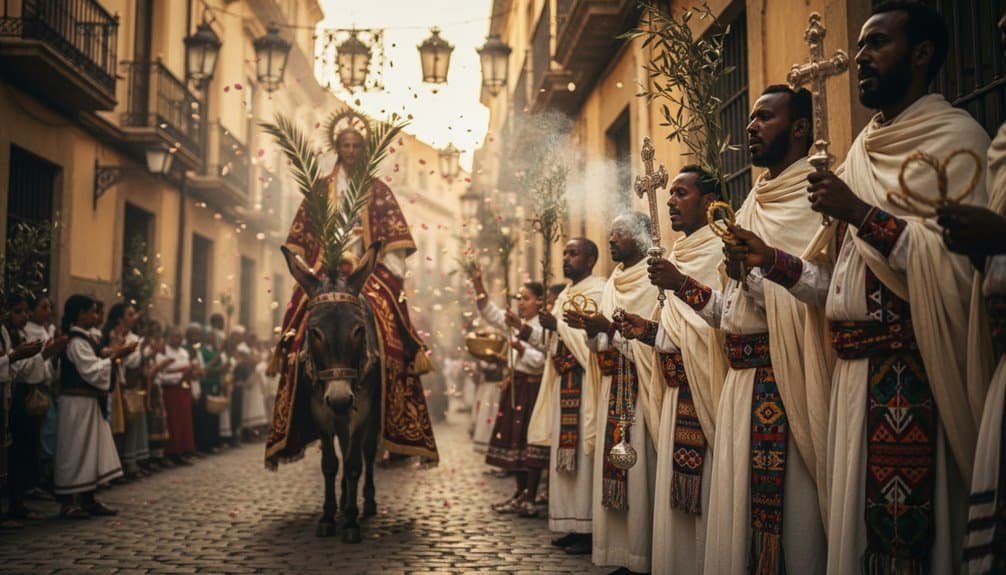
You’ll discover that Ethiopian white shama robes and Spanish donkey processions represent distinct theological expressions of Christ’s triumphal entry, each rooted in centuries-old liturgical traditions that transcend mere ceremonial display. When you examine these practices, you’re witnessing how monastic heritage shapes Ethiopian Orthodox emphasis on purity through white cotton vestments, while Spanish communities preserve biblical authenticity through live donkey reenactments of Jesus’ Jerusalem entry. These enduring traditions demonstrate how local cultural frameworks transform universal Christian narratives into tangible expressions of faith that connect contemporary believers with ancient scriptural events.
White Shama Robes Significance
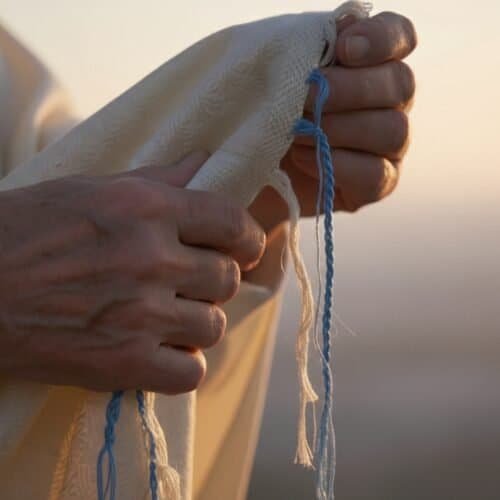
Why do Ethiopian Orthodox believers don flowing white shama robes during Palm Sunday celebrations while Spanish Catholics process with live donkeys through ancient cobblestone streets? You’ll discover that white robes carry profound theological significance rooted in scriptural symbolism. These garments represent purity and holiness, directly referencing angels dressed in white at Jesus’ tomb in John 20. When you wear them, you’re symbolically washed by the Lamb’s blood through Holy Communion, emulating holy figures who witnessed Christ’s transfiguration. The robes serve as netselas worn in the sign of the cross, mirroring Revelation’s depictions of saints in white garments. During triumphant processions with blessed palms, they denote innocence, glory, and victory—transforming participants into living representations of celestial worship.
Ancient Spanish Donkey Ceremonies
Processions featuring carved figures of Christ mounted on donkeys have woven through Spanish streets for over six centuries, transforming ancient Jerusalem’s triumphant entry into living theater that bridges biblical narrative and contemporary worship. You’ll find these ancient Spanish donkey ceremonies rooted in medieval theological understanding, where the donkey symbolized Christ’s humility against worldly power. In Elche, documented records from 1371 reveal municipal involvement in distributing alms during these celebrations. The “borriquita” processions you witness today—from Madrid’s Brotherhood carrying their figure since 2017 to Santiago de Compostela’s children’s processions—perpetuate this tradition. Nazarenos in white robes accompany handcrafted palms from Palmeral de Elche, while Civil Guard protection underscores these ceremonies’ cultural significance in contemporary Spain.
Cultural Faith Expression Endurance
How do centuries-old traditions like Ethiopian Palm Sunday robes and Spanish donkey processions maintain their spiritual vitality across generations when countless other religious practices have faded into historical footnotes? These customs demonstrate remarkable cultural endurance through their ability to bridge ancient biblical narratives with contemporary worship experiences. Ethiopian Orthodox communities preserve their white cotton garments and palm ring traditions because they create tangible connections to Christ’s Jerusalem entry, transforming abstract theological concepts into embodied faith expression. The processions foster intergenerational unity—children wearing cube-shaped palm rings alongside elders chanting Saint Yared’s hymns. This continuity stems from the practices’ deep integration with community identity, where spiritual significance intertwines with cultural heritage. Such traditions endure when they successfully adapt to changing contexts while maintaining their core symbolic power and communal meaning.
What Palm Branches Symbolize in Christian Households Worldwide?
When Christians worldwide display palm branches in their homes following Palm Sunday services, these sacred symbols carry profound theological significance rooted in Christ’s triumphal entry into Jerusalem. You’ll find these blessed palms serving multiple symbolic functions that transcend unrelated symbolism found in secular contexts. The branches fundamentally represent Christ’s victory over death, connecting your household to the messianic welcome described in Gospel accounts.
Your household customs involving palms reflect deep theological truths about humility triumphing over pride and eternal life conquering mortality. When you place palm crosses over doorways or tuck branches into Bible pages, you’re participating in centuries-old traditions that mark Christ’s redemptive journey to the cross. These displays serve as tangible reminders of divine presence, transforming ordinary living spaces into sacred environments. Whether woven into intricate crosses or simply pressed between pages, palms in Christian homes symbolize peace, victory, and the eternal covenant between God and humanity.
How Palm Sunday Branches Transform Into Ash Wednesday Ashes?
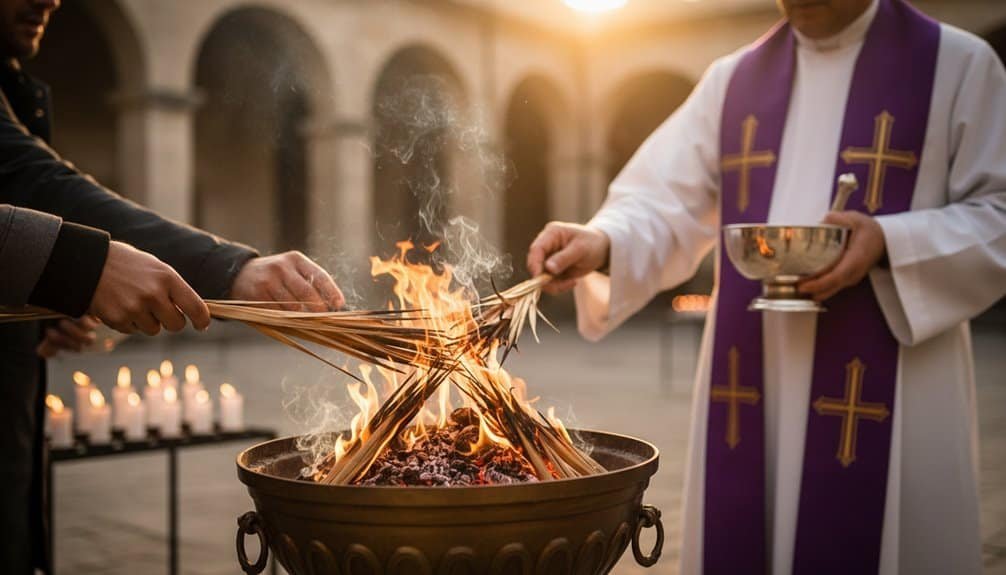
Beyond their symbolic presence in Christian households, those blessed palm branches embark on a remarkable liturgical journey that spans nearly an entire church year. You’ll discover that parishes systematically collect these fronds shortly before Ash Wednesday, transforming sacred remnants into the following year’s liturgical focal point through palm recycling.
On Shrove Tuesday, clergy perform the ancient incineration ritual, burning palms in metal vessels where flames reduce fronds to embers within thirty seconds. This pastoral symbolism connects Palm Sunday’s triumphant hosannas to Lenten repentance, embodying Christ’s journey from Jerusalem’s gates to Calvary’s cross.
The cooled ashes undergo careful preparation—ground into fine powder, mixed with olive oil, sometimes blessed with holy water. This cyclical transformation creates the cross-shaped marks adorning foreheads on Ash Wednesday, when 45% of adult Catholics receive these mortality reminders. The recycling process perpetually links triumph to sacrifice, resurrection hope to penitential preparation.
Frequently Asked Questions
Can Protestant Churches Participate in Catholic Palm Blessing Traditions?
You can participate in Catholic palm blessing traditions as Protestant Catholic dialogue reveals no doctrinal barriers preventing such engagement.
Palm blessing ecumenism demonstrates shared christological foundations across denominations.
You’ll find Lutheran and Anglican churches already incorporate similar blessing ceremonies, while other Protestant traditions adapt simplified versions emphasizing scripture over ritual.
You’re embracing universal symbols of Christ’s triumphal entry when participating in these ancient practices.
How Long Do Blessed Palm Branches Maintain Their Spiritual Protection Properties?
You’ll find blessed palm branches maintain their spiritual protection properties for one year according to Catholic tradition. This lengthy palm tradition establishes Palm Sunday through the following Ash Wednesday as the active period. The Church’s official guidelines specify annual renewal, with previous year’s palms returned for burning into ashes. Your spiritual protection isn’t guaranteed beyond sacramental grace, requiring reverent faith rather than magical thinking throughout the designated timeframe.
What Happens if Palm Branches Aren’t Available in Desert Regions?
You’ll find churches adapt through established substitution practices when desert palm scarcity occurs.
You can observe olive branches in Mediterranean climates, willow fronds in Armenian traditions, and boxwood in Georgian parishes serving as palm alternatives.
You’re participating in historically documented adaptations—Spanish missionaries developed “baptizing customs” methods allowing indigenous flora integration.
You’ll notice these substitutes maintain identical symbolic meaning of Christ’s triumphant Jerusalem entry while respecting regional botanical limitations.
Do Orthodox and Catholic Churches Use Identical Palm Blessing Prayers?
You won’t find identical palm blessings between Orthodox and Catholic traditions, as they employ diverse liturgical texts with distinct theological emphases. Orthodox prayers focus on spiritual branch-carrying and cleansing through censing and holy water, while Catholic rites emphasize sacramentality within their Missa sicca structure. Though both distribute blessed palms and share “Hosanna” hymns, their blessing prayers reflect separate liturgical developments and rubrical traditions.
Can Artificial Palm Branches Receive the Same Blessings as Natural Ones?
You’ll find that blessing validity for artificial palms remains doctrinally contested across denominations. Catholic Canon Law doesn’t explicitly prohibit blessing synthetic materials, though traditional sacramental theology emphasizes God’s creation. Orthodox practice typically favors natural elements, reflecting theological emphasis on materiality’s sanctification. While you can request artificial palm blessings from clergy, many theologians argue natural branches better embody Palm Sunday‘s historical authenticity and sacramental symbolism of Christ’s Jerusalem entry.
Conclusion
You’ve witnessed how Palm Sunday transcends Western liturgical boundaries, revealing Christianity’s remarkable cultural adaptability. Whether you’re observing Italian bloodied crosses, Filipino protective blessings, or Ethiopian processional robes, you’re participating in traditions that’ve preserved ancient Semitic symbolism while embracing local customs. Your palm fronds don’t simply commemorate Christ’s Jerusalem entry—they’re connecting you to a global community where sacred branches become protective talismans, then penitential ashes, completing Christianity’s cyclical narrative.








No Comments