

28 Apr 5 Best Historical Roots of Christian Pentecost Whitsunday
You’ll see that Pentecost begins with the Jewish Feast of Weeks, a wheat‑harvest celebration that also marks the Sinai revelation. The Greek word *pentekostos*—literally “fiftieth”—was borrowed by early Christians to label the Spirit’s descent, linking Jewish timing to a Greco‑Roman tongue. Romans later timed the feast with the final day of the Ludi Romani, turning a pagan spectacle into a Christian triumph. The Council of Nicaea fixed Pentecost fifty days after Easter, creating a universal calendar. Modern sunrise services, the “Veni Creator Spiritus” hymn, and candle‑lit processions all echo these ancient roots, and if you keep exploring you’ll discover even deeper connections.
Table of Contents
Jewish Origins of Pentecost History
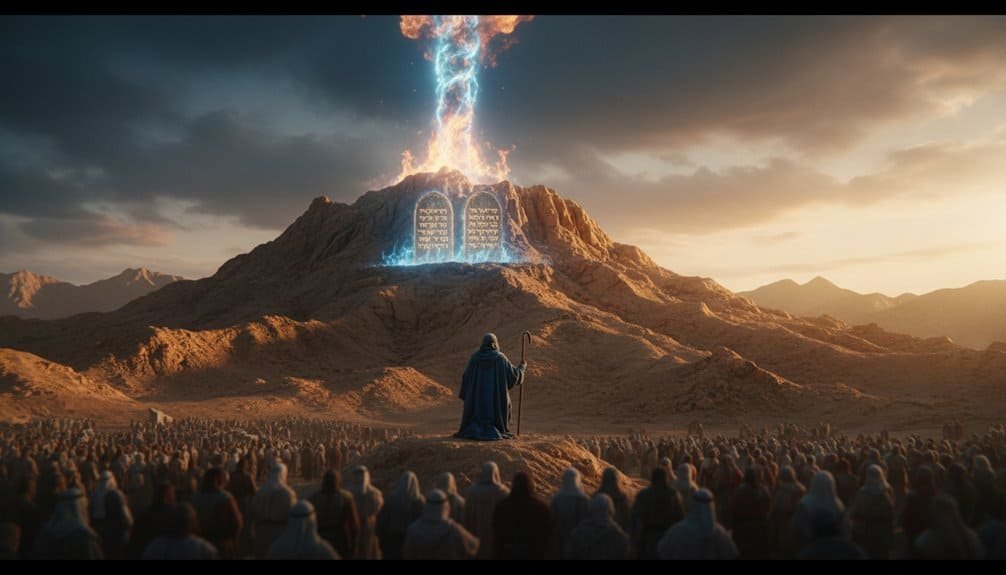
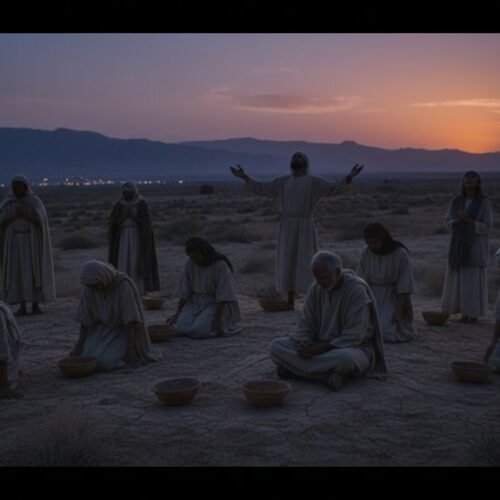
When did the Jewish roots of Pentecost first emerge? You’ll find the answer in the biblical festival of Shavuot, which the Torah designates as the “Feast of Weeks.” It falls fifty days after the Passover offering, commemorating the first wheat harvest in the Land of Israel. The Israelites celebrated by bringing the first fruits to the Temple, offering sacrifices, and reciting the Ten Commandments delivered at Mount Sinai. This agrarian rite intertwined with the celebration of the Torah’s revelation, giving Shavuot a dual character: agricultural gratitude and covenantal remembrance.
Greek Term “Pentekostos” and Early‑Church Adoption
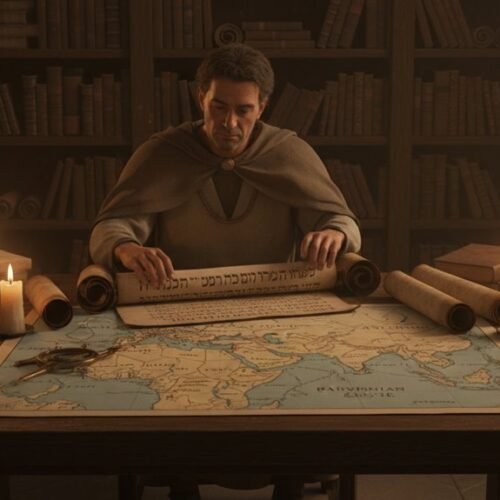
What does “Pentekostos” actually mean, and why did early Christians adopt it? The Greek word pentekostos translates literally as “fiftieth,” referring to the fiftieth day after the Jewish Feast of Unle. You encounter the, the a the term the Hebrew the the term, the term community, the term, the term, the term, the term. Early Christians, fluent in Hellenistic culture, borrowed the term to label the same day when the Holy Spirit descended on the apostles. By using pentekostos, they linked the event to the existing Jewish calendar while speaking a language their Greco‑Roman audience understood. This linguistic shift helped spread the narrative across the empire, allowing believers to celebrate the same theological moment without needing Hebrew terminology. Consequently, the term became a bridge, uniting Jewish roots with the broader, multilingual Christian identity that soon flourished throughout the Mediterranean.
Roman “Ludi Romani” and Pentecost History Timing
The term “Pentekostos” already linked the Christian feast to the Jewish calendar, but the Romans had their own celebration that fell on the same day: the Ludi Romani. You’ll notice that the Ludi Romani began on June 11 and ran for eleven days, culminating on June 21, the summer solstice. Early Christians, eager to embed their new feast in familiar civic rhythms, timed Pentecost to coincide with the final day of those games. By doing so, you helped the new holiday ride the wave of public attention already gathered by the spectacular races, theatrical performances, and sacrifices honoring Jupiter. The overlap also allowed you to reinterpret the Roman spectacle as a backdrop for the Spirit’s descent, turning a pagan festivity into a Christian triumph. Consequently, the timing of Pentecost became a bridge between Jewish tradition, Roman public life, and emerging Christian identity.
Why Nicaea’s 4th‑Century Council Fixed Pentecost’s Date for Everyone
Why did the Council of Nicaea in 325 CE feel compelled to lock Pentecost’s date for all Christians? You’ll see that the early church struggled with divergent calendars. Some regions counted Easter from the spring equinox, others from the Jewish Passover, causing Pentecost to drift wildly. The council, aiming for unity, adopted the Alexandrian method: Easter falls on the first Sunday after the first full moon following the March equinox. By fixing that rule, Pentecost—always fifty days after Easter—became a single, predictable feast for every believer. You also notice that the council’s decision curbed pagan interference. Roman officials could no longer manipulate local calendars to align Christian celebrations with civic festivals. The result was a cohesive liturgical rhythm that reinforced doctrinal cohesion and facilitated empire‑wide communication. Today, you still experience that ancient standard whenever you count down to Whitsunday.
Modern Pentecost History Traditions Tracing Ancient Foundations
From that ancient calendar fix, today’s Pentecost celebrations still echo the early church’s quest for unity. You’ll notice that modern liturgies often begin with a sunrise service, mirroring the early Christians’ practice of gathering at dawn to commemorate the Spirit’s descent. In many parishes, you’ll hear the ancient hymn “Veni Creator Spiritus” sung in its original Latin, a direct link to medieval chant traditions. You also see the practice of “tongues” prayers, where congregants pray in their native languages, reflecting the biblical moment when the Spirit enabled diverse peoples to understand one another.
Contemporary Pentecost processions frequently include incense and candles, echoing the ancient Roman rites that early Christians adapted to symbolize purity and divine presence. By integrating these elements—sunrise worship, historic hymns, multilingual prayers, and symbolic rituals—you’re participating in a living tradition that traces its roots straight back to the first century.
Frequently Asked Questions
How Did Early Christians Celebrate Pentecost in Different Cultural Regions?
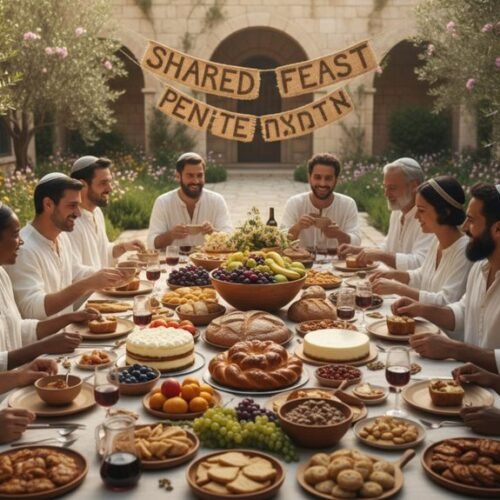
You’ll find early Christians marked Pentecost with feasts, prayers, and communal meals, but their customs shifted across regions. In the Roman world they gathered in churches, sang hymns, and exchanged bread, while in Syriac areas they performed liturgical dances and lit incense. In Egypt they held processions along the Nile, and in Gaul they combined the feast with local harvest celebrations, sprinkling wine and fruit on altars. Each tradition blended biblical reverence with local culture.
What Biblical Passages Specifically Reference Pentecost’s Origins?
You’ll find the biblical basis for Pentecost in three key passages. First, Acts 2:1‑13 describes the Holy Spirit descending on the disciples. Second, Exodus 12:2‑14 outlines the Feast of Weeks, the Jewish festival that gave Pentecost its timing. Third, Leviticus 23:15‑22 details the appointed days for counting to the feast. Together, they link the Christian celebration directly to its Old‑Testament origins.
Did Pagan Festivals Influence Early Pentecost Observances?
You’ll find that early Christian leaders deliberately distanced Pentecost from pagan rites, yet they couldn’t ignore the surrounding cultural calendar. While the Jewish festival of Shavuot provided the theological core, the surrounding Roman celebrations of the “Ludi Florales” and “Rosalia” offered convenient civic holidays that helped Christians gather without drawing suspicion. So, pagan festivals indirectly shaped the timing and public visibility of early Pentecost observances, even if the theology remained distinct.
How Do Various Christian Denominations Determine Pentecost’s Date Today?
You calculate Pentecost by counting fifty days from Easter Sunday, so first you determine Easter using the Computus—most Western churches follow the Gregorian calendar, while Eastern Orthodox churches use the Julian calendar.
Then you add forty‑nine days to Easter’s date, landing on the fiftieth day, Pentecost.
Some denominations, like Lutherans and Anglicans, keep the same method; others, such as the Coptic Orthodox, adjust for their own liturgical calendar, but the core rule—Easter + 49 days—remains universal.
Are There Archaeological Findings Linking Pentecost to Ancient Rites?
You’ll find that archaeological evidence doesn’t directly link Pentecost to specific ancient rites, but digs have uncovered Jewish temple artifacts and Greco‑Roman festival sites that resemble the timing and symbolism of the feast. Scholars point to the grain‑offering altar and the “Feast of Weeks” inscriptions, suggesting a cultural backdrop. While no inscription names Pentecost outright, the material record supports the idea that early Christians adapted existing celebratory practices into their own observance.
Conclusion
Now you see how Pentecost’s story weaves together Jewish harvest rites, Greek linguistic roots, Roman festivals, and the decisive 4th‑century council that locked its calendar. Each layer—ancient and medieval, pagan and Christian—shapes the holiday you celebrate today, linking modern worship to its rich, multifaceted past.





No Comments