

02 Mar Indigenous Palm Sunday Traditions Around the World
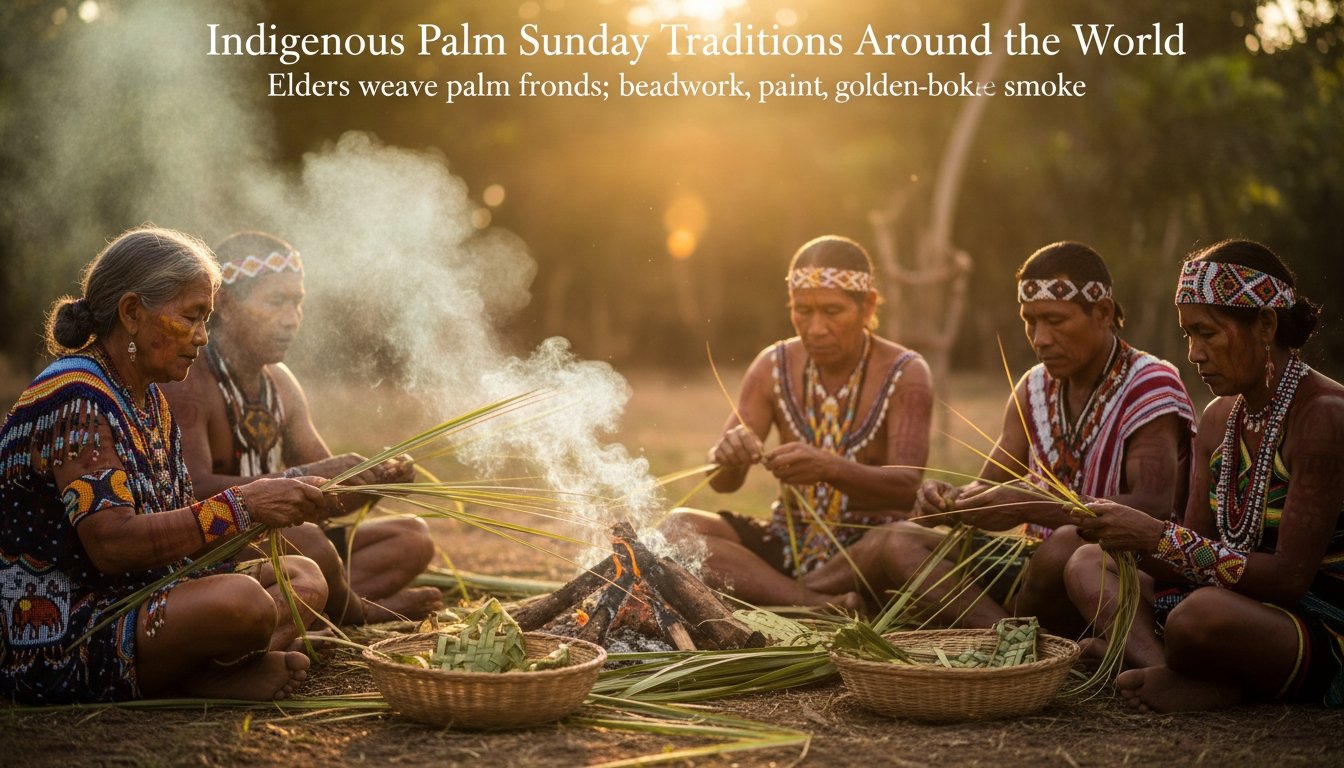
Palm Sunday traditions across indigenous cultures worldwide showcase remarkable resilience and diversity. You’ll find Aeta communities in the Philippines weaving intricate palm frond decorations, while Nahua people in Mexico blend Catholic and pre-Hispanic rituals. Indigenous Australians perform smoking ceremonies with native plants, and Latin American groups incorporate local flora into their celebrations. These sacred practices reflect the enduring spiritual connections and cultural heritage of these communities. If you explore further, you’ll uncover the deeper symbolic meanings imbued within the palm fronds themselves.
Table of Contents
Key Takeaways
- Indigenous communities across the Philippines, Mexico, Australia, and Latin America incorporate local flora and spirituality into Palm Sunday celebrations.
- Palm fronds symbolize Christ’s triumphant entry into Jerusalem and are woven into crosses, crowns, and other designs with symbolic meanings.
- The palm’s resilience mirrors the human spirit’s endurance and is a physical representation of reverence and adoration in indigenous rituals.
- Indigenous communities face challenges in preserving sacred Palm Sunday traditions due to urbanization, environmental degradation, and cultural assimilation.
- Elders share oral histories to teach younger generations the symbolic meaning behind palm fronds, and communities adapt by using local plants when palm leaves are scarce.
Diverse Palm Sunday Celebrations Across Indigenous Cultures
How do indigenous communities around the world celebrate Palm Sunday? From the Philippines to Mexico, diverse Palm Sunday traditions reflect the rich cultural heritage of indigenous peoples. In the Philippines, Aeta communities weave intricate palm frond decorations and craft elaborate palm crosses. In Mexico, the Nahua people perform pre-Hispanic rituals, blending Catholic and indigenous elements. Indigenous Australians engage in smoking ceremonies, using native plants to cleanse and bless their communities. Across Latin America, the Guarani, Maya, and Quechua peoples incorporate local flora into their Palm Sunday celebrations. These vibrant traditions highlight the enduring strength of indigenous spirituality and the seamless integration of faith and culture.
The Spiritual and Symbolic Significance of Palm Fronds in Indigenous Palm Sunday Rituals
For many indigenous communities, the palm frond holds profound spiritual significance in their Palm Sunday rituals. These sacred leaves symbolize Christ’s triumphant entry into Jerusalem, serving as a physical representation of the reverence and adoration expressed by the crowds. Throughout the celebrations, the fronds are woven into crosses, crowns, and other intricate designs, each with its own deeper meaning. Elders may bless the palms, imbuing them with divine power, while worshippers carry them in processions, wave them joyfully, and later use them to adorn their homes. The palm’s resilience and ability to thrive in harsh environments make it a potent metaphor for the human spirit’s capacity to endure and flourish, even in the face of adversity.
Preserving and Adapting Palm Sunday Traditions in Indigenous Communities
As indigenous communities strive to preserve their sacred Palm Sunday traditions, they must also adapt to changing circumstances and challenges. Faced with urbanization, environmental degradation, and cultural assimilation, these communities employ innovative strategies to keep their rituals alive.
They’ll blend ancient practices with modern elements, passing down knowledge to younger generations through workshops and festivals. Elders share oral histories, teaching the symbolic meaning behind the use of palm fronds.
Communities work to ethically source materials, sometimes substituting local plants when palm leaves become scarce. Despite the obstacles, their resilience shines as they continue honoring their heritage and spirituality through the timeless observance of Palm Sunday.
Frequently Asked Questions
How Do Indigenous Groups Obtain Palm Fronds for Their Rituals?
You obtain palm fronds for your rituals by gathering them from local palm trees. You may travel to nearby forests or jungles, climb the trees, and carefully cut off the fronds. Some groups cultivate palm trees specifically for this purpose, ensuring a reliable supply. The fronds are then woven, braided, or otherwise prepared for your traditional Palm Sunday observances.
Do All Indigenous Cultures Use the Same Palm Species for Palm Sunday?
No, not all indigenous cultures use the same palm species for Palm Sunday. Different regions have access to distinct palm varieties, so indigenous groups utilize the local species available to them. For example, the Palma Real is commonly used in parts of Latin America, while Africa and Asia rely on other native palm types. The choice of palm reflects the unique cultural and environmental contexts of each community.
Are There Any Safety Concerns Around Handling Palm Fronds During Ceremonies?
There can be some safety concerns around handling palm fronds during ceremonies. The fronds may have sharp edges that could cut or prick your skin, and some palm species contain sap that can cause skin irritation. It’s important to handle the fronds carefully and wear gloves if necessary to avoid any injuries. Additionally, make sure to dispose of the fronds properly after the ceremony.
How Do Indigenous Communities Teach Their Palm Sunday Traditions to Younger Generations?
You’ll find that indigenous communities teach their palm Sunday traditions to younger generations through hands-on activities and storytelling.
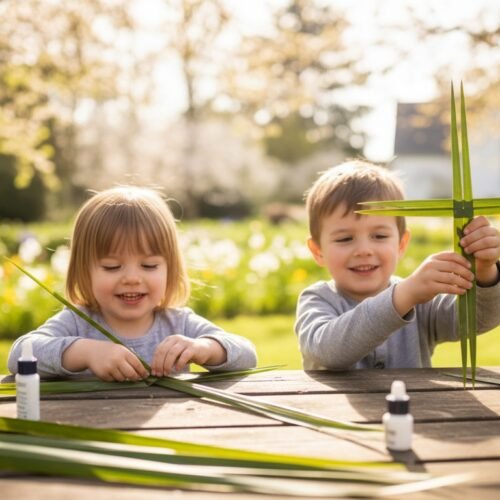
They’ll have kids weave palm fronds into crosses or other symbolic shapes, demonstrating techniques passed down over generations.
Elders will also share the historical and spiritual significance of the rituals, ensuring the customs remain vibrant and meaningful for the next generation.
Do Indigenous Palm Sunday Practices Vary by Geographic Region or Tribe?
Yes, indigenous Palm Sunday practices do vary by geographic region and tribe. From the lush forests of the Amazon to the deserts of Africa, each community has developed unique traditions that reflect their local environment, cultural beliefs, and spiritual connections. Whether it’s weaving intricate palm fronds or performing ancient rituals, these practices are passed down through generations, ensuring the continuation of cherished traditions.
Conclusion
You’ll find that many indigenous communities worldwide have unique Palm Sunday traditions that reflect their cultural heritage and spiritual beliefs. These traditions, which often involve the symbolic use of palm fronds, continue to be cherished and adapted by indigenous peoples as a way to preserve their sacred practices. Embracing this diversity enriches our understanding of the diverse ways in which Palm Sunday is celebrated globally.







No Comments