


19 Apr Why Did God Speak at the Transfiguration?
You hear God’s voice at the Transfiguration because He publicly declares Jesus as His beloved Son and commands you to listen to Him, confirming Christ’s divine identity and authority. The cloud and proclamation echo Old‑Testament theophanies, showing that the Father affirms the Son’s mission just before Jesus predicts His death. This moment shifts ultimate authority from law to Christ’s teaching, grounding your faith in His words. Keep exploring to see how this scene shapes doctrine, worship, and daily life.
Table of Contents
What the Scripture Says About the Transfiguration Voice
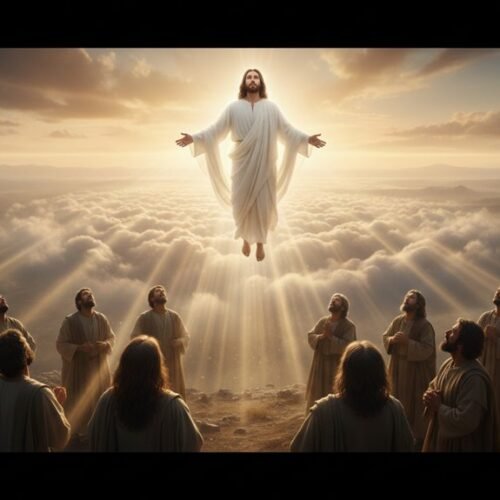
How does the Scripture itself describe the voice at the Transfiguration? In Mark 9:2‑8 the heavens part, a cloud envelops the scene, and a voice declares, “This is My beloved Son; listen to Him.” Matthew 17:5‑9 repeats the proclamation, adding that the Father is “well pleased” with the Son. Luke 9:30‑36 includes the same cloud and voice, emphasizing divine affirmation after Jesus predicts His death. The voice identifies Jesus as the Son of God, confirming His messianic identity and transferring the Father’s authority to Him. It fulfills Old Testament prophecy of a divine messenger and marks the last recorded direct speech from Yahweh in the New Testament. The event’s high‑mountain setting mirrors ancient theophanies, linking the Transfiguration to the broader biblical pattern of divine revelation. This concise scriptural portrait grounds the voice’s theological weight.
Why the Voice Matters for Christian Belief
Why does the voice at the Transfiguration matter for your faith? It tells you that Jesus is the beloved Son, and it commands you to listen to Him. That command shifts authority from abstract law to the living Word, so every doctrine you accept must flow from Christ’s teaching. It also confirms the Old‑Testament promise of a divine messenger, linking you to the covenant history that culminates in Jesus. The voice is the last recorded Yahweh utterance in the New Testament, marking the climax of divine revelation and sealing the Trinitarian picture: Father speaks, Son is glorified, Spirit clouds the scene. When you hear that proclamation, you recognize that your obedience isn’t optional—it’s a response to God’s explicit invitation. This shapes your worship, your study, and your daily choices, because the voice anchors your belief in the reality of Christ’s deity and authority.
Historical Interpretation: From Early Church to Today
The voice’s theological weight naturally leads into how the church has understood it over centuries. You’ll see early fathers like Irenaeus treat it as proof of Christ’s divinity, echoing the divine Son’s affirmation at Sinai.
In the medieval period, theologians linked the proclamation to the “Last Testament,” seeing it as a final divine decree before the Passion.
Reformers such as Luther and Calvin seized the voice for sola scriptura, arguing that “Listen to Him” makes Christ the sole authority for doctrine.
Modern scholars often call the utterance a literary hinge that shifts focus from narrative to Christocentric revelation, while still honoring its Trinitarian drama.
Liturgically, the feast of the Transfiguration commemorates the voice, reinforcing its role in worship and catechesis.
Across the ages, you notice a consistent thread: the voice validates Christ, shapes doctrine, and guides believers to heed His teaching.
Frequently Asked Questions
Did the Voice Occur Only for the Disciples Present?
No, the voice didn’t limit itself to the three disciples. You hear the divine proclamation echoing across the mountain, confirming Jesus’ identity for all who later read the accounts. While Peter, James, and John heard it firsthand, the narrative’s purpose is to broadcast the affirmation to the entire church, ensuring every believer recognizes Christ as the beloved Son and obeys His teaching.
Is the Transfiguration Voice Quoted Elsewhere in the New Testament?
You’ll find the Transfiguration voice echoed only in the parallel accounts of Mark 9:2‑8, Matthew 17:5‑9, and Luke 9:30‑36; no other New Testament passage repeats the exact words “This is My beloved Son; listen to Him.”
Those verses preserve the proclamation, but the specific phrase doesn’t appear elsewhere in the gospel narrative or epistles.
What Does “Beloved Son” Imply About Jesus’ Humanity?
You see “beloved Son” signals both divine favor and genuine humanity. It tells you Jesus shares real human experience—he’s a son in the familial sense—yet the Father’s love elevates him uniquely. This phrasing bridges the gap between God’s transcendence and Jesus’ relatable, incarnate life, inviting you to recognize his authentic humanity while affirming his extraordinary status as the Father’s cherished one.
How Does the Voice Relate to the Concept of Divine Revelation?
You see the voice as a direct theophany, a divine revelation that confirms Jesus’ identity and authority. It declares, “This is My beloved Son; listen to Him,” so you recognize that God is unveiling Himself through Christ.
The proclamation bridges Old‑Testament prophecy with New‑Testament fulfillment, showing that God’s self‑disclosure now operates through the Son’s teaching and mission.
Did Any Non‑Christian Traditions Record a Similar Mountain The?
You’ll find that Zoroastrianism, Hinduism, and Buddhism all describe divine revelations on mountains. In Zoroastrian texts, Ahura Mazda appears on Mount Avestan to impart wisdom. Hindu epics recount Krishna revealing his universal form on Mount Govardhan, while the Buddha attained enlightenment on Mount Sarnath’s nearby hill, receiving profound insight. These traditions, like the Transfiguration, use lofty terrain to signal sacred encounters and authoritative teachings.
Conclusion
You now see that the voice from the cloud isn’t a random shout; it’s a divine affirmation of Christ’s identity and mission. By hearing “This is my beloved Son, in whom I am well‑pleased,” you’re reminded that the Transfiguration confirms Jesus as the promised Messiah and the fulfillment of God’s plan. This pivotal moment strengthens your faith, anchoring belief in the continuity of Scripture and the living presence of God.









No Comments