

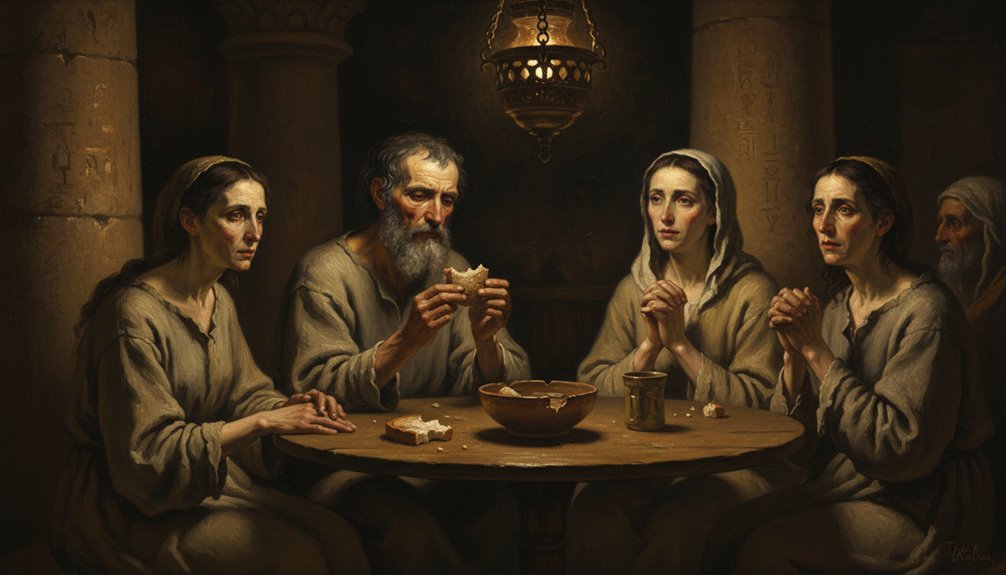
16 Apr Why Did Hebrews Fast in Different Ways?
You’ll notice that Hebrews fasted differently because each fast matched a particular crisis or spiritual goal. Yom Kippur’s 25‑hour fast seeks atonement, while Tisha B’Av’s full‑day fast mourns national tragedy. Minor fasts, from dawn to nightfall, mark sieges, covenant breaches, or personal loss. The rites—prayers, shofar blasts, sackcloth, and abstaining from food, wine, and oil—vary to suit the urgency and tone of the plea. Keep exploring to see how these patterns can guide modern practice.
Table of Contents
What Are the Main Hebrew Fasts?
Which Hebrew fasts do you observe? You’ll find four principal fasts that punctuate the Jewish calendar.
The most solemn is Yom Kippur, a 25‑hour fast from sunset to nightfall, marked by intense prayer and confession.
Tisha B’Av commemorates the destruction of the First and Second Temples; it’s a full‑day fast with additional restrictions on bathing, wearing leather, and marital relations.
The minor fasts—Jehoshaphat’s, Gedaliah’s, and the Tenth of Tevet—each last from dawn to nightfall, observed with a simple abstention from food and drink.
They fall on the 17th of Tammuz, the 3rd of Kislev, and the 10th of Tevet respectively, each recalling specific tragedies in Israel’s history.
These fasts differ in length and intensity, but each invites reflection, repentance, and a deeper connection to the communal memory of loss and hope.
Why Did the Israelites Fast? Biblical Reasons for Hebrew Fasts
Because the Israelites faced national crises, divine judgment, and profound loss, they turned to fasting as a biblical response. You’ll see that fasting served as a collective cry for mercy when armies threatened the land, as in the siege of Jerusalem (2 Chronicles 34). When God’s wrath fell because of covenant breach, leaders like Samuel called the nation to abstain from food, seeking repentance (1 Samuel 7). Personal tragedy also prompted fasting; David mourned his child’s death with a fast (2 Samuel 12).
The people used fasting to express humility before God, to petition for rain during drought (1 Kings 18), and to accompany solemn vows after victories (Judges 20). In each case, fasting functioned as a spiritual lever, aligning Israel’s heart with divine will, signaling dependence, and inviting restoration. These biblical motives reveal why fasting remains a powerful conduit for communal and individual petition.
How Ancient Israelites Practiced Hebrew Fasts
When the Israelites gathered for a fast, they didn’t just skip meals—they observed a set of ritual practices that turned abstinence into a communal act of worship. You’ll find they began each fast with a solemn assembly at the tabernacle or temple, where the priest offered prayers and incense, framing the day as a sacred pause. You’d hear the blowing of trumpets (shofar) to signal the start, and the community would recite the Psalms, especially those pleading for mercy. During the fast, you’d notice they avoided not only food but also wine, oil, and even meat, keeping the body clean for prayer. Some fasts required wearing sackcloth and ashes as visible signs of humility. You’d also see the use of special liturgical verses, like “Remember the Sabbath” or “Seek the Lord.” At sunset, the fast ended with a communal meal, often a simple unleavened bread, marking restoration and gratitude.
How You Can Apply Hebrew Fasts Today
Ever wondered how to bring ancient Hebrew fasting into modern life? You can start by picking a specific fast—like the fast of Esther or the Day of Atonement—and setting a clear intention: repentance, gratitude, or focus on a cause. Schedule the fast on a weekend or evening to fit your routine, and decide whether you’ll abstain from food, media, or a particular habit. Prepare a simple prayer or meditation that echoes the biblical language, then use a timer to mark the start and end. Pair the fast with a charitable act—donate a meal, volunteer, or write a heartfelt note. Keep a brief journal noting emotions, insights, and any physical changes. If full abstinence feels too intense, try a partial fast: skip breakfast, limit sugar, or avoid social media for a set period. Reflect afterward, sharing what you learned with a friend or community group, and repeat the practice regularly to deepen its spiritual impact.
Frequently Asked Questions
What Health Benefits Are Associated With Traditional Hebrew Fasting Practices?
You’ll find that traditional Hebrew fasting can improve insulin sensitivity, lower blood pressure, and aid weight management by reducing calorie intake.
It often promotes mental clarity and emotional regulation through heightened mindfulness.
The practice may also boost autophagy, helping cells clear waste and reduce inflammation.
Additionally, fasting aligns your circadian rhythm, supporting better sleep and hormone balance, while the communal aspect strengthens social support and reduces stress.
How Do Modern Dietary Restrictions Affect Participation in Hebrew Fasts?
You’ll find that modern dietary restrictions—like gluten‑free, vegan, or low‑sugar diets—can shape how you join Hebrew fasts. You might replace traditional foods with compliant alternatives, ensuring you still observe the fast’s spirit while honoring your health needs. Some communities even adapt the schedule or offer guidance for those with allergies or medical conditions, so you can participate without compromising your diet or well‑being.
Can Non‑Jewish Individuals Observe Hebrew Fasts Authentically?
Yes, you can observe Hebrew fasts authentically if you respect their intent and structure. Study each fast’s purpose, timing, and traditional restrictions—like abstaining from food and drink from sunset to sunrise during Yom Kippur.
Follow the liturgical prayers, join a community service, and avoid prohibited activities.
Keep a sincere heart, honor the customs, and you’ll participate meaningfully.
What Archaeological Evidence Exists for Ancient Hebrew Fasting Rituals?
You’ll find archaeological evidence for ancient Hebrew fasting in several places.
Excavations at sites like Qumran reveal communal meals with empty plates, suggesting ritual abstention.
In the Dead Sea Scrolls, marginal notes describe fast days and associated prayers.
Pottery shards bearing inscriptions of “Yom Kippur” and “Tisha B’Av” have been uncovered, linking specific dates to fasting practices.
Moreover, burial caves show food‑offering remnants left untouched, indicating periods of collective restraint.
How Do Hebrew Fasts Differ Across Various Jewish Denominations?
You’ll see that Orthodox communities observe all traditional fasts—Yom Kippur, Tisha B’Av, and the minor fasts—strictly, with full abstention from food and drink from sunrise to sunset.
Conservative Jews generally keep the same schedule but may allow limited hydration or medication.
Reform and Reconstructionist congregations often treat fasts as personal choices, encouraging reflection rather than enforcing strict bans, and some may replace them with charitable acts or meditation.
Conclusion
So, when you look back at the various Hebrew fasts, you see they weren’t just random rituals—they were purposeful acts of humility, repentance, and remembrance. They helped the Israelites stay spiritually sharp, honor pivotal events, and seek God’s favor. Today, you can adopt those same principles: pause, reflect, and align your heart with God’s purposes, using fasting as a meaningful, personal devotion.








No Comments