


19 Apr 10 Tips: Peter James John Witness Transfiguration
You can follow Peter’s awe, James and John’s quiet listening, and the cloud’s command to strengthen your faith daily. Start by pausing on “ to “listen to Him” voice, then practice humility instead of trying to control the moment. Keep a journal of “mountaintop” moments, share them with others, and let the silence of James and John teach you to hear God’s still small voice. Embrace Moses and Elijah’s presence as a reminder of the Law fulfilled, and let these habits build courage through suffering—more insights await if you keep going.
Table of Contents
What Is the Transfiguration of Jesus?
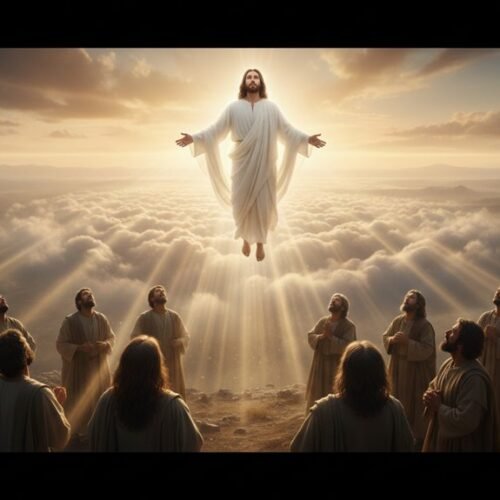
Although the Gospels place it after six‑or‑eight days of travel, the Transfiguration is the moment when Jesus’s divine glory shines unmistakably before Peter, James, and John on a high mountain—traditionally identified as Mount Tabor. You see Jesus clothed in radiant light, his face shining like the sun, while Moses and Elijah appear beside him. A voice from a cloud declares, “This is my Son, whom I love; listen to him.” The event links the Law and the Prophets to Christ’s fulfillment, previewing the resurrection glory that will follow his suffering. It strengthens the disciples’ faith, confirming Jesus as the “Beloved Son” foretold in Deuteronomy. The transfiguration also serves as a tangible promise that suffering will give way to divine splendor, urging you to trust in the same transformative power that illuminated that mountain scene.
What Peter’s Tent Proposal Reveals About Control (Transfiguration)
The transfiguration reveals Jesus’s divine glory, and Peter’s instant urge to build three tents shows his instinct to control the moment. You notice how Peter’s proposal isn’t about worship; it’s a reaction to the overwhelming radiance. By suggesting three shelters, he tries to capture the scene, to make the extraordinary manageable. This impulse mirrors our own desire to structure awe‑inspiring experiences, to turn mystery into order.
Yet the voice from the cloud interrupts, reminding you that divine revelation resists containment. The disciples’ fear and subsequent silence contrast sharply with Peter’s need for control, highlighting a tension between human planning and heavenly initiative. When you reflect on this, you see that genuine faith embraces the uncontainable, allowing God’s glory to unfold without your scaffolding.
The lesson: relinquish the urge to dominate the moment, and let the transfigured Christ speak for Himself.
What James and John’s Silence Teaches About Listening (Transfiguration)
Why does silence matter when the divine shines so bright? You see James and John, perched beside Jesus, absorb the radiant transformation without a word. Their quietude isn’t emptiness; it’s an active stance of listening. While Peter rushes to plan, the two disciples let the cloud’s voice settle in their hearts, allowing the revelation of Moses, Elijah, and Christ’s glory to penetrate their souls. You can mimic this by pausing before you speak, letting the holy echo settle, then responding with insight rather than impulse. Their silence models a listening that transcends noise, a posture that honors divine mystery. When you practice this stillness, you become a conduit for the voice from the cloud, hearing “This is my Son” with reverence. In the transfiguration’s blaze, James and John teach you that true listening requires surrender, humility, and the willingness to let the divine speak before you act.
How the Cloud’s “This Is My Son” Strengthens Faith (Transfiguration)
Six minutes after the mountain’s brilliance faded, the voice from the cloud thundered, “This is my Son; listen to him,” and that single proclamation instantly anchors your faith in a tangible, divine reality. You hear the echo of eternity, and the cloud’s authority crushes doubt. The declaration confirms Jesus as the promised Messiah, turning abstract doctrine into lived certainty. As you internalize the words, your heart aligns with the divine plan, and the fear that once froze you melts into trust. The cloud’s testimony validates the disciples’ eyewitness report, giving you a reliable foundation for belief. It also links the Law and the Prophets to Christ, showing that God’s promises are fulfilled. This moment compels you to obey, to follow Jesus’s teaching without hesitation, because the heavens themselves have affirmed his identity. Your faith, now rooted in that thunderous affirmation, steadies you for the trials ahead.
How Moses and Elijah Show the Law Fulfilled in Christ (Transfiguration)
What does the appearance of Moses and Elijah on the mountain reveal about the Law’s fulfillment in Christ? You see Moses, the Law‑giver, standing beside Elijah, the prophetic forerunner, while Jesus glows in radiant glory. Their presence says the Law and the Prophets aren’t abandoned; they point directly to Christ as their climax. Moses hands you the covenant’s demands, Elijah brings the promise of a coming “Day of the Lord.” When the cloud declares, “This is my Son, listen to him,” you recognize that every command, sacrifice, and prophecy finds its true meaning in Jesus. The transfiguration thus confirms that the Law’s purpose—guiding Israel toward redemption—has been completed in Christ’s person. You can trust that the Scriptures converge on one fulfillment, and that the mountain vision validates the continuity of God’s redemptive plan.
From Fear to Faith: Turning Awe Into Daily Courage (Transfiguration)
Seeing Moses and Elijah confirm that the Law and the Prophets converge in Christ, you can move from the awe‑inducing vision to a practical confidence that steadies everyday life. The mountain’s brilliance may shock you, but it also reveals a steadying that you can carry into work, relationships, and trials. When the cloud’s voice declared, “This is my Son,” it turned fear into a firm trust that Jesus leads. Remember how Peter, James, and John fell to the ground in terror; their immediate reaction was a reminder that fear is natural, yet it doesn’t have to dominate. Use that moment as a template: pause, breathe, and let the vision’s glow remind you of Christ’s presence. Let that glow become a mental anchor, nudging you to act with courage, speak truth, and persevere, knowing the same divine glory undergirds your daily walk.
How to Record and Share Your Own “Mountaintop” Experiences (Transfiguration)
When you return from a spiritual “mountaintop” moment, capture it quickly—jot down the scene, the emotions, and the specific Scripture that sparked the vision—so the vividness stays fresh. Use a notebook or phone app; date the entry, note the location, and write in short, vivid sentences. Include a direct quote of the biblical passage, a brief description of the light or voice, and the feeling that followed.
Next, choose a sharing method that matches your audience: a blog post, a small‑group email, or an Instagram carousel with a photo of the landscape. Keep the narrative tight—focus on the encounter, not a long backstory. Add a personal takeaway: how the experience reshapes your daily walk.
Invite readers to reflect by asking a simple question, then end with a prayer or a verse that reinforces the mountaintop’s lasting impact.
How the Transfiguration’s Resurrection Preview Gives Hope in Suffering?
Why does the Transfiguration feel like a glimpse of the resurrection, and how can that vision sustain you amid pain? You see Christ radiant, surrounded by Moses and Elijah, and you hear the cloud’s declaration that He’s the Son. That brilliance mirrors the glorified body promised after the cross, turning suffering into a preview of triumph. When you face illness, loss, or doubt, recall how the disciples fell to the ground yet rose with renewed faith. The mountain scene tells you that God’s glory doesn’t wait for the end; it breaks through even in the midst of trial. Let that image anchor your prayers, reminding you that your present anguish is a temporary shadow before the light of resurrection. By fixing your eyes on this foretaste, you draw strength, knowing the same power that transformed Jesus will also transform your pain into hope.
How to Use Eyewitness Testimony to Strengthen Personal Assurance (Transfiguration)
One powerful way to boost your confidence in the Gospel is to lean on the eyewitness testimony of Peter, James, and John at the Transfiguration. Their accounts give you a concrete, historical anchor for Christ’s divine identity. Start by reading the three Synoptic passages side‑by‑side; notice how each disciple’s reaction—Peter’s awe, James’s silence, John’s reverence—confirms the same radiant event. Memorize the cloud’s voiceize “This is my Son… listen to him,” and let it become your mental refrain when doubts arise.
Cite 2 Peter 1:16‑18, where the apostles explicitly label their experience as “the very word of God.” Use this reference in personal prayer, declaring that you, too, stand on a witnessed revelation. By repeatedly recalling their fear‑turned faith, you build a personal assurance that mirrors their strengthened belief before the Passion.
What Modern Leaders Can Learn From the Transfiguration (Faith Communities)
Ever wonder how the Transfiguration can shape today’s faith‑community leaders? You can draw three practical lessons.
First, embrace visible transformation: just as Jesus’ glory shone on the mountain, you should model authentic change that inspires your team to pursue higher purpose.
Second, balance authority with humility—Peter’s impulse to build tents shows the danger of over‑confidence, while the cloud’s voice reminds you to listen to the divine call rather than personal ambition.
Third, cultivate witness culture: the disciples’ fear turned into bold testimony; you can turn challenging moments into shared stories that strengthen collective faith.
Use these insights to create “mountain experiences” in your ministry, where vision, reverence, and community converge. When you lead with awe, accountability, and testimony, you echo the transfiguration’s power and guide your congregation toward enduring hope and glorious service.
Frequently Asked Questions
Was Mount Tabor the Actual Site of the Transfiguration?
You can’t be absolutely certain Mount Tabor was the exact spot, but most scholars and early church tradition identify it as the high mountain mentioned in the Gospels.
The biblical text only says “a high mountain” and gives no name, yet the tradition, archaeological evidence of a first‑century settlement, and the consistent testimony of the synoptic accounts make Mount Tabor the most credible candidate.
Why Do the Gospels Differ on the Timing (“six Days” vs. “Eight Days”)?
You’ll notice the Gospels give slightly different intervals because each author tailors the narrative to his audience and literary style. Mark emphasizes immediacy, counting “six days” to stress the rapid unfolding of Jesus’ ministry. Luke, writing for a more reflective community, uses “about eight days” to allow a broader temporal frame.
Both numbers still convey a short period, preserving the event’s continuity while accommodating each writer’s theological emphasis.
What Is the Significance of Moses and Elijah Appearing Together?
Seeing Moses and Elijah together shows you that Jesus fulfills both the Law and the Prophets. Their presence links the Old Covenant’s authority to the New Covenant’s revelation, confirming that Christ is the promised Messiah. It also signals that the kingdom God’re entering will embody both righteousness and prophetic promise, giving you confidence that the divine plan spans history and culminates in Jesus.
How Did Early Church Fathers Interpret the Transfiguration?
You’ll find that early fathers such as Irenaeus and Chrysostom saw the transfiguration as a vivid proof that Jesus fulfills both the Law and the Prophets. They linked Moses and Elijah to the covenant and the prophetic promise, arguing the event confirms Christ’s divine sonship and prefigures the resurrection. Their writings stress the vision’s role in strengthening disciples’ faith and validating the gospel’s authority.
Can the Transfiguration Be Linked to Any Old Testament Prophecy?
You can link the Transfiguration to several OT prophecies. Deuteronomy 18:15‑19 foretells a prophet like Moses, and the mountain vision fulfills that promise. Isaiah 40:3‑5 speaks of a glorious, radiant one, echoing the shining Christ. Psalm 2:6‑9 and Daniel 7:13‑14 describe a Son receiving dominion, which the cloud’s voice confirms. Together, these passages show the event as a prophetic preview of Christ’s divine authority.
Conclusion
You’ve seen how the Transfiguration isn’t just a dramatic moment on a mountain—it’s a living template for leadership, listening, and faith. By internalizing Peter’s ambition, James and John’s quiet, and the voice from the cloud, you can shape your own “mountaintop” experiences, turn testimony into assurance, and draw hope from the promise of resurrection. Let these insights guide your journey, turning every challenge into a chance to reflect Christ’s glory.








No Comments