

09 Dec Worship Songs List Fresh Setlists for Church in 2025
You’ll craft a 2025 worship setlist that moves your congregation from invitation through intimate encounter by strategically layering contemporary songs with theological depth alongside timeless classics. Start with upbeat energy, layer reflective pieces for introspection, then build toward corporate declarations of faith. Balance vulnerable emerging artists’ indie-folk sensibilities with evergreen hymns like “How Great Thou Art.” This purposeful narrative arc positions worshippers for genuine spiritual encounter while honoring your community’s musical heritage and contemporary struggles.
Table of Contents
Key Takeaways
- Blend contemporary melodies with theological depth, incorporating global influences like African rhythms and Latin instrumentation for dynamic congregational engagement.
- Layer setlists intentionally from upbeat invitations through reflective introspection to intimate declarations, creating purposeful narrative arcs for genuine spiritual encounter.
- Balance high-energy anthems with vulnerable moments, strategically transitioning between songs that match keys, tempos, and theological themes cohesively.
- Feature emerging worship artists’ authentic, unconventional arrangements that challenge traditional structures while maintaining accessible vocal ranges for congregational participation.
- Integrate timeless classics with fresh contemporary arrangements to honor spiritual heritage while addressing modern struggles like doubt and identity.
Top Contemporary Worship Songs for 2025
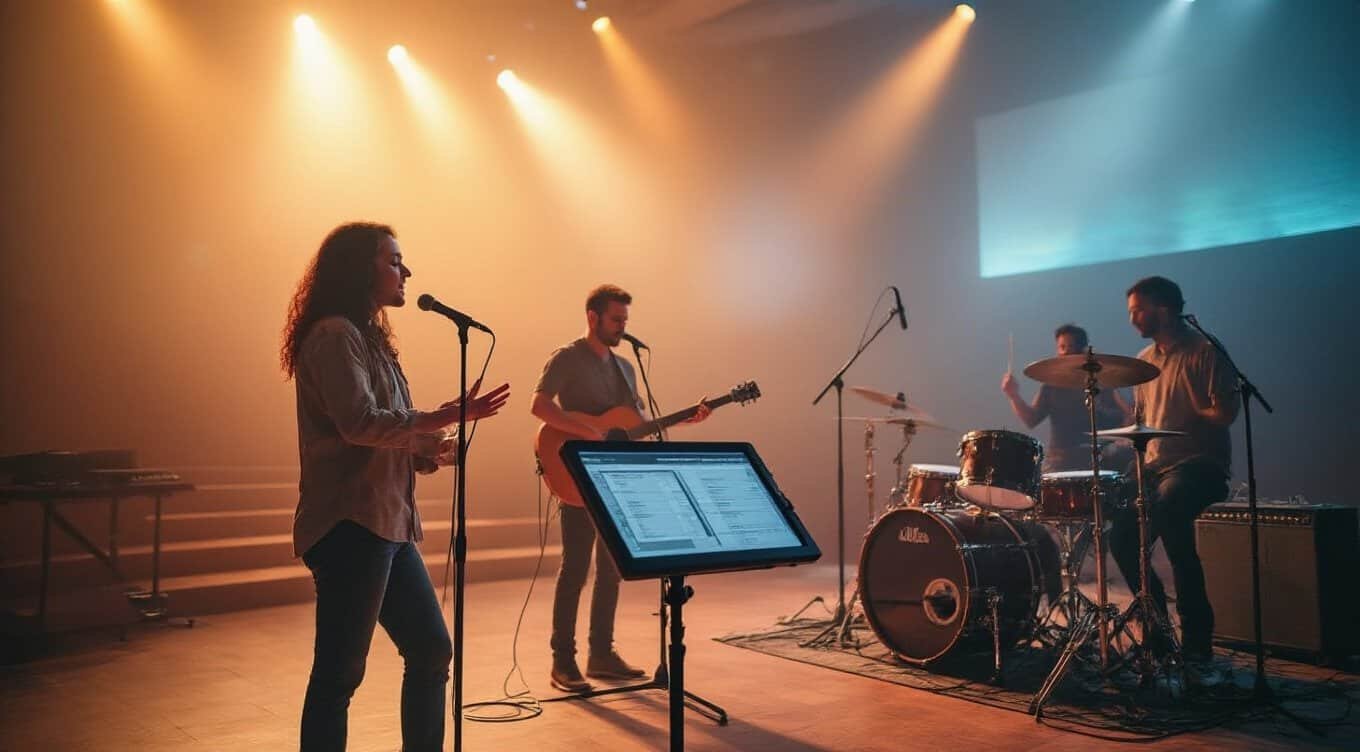
As worship leaders and musicians prepare their setlists for the coming year, you’ll want to consider songs that blend theologically rich lyrics with singable melodies that’ll engage your congregation.
Upcoming worship trends emphasize authenticity and vulnerability, moving beyond formulaic progressions toward dynamic harmonic structures. You’ll notice global worship influences reshaping contemporary music, with African rhythms, Latin instrumentation, and Middle Eastern instrumentation gaining prominence in mainstream church settings.
Global worship influences reshape contemporary music with African rhythms, Latin instrumentation, and Middle Eastern sounds gaining prominence in mainstream church settings.
Key considerations for your 2025 selections include songs with accessible vocal ranges, modular arrangements supporting both intimate and large-scale productions, and themes addressing spiritual resilience and communal faith. You should prioritize pieces offering meaningful singability—melodies your congregation can retain after Sunday service.
Look toward emerging artists alongside established worship leaders. You’ll find that balancing modern production techniques with timeless theological foundations creates setlists that both challenge and comfort your worshipping community throughout the year.
Timeless Classics That Never Go Out of Style
Three decades of worship music has proven that certain songs transcend trends because they’re built on unshakeable theological foundations and melodies your congregation won’t forget. These timeless narratives anchor your worship sets regardless of generational preferences or musical seasons.
You’ll find evergreen melodies like “Amazing Grace,” “How Great Thou Art,” and “It Is Well” remain powerful because they’re theologically dense and emotionally accessible. Their harmonic structures encourage congregational participation without demanding technical proficiency from your musicians.
When you blend these classics with contemporary arrangements, you’re honoring your church’s spiritual heritage while remaining musically relevant. Your older members feel valued, while younger attendees discover why these songs endured.
Don’t underestimate their presence in 2025 setlists. Strategic placement of timeless worship songs creates theological continuity and reminds your congregation that worship transcends cultural moments—it connects you to centuries of faithful believers singing identical truths.
Hidden Gems From Emerging Worship Artists
You’ll discover rising voices in worship who craft authentic melodies that resonate with your congregation’s spiritual journey while avoiding formulaic approaches. These modern songwriters are shaping contemporary faith expression through innovative harmonic progressions and lyrical vulnerability that challenge traditional worship structures.
Their emerging catalogs offer you fresh material that bridges theological depth with musical accessibility, enriching your worship repertoire beyond established industry standards.
Rising Voices in Worship
While established worship leaders dominate streaming playlists, a wave of emerging artists is crafting deeply theological yet accessible songs that resonate with congregations hungry for fresh expressions of faith. You’ll discover compelling narratives woven through chord progressions that challenge conventional worship structures. These rising voices deliver meaningful expressions grounded in contemporary struggles—doubt, identity, social justice—while maintaining liturgical depth.
What sets them apart? Their willingness to experiment with unconventional song arrangements and production while preserving congregational singability. You’re encountering artists who blend indie folk sensibilities with gospel foundations, creating textures that feel both innovative and rooted in tradition.
You don’t need massive record labels to find them. Independent platforms and underground worship networks showcase these talented musicians. Your congregation benefits from their authenticity and vulnerability, transforming Sunday worship into genuine, heartfelt encounters with the divine.
Authentic Melodies Worth Discovering
Beyond the algorithm’s reach, genuine worship songs are breaking through from artists whose names don’t yet dominate Christian radio but whose compositions cut straight to the heart of congregational faith. You’ll discover soul stirring melodies rooted in honest songwriting that resonate with your congregation’s lived experiences.
These emerging artists craft lyrics reflecting authentic struggles and victories rather than polished platitudes. Their musical arrangements—often minimalist yet sophisticated—invite participation rather than passive listening. You can integrate these hidden gems into your setlists to refresh your worship atmosphere.
Seek out independent releases and smaller Christian labels where vulnerability meets musicianship. Your congregation craves genuine expressions of faith, and these emerging voices deliver exactly that, creating space for deeper spiritual engagement and communal worship experiences that commercial radio rarely captures.
Modern Songwriters Shaping Faith
The most compelling worship innovations aren’t emerging from Nashville’s established studios—they’re coming from artists who’ve chosen authenticity over airplay, crafting songs that speak directly to congregational realities. These emerging songwriters ground their compositions in biblical foundations, creating melodies that reflect genuine spiritual maturity rather than commercial polish.
You’ll discover artists weaving Scripture throughout contemporary arrangements, blending acoustic instrumentation with thoughtful harmonic progressions. Their lyrics address real faith struggles—doubt, perseverance, and community—resonating with your congregation’s lived experiences. These hidden gems often circulate through smaller networks and independent releases, yet their theological depth rivals established worship catalogs.
You’re not just finding new songs; you’re encountering voices that prioritize congregational singability while maintaining musical sophistication. Their willingness to challenge conventional worship structures produces songs that transform both personal devotion and corporate worship gatherings.
Building the Perfect Setlist Flow
Creating a cohesive setlist requires you to think beyond individual songs and consider how each piece transitions your congregation’s spiritual journey.
Your intentional flow should guide worshippers from invitation through declaration to intimate encounter with God. Start with an upbeat song that captures attention and builds energy. Layer in a reflective piece that deepens introspection before shifting toward corporate declarations of faith.
Captivating transitions happen when you match musical keys, tempos, and theological themes strategically. You’ll want to avoid jarring shifts that disorient your congregation. Instead, use bridge moments—spoken words, instrumental passages, or lyrical callbacks—that connect consecutive songs thematically.
Consider your congregation’s spiritual capacity. You’re not chasing emotional exhaustion but sustained engagement. Balance high-energy anthems with vulnerable moments. Stack songs that build theologically, moving from adoration through thanksgiving to commitment.
This architectural approach transforms your setlist from random selections into a purposeful narrative arc that positions worshippers for genuine encounter.
Songs for Intimate Worship Moments
You’ll craft intimate worship moments by establishing acoustic space that invites listeners into God’s presence without distraction.
Your song selections should feature lyrically rich, authentic expressions that resonate deeply with congregational experience rather than performative polish. Thoughtfully arrange instrumental textures—sparse instrumentation, dynamic restraint, and strategic silence—that encourage personal reflection and genuine encounter.
Creating Sacred Space Acoustically
When you’re seeking to deepen congregational intimacy during worship, acoustic arrangements strip away production layers and invite listeners into vulnerable spiritual territory. You’ll discover that sparse instrumentation—fingerpicked guitars, subtle strings, minimal percussion—creates ambient textures that encourage introspection without distraction.
Spacious production becomes your ally here. Strategic silence between phrases allows congregants space to process lyrics theologically and emotionally. You might feature a single vocalist with light harmonic support, letting their authenticity resonate rather than overwhelm.
Consider songs emphasizing lyrical substance over sonic complexity. Hymn-based arrangements work particularly well, as do contemporary compositions with contemplative melodies. You’re not entertaining; you’re facilitating encounter. When production steps back, spiritual presence steps forward, transforming your worship space into hallowed ground where your congregation connects deeply with God and one another.
Lyrical Depth and Authenticity
Words-that-matter form the bedrock of intimate worship, where theological honesty invites your congregation into genuine encounter with the Divine. You’ll find that meaningful lyrics transcend surface-level sentiment, articulating complex spiritual truths your people actually wrestle with.
When you select songs for introspective worship moments, prioritize compositions addressing doubt, longing, and transformation—not just celebration. You’re crafting space for vulnerable honesty. Choose pieces where lyrical authenticity mirrors biblical narratives, allowing your congregation to see themselves reflected in the music.
Examine each song’s theological framework; does it align with your community’s faith journey? You’ll notice introspective worship deepens when melodies complement contemplative lyrics rather than overshadow them. Strip arrangements during intimate moments amplify emotional resonance. This approach transforms your setlist into sacred dialogue—inviting genuine spiritual response rather than performative participation.
Instrumental Arrangements for Reflection
The lyrics you’ve chosen create the foundation, but instrumental arrangement determines whether your congregation enters that sacred space or remains observers. Consider incorporating instrumental piano solos that invite genuine introspection—allowing silence and space for the Spirit’s work.
String quartet arrangements add emotional depth, creating vulnerability in corporate worship moments. These instruments strip away distraction, focusing hearts on God’s presence rather than production value.
When you select arrangements emphasizing restraint over complexity, you’re honoring your congregation’s need for contemplative worship. Sparse instrumentation encourages personal reflection within communal settings. The goal isn’t impressive musicianship; it’s creating pathways for authentic encounter with the divine.
High-Energy Celebratory Tracks
As your congregation gathers to express joy and thanksgiving, high-energy celebratory tracks lift hearts through dynamic instrumentation, driving rhythms, and triumphant melodies that mirror the exuberance of corporate worship. These upbeat tempos energize your sanctuary, creating an atmosphere where believers feel invited to celebrate God’s goodness authentically.
When you select celebratory worship songs, consider tracks featuring prominent brass sections, layered percussion, and anthemic chord progressions. Energetic rhythms propel congregational singing forward, preventing stagnation and encouraging full vocal participation from your community. Modern productions often incorporate electronic elements alongside acoustic instruments, creating textural depth that engages contemporary audiences.
You’ll find that high-energy tracks work particularly well during specific worship moments—opening sets, testimony times, or post-message responses. These songs shouldn’t overshadow your setlist’s spiritual progression; rather, they punctuate intentional worship experiences. Choose arrangements matching your band’s capabilities while ensuring the musical intensity serves your congregation’s spiritual engagement rather than becoming mere entertainment.
Theologically Deep Songs for Spiritual Growth
While celebratory songs energize your worship space, theologically deep songs nourish your congregation’s spiritual foundation through substantive lyrical content and harmonic complexity that invites contemplation. These compositions explore theologically profound themes—redemption’s mystery, grace’s depths, covenant faithfulness—demanding active engagement from singers and listeners alike.
When you select these songs, you’re offering your congregation spiritual nourishment beyond surface-level affirmation. Consider pieces that wrestle with biblical truths, incorporating sophisticated chord progressions and modulations that mirror theological complexity. Songs addressing Christology, soteriology, or ecclesiology provide rich material for personal reflection and communal meditation.
You’ll notice these tracks often feature introspective melodies, extended instrumental passages, and poetic language requiring repeated listening for full comprehension. They’re ideal for midweek services, prayer meetings, or extended worship seasons when you want to deepen spiritual understanding.
Balance your setlists by pairing contemplative pieces with celebratory anthems, creating dynamic worship experiences that satisfy both heart and mind.
Engaging Songs That Connect With First-Time Visitors
First-time visitors need immediate welcome through music that feels accessible yet authentic—songs with clear melodic hooks, relatable lyrical themes, and straightforward harmonic structures that don’t demand theological prerequisites.
You’ll strengthen visitor engagement by selecting songs that balance familiarity with fresh spirituality. Contemporary anthems like “Good Good Father” and “Living Hope” create welcoming atmospheres because they’re singable, emotionally resonant, and theologically grounded without complexity. These tracks feature memorable choruses that encourage participation without intimidation.
Strategically place such songs early in your setlist. You’re establishing psychological safety—visitors who sing confidently feel welcomed into your community. Avoid overly niche worship music that assumes insider knowledge or requires advanced vocal technique.
Your song selection demonstrates hospitality. You’re communicating that spiritual encounter doesn’t require expertise, just openness. This intentional curation transforms first-time attendance into meaningful connection and genuine invitation toward deeper faith exploration.
Frequently Asked Questions
How Do We Choose Worship Songs That Appeal to Different Age Groups Simultaneously?
You’ll bridge generational preferences by balancing hymnal foundations with contemporary relevance. Layer songs that blend acoustic instrumentation with modern production, honoring timeless melodies alongside current worship trends.
Consider theological depth that resonates across ages while employing varied tempos and keys. You’re crafting setlists where older generations recognize spiritual substance and younger believers find authentic contemporary expression. This intentional mixing strengthens congregational unity through musical diversity.
What’s the Ideal Length for a Typical Sunday Morning Worship Service Setlist?
You’ll want your optimal setlist duration between 30-40 minutes, balancing worship depth with congregational engagement.
Structure it with an energetic opener, slower reflective pieces, and a powerful closer. Your ideal song diversity should blend contemporary hits, timeless hymns, and strategic instrumental moments.
This approach maintains spiritual momentum while allowing your congregation to genuinely connect with God and each other musically.
How Often Should We Rotate New Songs Into Our Regular Worship Rotation?
You’ll want to introduce one to two fresh songs monthly into your rotation. This balanced new song selection process keeps your congregation spiritually engaged without overwhelming them.
What Licensing Requirements Apply When Performing Copyrighted Worship Songs in Church?
You’ll need copyright licensing through organizations like CCLI to legally perform worship songs in your church. You’re required to report CCLI usage monthly, documenting which songs your congregation sings.
This protects artists’ rights while enabling your worship team to access contemporary music freely. Your licensing fee supports songwriters and publishers, ensuring they’re compensated fairly.
Most churches find this investment essential for maintaining both legal compliance and spiritual integrity within their musical ministry.
How Can We Incorporate Live Instruments Effectively With Modern Worship Song Arrangements?
You’ll elevate your worship experience by mastering microphone placement for each instrument’s distinct frequencies. Balance instrument volume carefully—let drums anchor your foundation while guitars support melodically.
Position vocals prominently so your congregation hears the message clearly. Layer strings gently beneath, creating atmospheric depth. Your sound team’s technical precision directly serves congregational engagement, allowing worshippers to encounter God authentically through unified, well-blended instrumentation.
Conclusion
You’ll craft a setlist that moves your congregation deeper into God’s presence when you balance contemporary energy with timeless truth. Mix high-impact songs that draw first-time visitors alongside theologically rich pieces that challenge believers. Layer intimate moments with celebratory crescendos, ensuring your song selections flow naturally from key to key. You’re not just selecting tracks—you’re orchestrating a corporate worship experience that transforms hearts and unites your community in genuine encounter with the divine.











No Comments