


11 Dec Best English Christian Songs of 2025: New and Classic Worship
You’ll find 2025’s English Christian worship landscape defined by sophisticated harmonic progressions that blend jazz-influenced chord extensions with accessible congregational melodies. Contemporary anthems feature strategic dynamics and modular structures, while timeless hymns like “How Great Thou Art” maintain their four-part harmonizations and theological depth. Breakthrough worship leaders restructure traditional progressions with modal interchanges and rhythmic displacement, creating arrangements that demand technical proficiency while fostering authentic congregational participation. Exploring these evolving worship expressions reveals deeper musical and spiritual dimensions.
Table of Contents
Key Takeaways
- Contemporary worship anthems in 2025 blend sophisticated harmonic progressions with accessible melodies, featuring strategic dynamics and theological depth.
- Timeless hymns like “How Great Thou Art” and “Amazing Grace” remain worship staples through traditional four-part harmonizations and doctrinal clarity.
- Breakthrough worship leaders restructure classic hymns with jazz-influenced chord extensions while maintaining congregational participation and theological authenticity.
- Fresh emerging voices establish themselves through sophisticated harmonic vocabularies, vulnerable lyricism, and innovative production techniques that elevate traditional structures.
- Gospel’s next generation merges spiritual foundations with contemporary sophistication, featuring intricate vocal harmonies and jazz-influenced progressions honoring call-and-response heritage.
Contemporary Worship Anthems Defining 2025
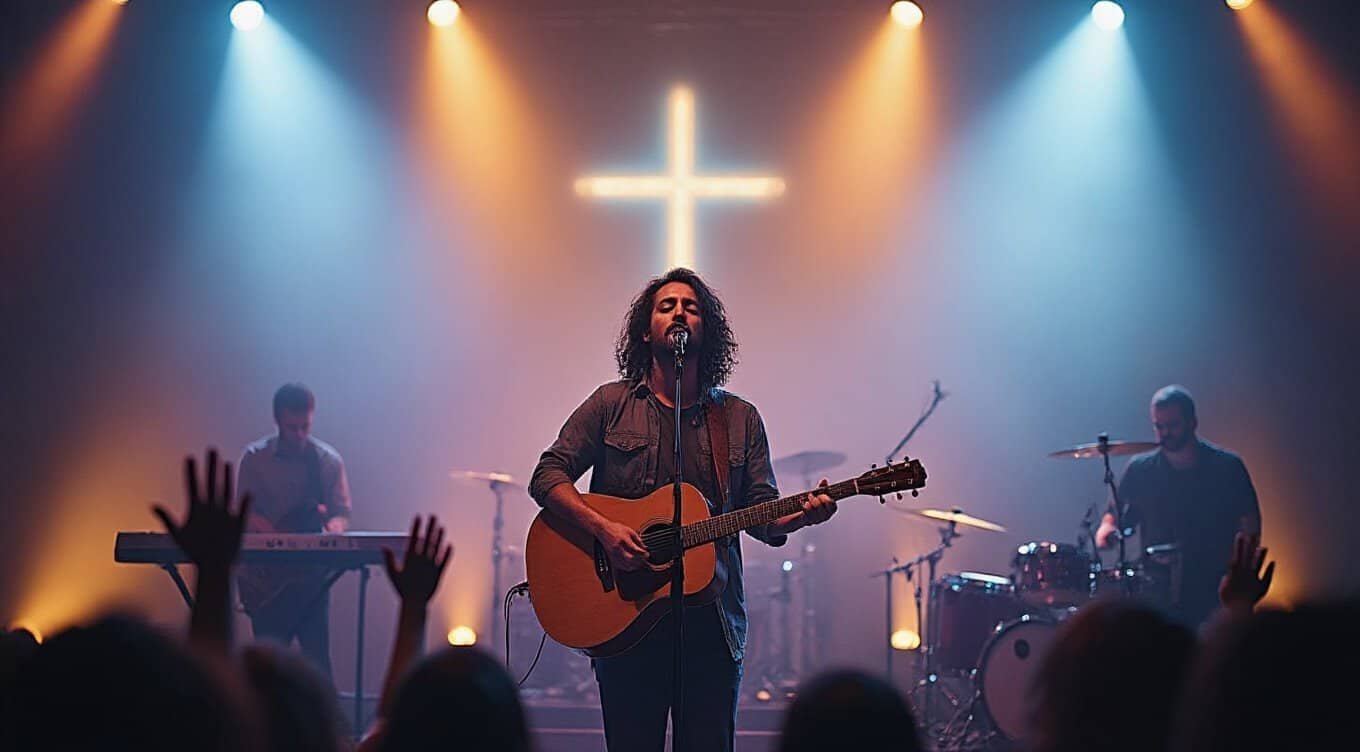
As contemporary worship continues evolving through 2025, you’ll notice that today’s defining anthems blend sophisticated harmonic progressions with accessible congregational melodies, creating arrangements that support both intimate reflection and corporate declaration.
You’ll find these anthems leverage extended chord voicings and modal interchanges while maintaining singable ranges for congregational participation. The arrangements typically feature strategic dynamics, moving from stripped-down verses to full-band choruses that accommodate both acoustic and electric instrumentation.
The lyrical depth in 2025’s anthems reflects theological sophistication, addressing complex themes like lament, social justice, and eschatological hope. You’ll observe that powerful melodies often employ wider intervallic leaps in the chorus sections, creating emotional peaks that enhance textual meaning.
Key characteristics include syncopated rhythmic patterns in 4/4 time signatures, strategic use of silence, and modular song structures allowing seamless transitions between worship segments. These elements combine to produce anthems that function effectively across diverse liturgical contexts.
Timeless Hymns That Continue to Inspire
While contemporary worship dominates many sanctuaries, you’ll discover that centuries-old hymns retain their congregational power through their meticulously crafted four-part harmonizations and theologically dense verses that withstand liturgical scrutiny.
You’ll find “How Great Thou Art” anchoring worship services through its ascending melodic progressions and doctrinal clarity. “Amazing Grace” continues delivering transformative moments when arranged with traditional SATB voicing, while “Be Thou My Vision” provides contemplative depth through its ancient Celtic modal structure.
These time honored traditions demand technical proficiency from worship leaders who understand their harmonic complexity. You’re engaging with compositions that feature sophisticated voice leading, requiring precise intonation and rhythmic discipline. Their enduring spirituality emerges through careful attention to dynamic contrasts and textual emphasis.
Modern arrangers successfully integrate organ accompaniment with contemporary instrumentation, preserving hymnic integrity while adapting to current worship contexts. You’ll appreciate how these selections maintain theological weight that transcends generational preferences.
Rising Artists Making Their Mark in Christian Music
You’ll notice today’s breakthrough worship leaders are restructuring traditional hymnal progressions with contemporary harmonic sophistication, creating accessible yet musically complex arrangements that serve both congregational singing and concert performance.
Fresh voices emerging from independent Christian labels are incorporating jazz-influenced chord extensions and modal interchanges that weren’t typically found in earlier praise music, while maintaining theological depth in their lyrical content.
Gospel’s next generation is particularly skilled at crafting transitions between bridge sections and choruses that build congregational participation through strategic key modulations and rhythmic displacement.
Breakthrough Worship Leaders
Innovation drives the contemporary Christian music landscape as emerging worship leaders reshape congregational expression through sophisticated arrangements and theologically rich compositions. You’ll notice breakthrough worship leaders implementing complex harmonic progressions, modular song structures, and dynamic instrumental layering that elevates congregational participation. These artists integrate classical elements with contemporary production techniques, creating standout artistic innovations that bridge traditional liturgical practices with modern worship sensibilities.
Their arrangements feature strategic key modulations, rhythmic complexity, and intentional space for congregational response. You’re witnessing worship leaders who understand both musical theory and pastoral theology, crafting songs that serve dual purposes: artistic excellence and spiritual formation. These emerging voices prioritize theological depth over commercial appeal, developing compositions that challenge musicians while remaining accessible to congregations seeking authentic worship experiences.
Fresh Voices Emerging
Dozens of emerging artists are establishing themselves through sophisticated harmonic vocabularies and liturgically informed songcraft that demonstrates deep understanding of congregational dynamics. You’ll notice these fresh voices integrating extended chords, modulations, and counter-melodies that elevate traditional praise structures while maintaining accessibility for corporate worship.
Artists like Katy Nichole and Ryan Ellis demonstrate authentic expressions through vulnerable lyricism paired with contemporary production techniques. Their arrangements feature layered vocal harmonies, strategic instrumental builds, and thoughtful dynamic contrasts that serve congregational participation rather than performance spectacle.
These newcomers bring diverse perspectives—spanning cultural backgrounds, musical training, and worship traditions—creating songs that reflect broader community experiences. You’re witnessing artists who prioritize theological depth alongside musical innovation, crafting pieces that function effectively in both intimate gatherings and large sanctuary settings through careful attention to melodic range and rhythmic accessibility.
Gospel’s Next Generation
A renaissance is reshaping gospel music as next-generation artists merge traditional spiritual foundations with contemporary harmonic sophistication and worship-centered arrangements. You’ll discover upcoming musical talents crafting intricate vocal harmonies that honor gospel’s call-and-response heritage while incorporating jazz-influenced chord progressions and contemporary instrumentation. These artists aren’t abandoning tradition—they’re expanding it through diverse artistic expressions that include neo-soul arrangements, orchestral elements, and innovative rhythm section dynamics.
These emerging artists balance reverence with innovation, ensuring gospel’s evolution maintains its theological depth while embracing modern production techniques and contemporary worship sensibilities. Their arrangements demonstrate technical proficiency in voice leading, harmonic substitutions, and dynamic builds that enhance spiritual engagement. You’re witnessing performers who understand liturgical context, creating music that serves both congregational worship and artistic excellence.
Powerful Ballads for Personal Reflection and Prayer
While contemporary worship often emphasizes corporate celebration, powerful ballads serve as essential vehicles for intimate spiritual encounter through their deliberate harmonic progressions and contemplative melodic structures. You’ll find these compositions utilize suspended chords, minor modulations, and extended harmonic voicings that create space for personal meditation.
When selecting ballads for devotional moments, you’re looking for songs with sparse instrumental arrangements that won’t compete with contemplative prayer. Devotional melodies typically feature stepwise motion, accessible vocal ranges, and repetitive choruses that allow for extended meditation on lyrical content. You’ll want to consider tempo markings between 65-75 BPM, which naturally align with reflective breathing patterns.
These intimate reflections work best with acoustic guitar foundations, subtle string arrangements, and minimal percussion. The liturgical function demands careful attention to lyrical theology and emotional trajectory, ensuring each verse builds contemplative depth rather than congregational energy. Strategic use of silence becomes equally important as melodic content.
Upbeat Praise Songs for Corporate Worship
When you’re selecting upbeat praise songs for corporate worship, you’ll want to prioritize arrangements that feature strong rhythmic foundations and accessible vocal ranges that encourage full congregational participation.
Modern worship anthems like “What a Beautiful Name” and “Good Good Father” combine theological depth with memorable melodies that translate effectively across diverse musical skill levels within your congregation. Your song selection should emphasize repetitive, singable choruses and dynamic builds that naturally facilitate corporate expression while maintaining liturgical reverence.
High Energy Worship Anthems
Because congregational energy directly correlates with musical momentum and rhythmic drive, high-energy worship anthems serve as essential catalysts for corporate praise experiences. You’ll find these arrangements feature high octane rhythms that propel congregations beyond passive participation into active engagement.
Strategic tempo markings between 140-160 BPM create optimal singing conditions while maintaining lyrical clarity.
Intense instrumentation anchors these anthems through driving drum patterns, syncopated bass lines, and layered electric guitars. You’re working with harmonic progressions that emphasize ascending melodic movement and strategic key modulations.
Effective arrangements utilize dynamic builds through instrumental layering, creating crescendos that mirror emotional intensity.
Contemporary examples like “Good Grace” and “Unstoppable God” demonstrate sophisticated arrangement techniques. You’ll notice counter-melodies in bridge sections and strategic breakdowns that maximize congregational impact during climactic choruses.
Congregational Sing-Along Favorites
As congregational participation forms the cornerstone of effective corporate worship, sing-along favorites require specific melodic and harmonic characteristics that facilitate mass vocal engagement. You’ll find these songs feature accessible vocal ranges, typically spanning an octave or less, with stepwise melodic movement and predictable chord progressions. Strategic repetition in choruses enables quick memorization while call-and-response sections encourage participation from hesitant singers.
Effective arrangements emphasize clear rhythmic patterns and moderate tempos around 120-140 BPM. You should prioritize songs with unified dynamics that prevent vocal strain during extended singing periods. These selections excel at community building through their inclusive design, fostering spiritual bonding as voices unite in worship. Simple harmonic structures allow instrumentalists of varying skill levels to participate, creating comprehensive musical engagement throughout your congregation.
Modern Uplifting Praise Hits
How do contemporary praise hits transform corporate worship through their distinctive rhythmic drive and expansive melodic architecture? You’ll discover these songs elevate congregational energy through strategic dynamic builds and syncopated patterns that naturally encourage physical engagement. Modern lyrical sensibility emphasizes declarative statements of faith rather than contemplative imagery, creating immediate emotional accessibility for diverse congregations.
The arrangement structure typically features extended instrumental introductions, allowing worship teams to establish rhythmic momentum before vocal entry. Emotive instrumental backdrops utilize layered synthesizers, driving bass lines, and precise percussion programming that supports rather than overwhelms vocal melodies. You’ll notice these compositions prioritize memorable hook sections and repetitive choruses that facilitate spontaneous congregational participation, making them exceptionally effective for large-scale worship environments where unified expression becomes the primary liturgical goal.
Cross-Generational Favorites Bridging Musical Traditions
When examining the musical landscape of contemporary worship, certain compositions transcend generational boundaries through their masterful blend of traditional hymnody and modern arrangement techniques.
Masterful compositions bridge generational divides by thoughtfully weaving classical hymnal elements with contemporary musical arrangements and modern worship sensibilities.
You’ll find these cross-generational favorites achieve their multigenerational appeal through strategic harmonic progressions that honor classical chord structures while incorporating contemporary rhythmic elements.
Songs like “In Christ Alone” and “How Deep the Father’s Love for Us” demonstrate this bridging effectively. Their melodic construction draws from hymnal traditions, yet you can arrange them across diverse musical styles—from acoustic folk to full orchestral treatments. The key lies in their strong theological content paired with accessible melodies.
You’ll notice successful cross-generational pieces feature predictable verse-chorus structures that younger congregants recognize, while maintaining the rich harmonic complexity older generations appreciate. Their arrangements typically layer traditional instruments like organ with contemporary elements such as electric guitars and drum kits, creating unified worship experiences.
Chart-Topping Christian Hits Spreading Gospel Messages
The commercial success of contemporary Christian music has fundamentally transformed how gospel messages reach mainstream audiences, with chart-topping hits serving as unprecedented evangelistic tools in secular markets. You’ll find that crossover tracks like “Oceans” by Hillsong United and “What a Beautiful Name” have achieved mainstream appeal through sophisticated production techniques and universal lyrical themes.
These arrangements utilize contemporary instrumentation—synthesizers, programmed drums, and cinematic orchestration—while maintaining theological integrity. You’re witnessing increasing cultural relevance as artists craft melodies that resonate beyond church walls.
The strategic placement of worship anthems on secular radio demonstrates how carefully constructed harmonic progressions and accessible chord structures can carry profound spiritual content to diverse audiences.
Chart success requires balancing liturgical authenticity with commercial viability. You’ll notice successful tracks employ dynamic builds, memorable hooks, and production values matching secular standards, proving that gospel messages can thrive within contemporary musical frameworks.
Frequently Asked Questions
How Do I Choose Appropriate Christian Songs for Different Worship Service Segments?
You’ll need strategic song selection based on each segment’s liturgical function and emotional arc. For worship planning, match opening songs with celebratory, declarative themes in major keys.
Choose introspective, minor-key pieces for confession segments. Select moderate-tempo songs for communion that emphasize Christ’s sacrifice. Arrange closing songs with ascending melodic lines and triumphant lyrics.
Consider congregation demographics, vocal ranges, and instrumental capabilities when finalizing your worship planning decisions.
What Are the Copyright Requirements for Using Christian Songs in Church Services?
You’ll need proper licensing to legally perform copyrighted Christian songs during worship services. Most churches require CCLI (Christian Copyright Licensing International) licenses covering streaming, recording, and congregational singing.
Song licensing fees vary based on your church’s size and usage scope. Contemporary worship arrangements typically need additional mechanical licenses for recordings. Traditional hymns often fall under public domain, eliminating licensing requirements entirely.
How Can I Find Sheet Music and Chord Charts for These Songs?
You’ll find comprehensive sheet music through online music repositories like CCLI, PraiseCharts, and WorshipTogether. These platforms offer multiple arrangements including lead sheets, full band charts, and vocal parts.
Chord chart databases such as Ultimate Guitar and Worship Chords provide simplified versions perfect for acoustic worship. Many publishers also offer transposable digital downloads with customizable instrumentation to match your worship team’s specific needs and skill levels.
Which Songs Work Best for Small Group Worship Versus Large Congregations?
You’ll want intimate, conversational songs for small group dynamics – think acoustic-friendly pieces with simple chord progressions and moderate vocal ranges.
Large congregation energy requires anthemic choruses, predictable structures, and keys that accommodate mass singing. Consider arrangement density: stripped-down instrumentation works for intimate settings, while fuller orchestrations with driving rhythms engage larger crowds. Match your song’s natural liturgical flow to your congregation size for optimal worship participation.
How Do I Incorporate Both Traditional and Modern Songs in Worship Planning?
You’ll need strategic worship planning strategies that blend eras seamlessly. Consider song selection considerations like key compatibility, thematic flow, and tempo transitions between traditional hymns and contemporary pieces.
Arrange modern versions of classic hymns or incorporate traditional choruses into current songs. Create musical bridges using similar chord progressions, and position familiar hymns after new songs to maintain congregational confidence and engagement throughout your service.
Conclusion
You’ll find these 2025 selections blend contemporary arrangements with proven liturgical structures. Notice how the harmonic progressions in newer worship anthems maintain traditional cadential patterns while incorporating modern voicings. When programming these songs, you’re balancing congregational accessibility with musical sophistication. The cross-generational appeal stems from careful arrangement choices—simplified chord structures for hymns, dynamic builds in contemporary pieces. You’re curating worship experiences that honor both heritage and innovation through strategic musical selection.









No Comments