

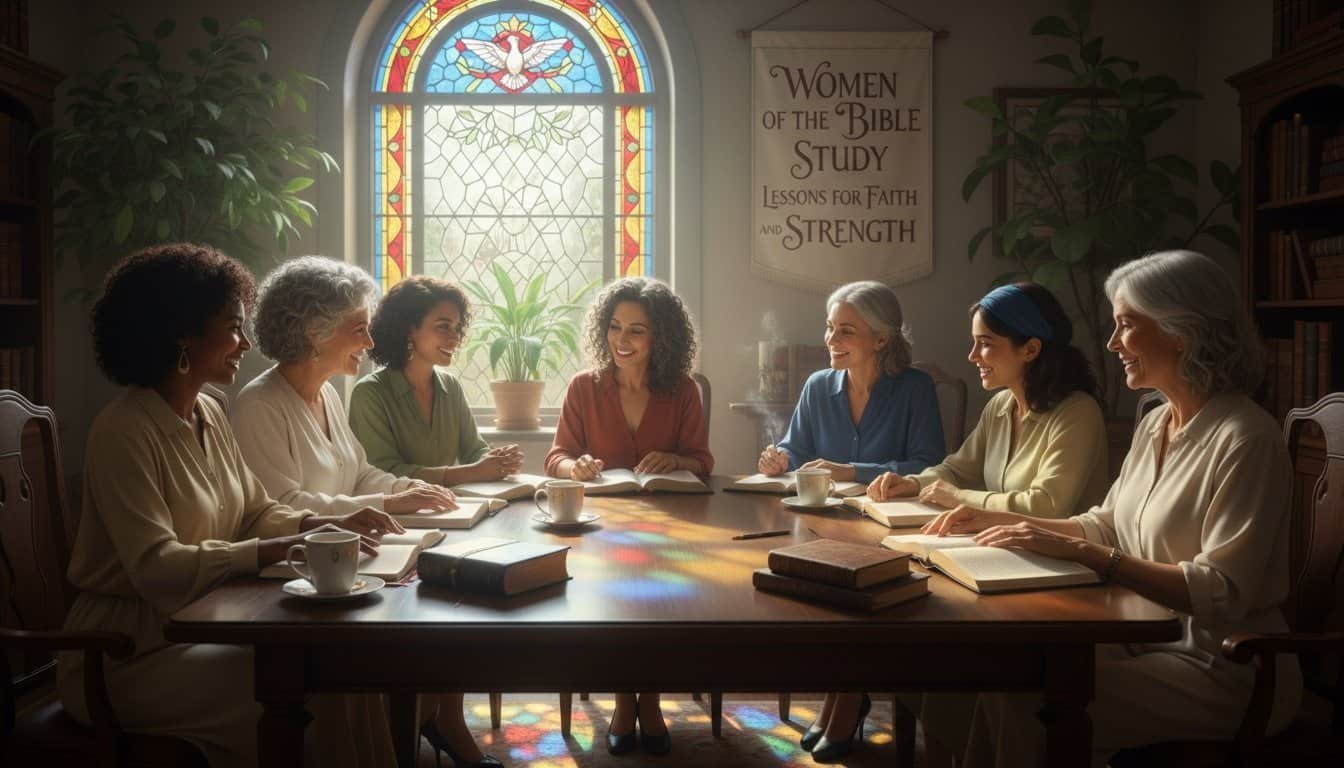
22 Apr Women of the Bible Study: Lessons for Faith and Strength
You’ll discover how Esther’s bold gamble, Deborah’s keen strategy, and Miriam’s triumphant song each model a different facet of courageous leadership that still matters. Their stories show how trust in God shapes tough choices, how redemption fuels purpose, and how worship and justice create lasting legacies. As you explore these patterns, you’ll see practical ways to embody truth‑driven courage and compassionate service in today’s challenges.
Table of Contents
What Courageous Leadership of Women in the Bible Inspires Today
How can the bold moves of biblical women shape your own leadership today? You see Esther stepping into the palace without invitation, trusting that her risk would protect her people. That courage teaches you to act when odds seem stacked against you.
Deborah’s blend of prophetic insight and tactical planning shows you how to combine vision with concrete strategy, while Jael’s swift, decisive action reminds you that sometimes a single bold move ends a crisis.
Huldah’s public validation of the Law illustrates the power of standing up for truth, even when it challenges authority.
Abigail’s calm negotiation with David demonstrates how diplomatic skill can avert violence and preserve relationships.
Each story invites you to embrace risk, listen for deeper purpose, act decisively, and lead with both heart and mind.
What Trustful Faith of Biblical Women Teaches Modern Decision‑Making?
From bold leadership to steadfast trust, the biblical women who placed their confidence in God offer a clear roadmap for today’s decisions. When Mary said “I am the Lord’s servant,” she modeled acceptance of unexpected plans, reminding you to welcome uncertainty with humility.
Ruth’s pledge to “where you go I’ll go” shows that loyalty to a purpose can outweigh personal risk, guiding you to align choices with deeper commitments.
Hannah’s relentless prayers teach you to persist through doubt, trusting that perseverance shapes outcomes beyond immediate sight.
Abraham’s belief that descendants would become a great nation illustrates that faith can stretch beyond current evidence, encouraging you to pursue long‑term vision despite present limitations.
Sarah’s laughter turned into belief when she embraced God’s promise despite barrenness, demonstrating that humor and hope can coexist in decision‑making.
What Acts of Redemption Reveal Women’s Divine Purpose in Scripture?
When you examine the acts of redemption performed by women in Scripture, you see a clear pattern: each story reveals a divine purpose that transcends personal circumstance. Jochebed’s bold concealment of Moses saved a future deliverer, while Rahab’s risky sheltering of spies secured her family’s survival and earned her a place in the Messiah’s lineage. Mary Magdalene’s fearless proclamation of the resurrection affirmed the gospel’s truth, and Tamar’s relentless pursuit of justice preserved Judah’s line, ensuring the promised king would arise. Priscilla’s diligent teaching clarified doctrine, protecting the early church from error. These women acted not out of self‑interest but as instruments of God’s redemptive plan, turning dangerous situations into pivotal turning points. Their stories invite you to recognize that redemption often requires courage, obedience, and faith, and that God can work through you to shape history and fulfill His eternal purpose.
What Women’s Worship and Justice Advocacy Build a Lasting Legacy?
What if you considered how worship and justice intertwine in the lives of biblical women? You see Miriam leading a triumphant song after the Red Sea, turning gratitude into communal identity. You notice Deborah’s prayer‑filled hymn in Judges 5, which both celebrates victory and calls Israel to uphold God’s law. Their worship isn’t private; it fuels advocacy. Shiphrah and Puah defied Pharaoh’s decree, protecting infants while trusting God’s mercy. The daughters of Zelophehad petitioned Moses for inheritance rights, blending reverence with legal reform. Esther’s fasting and prayer prepared her bold request to King Xerxes, halting genocide. When you emulate their pattern—worship that sharpens conscience and justice that reflects divine love—you build a legacy that endures beyond your generation, shaping communities that honor God and protect the vulnerable.
Frequently Asked Questions
How Did Cultural Context Shape Each Woman’s Choices?
You see that each woman acted within her society’s expectations and limits, turning constraints into opportunities. Esther risked royal protocol because Persian court politics demanded boldness; Deborah wielded her prophetic status in a tribal war‑culture; Abigail navigated patriarchal honor codes to avert bloodshed. Mary accepted divine summons amid a modest, obedient woman’s role; Ruth defied widowhood norms to claim loyalty. All their choices reflect how cultural pressures shaped, yet didn’t imprison, their faith‑driven actions.
What Common Traits Link These Women Across Different Eras?
You’ll see that each of them shows fierce courage, unwavering faith, and a willingness to act for others. They trust God’s promises, step into leadership despite risk, and use their gifts to protect, redeem, or inspire their communities. Their stories reveal resilience, humility, and a bold commitment to justice and worship that transcends time and circumstance.
Are There Modern Women Who Mirror These Biblical Examples?
You’ll find modern women echoing those biblical traits: Malala Yousafzai’s courageous leadership mirrors Esther’s risk‑taking; Dr. Kizzmekia Corbett’s scientific breakthroughs reflect Deborah’s strategic insight; Mother Teresa’s selfless service parallels Ruth’s loyal devotion; Greta Thunberg’s relentless advocacy for climate justice recalls Shiphrah and Puah’s defiance; and Pastor Nadia Bolz-Weber’s inclusive worship embodies Miriam’s celebratory song. Each demonstrates faith, strength, and impact in today’s world.
How Can These Stories Guide Personal Leadership Development?
You can let Esther’s bold risk, Deborah’s strategic vision, and Mary’s obedient trust shape your leadership style. Adopt Esther’s willingness to approach authority, Deborah’s blend of guidance and planning, and Mary’s acceptance of uncertain calls. Use Abigail’s diplomatic tact and Hannah’s persistent prayer as tools for conflict resolution and perseverance. By modeling these traits, you’ll develop courageous, faithful, and compassionate leadership that inspires others.
What Biblical Passages Support Women’s Roles in Church Leadership?
You’ll find biblical support for women’s leadership in Deborah’s prophetic role (Judges 4‑5), where she judges and leads Israel; in Miriam’s leading of worship (Exodus 15:20‑21); in Priscilla’s teaching Apollos (Acts 18:24‑28); in Phoebe’s deaconship (Romans 16:1‑2); and in Mary’s anointing of Jesus (John 12:3).
These passages illustrate women exercising authority, teaching, and spiritual stewardship within the community.
Conclusion
You’ve seen how Esther’s bravery, Deborah’s wisdom, Miriam’s song, and Rahab’s protection show that true leadership blends courage with compassion. Their trust in God guides modern decisions, while their acts of redemption reveal a divine purpose that transcends time. By embracing their worship and justice, you can build a lasting legacy of hope, safeguarding the vulnerable and inspiring resilient communities for generations to come.











No Comments