


18 Apr How to Understand Why Moses and Elijah Appeared
You see Moses and Elijah at the Transfiguration because they stand for the two halves of the Old‑covenant: Moses represents the Law and Elijah the prophetic call for repentance. Their appearance signals that Jesus fulfills both streams, confirming him as the promised Messiah. The voice from the cloud declares, “This is my Son,” urging you to listen to him above all other authority. The radiant cloud and light echo Sinai’s divine presence, underscoring Jesus’ heavenly authority. If you keep exploring, you’ll discover even deeper layers of meaning.
Table of Contents
Transfiguration of Jesus: Fulfillment of Law & Prophecy
When you read the Transfiguration, you see Moses and Elijah standing beside Jesus, a vivid illustration that He fulfills both the Law and the Prophets. Their arrival signals that the covenant history reaches its climax in Christ.
You notice the cloud’s voice declaring, “This is my Son, whom I love,” echoing the divine endorsement given to Moses at Sinai and to the prophetic tradition. The scene links Jesus’ teaching to the Torah and Elijah’s prophetic fire, confirming that He’s the promised Messiah who embodies both roles.
You also sense the continuity of salvation: the Law and the Prophets aren’t abandoned but brought to fulfillment in one person. This revelation strengthens the disciples’ faith, prepares them for the upcoming passion, and assures you that the ancient promises now stand fulfilled in Christ’s glorious person.
Jewish Messianic Expectations and Moses & Elijah
What did first‑century Jews expect from a new Moses and a returning Elijah? You’d hear them cite Deuteronomy 18:15, hoping a fresh Moses would restore the Law’s authority, and Malachi 4:5‑6, yearning for Elijah to herald the final day. Those hopes weren’t abstract; they shaped daily prayers, messianic debates, and the way crowds read Jesus’ ministry. When the transfiguration shows Moses and Elijah beside Jesus, you recognize the narrative’s deliberate answer: He embodies both covenant streams. Moses’ presence validates Jesus as the ultimate Law‑giver, while Elijah’s return signals the prophetic fulfillment that will precede the Kingdom’s arrival. This dual witness satisfies the “new Moses” and “returning Elijah” expectations, reinforcing that the Messiah wouldn’t discard the Old Covenant but complete it. Consequently, the scene reassures believers that Jesus fulfills the very hopes that animated their worship and expectation.
What the Cloud’s Voice Says About Jesus?
How does the cloud’s voice define Jesus? You hear it declare, “This is my Son, whom I love; listen to Him.” The proclamation does three things. First, it identifies Jesus as the Son, a title that surpasses any human messianic claim and ties Him directly to the Father’s authority. Second, the phrase “whom I love” signals divine approval, confirming that the mission you witness isn’t merely prophetic but rooted in love and purpose. Third, the command to “listen” forces the disciples—and you—to prioritize His teaching over all else, even the law and the prophets represented by Moses and Elijah. By using a cloud—an ancient symbol of God’s manifest presence—the voice links the transfiguration to Sinai, showing that the same divine power now speaks through Jesus, affirming His role as the fulfillment of covenant promises.
How Cloud and Light Reveal Divine Authority
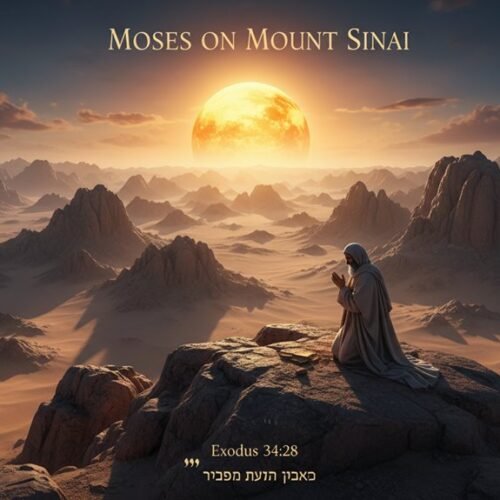
Through the cloud’s radiant glow, the transfiguration instantly signals divine authority: the cloud, echoing Sinai’s glory, envelops Jesus in a heavenly veil, while the dazzling light that clothes Him outshines Moses’ tablet and Elijah’s fire, leaving no doubt that the presence before the disciples is the same power that once spoke from the mountain.
You notice the cloud’s movement pauses as a voice declares, “This is My Son, whom I love; with Him I’m well pleased.” The voice, reverberating from the cloud, ties Jesus to the ancient covenant, confirming He’s the fulfillment of law and prophecy.
The light surrounding Him transforms ordinary garments into radiant splendor, visually proclaiming His divine nature.
As you watch, the brilliance overwhelms the surrounding darkness, making the supernatural reality unmistakable.
This interplay of cloud and light lets you perceive authority that transcends human expectation, anchoring the disciples’ faith in a visible, heavenly testament.
Moses’ Staff & Elijah’s Mantle: Symbolic Meaning
Ever notice how Moses’ staff and Elijah’s mantle instantly signal distinct aspects of divine authority? You see the staff, a wooden rod that split the sea and struck down rebels, representing the Law’s power to command, judge, and protect.
When it appears beside Jesus, it reminds you that the covenant’s legal foundation is still active, now fulfilled in Him.
Elijah’s mantle, a fire‑splashed cloak, drapes his prophetic fire. prophetic spirit, and the promise of a coming for. Its fluttering in the wind signals the prophetic voice that calls for repentance and prepares the way for the Messiah.
Together, the staff and mantle create a visual shorthand: the Law and the Prophets standing with Christ, confirming He’s the convergence point of both.
This symbolism lets you grasp why the transfiguration isn’t a mere spectacle but a theological statement about authority, continuity, and fulfillment.
Early Church Fathers on the Transfiguration
The imagery of Moses’ staff and Elijah’s mantle already hints at the theological weight the early Fathers saw in the Transfiguration, and they quickly move beyond visual symbolism to doctrinal affirmation. You’ll notice Chrysostom insisting that the two figures validate Jesus’ authority over Law and Prophets, silencing blasphemy accusations. Augustine reads the scene as a preview of the Resurrection, linking the radiant garments to the glory awaiting believers. You also encounter John of Damascus emphasizing the cloud’s voice as the divine proclamation “My Son,” confirming Christ’s unique Sonship. The Fathers consistently interpret the mountain setting as a new Sinai, where the old covenant meets its fulfillment. By stressing continuity, they equip you with a framework that sees the Transfiguration not merely as a miracle but as a pivotal theological statement anchoring early Christian belief.
Frequently Asked Questions
Did the Disciples Recognize Moses and Elijah Before the Transfiguration?
You didn’t fully recognize them at first; the mountain’s brilliance clouded your perception.
When Jesus’ radiance intensified, you saw Moses and Elijah, yet their identities struck you only after the voice from the cloud affirmed Jesus as the Son.
The Gospel writers note your confusion, then describe how the revelation clarified their presence as law and prophetic witnesses to Christ’s fulfillment.
Why Does the Transfiguration Occur on a “High Mountain” Specifically?
You see the high mountain as a symbolic summit where heaven meets earth, echoing Sinai’s revelation and the Jewish tradition of sacred peaks.
By placing the transfiguration there, you emphasize divine authority, illuminate Jesus’ glory, and link Moses and Elijah’s law‑and‑prophet roles to the ultimate fulfillment in Christ.
This setting dramatizes the transition from earthly ministry to heavenly destiny, underscoring the event’s theological weight.
How Does the Transfiguration Relate to Jesus’ Later Ascension?
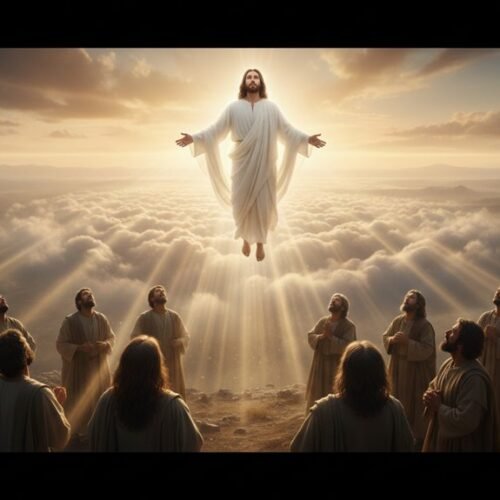
You see the transfiguration as a preview of Jesus’ ascension. By revealing His divine glory alongside Moses and Elijah, it confirms His authority over law and prophecy, foreshadowing His return to the Father. The voice from the cloud pronounces Him “My Son,” echoing the heavenly affirmation that will be completed when He ascends, takes His place at God’s right hand, and sends the Spirit to the disciples.
What Is the Significance of Peter’s “Three Tabernacles” Comment?
You see Peter’s “three tabernacles” as a symbolic link to Jewish worship: the tabernacle, the temple, and the future heavenly sanctuary.
By naming them, he’s saying that Jesus, Moses, and Elijah together fulfill the old covenant’s worship spaces, pointing to a new, divine dwelling.
This underscores that the transfiguration isn’t just a miracle but a theological proclamation of God’s ongoing, fulfilled presence.
Did Early Jewish Leaders View the Transfiguration as a Threat?
You’ll find that early Jewish leaders didn’t see the transfiguration as a direct threat; they viewed it as a theological claim that challenged their expectations.
By presenting Moses and Elijah beside Jesus, the event implied that He fulfilled both Law and Prophecy, which undermined the authority of the religious elite.
Their reaction was more about protecting tradition than fearing a supernatural danger.
Conclusion
You now see that the Transfiguration isn’t a random spectacle but a purposeful bridge linking Israel’s past to Christ’s present. Moses and Elijah embody the Law and the Prophets, and their appearance confirms Jesus as the promised Messiah. The cloud’s voice, the radiant light, and their symbols all point to divine authority. Together, they seal the fulfillment of prophecy and invite you to recognize Jesus as the ultimate fulfillment of God’s covenant.







No Comments