

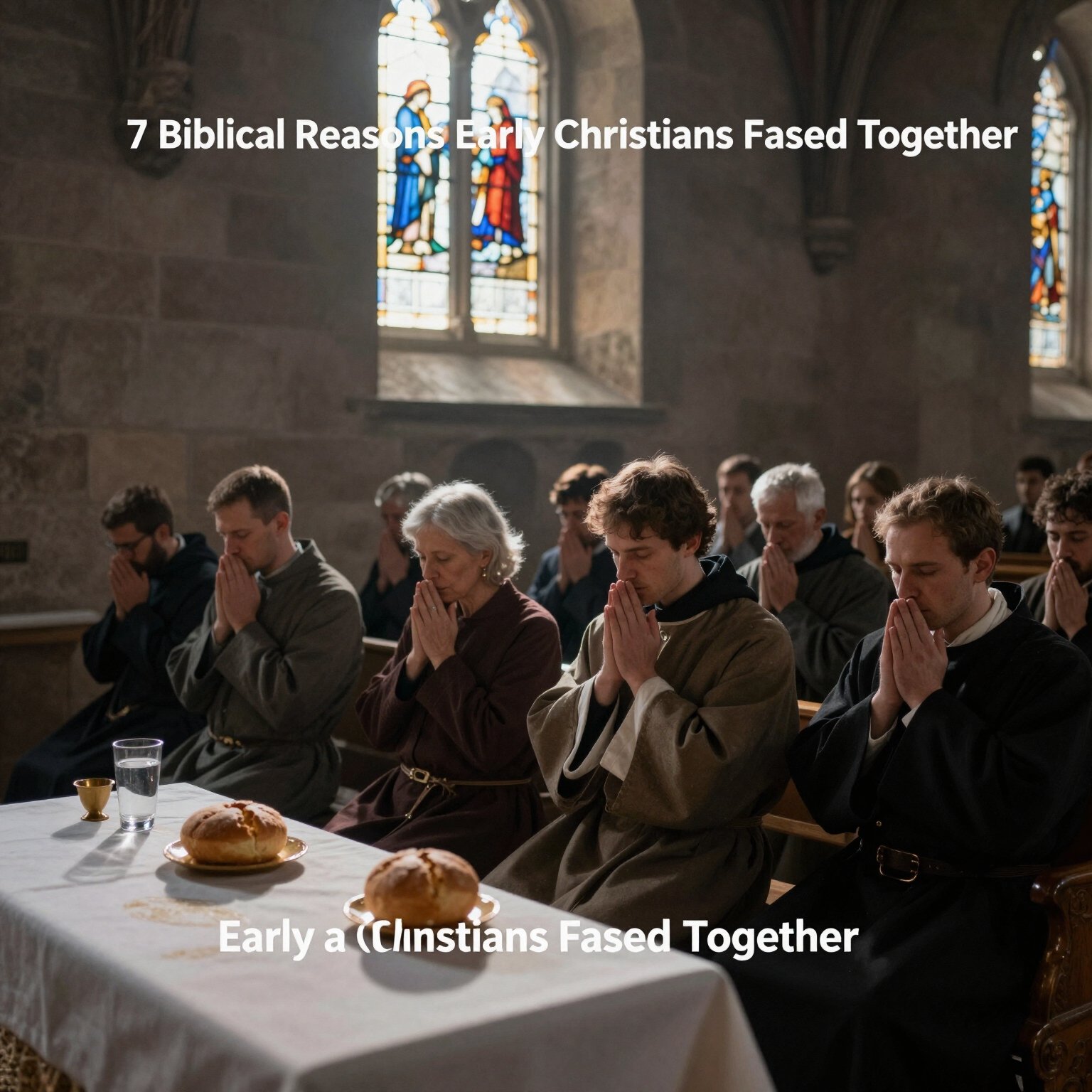
29 Apr 7 Biblical Reasons Early Christians Fasted Together
You’ll see that early Christians fasted together to hear God’s direction, repent as a community, arm themselves for spiritual battle, forge deep unity, empower missionary outreach, align with liturgical seasons, and follow a clear step‑by‑step corporate fast. Their shared denial of food created a tangible rhythm that sharpened prayer, broke down barriers, and invited the Holy Spirit’s guidance. If you keep going, you’ll discover how to apply these biblical reasons today.
Table of Contents
Corporate Fasting for Missionary Guidance
Why does the early church fast together before sending missionaries? You see, fasting creates a shared dependence on God, aligning the community’s heart with His will. In Acts 13:2‑3 the believers gathered, prayed, and fasted, then the Holy Spirit directed them to commission Paul and Barnabas. That joint discipline ensured the mission stemmed from divine guidance, not personal ambition.
When you fast corporately, you quiet distractions, invite the Spirit’s clarity, and demonstrate unity to the sending church and the people you’ll reach. The practice also signals humility, showing that success depends on God’s provision. By entering a fast together, you collectively pray for protection, boldness, and receptive hearts in the target region. This shared spiritual preparation fuels confidence, strengthens accountability, and mirrors the early believers’ pattern of seeking God’s direction before stepping into the unknown.
Corporate Fasting as a Tool for Repentance
How does a community’s collective fasting deepen its repentance? When you gather with believers and deny your appetite, you create a physical reminder that your soul is hungry for forgiveness. The shared hunger turns personal remorse into a corporate confession, echoing Acts 2:37‑38 where the early church confessed sin together. You’ll notice that fasting quiets chatter, allowing the Holy Spirit to illuminate hidden faults. As you pray in unison, the group’s humility amplifies each individual’s contrition, mirroring Revelation 3:19’s call to “repent and fast.” The practice also aligns you with Scripture’s pattern of confession through fasting, such as 1 John 1:9. By fasting together, you embody the church’s identity as a single body seeking restoration, not just isolated believers. This collective discipline strengthens accountability, deepens empathy, and moves the whole congregation toward genuine, transformative repentance.
Prepare for Spiritual Warfare Together
Ever wondered what it feels like to stand united against unseen forces? When you fast with your brothers and sisters, you sharpen spiritual senses and brace for battle. Scripture shows Jesus withdrew to Gethsemane, fasting before the crucifixion, and the early church mirrored that preparation. By denying flesh, you heighten prayer, allowing the armor of God—truth, righteousness, faith—to settle more securely. Fasting also steadies your mind, helping you resist the devil’s lies as Peter warns in 1 Peter 5:8‑9. As you and the fast with the community, you share a collective declaration that evil won’t prevail. The shared discipline creates an invisible shield, binding hearts and minds in a common purpose. When you rise from the fast, you’re not just refreshed; you’re strategically positioned, ready to confront spiritual attacks together, confident that God’s power works through your united surrender.
How Corporate Fasting Builds Unity
When the church gathers to fast, you instantly feel a shared pulse that transcends individual prayer. The collective denial of food creates a tangible rhythm, aligning hearts and minds toward a common purpose. As you sit beside fellow believers, the silence becomes a language of unity, each breath echoing the same dependence on God. This shared discipline mirrors the early church’s practice in Acts 12:5, where the community fasted for Peter’s release, forging solidarity in crisis. You notice that hunger sharpens awareness of one another’s needs, prompting spontaneous encouragement and confession. The mutual sacrifice breaks down personal barriers, replacing them with a collective identity rooted in Christ. When the fast ends, the joy you experience isn’t merely personal relief but a communal celebration of God’s faithfulness, reinforcing the bond that holds the body of believers together.
Supporting Missionary Outreach Through Corporate Fasting
The unity you felt in corporate fasting naturally extends to the church’s missional pulse, turning shared hunger into a strategic prayer weapon for outreach. When you gather, pray, and deny yourself together, you echo Acts 13:2‑3, where the early church fasted before sending missionaries to Cyprus. That collective discipline signals dependence on God, sharpening focus for the task ahead and inviting divine favor.
You can model this by scheduling a fast before any evangelistic campaign, mirroring the Macedonian call in Acts 16:13‑14. The community’s prayerful silence creates a spiritual atmosphere that prepares hearts for the gospel. As you fast, you also confess sins (Acts 2:37‑38) and repent, aligning the church’s character with the message you carry. This unified posture fuels courage, clarity, and perseverance, turning each missionary effort into a coordinated, Spirit‑empowered advance.
Why Churches Fast During Liturgical Seasons
Why do churches fast during liturgical seasons? You join the rhythm of worship, letting the calendar shape your spiritual focus. In Advent, you heighten anticipation of Christ’s coming; in Lent, you echo Jesus’ 40‑day desert walk, sharpening repentance and self‑discipline. Pentecost calls you to prepare for the Holy Spirit’s outpouring, while Holy Week draws you into the mystery of suffering and resurrection. These fasts create a communal pause, aligning hearts with biblical patterns and reminding you that sacred time isn’t just a schedule—it’s a covenantal invitation. By denying physical cravings, you open space for prayer, confession, and deeper listening to God’s voice. The season’s themes become lived experience, not abstract doctrine. Ultimately, seasonal fasting unites the congregation, deepens personal devotion, and mirrors the early church’s practice of marking holy moments with disciplined, collective prayer.
Step‑by‑Step Guide to Corporate Fasting
If you’re ready to lead your congregation into a shared fast, start by setting a clear purpose and timeline so everyone knows why and how long the fast will last.
- Define the goal – choose a biblical focus (e.g., unity, mission, repentance) and articulate it in a brief announcement.
- Select dates – pick a start and end day that fit your church calendar; keep it realistic (3‑7 days).
- Communicate expectations – explain what counts as fasting (food, media, leisure) and how to handle health concerns.
- Prepare resources – provide Scripture passages (Acts 12:5, Luke 22:39‑44), prayer guides, and a simple schedule.
- Kick‑off gathering – hold a brief worship service to pray, read the chosen texts, and commit together.
- Daily check‑ins – post short reflections or virtual meet‑ups to share struggles and encouragement.
- Close with celebration – end with a communal meal, testimony time, and thanksgiving prayer, reinforcing the fast’s impact.
Frequently Asked Questions
Do Fasting Practices Differ Between Denominations?
Yes, fasting practices differ between denominations. You’ll find Catholics observe Lenten abstinence and sometimes whole‑day fasts, while many Protestants view fasting as a personal, optional discipline.
Eastern Orthodox churches often hold strict, communal fasts with specific food restrictions.
Pentecostal and charismatic groups may fast spontaneously for prayer or healing, and some evangelical churches limit fasting to occasional corporate events.
Each tradition tailors its frequency, duration, and purpose to its theological emphasis.
Can Children Participate in Corporate Fasting?
Yes, you can involve children in corporate fasting, but keep it age‑appropriate and gentle. Let them join the prayer time, explain the purpose, and let them fast partially—perhaps skipping a snack or limiting treats—rather than abstaining fully. Emphasize the spiritual focus, not the deprivation, and ensure they stay healthy, hydrated, and supervised. This way they experience community and discipline without risking their well‑being.
How Long Should a Corporate Fast Typically Last?
You should aim for one to three days, depending on your goal and community capacity. A 24‑hour fast lets newcomers participate without strain, while a 48‑hour period deepens prayer and unity.
Some churches extend to 72 hours for special seasons or mission launches, but keep it manageable, provide support, and ensure everyone can safely join.
Adjust length based on health, leadership guidance, and the spiritual focus you’re pursuing.
What Foods Are Traditionally Avoided During a Fast?
You’ll skip meat, dairy, and rich foods—especially anything that feels indulgent. Many also avoid sweets, alcohol, and processed snacks.
Some traditions cut out grains or legumes, while others limit only heavy meals, opting for simple broth, fruit, and water.
The goal is to eliminate pleasures that distract you, keeping the diet plain, modest, and focused on spiritual discipline.
Is Fasting Required for All Church Members?
No, fasting isn’t mandatory for every member. You can choose to fast when you feel it deepens your prayer life or aligns with a specific season, but the New Testament presents it as a voluntary discipline, not a universal command.
Churches often encourage communal fasts for unity or mission, yet they also respect individual convictions, allowing those who can’t or don’t want to fast to participate through prayer, generosity, or other spiritual practices.
Conclusion
By fasting together, you tap into a biblical tradition that sharpens your focus, deepens repentance, and strengthens unity. This shared discipline fuels missionary work, equips you for spiritual battles, and aligns your church with God’s seasonal rhythms. Embrace corporate fasting as a powerful, collective prayer that transforms hearts, builds community, and advances the kingdom.









No Comments