

21 Apr Eve Was the First Woman Created by God From Adam’s Rib
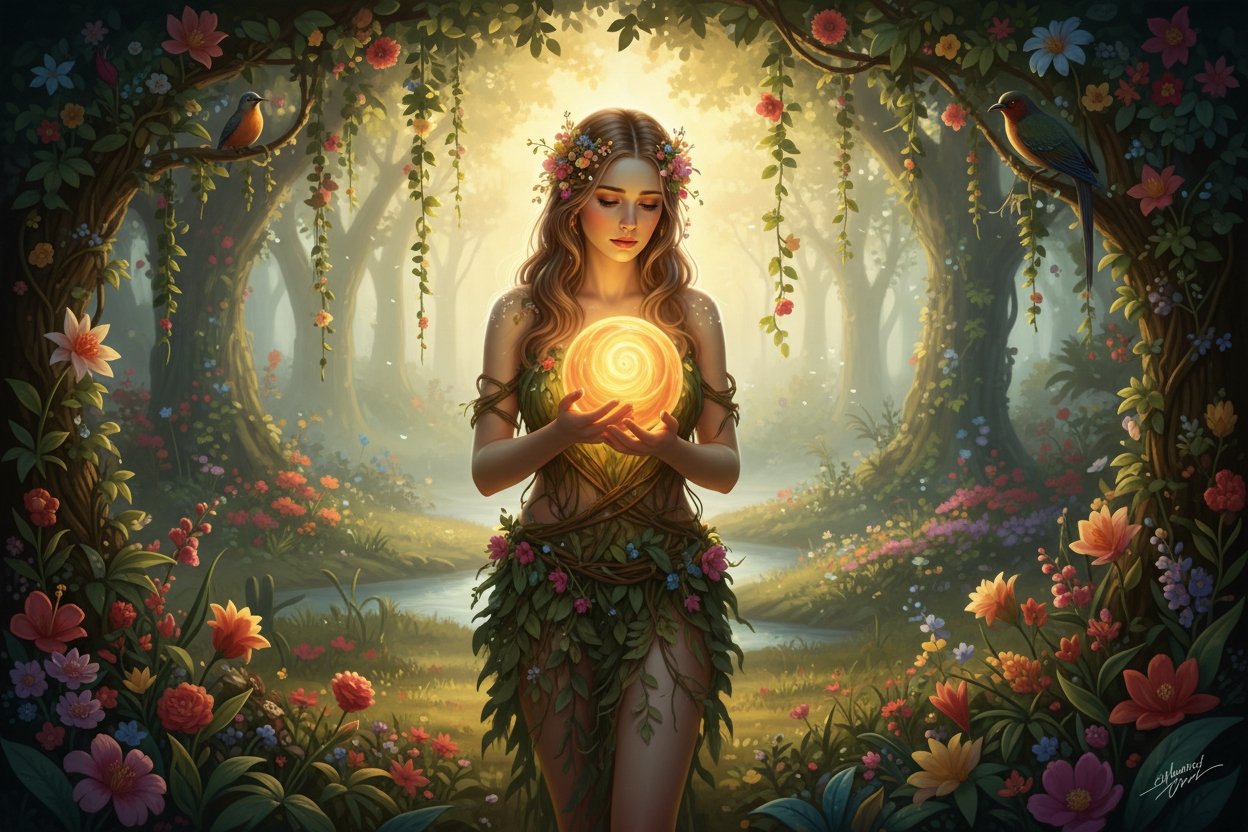
Eve was the first woman, uniquely created by God from Adam’s rib, making her an essential part of the story of humanity from the very beginning. As the first woman in the Bible, Eve lived with Adam in the beautiful Garden of Eden, a place filled with peace, abundance, and direct fellowship with God. Her creation highlights the special relationship between man and woman, as well as God’s intentional design for companionship and unity.
Table of Contents
In the Garden of Eden, Eve experienced a life free from pain and struggle, surrounded by everything she needed. However, her story also takes a pivotal turn when she disobeyed God by eating the forbidden fruit, an act that introduced sin into the world. This moment is one of the most significant events in biblical history, often referred to as the Fall, and it changed the course of human existence.
How Eve Was Formed From Adam’s Rib
The Genesis account tells you that God took a rib from Adam’s side while he slept, closed the wound, and fashioned a woman—Eve—who became his “helper suitable” (ezer ke‑negdo).
You picture the quiet garden, the soft rustle of leaves, and the divine hand shaping flesh from bone.
This act isn’t a casual detail; it signals that Eve shares Adam’s substance, his very material foundation.
By extracting a rib—a part that protects the heart—you’re reminded that her purpose is to stand beside him, not beneath him.
The narrative emphasizes intimacy: she’s “bone of his bones, flesh of his flesh,” underscoring a unity that transcends mere creation.
As you reflect, you see the rib as a symbol of partnership, a reminder that humanity’s first relationship was designed for mutual support and shared destiny.
Eve’s Origin in Genesis: An Overview
Where does Eve’s story begin? You encounter her in Genesis 2, right after God fashions Adam from dust and settles him in Eden. The text says God “took one of his ribs” and made a “helper suitable,” naming her Eve, from the Hebrew for “living one.” This rib‑origin emphasizes partnership: she’s “bone of his bones, flesh of his flesh,” a companion meant to share life’s work. The narrative blends Yahwist and Priestly strands, giving theological depth to the creation order. You see the garden’s lush setting, the river that waters it, and the command not to eat from the tree of knowledge. Eve’s introduction isn’t just a footnote; it establishes the human family’s foundation, linking her directly to Adam’s lineage and to the broader covenant God initiates with humanity. Her origin sets the stage for the unfolding story of choice, responsibility, and divine grace.
The Forbidden Fruit: How Eve’s Choice Altered Humanity
Having seen how Eve entered the scene as Adam’s companion, you now confront the moment she reaches for the forbidden fruit. The tree stands at Eden’s heart, its branches promising knowledge. When the serpent whispers, you feel the tug of curiosity and the thrill of defiance. You watch Eve’s hand grasp the fruit, bite into its flesh, and instantly sense a new awareness—she perceives nakedness, moral distinction, and the weight of choice. That single act reshapes humanity: it introduces the capacity for self‑judgment, the awareness of good versus evil, and the impulse to question divine command. You realize that her decision fractures the original innocence, planting the seed of longing for understanding and the inevitability of error. In that instant, the human story pivots from passive obedience to active moral agency, forever altering the trajectory of all who follow.
Immediate Consequences of the Fall for Adam and Eve
Why does the world feel suddenly heavier after the bite? You notice the ground beneath your feet shifting; God’s curse now makes the soil resist, demanding sweat for every seed you plant. The once‑effortless harvest turns into laborious toil, and you realize that death will claim your body, returning you to dust. Eve, you feel a sharp sting in childbirth—pain that will echo through every generation of women. Both of you stand naked, embarrassed by your new awareness of skin, and God clothes you in animal skins, a reminder that you have lost the simple, protective foliage of the garden. The serpent slithers away, cursed to crawl, while you hear the divine decree that you must leave Eden, barred from the tree of life. This expulsion forces you into a world where survival depends on hard work, suffering, and the constant awareness of your broken relationship with God.
Eve’s Hope of Redemption After the Fall
How can you, Eve, still cling to hope amid the curses that now bind you? You feel the sting of pain in childbirth, the weight of toil, and the shame of nakedness, yet the promise of redemption flickers beneath the gloom. God’s provision of animal skins shows He cares even after judgment, hinting that mercy isn’t extinguished. The seed you’ll bear will become the lineage through which the promised Savior will arise, reversing the curse. Trust that the “helper” you’re called to will one day be a partner in restoration, not just a companion in labor. Remember the serpent’s defeat foretold in later prophecy; the same God who expelled you’ll also open the way back to life. By nurturing faith in the future Deliverer, you transform your grief into a steadfast hope that the world will be healed through grace.
Frequently Asked Questions
What Was the Original Name of the Garden of Eden?
You’ll find that the Bible never gives the garden a proper name; it’s simply called “the garden of Eden.” The Hebrew word “Eden” (עֵדֶן) means “delight” or “pleasure,” so the place is identified by its function rather than a personal title.
In Genesis the location is described as a lush, divinely appointed orchard, but no other name appears in the text.
Did Adam and Eve Have Any Siblings Before Their Children?
You won’t find any siblings for Adam or Eve in the Bible; they’re presented as the sole first humans. Scripture only mentions their sons—Cain, Abel, and later Seth—and “other sons and daughters” after those births, implying no earlier brothers or sisters.
How Long Did Eve Live According to Biblical Records?
You won’t find a specific age for Eve in Scripture; the Bible only records Adam’s lifespan—930 years—while Eve’s years remain unmentioned. Since the genealogies focus on their descendants, you can infer that Eve lived long enough to bear Cain, Abel, and Seth, but the text never gives an exact figure. Therefore, biblical records don’t provide a precise number for Eve’s age at death.
What Species of Animal Provided the Serpent’s Voice?
You’ll find that the Bible never names a specific animal for the serpent’s voice; it simply describes the creature as a “serpent” (Hebrew *nachash*) that speaks, implying a supernatural ability rather than a natural species.
The text treats the serpent as a unique, cunning being, not as a particular animal’s vocal organ, so any animal‑based explanation remains speculative.
Is There Evidence of Other Humans Besides Adam and Eve in Early Genesis?
You’ll find that Genesis mentions “other sons and daughters” (Genesis 5:4), implying people beyond Adam and Eve.
The genealogies trace lineage through Seth, but they also hint at a broader population, especially when the narrative moves to Cain’s city (Genesis 4:17).
Scholars argue these verses suggest a pre‑existing community, though the text never names them directly, leaving the evidence indirect and brief.
Conclusion
Now you see how Eve, forged from Adam’s rib, sparked humanity’s story. Her choice in the garden set the stage for both loss and longing, yet it also opened the path to redemption. By confronting the consequences of that first disobedience, you recognize the enduring need for divine mercy—a mercy that promises hope and restoration for all who follow her legacy.








No Comments