

03 Mar Top 10 African Palm Sunday Cultural Traditions
African Palm Sunday celebrations are a vibrant tapestry of traditional customs. You’ll find intricate palm weaving, rhythmic processions, and celebratory feasting that’s been passed down for generations. Palm fronds symbolize victory and renewal, representing Christ’s entry into Jerusalem. Elders teach the youth, ensuring mastery of each nuanced ritual. From Ethiopia’s woven crosses to Ghana’s blessed leaf distribution, regional variations showcase Africa’s diverse Christian heritage. If you’d like to delve deeper, you’ll discover how these time-honored traditions have endured.
Table of Contents
Key Takeaways
- Palm fronds are blessed and imbued with spiritual significance during consecration rituals, connecting worshippers to African heritage and sacred celebration.
- Palm weaving into elaborate crosses, crowns, and shapes carries deep cultural significance, with elders teaching younger generations time-honored methods.
- Vibrant palm frond processions feature rhythmic chanting, drumming, and traditional dances, preserving diverse African cultural heritage.
- Culinary traditions weave together faith, culture, and identity, with families preparing fragrant stews, freshly baked breads, and traditional desserts.
- Regional variations in Palm Sunday observances across Africa reflect diverse local cultures, such as intricate palm cross weaving in Ethiopia and traditional parades in South Africa.
The Origins of African Palm Sunday Celebrations
Where do the traditions of African Palm Sunday celebrations originate? They’ve their roots in early Christian practices that spread across the continent. As the faith grew, locals blended its rituals with their own customs, creating vibrant, diverse observances. Palm fronds, for instance, symbolize victory and renewal – ideas woven into celebrations through music, dance, and community gatherings. These joyous rites honor Christ’s entry into Jerusalem, yet also reflect Africa’s unique cultural heritage. Across the region, families gather to remember the past, cherish the present, and look ahead with hope. Though varying by location, the shared essence of African Palm Sunday is one of unity, reverence, and celebration.
Traditional Palm Weaving and Decorative Practices
How do the intricate traditions of palm weaving and decorative practices play a role in African Palm Sunday celebrations? These centuries-old techniques are central to the festivities. Artisans weave vibrant palm fronds into elaborate crosses, crowns, and other symbolic shapes. Families then adorn their homes and churches with these handcrafted pieces. The process requires immense skill and patience, with each intricate pattern holding deep cultural significance. Elders often teach the younger generation these time-honored methods, ensuring the traditions endure. Beyond the practical purposes, the woven palms embody the spiritual essence of the holiday, connecting worshippers to their heritage. These decorative elements infuse the celebrations with a profound sense of identity, showcasing the artistic brilliance and reverence of African Palm Sunday.
Symbolic Meanings of Palm Fronds in African Christianity
The palm fronds used in African Christian traditions carry deep symbolic meaning. They represent Christ’s triumphal entry into Jerusalem and the victory of good over evil.
Palms feature prominently in African liturgies, processions, and spiritual practices.
Ritual Significance of Palms
Why are palm fronds so deeply intertwined with African Christian traditions? Their ritual significance stems from the palm tree’s prevalence in the region and its symbolic ties to Jesus’ triumphal entry into Jerusalem. On Palm Sunday, believers proudly wave palm branches, recalling the crowds who welcomed Christ. These fronds represent hope, triumph, and the beginning of Holy Week. Palms are also used in other rituals like Palm Sunday processions, where they’re carried in reverence. Their green, living nature symbolizes renewal, growth, and the eternal life that Jesus’ sacrifice makes possible. The palms’ cultural and spiritual resonance is palpable, making them an integral part of African Christian Palm Sunday celebrations.
Symbolic Representation of Palms
Palms hold deep symbolic significance within African Christian traditions, far transcending their mere ritual usage. They’re emblems of victory, representing Christ’s triumphant entry into Jerusalem. The fronds also symbolize peace, purity, and eternal life – the palm’s perpetual greenery an allegory for the soul’s immortality. In some regions, they’re associated with the Holy Spirit, evoking the dove that descended during Jesus’ baptism. Braiding the palms into crosses or other shapes further imbues them with sacred meaning, linking the material to the divine. Whether waved, worn, or displayed, these humble leaves become potent theological statements, embodying the very essence of African Palm Sunday celebrations.
Palms in African Liturgy
One of the most captivating aspects of African Palm Sunday traditions is the profound symbolic meaning woven into the ritual usage of palm fronds. Across the continent, these lush green branches hold deep spiritual significance, representing Christ’s triumphal entry into Jerusalem and the promise of eternal life. In liturgies, congregants wave palms, processing through churches and streets, celebrating Jesus’ kingship. The palms are then often saved and used in Ash Wednesday rites, reminding worshippers of their mortality. This cyclical, symbolic journey mirrors the death and resurrection at the heart of the Christian faith, making palm fronds an integral part of African Palm Sunday’s sacred traditions.
Palm Sunday Processions and Community Gatherings
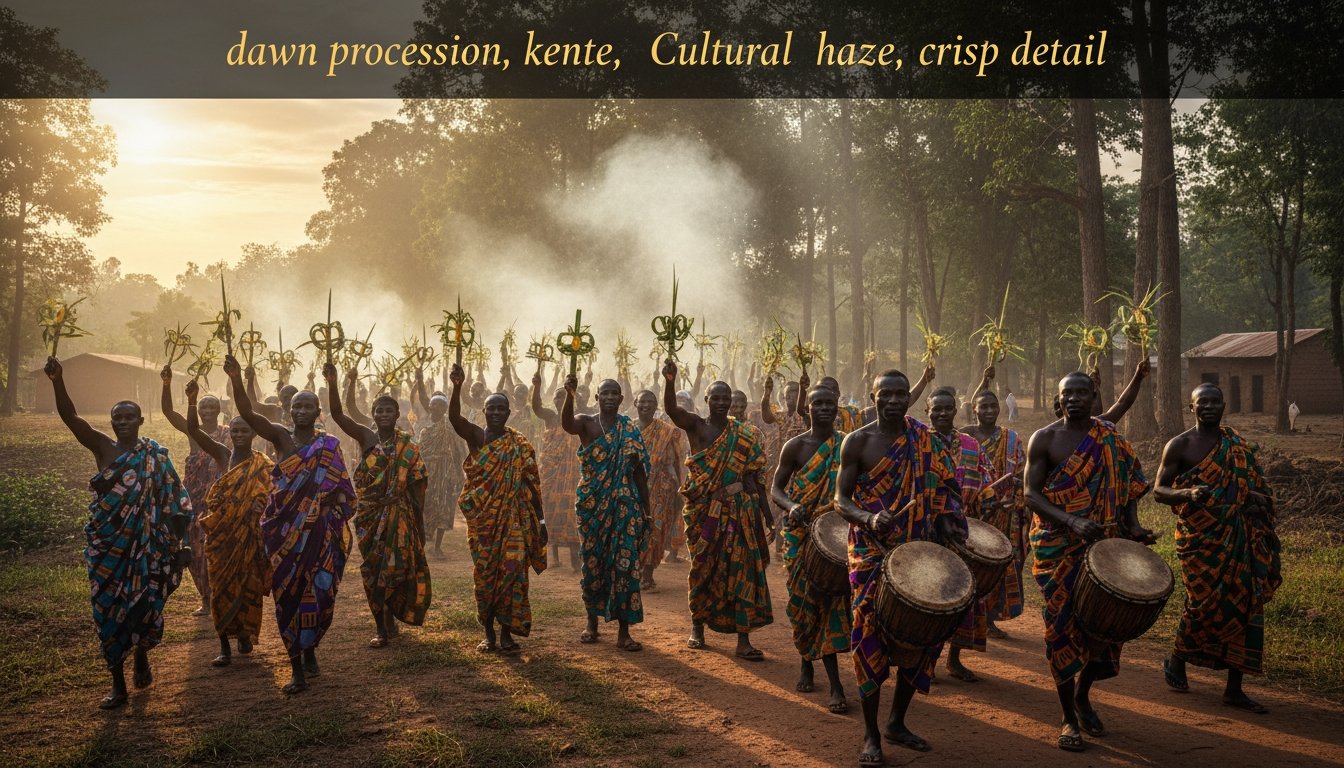
On Palm Sunday, African Christians take part in vibrant processions, carrying palm fronds and celebrating their faith as a community. These lively gatherings foster a shared cultural experience, strengthening bonds and bringing the faithful together. From joyous singing to traditional dances, these processions are a cherished tradition that reflects the deep roots of Christianity in Africa.
Vibrant Palm Processions
Why do vibrant palm processions and community gatherings hold such significance on African Palm Sunday? These lively celebrations honor the sacred day, bringing together neighborhoods to commemorate Jesus’ triumphant entry into Jerusalem. Worshippers parade through the streets, waving vibrant palm fronds and singing joyful hymns. The rhythmic chanting and drumming create an infectious energy, drawing onlookers to join the procession. Elders lead the way, passing down traditions to younger generations. Families reconnect, sharing meals and stories. This annual ritual reinforces cultural identity and community bonds, a powerful expression of faith and heritage on the continent.
Community Fellowship Celebrations
Beyond the vibrant palm processions, African Palm Sunday celebrations are marked by joyous community fellowship gatherings. Families and neighbors come together, sharing meals and stories, celebrating their faith and cultural heritage. Elders impart wisdom, while children’s laughter fills the air. Music and dance unite the community, as they praise and worship through traditional rhythms and movements. These communal festivities embody the spirit of togetherness, fostering a deep sense of belonging and unity. The exchange of well-wishes and the breaking of bread symbolize the strong bonds that tie the community. Through these cherished traditions, the African Palm Sunday celebration transcends religious observance, becoming a vibrant expression of community identity and resilience.
Shared Cultural Experiences
What makes the shared cultural experiences of African Palm Sunday so captivating? You’ll be swept up in the vibrant processions, where worshippers wave colorful palm fronds, singing and dancing through the streets. The air buzzes with the energy of community fellowship, as families and neighbors come together to celebrate their faith. Elders share stories, passing on traditions to the younger generations. There’s a palpable sense of unity, as people from all walks of life unite in this sacred ritual. It’s a powerful reminder of the deep roots and enduring spirit that define the African Palm Sunday experience.
Culinary Traditions and Feasting on African Palm Sunday
How do the culinary traditions and feasting rituals take center stage on African Palm Sunday? Families gather to prepare beloved dishes, each with a unique history and cultural significance. Fragrant stews, seasoned with local spices, simmer on the stove as elders share stories of past celebrations. The aroma of freshly baked breads and pastries fills the air, beckoning loved ones to the table. Children eagerly await the traditional desserts, their eyes sparkling with anticipation. Throughout the day, communities come together, sharing laughter, recipes, and cherished memories over plates piled high with the flavors of their heritage. These culinary traditions aren’t just meals – they’re a tapestry of African identity, woven into the fabric of the Palm Sunday celebration.
Spiritual Rituals and Blessings of the Palm Fronds
As you gather the palm fronds, you’ll witness the consecration ritual where the fronds are blessed and imbued with spiritual significance. The pastor’s prayers confer symbolic blessings, connecting the worshippers to their African heritage and the sacred nature of the celebration. This ritual imbues the fronds with power and meaning, setting the stage for the remainder of the Palm Sunday festivities.
Consecration of Fronds
Perhaps you’ve witnessed the solemn ritual of consecrating palm fronds during African Palm Sunday celebrations. The fronds are blessed and set apart for sacred use. Priests or elders invoke divine blessing, sprinkling holy water and reciting prayers. Congregants reverently receive the consecrated fronds, which they’ll carry in procession and display in their homes. This ceremonial act symbolizes Jesus’ triumphant entry into Jerusalem, where the people welcomed Him with palm branches. Today, the consecration imbues the fronds with spiritual significance, reminding the faithful of Christ’s sacrifice and our own journey of faith.
Symbolic Blessings Conferred
What spiritual blessings do the consecrated palm fronds convey during African Palm Sunday celebrations? The blessed fronds bestow divine protection and favor upon the faithful. They’re used to bless homes, vehicles, and loved ones, invoking God’s safekeeping. Worshippers wave the fronds, symbolizing their devotion and seeking divine guidance.
The fronds are also kept in homes throughout the year, reminding families of the sacred rites and their spiritual significance. Many believe the fronds ward off evil and bring prosperity when displayed. These symbolic blessings reaffirm the community’s faith and their connection to the divine during this cherished annual observance.
Musical Performances and Ritual Dances on Palm Sunday
On Palm Sunday across Africa, communities come together to celebrate through vibrant musical performances and captivating ritual dances. Drums, chants, and traditional instruments fill the air as locals take to the streets, moving in sync to rhythmic beats. Colorful costumes and masks add to the festive atmosphere, as dancers tell stories through their movements.
Elders may lead processions, while younger generations learn the cultural significance of these time-honored traditions. The energy is palpable, with everyone joining in the joyous celebration. These musical and dance rituals not only honor the sacred day but also preserve the rich cultural heritage of diverse African communities.
Intergenerational Transmission of Palm Sunday Customs
How do African communities ensure the enduring legacy of their Palm Sunday customs? They rely on intergenerational transmission, passing down rituals and traditions from elders to youth. Grandparents teach their grandchildren the significance of palm branches and the stories behind chants and dances. Parents involve kids in preparing for the holy day, letting them decorate churches and homes. Communities organize youth workshops to train the next generation in drumming, singing, and choreography. Elders mentor young people, ensuring they master the nuances of each custom. This seamless transfer of knowledge preserves the cultural heritage, keeping Palm Sunday vibrant and meaningful for Africans of all ages.
Regional Variations in African Palm Sunday Observances
Across the African continent, Palm Sunday observances take on diverse regional forms, reflecting the rich tapestry of local cultures and traditions. In Ethiopia, worshippers weave palm fronds into intricate crosses, while in South Africa, the day is marked by vibrant parades featuring traditional dancers and musicians. Ghanaians incorporate the distribution of blessed palm leaves into their celebrations, while in Kenya, the faithful adorn their homes with palm branches. From Morocco to Mozambique, the ways in which Africans commemorate this holy day vary, yet all share a deep reverence for the spiritual significance of Palm Sunday.
The Impact of Colonialism on African Palm Sunday Traditions
To what extent did colonial rule impact the observance of Palm Sunday traditions across the African continent? The arrival of European colonists significantly altered local customs and rituals. Missionaries often suppressed indigenous Palm Sunday practices, viewing them as “pagan” and incompatible with Christianity. Colonizers promoted their own interpretation of the religious holiday, stifling diverse regional expressions. Traditional palm weaving and processions were discouraged or outright banned in many areas. However, Africans resisted and adapted – blending imported rites with enduring local traditions. Today, Palm Sunday celebrations across Africa reflect this syncretic legacy, with both colonial and indigenous elements coexisting. Though colonial influence was pervasive, African communities found ways to preserve the essence of their Palm Sunday observances in the face of this dramatic cultural shift.
Frequently Asked Questions
What Is the Significance of the Color of the Palm Fronds?
The color of the palm fronds used during African Palm Sunday celebrations holds symbolic significance. Typically, green fronds represent new life and growth, while brightly-colored fronds like red, yellow, or orange signify joy, celebration, and the vitality of the community. The vibrant hues create a festive atmosphere, reminding participants of the spiritual renewal and hope inherent in this important cultural tradition.
Can Non-Christians Participate in African Palm Sunday Celebrations?
Absolutely! Non-Christians can absolutely participate in African Palm Sunday celebrations. The cultural traditions are open to all, regardless of religious affiliation. You’ll find that the inclusive spirit of the festivities welcomes people from diverse backgrounds to join in the vibrant celebrations, music, and community. Don’t hesitate to immerse yourself in this rich cultural experience.
How Do Palm Weaving Techniques Vary Across Different African Regions?
Palm weaving techniques vary considerably across different African regions. In West Africa, you’ll find intricate cross-weaving patterns, while in East Africa, simpler spiral designs prevail. Central African weavers often incorporate vibrant dyes, and Southern African traditions emphasize symbolic motifs. The materials used, such as palm fronds or dried grasses, also differ by location, reflecting the diverse natural resources available in each area.
Are There Any Safety Concerns With Handling Palm Fronds?
There are a few safety concerns when handling palm fronds.
The fronds can have sharp edges that can cut your skin, so you’ll want to wear gloves for protection.
Additionally, the fronds may harbor insects or pollen that can cause allergic reactions in some people.
Be sure to handle the fronds carefully and avoid any skin contact if you have sensitive allergies.
How Does Climate Change Impact the Availability of Palm Fronds?
Climate change can significantly impact the availability of palm fronds. Rising temperatures, shifting rainfall patterns, and extreme weather events can disrupt the growth and distribution of palm trees, making it more challenging to obtain the fronds needed for cultural celebrations. You’ll need to be mindful of these changes and explore alternative sustainable sources or adapt your traditions accordingly.
Conclusion
You’ve learned about the rich cultural traditions surrounding African Palm Sunday celebrations. From the origins of this Christian observance to the regional variations in customs, you’ve gained a deeper appreciation for the ways in which Palm Sunday is commemorated across the African continent. These vibrant traditions continue to be passed down, showcasing the enduring significance of this sacred day in the lives of African communities.









No Comments