

24 Feb When Is Passover 2026? Dates, Seder Guide & Tips
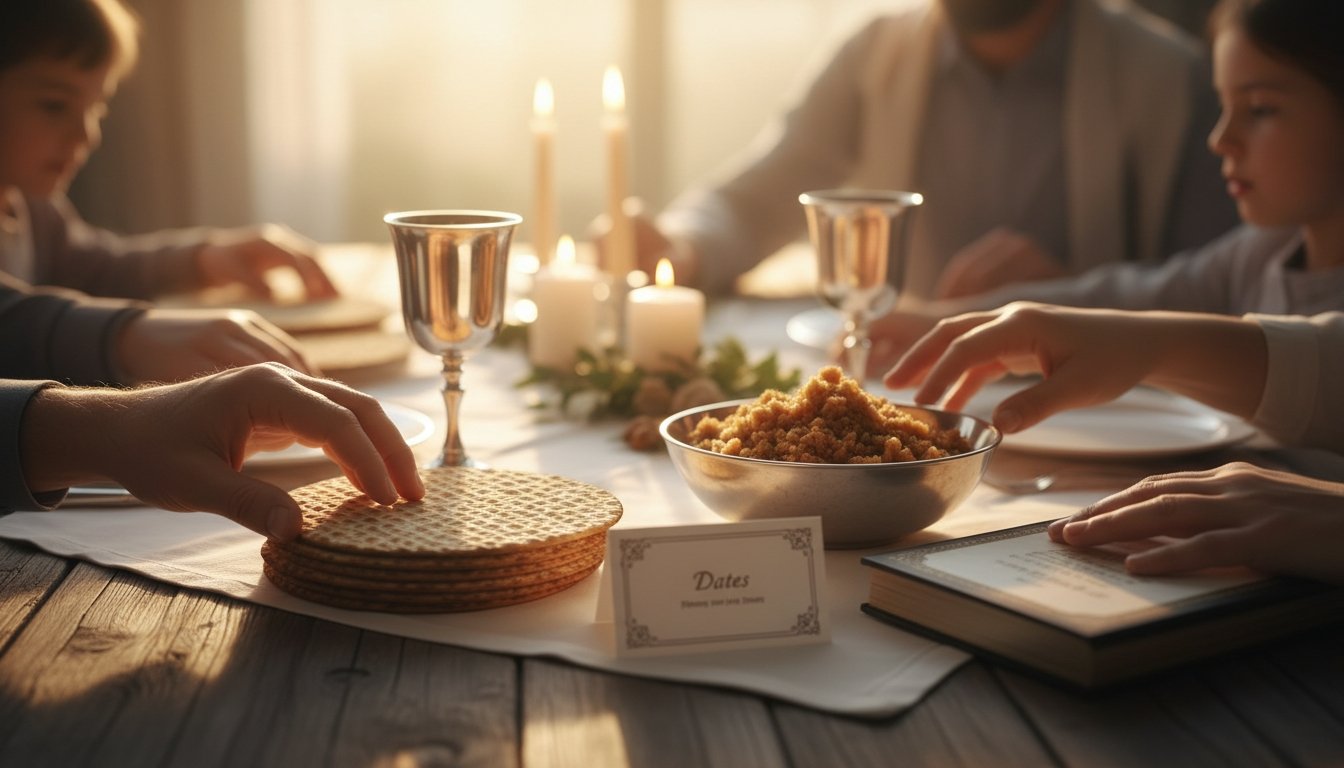
Passover 2026 will be observed from the evening of April 1 through the evening of April 9. The Seder is the centerpiece of the holiday – a structured ritual where you’ll retell the Exodus story through symbolic foods, interactive elements, and the Haggadah. Dive deeper to uncover the key observances, Seder activities and traditions, and the deeper purpose behind this meaningful celebration.
Key Takeaways
- Passover 2026 begins on the evening of April 1 and ends on the evening of April 9, following the Jewish calendar.
- The Passover Seder, a structured ritual featuring symbolic foods, is held on the first two nights of the holiday.
- The Seder includes elements such as four questions, the search for the hidden afikoman, and the retelling of the Exodus story.
- Passover celebrates the Israelites’ freedom from slavery, emphasizing themes of community, heritage, and collective memory.
- During Passover, no leavened bread is consumed, and special foods like matzah are eaten as part of the holiday observances.
The 2026 Passover Dates
When will Passover be celebrated in 2026?
According to the Jewish calendar, Passover will begin on the evening of April 1, 2026 and end on the evening of April 9, 2026.
The first and last days of Passover are considered major Jewish holidays, while the intermediate days are known as Chol HaMoed, or the “intermediate days of the festival.”
During Passover, no leavened bread is consumed, and special foods like matzah are eaten.
The highlight of the holiday is the Seder, a ritual feast held on the first two nights, where the story of the Israelites’ exodus from Egypt is retold.
A Guide to the Passover Seder
The Passover Seder is the centerpiece of the holiday, where families and friends gather to retell the story of the Israelites’ exodus from Egypt. You’ll participate in a structured ritual featuring symbolic foods, songs, and the reading of the Haggadah.
Recline as you savor the four cups of wine, dip vegetables in salt water, and eat the matzah and bitter herbs.
Ask the four questions, search for the hidden afikoman, and discuss the meaning of Passover.
Share the experience with loved ones, passing on Jewish traditions.
The Seder’s interactive elements engage all ages, making it a meaningful celebration of freedom and community.
Frequently Asked Questions
How Do I Prepare the Passover Seder Plate?
To prepare the Passover seder plate, you’ll need the following items: a roasted egg, a shank bone, bitter herbs (such as horseradish), charoset (a sweet paste made with apples, nuts, and wine), and parsley or lettuce. Arrange these items on a special plate and place it on the seder table. Don’t forget to provide a small bowl of salt water as well.
What Is the Significance of the Passover Foods?
The Passover foods on the seder plate symbolize key elements of the Exodus story. The matzah represents the unleavened bread the Israelites ate as they fled Egypt. The bitter herbs, like horseradish, recall the bitterness of slavery. The charoset, a sweet paste, symbolizes the mortar used for bricks. The shank bone represents the Passover sacrifice, and the egg signifies renewal and springtime.
Can I Use a Smartphone During the Seder Meal?
No, you shouldn’t use a smartphone during the seder meal. The seder is a sacred time to focus on the story of the Exodus and observe Jewish traditions. Using electronic devices would be disruptive and disrespectful. Instead, engage fully in the rituals, discussions, and meals that make up this important celebration of freedom.
How Do I Properly Dispose of Leftover Passover Food?
After the Passover meal, you should properly dispose of any leftover food. Start by separating the kosher-for-Passover items from the non-Passover foods. The Passover foods should be burned or flushed down the toilet before the end of Passover.
The non-Passover items can be discarded in the regular trash. Be sure to clean up thoroughly to remove any remaining crumbs or chametz.
What Can I Do if I’m Unable to Attend a Seder?
If you’re unable to attend a Seder, don’t worry! You can still celebrate Passover at home. Host your own mini-Seder with family or friends, or join a virtual Seder. You can also read the Haggadah, the text used at the Seder, and complete the Seder rituals on your own. Additionally, you can donate leftover Passover food to food banks or shelters to ensure it’s properly disposed of.
Conclusion
Plan your 2026 Passover celebration with the dates and a helpful Seder guide. You’ll find the Seder rituals and customs don’t have to be intimidating – they’re meaningful traditions you can easily incorporate. Whether you’re hosting or attending, you’ll be well-prepared to observe this important holiday with family and friends.











No Comments