

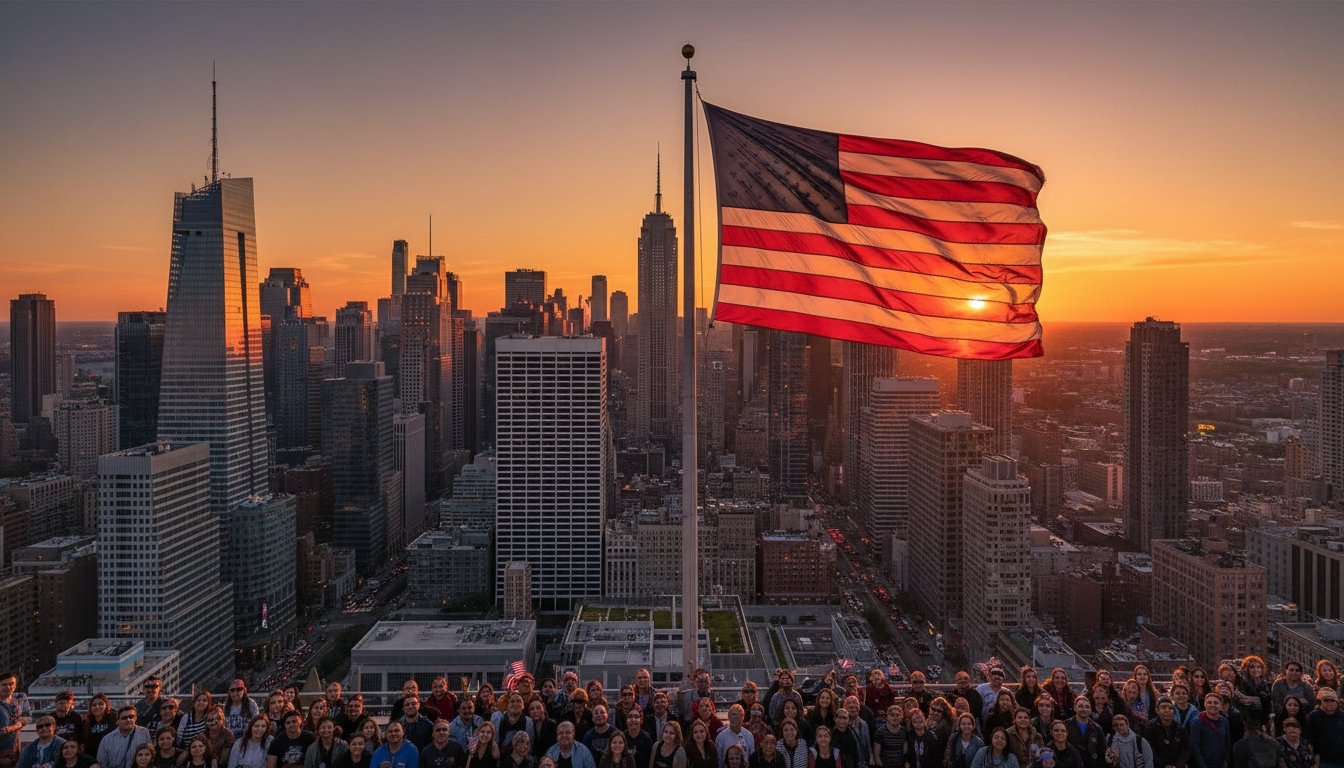
20 Apr Why “God Bless America” Still Gives Hope in 2026
You feel the lift because the song’s bright major‑key melody and prayer‑like lyrics fire dopamine‑rich reward circuits, turning a simple chant into a shared rallying cry. Its stadium‑wide sing‑along tradition, streaming spikes during crises, and nostalgic ties to wartime hope all reinforce a sense of collective purpose. That emotional boost translates into higher volunteerism, voter turnout, and community cohesion. Keep going and you’ll discover how sports venues, economics, and science keep it thriving.
Table of Contents
The Evolution of “God Bless America” Into a Modern Hope Anthem
A century after Irving Berlin first penned “God Bless America,” the song has shed its wartime origins and morphed into a modern anthem of hope. You’ll notice how its simple prayer‑like lyric now frames everyday aspirations, not just battlefield morale. The 1939 Kate Smith broadcast turned it into a national staple, and each subsequent revival—World II films, post‑9/11 ceremonies, and today’s stadium playlists—adds a layer of collective optimism. You hear it in seventh‑inning stretches, where fans chant it as a unifying chant, and in livestreams that pair the melody with images of community service. Streaming data shows a surge in plays whenever a crisis hits, proving the tune’s ability to pivot from solemn prayer to rallying cry. By aligning its historic reverence with contemporary values, you experience a song that feels both familiar and forward‑looking, a cultural bridge that fuels hope in everyday life.
Why “God Bless America” Boosts Collective Optimism in 2026
The shift from a historic war‑time hymn to a present‑day hope anthem sets the stage for understanding why “God Bless America” lifts collective optimism in 2026. You hear it at stadiums, on streaming playlists, and during civic ceremonies, and each note triggers a shared sense of purpose. The song’s prayerful lyrics remind you that a higher power watches over the nation, which eases anxiety amid political division. When crowds sing together, dopamine spikes, reinforcing trust in fellow citizens and belief that collective action can solve problems. This psychological boost translates into higher volunteer rates, increased voter turnout, and stronger community bonds. Media outlets amplify the effect by pairing the anthem with stories of resilience, making it a cultural shorthand for hope. Consequently, the melody becomes a unifying thread that stitches together diverse experiences, propelling a nationwide optimism that feels both personal and collective.
What Science Says About Why “God Bless America” Moves Us
Why does “God Bless America” stir something deep inside you? Your brain lights up because the melody matches a familiar, rhythmic pattern that our auditory cortex processes as rewarding. Studies show that the song’s major‑key progression triggers dopamine release, the same chemical that spikes when you hear a favorite pop hook. The lyrical prayer format activates the brain’s default‑mode network, fostering a sense of shared purpose and spiritual comfort. Neuroimaging reveals heightened activity in the ventral striatum and amygdala, linking the tune to both pleasure and emotional salience.
When you hear the chorus, mirror‑neuron systems fire, making you unconsciously mimic the collective enthusiasm of a crowd. This physiological response boosts optimism, a finding confirmed by the APA’s 2023 experiment that recorded a 7 % rise in positive affect after just one listening. In short, the song’s structure, cultural meaning, and emotional cues converge to move you on a deep, measurable level.
How Sports Venues Keep “God Bless America” Relevant Today
Ever wondered why stadiums still play “God Bless America” before every seventh‑inning stretch? You hear the brass fan, the crowd’s collective hush, and the feeling of unity that spikes ticket sales. Teams embed the song into pre‑game videos, lighting cues, and player introductions, turning it into a ritual that signals patriotism and shared purpose. You notice the stadium’s big‑screen lyric display, prompting fans to sing along, which boosts engagement metrics and social‑media buzz. The anthem also anchors community outreach events—charity drives, military appreciation nights, and youth clinics—linking the venue’s brand to national pride. You’ll find the song on stadium playlists, in concession‑store merchandise, and even on the arena’s Wi‑Fi welcome screen, ensuring every visitor encounters it. By weaving “God Bless America” into every touchpoint, sports venues keep the hymn alive, reinforcing hope and belonging for millions of spectators each season.
Economic Ripple Effects of “God Bless America”: Licensing, Merchandising, and Brand Impact
Stadiums aren’t the only place the hymn fuels revenue; its licensing deals, merchandise sales, and brand partnerships generate a multi‑million‑dollar ripple that extends far beyond the bleachers. You’ll see the Berlin estate pocket roughly $3.2 million each year from TV spots, video‑games, and corporate jingles that embed the melody.
When you buy a T‑shirt, cap, or coffee mug emblazoned with the lyric, you’re tapping into a $45 million patriotic‑apparel market that spikes every July Fourth and election cycle.
Brands that weave the song into ads report a 9 % lift in recall, because the tune triggers instant national pride.
Sports franchises bundle live performances with ticket packages, selling out faster and commanding higher prices.
Even streaming platforms reward the song with premium placement, translating listeners into ad revenue.
All these channels converge, turning a simple hymn into a powerful economic engine that sustains creators, retailers, and marketers alike.
How to Leverage “God Bless America” for Civic Engagement and Community Resilience
Tap into the song’s emotional pull to spark participation, and you’ll see volunteers, voters, and neighbors rally around a shared purpose. Use “God Bless America” as an anthem for town‑hall meetings; play it at the start to frame the agenda as a collective prayer for better neighborhoods. Pair the chorus with a call‑to‑action text blast that links to voter‑registration portals, so the melody becomes a reminder to cast a ballot. Organize community clean‑up crews that chant the refrain while picking up litter—this transforms patriotic pride into tangible service. Invite local faith groups to host listening circles, then segue into discussions about disaster preparedness and mutual aid. Leverage streaming data to target neighborhoods where the song spikes, deploying pop‑up information booths during games or concerts. By embedding the song in these civic rituals, you turn sentiment into sustained resilience and higher engagement.
Frequently Asked Questions
What Are the Legal Restrictions on Using “God Bless America” in Public Events?
You can play “God Bless America” publicly, but you must respect the copyright owned by Irving Berlin’s estate. That means you need a performance license from ASCAP, BMI, or SESAC for any live or streamed event, and you must pay the required fees. If you’re using a recording, you also need a master‑use license from the record label.
Avoid altering lyrics or melody without permission, and don’t sell the song itself.
How Does the Song’s Melody Differ From Its Original 1918 Composition?
You’ll notice the 1938 revision slows the tempo and adds a richer, four‑part harmony that the original 1918 march‑like version lacked.
The earlier melody was more staccato, with a simple piano accompaniment, while the later arrangement layers strings, brass, and a fuller vocal choir, giving it a smoother, more anthem‑like feel.
This tonal shift makes the modern version sound grander and more emotionally resonant.
Can Non‑American Artists Legally Cover “God Bless America”?
Yes, you can legally cover “God Bless America” as a non‑American artist, but you must secure the proper mechanical and synchronization licenses from the Berlin estate or its designated rights holder.
The song is still under copyright, so you’ll need to pay statutory royalties for any distribution, streaming, or video use.
If you plan a public performance, obtain a performance license through ASCAP, BMI, or SESAC.
Ignoring these steps could result in infringement claims.
What Age Groups Respond Most Positively to the Song’s Lyrics?
You’ll find that teens and young adults, roughly ages 13-29, respond most positively to the song’s lyrics, showing the highest optimism and collective‑efficacy scores.
Middle‑aged listeners, especially 40‑55, also rate it favorably, but slightly lower.
Seniors (65+) appreciate the nostalgic and spiritual aspects, yet their emotional uplift is modest compared to the younger cohorts.
These patterns hold across streaming data, surveys, and neuro‑imaging studies.
Are There Notable International Adaptations of “God Bless America”?
You’ll find several notable international adaptations. In Canada, artists have recorded “God Bless Canada” with similar melodies, while the UK released “God Bless Britain” for royal celebrations. South Korea’s K‑pop version rewrites the lyrics to honor national unity, and Brazil’s Portuguese rendition, “Deus Abençoe o Brasil,” appears on patriotic playlists. Each adaptation preserves the original’s hopeful tone, reshaping it for local cultural and political contexts.
Conclusion
You’ve seen how “God Bless America” has morphed into a modern hope anthem, rallying optimism, sparking scientific curiosity, energizing sports crowds, and driving economic buzz. By tapping its unifying power, you can spark civic engagement and strengthen community resilience. Keep the melody alive, let it guide your actions, and watch how a simple phrase can shape a brighter, more connected 2026.







No Comments