


13 May Understanding Fasting in the Bible — A Complete Beginner’s Guide
Understanding fasting in the Bible is crucial for appreciating its spiritual significance. Unlike a diet, biblical fasting is a discipline where you intentionally refrain from food to deepen your relationship with God through prayer and repentance. Throughout Scripture, there are powerful examples of fasting: Jesus fasted for clarity and strength before beginning His ministry, Esther called for a national fast during a time of crisis, and Daniel sought divine insight through fasting.
Table of Contents
This practice creates dedicated time for uninterrupted communion with God, helping to enhance your spiritual awareness. If you’re new to fasting, consider starting with a twelve-hour fast from noon to midnight, and then gradually extend the duration as you become more comfortable. Engaging in this ancient spiritual practice can truly transform your faith journey.
Understand Biblical Fasting and Why It Matters
When you’re seeking deeper spiritual connection with God, fasting—abstaining from food for a set period—offers a powerful way to demonstrate devotion and humility. Unlike mere dieting, biblical fasting centers on spiritual discipline combined with prayer, repentance, and redirecting physical appetites toward God’s presence.
You don’t fast because God commands it, but because it’s beneficial and profitable for your faith journey. Throughout Scripture, fasting accompanied critical moments: Jesus fasted before his ministry, Esther called for national fasting during crisis, and Daniel fasted while seeking divine revelation. True fasting requires humility before God, not external displays designed to impress others.

The practice matters because it positions you in brokenness before God. You’re acknowledging your dependence on Him while creating space for deeper communion. Fasting isn’t about punishment or earning favor—it’s about aligning your heart with God’s purposes and gaining clarity on what truly matters spiritually.
Why Jesus Calls His Followers to Fast?
How did Jesus view fasting for His followers? He didn’t expect you to fast while He walked among you as the bridegroom, but He assumed you’d adopt the practice after His resurrection. This wasn’t arbitrary—Jesus was establishing an ongoing discipline for kingdom subjects.
When you fast, you’re preparing yourself spiritually, just as Jesus fasted forty days before His public ministry. You’re strengthening your reliance on God’s word over physical food and demonstrating faith in Him as your sole source of nourishment.
Fasting also positions you to seek God’s guidance during critical decisions and deepens your intimacy with Him. It humbles your body, shifts your focus from earthly dependencies, and cultivates joy in God’s presence. True fasting must be done in secret rather than for public display, ensuring your focus remains on communion with God rather than external acknowledgment.
Jesus calls you to fast because it’s a transformative discipline that heightens spiritual dependence and fortifies you against temptation.

How Fasting Opens You to God’s Presence
Jesus calls you to fast because it transforms your spiritual dependence, but the real power emerges in what happens next—fasting actually opens the door to God’s presence in unprecedented ways. When you fast, physical hunger becomes a mirror reflecting your spiritual longing for communion with God. This intensified desire positions you to experience His presence more vividly than ordinary prayer allows.
Your stripped-away distractions create dedicated space for uninterrupted conversation with the Divine. The Holy Spirit responds to your sacrifice, pouring grace and freshness into your life. As worldly cravings diminish, your spiritual sensitivity sharpens, making you more receptive to God’s voice and guidance.
Fasting doesn’t manipulate God into appearing—rather, it realigns your appetite so you’re genuinely hungry for what He offers. You become more attuned to His movement, more available for His work, and more aware of His constant presence surrounding you.
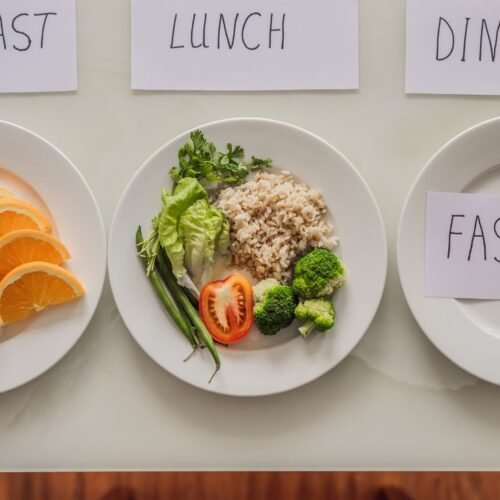
Start Small: Your First Noon-Hour Fast
You’ll prepare your spiritual meal by intentionally choosing nutrient-dense foods—proteins, healthy fats, whole grains, and vegetables—that sustain you through your fasting window.
Building your fasting foundation means easing in gradually by cutting snacks weeks before and removing inflammatory foods like alcohol, fried items, and refined carbs to let your body adjust.
Starting with this 12-hour noon fast trains your metabolic flexibility while keeping the spiritual practice manageable and rooted in biblical tradition.
Preparing Your Spiritual Meal
When should you begin your fasting journey? You’ll want to prepare your body and spirit through a one to two-week adjustment period. Start eliminating inflammatory foods like alcohol, fried items, and refined carbohydrates. Instead, focus your meals on complex carbohydrates, proteins, and healthy fats that sustain your energy throughout the day.
A week before your first fast, gradually compress your eating windows. This trains your metabolism and builds flexibility. During your eating periods, prioritize nutrient-dense whole foods including calcium-rich options, vegetables, and fruits. Plan your meals in advance to reduce decision fatigue when hunger strikes.
When you’re ready to break your fast, consume bone broth thirty minutes beforehand, then transition to easily digestible foods like smoothies, eggs, or cultured yogurt. This gentle refeeding protects your digestive system.
Building Your Fasting Foundation
Now that you’ve prepared your body and spirit through dietary adjustments, it’s time to implement your first actual fast—and starting small with a noon-hour fast is your smartest move. This 12-hour window, which naturally includes your sleep period, aligns with beginner recommendations from leading health institutions. You’ll end dinner by 7 p.m. and resume eating at noon the next day.
This duration triggers your body’s shift toward fat burning and ketone production without overwhelming your system. You’re following a pattern supported by biblical examples—short, manageable fasts rather than extreme regimens. Begin with just one day, then gradually increase frequency as your body adapts. This measured approach builds metabolic flexibility while keeping energy stable, setting you up for sustainable fasting practice.
Progress Your Practice: From Single Meals to 24 Hours
You’ll build your fasting endurance by gradually extending the duration of your practice, moving from skipping single meals to attempting full 24-hour fasts.
Starting with shorter fasts gives your body and spirit time to adjust, allowing you to establish a sustainable rhythm before pursuing extended fasting approaches.
As you progress through successive weeks, you’ll discover how incremental increases prepare you for longer periods of spiritual focus and physical restraint.
Starting With Shorter Fasts
How do you build a sustainable fasting practice without overwhelming your body and spirit? Start small with shorter fasts that don’t disrupt your life entirely. The Noon-Hour-Fast offers an excellent entry point—skip lunch, spend that time in prayer, and read Scripture instead of scrolling your phone. This builds restraint without taxing your system.
Next, progress to a One-Meal-Fast by skipping a single meal weekly. Maintain this practice for several weeks, replacing eating time with spiritual focus. Once you’re comfortable, advance to a Two-Meal-Fast by skipping breakfast and lunch progressively. This prepares your body for extended denial while keeping you grounded in your spiritual purpose.
Building Your Fasting Endurance
Once you’ve mastered shorter fasts, it’s time to extend your practice by gradually lengthening your fasting windows. Progress from 12-hour fasts to 16-hour periods using the 16:8 method, then advance to 24-hour fasts. This incremental approach builds metabolic adaptation without triggering excessive hunger or abandonment of your practice.
Your body preserves approximately 90% of lean muscle mass during intermittent fasting, especially when you maintain resistance training. Extended fasting periods activate cellular repair responses and immune functions that surpass simple calorie restriction benefits.
During eating windows, prioritize nutrient-dense foods over processed options. As your fasting duration increases, proper nutrition becomes critical for sustaining energy and supporting your body’s adaptive processes. Set consistent time windows daily to establish sustainable rhythm and psychological preparation before attempting full-day fasts.
Extended Fasting Approaches
Why do extended fasts matter for your spiritual practice? They deepen your connection with God and strengthen your spiritual resilience. When you progress beyond single meals, you’re building endurance for deeper intercession and breakthrough.
Start with 24-hour fasts before attempting longer periods. This foundation prepares your body and spirit for extended practice. The Daniel Fast—consuming only vegetables, fruits, nuts, and water for 21 days—offers a sustainable approach that doesn’t compromise your health while maintaining spiritual focus.
If you’re called toward 40-day fasts, remember that modern science confirms this as the absolute limit before serious health risks emerge. However, most people find profound spiritual benefits within 7-10 days. Always combine extended fasting with prayer, seeking God’s specific guidance for your situation.
Prepare Spiritually: Choose Bible Passages for Your Fast
As you begin your fast, selecting scripture that resonates with your spiritual intentions will anchor your practice in God’s word and deepen your connection to His purpose. Choose passages aligned with your fasting goal. If you’re seeking guidance, meditate on Acts 13:2, where the Holy Spirit spoke during worship and fasting for mission clarity. For repentance, Joel 2:12 calls you to return to God with your whole heart through fasting and prayer. When pursuing God’s kingdom, Matthew 6:33 reminds you to seek first His righteousness. During challenging moments, Matthew 4:4 reinforces that you’ll live by God’s word, not bread alone. Write these passages on index cards, journal them, or set them as phone reminders. Return to them daily, allowing scripture to sustain you spiritually throughout your fast and transform your heart toward genuine intimacy with God.
Amplify Your Fast: Adding Prayer to the Practice
Prayer’s power multiplies when you combine it with fasting. This pairing intensifies your spiritual focus and demonstrates your earnestness before God. When you fast, you’re removing a daily distraction, creating space for deeper intercession.
Begin by praying before your fast starts. Ask God to remove your food desire and align your motives with His will. During your fast, return to prayer at meal times—those hunger moments remind you of your intention. Repeat your specific petition during daily prayer sessions to maintain consistency.
Fasting subdues your flesh and cultivates humility, positioning you to hear God’s voice more clearly. This combination worked throughout Scripture: Daniel fasted while petitioning for mercy, David fasted while interceding for his child, and Jesus taught that certain spiritual battles require both prayer and fasting.
Your hunger becomes a physical reminder of your spiritual yearning, transforming discomfort into devotion.
Eight Mistakes That Derail Beginners (and How to Avoid Them)
When you’re starting your fasting journey, you’ll likely encounter common pitfalls that can derail your progress before you’ve built momentum. Neglecting hydration is a critical mistake—your body needs consistent water intake to function properly during fasts.
You’ll also struggle if you skip spiritual preparation, which means examining your heart and confessing sin beforehand.
Starting too ambitiously sets you up for failure. Begin with skipping single meals, then progress gradually to longer fasts. Jumping to extended fasts without foundation breeds discouragement.
Fasting publicly contradicts biblical instruction. Keep your practice hidden by maintaining normal appearance, letting your discipline remain between you and God.
Finally, establish clear purpose for your fast and replace food time with spiritual pursuits like prayer and Scripture study. Consistency builds lasting discipline, transforming fasting from temporary deprivation into genuine spiritual growth.
Frequently Asked Questions
Is Fasting Required by God, or Is It Optional for Christians Today?
Fasting isn’t required for you as a Christian today. You’re not bound by Old Testament laws, including mandatory fasting practices.
Instead, you have the freedom to choose whether you’ll fast based on your spiritual needs. When you do fast, ensure your motivation stems from genuine devotion rather than external display or religious duty.
God values your sincere heart over ritualistic compliance.
Can I Drink Water, Coffee, or Tea While Fasting From Food?
You’d think fasting means suffering through endless thirst, yet you’re actually encouraged to drink water freely—it won’t break your fast. Black coffee and plain tea are equally permitted, suppressing hunger while boosting metabolism. You’re abstaining from food, not hydration. These zero-calorie beverages maintain fasting’s benefits while keeping you comfortable. Just skip milk, sugar, and cream, which would compromise your fast’s spiritual and physical integrity.
What Should I Do if I Feel Dizzy or Unwell During Fasting?
If you’re feeling dizzy or unwell during fasting, stop immediately and drink water slowly to rehydrate. Consume an electrolyte solution—mix water with salt and sugar—to restore balance. Eat a small snack with protein if dizziness persists.
Check your urine color; dark urine signals dehydration. If you experience palpitations, confusion, or severe symptoms, break your fast entirely. These signs indicate your body needs nourishment now.
How Often Should Christians Fast—Weekly, Monthly, or Only Occasionally?
You’ll find that early Christians fasted twice weekly—a practice that shaped spiritual disciplines for centuries. You should consider starting with weekly fasting, following the Wednesday-Friday tradition many churches still honor. You can progress to occasional extended fasts during trials or decisions requiring deeper spiritual clarity. You’re not obligated to maintain rigid schedules; you’ll discover what frequency strengthens your faith and deepens your dependence on God most effectively.
Can Children and Teenagers Participate in Fasting Practices Safely?
Yes, children and teenagers can safely fast with proper precautions. You’ll want to consult your pediatrician first, especially considering your child’s age, health, and medications. Start gradually with shorter fasting periods, ensure they’re willing and healthy, and avoid fasting during illness or stress.
You should provide nutrient-dense meals before and after fasting, monitor school performance, and limit strenuous activity during fasting hours to prevent dehydration and maintain concentration.
Conclusion
Embarking on your fasting journey can be a profound way to deepen your understanding of fasting in the Bible. Studies indicate that 68% of Christians who fast experience significant spiritual breakthroughs within their first month. It’s important not to let perfectionism hold you back; instead, focus on cultivating a meaningful practice that enhances your connection with God. Start with small steps, remain consistent, and observe how fasting transforms your faith and draws you closer to His presence.











No Comments