

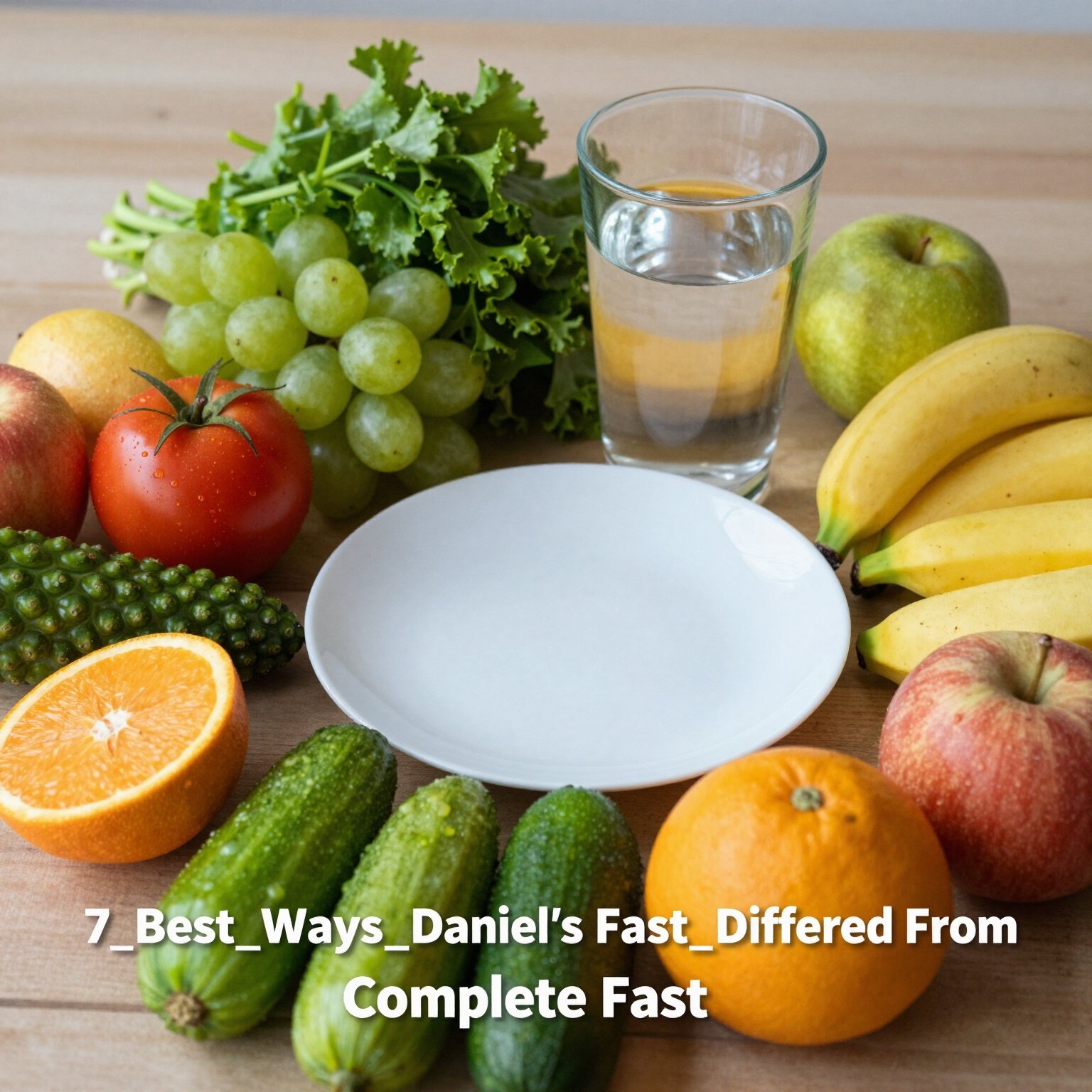
28 Apr 7 Best Ways Daniel’s Fast Differed From Complete Fasting
You’ll notice that the Daniel Fast lets you eat plant‑based whole foods—vegetables, fruits, legumes, whole grains, nuts, and seeds—while a complete fast restricts you to zero‑calorie liquids only. It typically starts with a ten‑day test period, whereas a full fast can go on indefinitely. The Daniel Fast emphasizes covenant purity and communal prayer, while a total fast focuses on broader repentance. Its health benefits come from fiber and nutrients, not just calorie restriction. Keep going to discover the remaining differences.
Table of Contents
What Is the Daniel Fast?
What’s the Daniel Fast? It’s a biblically inspired, plant‑based partial fast that lets you drink water while you avoid meat, dairy, sweeteners, caffeine, and processed foods. You eat vegetables, fruits, legumes, whole grains, nuts, and seeds—essentially anything that grows from seed. The fast mirrors Daniel’s abstention in the Old Testament, where he chose simple, unrefined foods to stay obedient and pure. You’ll follow a structured 10‑day test period before deciding whether to continue, and you’ll pair meals with daily prayer and Scripture reading. The goal isn’t calorie deprivation; it’s spiritual discipline, modest health benefits, and a break from indulgent, processed fare. By focusing on whole, plant‑derived foods, you maintain energy, reduce inflammation, and keep your mind centered on devotion rather than on hunger. This approach differs sharply from total fasting, which eliminates all solid intake. may permit only limited liquids.
Duration: Daniel Fast 10‑Day Test vs. Full Fast
Often, the Daniel Fast begins with a ten‑day test period that lets you gauge how your body and spirit respond before deciding to continue, whereas a full fast typically involves a single, uninterrupted stretch of complete or near‑complete abstinence. During those ten days you drink water, eat plant‑based foods, and maintain daily prayer, giving you a clear window to notice energy shifts, mood changes, and spiritual focus. You can stop after the test if symptoms arise, or extend into a longer, structured fast. In contrast, a full fast often lasts 24‑48 hours or longer without any caloric intake, sometimes allowing only broth or electrolyte drinks. It demands sustained endurance, and any break ends the fast entirely. Because the Daniel Fast’s test is finite and repeatable, you can compare results side‑by‑side with the more extreme, continuous deprivation of a full fast, making the duration a decisive factor in choosing which path aligns with your goals.
Allowed Foods: Plant‑Based Whole Foods vs. Zero‑Calorie Liquids
Plant‑based whole‑food choices define the Daniel Fast, letting you fill your plate with vegetables, fruits, legumes, whole grains, nuts and seeds while sipping water. You avoid meat, dairy, sweeteners, caffeine, and processed items, focusing on foods that grow from seed.
In contrast, a complete fast permits only zero‑calorie liquids—water, unsweetened tea, black coffee, or electrolyte solutions—so you consume no calories at all. This distinction shapes hunger cues: the Daniel Fast gives you fiber, protein, and micronutrients that sustain energy, while a total fast relies on stored glycogen and fat.
Because you’re still eating, you can maintain normal activity levels and reduce the risk of electrolyte imbalance. The zero‑calorie approach can be useful for short, intense spiritual or medical periods, but it offers no nutritional support, making the Daniel Fast a more balanced, plant‑centric alternative.
Spiritual Purpose: Covenant Purity vs. General Repentance
Purity drives the Daniel Fast’s spiritual purpose, grounding it in covenant fidelity rather than generic repentance. You enter the fast to honor the specific promises God made to Israel, rejecting foods linked to idolatry and cultural assimilation. This intentional abstention signals your commitment to the covenant community, not merely a vague plea for forgiveness. While many fasts focus on confessing sin and seeking divine mercy, your goal is to embody holiness through tangible dietary choices that reflect God’s standards.
When you pray during the fast, you align your petitions with the desire to keep the covenant clean, asking God to preserve your identity and obedience. This focus reshapes your mindset: you see the fast as a public testimony of faith, a concrete act that distinguishes you from secular detox trends. Consequently, your spiritual experience becomes a disciplined expression of covenant loyalty, not an abstract, all‑encompassing repentance.
Health Impact: Rejuvenation vs. Weight‑Loss Risks
Your covenant‑focused commitment now shows up in tangible health outcomes, and the Daniel Fast’s emphasis on whole, seed‑grown foods brings a rejuvenating effect that differs from the weight‑loss‑centric risks of many modern fasts. By filling your plate with vegetables, fruits, legumes, whole grains, nuts, and seeds, you supply fiber, antioxidants, and phytonutrients that support cellular repair, lower inflammation, and stabilize blood pressure. This plant‑rich regimen promotes a steady, gradual drop in cholesterol without the rapid muscle loss seen in extreme calorie‑restriction fasts. Because you stay hydrated and avoid drastic caloric deficits, your body maintains electrolyte balance, preventing the dizziness, hypoglycemia, and metabolic slowdown that can accompany complete fasts. In contrast, many contemporary detox challenges chase quick pounds, often sacrificing nutrient density for speed, which can trigger rebound weight gain and nutrient deficiencies. Your Daniel‑based approach nurtures lasting vitality rather than fleeting scale numbers.
Community Practices: Group Devotions vs. Solo Detox Challenges
How does joining a group devotion reshape your Daniel Fast experience compared to tackling a solo detox challenge? When you gather with others, you share prayer prompts, Scripture reflections, and meal‑planning tips that keep you accountable daily. The collective rhythm of worship creates a tangible sense of purpose, so you’re less likely to skip a vegetable‑only meal or miss a water‑break. In a solo challenge, you set your own schedule, which can feel freeing but also isolates you from encouragement when cravings hit.
Group devotions embed the fast within a community narrative, reinforcing the spiritual intent of obedience rather than just physical cleansing. You also benefit from shared resources—devotional guides, discussion threads, and shared recipes—making the plant‑based diet easier to sustain.
Conversely, a solo detox lets you tailor the pace and intensity, but it demands stronger self‑discipline and may lack the spiritual scaffolding that a group provides. This contrast highlights why many churches favor communal Daniel Fast events over individual wellness trends.
Scriptural Basis: Daniel 1‑10 vs. Leviticus 16 & Matthew 6
Leviticus 16 presents the Day of Atonement, a complete fast where Israel refrains from all food and drink to seek divine mercy. Matthew 6:16‑18 teaches believers to fast privately, denying any outward show, but still expects total caloric abstention. The contrast is clear: Daniel’s scriptural basis supports a plant‑based, water‑only regimen tied to obedience, while the other texts prescribe total deprivation for atonement or humility. This distinction shapes how you approach the Daniel Fast versus a full fast.
Frequently Asked Questions
Can I Drink Coffee During a Daniel Fast?
No, you shouldn’t drink coffee during a Daniel Fast. The fast restricts all caffeine, sweeteners, and processed foods, so coffee—whether brewed, espresso, or instant—violates those rules.
Stick to water, herbal teas, and plain vegetable juices. If you need a warm beverage, choose a caffeine‑free herbal tea without added sugar or milk.
Staying within the plant‑based, seed‑origin foods keeps the fast’s spiritual and health intentions intact.
What Happens if I Accidentally Eat a Non‑Plant Food?
If you accidentally eat a non‑plant food, you’ll break the Daniel Fast’s dietary rule, but the mistake isn’t catastrophic. Acknowledge the slip, pray, and resume the plant‑based regimen the next meal. Some people view it as a moment of humility, using it to reflect on obedience.
You can also note the incident in a journal, then continue focusing on vegetables, fruits, legumes, whole grains, nuts, and seeds.
Do I Need a Doctor’s Clearance for a 21‑Day Daniel Fast?
Yes, you should get a doctor’s clearance before starting a 21‑day Daniel Fast, especially if you have any chronic conditions, take medication, or haven’t fasted that long before. A clinician can check your blood pressure, electrolytes, and blood glucose, and advise whether you need supplements or monitoring.
Even if you’re healthy, a quick medical review helps prevent unexpected complications and ensures the fast is safe for you.
How Does the Daniel Fast Affect Athletic Performance?
You’ll notice a dip in high‑intensity output during the first week because you’re cutting carbs and calories, but after two weeks your body adapts to burning fat and glycogen stores more efficiently, which can sustain moderate endurance activities.
Expect slower sprint times and reduced power, yet steadier energy for long, steady‑state workouts.
Hydration and electrolytes stay crucial; supplementing with plant‑based protein can help preserve muscle mass.
Can I Extend the Daniel Fast Beyond 21 Days Safely?
You can extend the Daniel Fast past 21 days if you stay hydrated, keep the diet plant‑based, and listen to your body. Monitor electrolytes, avoid processed foods, and add a multivitamin if needed. Check blood pressure and energy levels regularly, and consider a medical professional’s guidance, especially if you have health conditions. Gradual extensions work better than sudden jumps, and keep prayer and rest central to the practice.
Conclusion
So, when you choose the Daniel Fast over a full fast, you’re opting for a 10‑day, plant‑based cleanse that blends spiritual discipline with manageable health benefits, rather than the extreme, zero‑calorie austerity of a complete fast. You’ll still experience renewed focus and community support, but without the severe weight‑loss risks and stricter biblical mandates. In short, the Daniel Fast offers a balanced, purposeful approach to renewal.












No Comments