

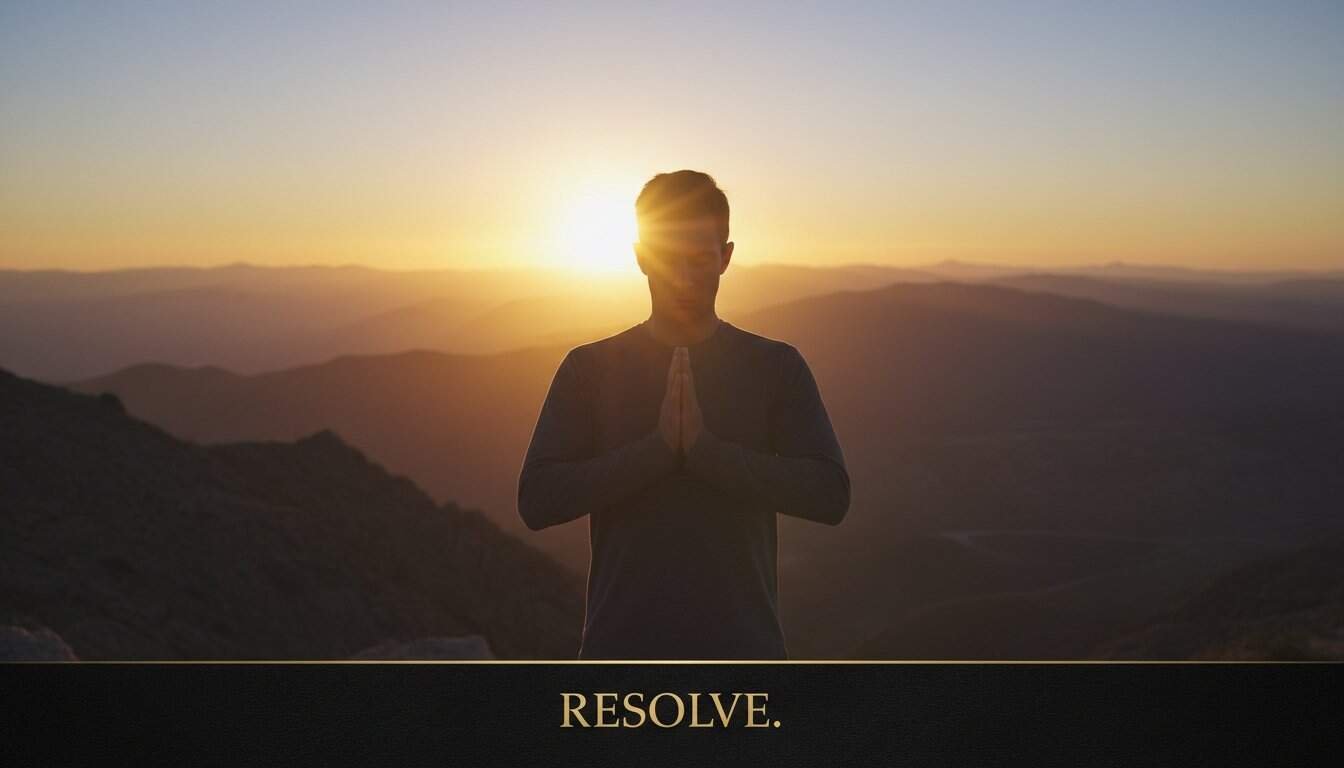
29 Jan The Strength Prayer That’s Helping People Overcome Anything
Structured prayer practices trigger measurable neurological changes that strengthen your resilience against overwhelming challenges. When you engage in breath-focused prayer techniques, your prefrontal cortex activates for enhanced decision-making while your amygdala’s fear responses diminish. Research shows that 30 minutes of daily prayer can alter brain function within two weeks, increasing serotonin and dopamine production while lowering cortisol levels. These neurochemical shifts create lasting improvements in your emotional regulation and stress management capabilities, with benefits peaking during acute crisis periods when you need strength most.
Table of Contents
Key Takeaways
- Prayer activates the prefrontal cortex and reduces amygdala activity, enhancing decision-making while diminishing fear responses during crises.
- Regular prayer practice triggers neurochemical changes, increasing serotonin, dopamine, and oxytocin while lowering stress hormones like cortisol.
- Breath-focused repetitive prayers create rhythmic patterns that activate the parasympathetic nervous system and strengthen stress-coping neural pathways.
- Prayer effectiveness peaks during acute stress periods, with daily practice showing superior outcomes for overcoming depression, anxiety, and uncertainty.
- Intensive prayer practice can alter brain function within two weeks, creating lasting neuroplastic changes that improve emotional regulation.
How Prayer Actually Builds Mental and Emotional Resilience

Prayer triggers measurable neurological changes that directly strengthen your brain’s capacity for resilience. SPECT scans reveal that prayer activates your prefrontal cortex, the brain region responsible for self regulation and decision-making, while simultaneously reducing activity in your amygdala, the fear center. This dual action promotes calm and enhances your emotional regulation capabilities.
During prayer, your brain increases serotonin production through neuroplasticity in emotional control regions. Enhanced serotonin activity improves your mood and reduces depression symptoms, creating a biological foundation for resilience. Prayer also activates your parasympathetic nervous system, lowering cortisol levels and reducing physiological stress responses.
The practice strengthens neural pathways for sustained attention and focus, building your capacity to manage challenging situations. Through contemplative prayer’s focused attention and deep breathing, you develop improved coping strategies. This neurological strengthening creates lasting changes that enhance your ability to navigate uncertainty and stress with greater emotional stability and mental clarity. Research shows that viewing prayer as a collaborative process with God leads to better mental and physical health outcomes, providing additional protective benefits against distress.
The Psychological Science Behind Prayer’s Stress-Relief Benefits
The physiological mechanisms underlying prayer’s stress-relief benefits reveal a sophisticated neurobiological process that directly counters your body’s stress response systems. When you engage in mindfulness prayer, your parasympathetic nervous system activates, reducing cortisol levels and lowering your heart rate. Your amygdala’s activity decreases, diminishing fear responses while strengthening neural pathways associated with emotional regulation.
Your brain releases dopamine and oxytocin during prayer, promoting feelings of joy and connection. Breath based gratitude practices enhance serotonin production through neuroplasticity, improving your mood and emotional well-being. The prefrontal cortex and anterior cingulate cortex activate during prayer, enhancing your emotional control capabilities.
Regular prayer sessions create lasting neurological changes through synaptic pruning, which diminishes negative thought patterns over time. This neurobiological transformation increases your resilience to stress, reduces anxiety responses, and builds stronger psychological coping mechanisms for managing life’s challenges effectively.
Proven Prayer Techniques That Strengthen Inner Resolve
How can specific prayer methodologies systematically enhance your psychological fortitude and emotional resilience? Research demonstrates that structured prayer practice produces measurable neurological changes that strengthen your inner resolve.
Breath-focused prayer activates your parasympathetic nervous system, reducing cortisol levels while enhancing emotional regulation. The Jesus Prayer and similar repetitive techniques create rhythmic breathing patterns that engage brain regions responsible for stress modulation. These two word ideas—rhythmic repetition—trigger serotonin synthesis, directly countering depressive symptoms.
Contemplative prayer strengthens neural pathways through consistent activation, following the principle that neurons firing together wire together. Brief prayer sessions improve sustained attention and self-control, particularly after emotional depletion. Studies show that intensive prayer practice produces brain function changes within two weeks when practiced thirty minutes daily.
Your prayer practice becomes most effective when combining focused breathing with collaborative spiritual meditation. This approach yields superior mental health outcomes compared to secular meditation, building pain tolerance and emotional resilience through systematic neural pathway reinforcement.
When Prayer Works Best for Overcoming Life’s Hardest Moments
Understanding prayer’s neurological mechanisms reveals only part of the equation—timing and context determine when prayer becomes most effective for navigating severe adversity. Research demonstrates that prayer’s efficacy peaks during acute stress periods when you’re confronting depression, anxiety, or fear. You’ll find private prayer particularly powerful, with daily practice showing 1.48 times higher survival rates over six years compared to infrequent prayer.
However, prayer’s relationship with anxiety becomes complex during crisis situations. While focus groups report prayer as helpful for mental health, frequent prayer specifically for health or financial problems correlates with elevated anxiety levels. You’re most likely to experience prayer’s benefits when approaching a caring, protective God rather than desperately seeking solutions. Large group prayer contexts show strongest outcomes for mental health, while private prayer excels for spiritual wellness. Like Biblical miracles, prayer’s effectiveness emerges through faithful consistency rather than crisis-driven desperation.
Real Examples of People Who Found Strength Through Prayer Practice
What transforms abstract research into tangible hope? Direct fieldwork observations from real practitioners reveal prayer’s measurable impact across diverse life challenges.
You’ll find documented cases where skeptical inquiry validates extraordinary outcomes. Sarah’s severe medical diagnosis showed unexpected improvement that amazed her physicians, who couldn’t explain her recovery trajectory. Another patient’s anticipated major colon surgery revealed only minor infection after family-sponsored prayer interventions—findings that astounded medical professionals.
Medical professionals remain astounded by unexplained recoveries following prayer interventions, with documented cases defying conventional treatment expectations.
Financial crises demonstrate prayer’s practical applications. Michael navigated job loss and mounting bills through prayer-derived clarity, securing new employment. A struggling nursing home experienced operational improvements during 40-day prayer periods, including successful state surveys and enhanced staffing.
Personal development cases show prayer facilitating relationship transformations and career transitions. One individual secured positions with leading investment companies following consistent prayer practice.
Crisis resolution examples include missing family members located safely through prayer guidance and documented tumor reduction of twenty percent within forty-eight hours of coordinated prayer efforts.
Frequently Asked Questions
Does It Matter if Other People Know You’re Praying for Them?
Yes, awareness significantly affects outcomes. Research shows you’ll create better results when recipients don’t know about your intercessory efforts. When people know they’re receiving prayer, complication rates increase to 59% versus 51-52% for unaware groups. This practice impact suggests transparency etiquette should favor discretion, as knowledge creates unrealistic expectations and stress. Your private prayer maintains therapeutic benefits while avoiding the negative psychological burden of awareness.
Can Prayer Actually Make Someone’s Situation Worse in Some Cases?
Yes, research shows prayer can worsen outcomes through negative effects. When you’re aware strangers are praying for you, complications increase significantly—59% versus 52% for uncertain patients. This awareness creates performance anxiety and unrealistic expectations. Supplication prayers predict greater next-day stress, while thanksgiving and adoration harm infrequent pray-ers’ well-being. These findings raise important ethical considerations about informed consent in prayer interventions.
Is Praying for Strangers as Effective as Praying for Loved Ones?
No, praying for strangers isn’t as effective as praying for loved ones. Research shows you’ll experience doubled survival rates when your prayer intentions focus on known family and friends versus strangers. When you pray for loved ones, you’re more likely to engage in cooperative behaviors and provide tangible support that enhances their emotional resilience. Stranger prayers lack these psychological and relational mechanisms that drive meaningful outcomes.
Do You Need to Believe in God for Prayer to Work?
You don’t need to believe in God for prayer to demonstrate measurable effects. Research shows prayer’s belief impact operates through stress reduction mechanisms – lowering heart rate, blood pressure, and metabolism regardless of deity concepts. However, scientific skepticism remains warranted since studies suggest prayer’s primary benefits affect the person praying rather than recipients. The calming, meditative aspects of prayer provide physiological benefits even when practitioners view it as mental energy rather than divine communication.
How Long Should You Pray to See Measurable Results?
Research suggests you’ll need at least 25 days of daily prayer to see immediate behavioral changes, though measurable outcomes for health benefits require 6+ years of consistent practice.
Daily prayer frequency shows the strongest correlation with survival rates and subjective health improvements. However, evidence remains inconclusive for shorter durations.
You’re more likely to notice self-reported wellness changes before objective clinical measures show significant differences.
Conclusion
You’ve seen how prayer functions as a measurable stress-reduction tool, activating your parasympathetic nervous system while building cognitive resilience. When you’re facing crisis situations, structured prayer techniques provide documented emotional regulation benefits. The research confirms prayer’s neurological impact on cortisol reduction and improved mental clarity. You’ll find prayer most effective when practiced consistently during calm periods, preparing your psychological framework for future challenges. Evidence shows prayer creates lasting behavioral changes that strengthen your capacity for overcoming adversity.












No Comments