


25 Jan Pre-Lent Tuesday 2026: The Forgotten Day Christians Should Know
Pre-Lent Tuesday, January 27th, 2026, marks the beginning of Septuagesima—a three-week preparatory season that ancient Christians observed before Ash Wednesday. You’ll discover this forgotten tradition provided gradual spiritual conditioning through progressive fasting, confession, and abstinence rather than abruptly entering Lent’s forty-day penance. Rooted in pre-Nicene practices and the Didache’s structured disciplines, this pivotal day established rhythmic preparation that distinguished sacred observance from secular carnival festivities. Understanding these ancient patterns will transform your entire Lenten experience.
Table of Contents
Key Takeaways
- Pre-Lent Tuesday falls on February 17, 2026, marking the final day before Ash Wednesday begins Lent.
- Known as Shrove Tuesday, this day traditionally focused on confession and spiritual preparation rather than carnival festivities.
- The term “shrove” comes from shriving, where Christians would confess sins and receive absolution before Lent.
- Anglo-Saxon churches rang the “Pancake Bell” to call parishioners for final confessions and feasting before fasting.
- This forgotten tradition emphasizes spiritual readiness over secular celebrations, preparing hearts for meaningful Lenten observance.
Understanding Pre-Lenten Season: From Septuagesima to Shrove Tuesday

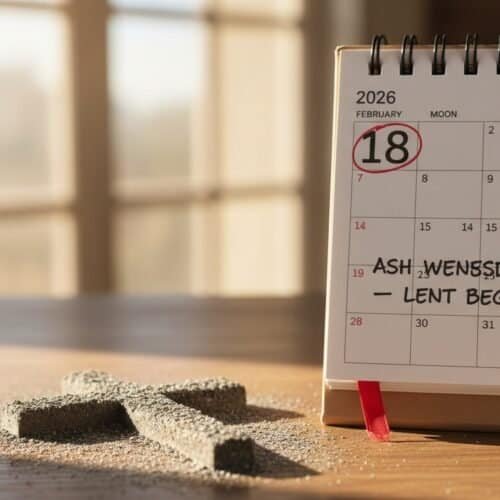
Why do most Christians enter Lent unprepared, rushing headlong into forty days of penance without the gradual spiritual conditioning their predecessors understood as essential? The Pre-Lenten season, spanning three weeks before Ash Wednesday on February 18, 2026, provides crucial spiritual scaffolding beginning with Septuagesima Sunday.
Most Christians rush into Lent’s rigorous demands without the gradual spiritual conditioning that Pre-Lenten preparation provides.
This forgotten framework intensifies prayer, fasting, and reflection progressively, allowing believers to transition from ordinary time into Lent’s rigorous demands.
Unlike secular carnival celebrations that characterize Shrove Tuesday, authentic Pre-Lenten observance emphasizes confession and reconciliation. The term “shrove” itself derives from absolution practices, not pop culture festivities.
Eastern Orthodox traditions maintain distinct observances including Zacchaeus Sunday and Publican & Pharisee Sunday, while Western churches historically observed Septuagesima through Quinquagesima. Following this preparatory season, Orthodox Christians enter the Nativity Fast which serves as their primary pre-Christmas preparation period.
This preparatory period establishes spiritual momentum essential for meaningful Lenten discipline, transforming what should be gradual sanctification into rushed religious obligation when neglected.
Ancient Church Origins of Pre-Lenten Fasting and Confession Practices
How did the earliest Christians transform simple pre-Easter fasting into the elaborate Pre-Lenten framework that would shape centuries of spiritual preparation?
You’ll discover that pre nicene fasting began as intense 40-hour Paschal observances, documented by Saint Irenaeus in the second century. These practices drew from Jewish Passover traditions, where communities fasted before breaking with ceremonial meals. The Didache prescribed structured fasting twice weekly, establishing rhythmic spiritual discipline.
Fourth-century developments revolutionized this framework through catechumenate baptism requirements. The Traditio Apostolica mandated Friday fasting and Saturday vigils for baptismal candidates, transforming Lent’s purpose from purely Paschal preparation into sacramental formation. Jesus’s 40-day desert fast provided scriptural foundation, mirroring Israel’s exodus journey.
Shrove Tuesday Traditions: Confession, Feasting, and Spiritual Preparation
Countless medieval Christians understood Shrove Tuesday as far more than mere preparation for Lent—it represented the culminating moment when confession, feasting, and spiritual resolve converged into transformative sacred practice.
You’ll discover that the term “shrove” derives from *shrive*, meaning to hear sins and grant absolution. Anglo-Saxon believers visited churches as the “Pancake Bell” summoned them to confess before Lent’s commencement. This wasn’t merely ritual obligation but essential spiritual cleansing.
Confession misconceptions often minimize this day’s profound significance. Your ancestors understood that entering Lent without proper confession rendered the entire season spiritually compromised. They demonstrated feast fidelity by consuming eggs, milk, and fat—ingredients forbidden during Lenten fasting—while symbolically using pancakes to represent the sun’s warmth.
Churches burned blessed palm branches from previous Palm Sundays, creating ashes for Ash Wednesday‘s penitential rites. You’re witnessing the Church’s wisdom: confession purified souls, feasting honored God’s provision, and spiritual preparation ensured authentic Lenten discipline.
How to Observe Traditional Pre-Lenten Practices in Modern Life
Where might contemporary believers rediscover the Church’s ancient wisdom regarding pre-Lenten preparation? You can begin by implementing progressive abstinence three weeks before Ash Wednesday, gradually eliminating meat, dairy, and eggs as our forebears practiced during Septuagesima, Sexagesima, and Quinquagesima. Traditional fasting emerges through simplifying your diet weekly, clearing indulgent foods systematically rather than attempting abrupt changes.
Consider establishing family discussions during themed Sunday meals, formulating Lenten resolutions together as communities once did. You’ll find liturgical gardening—removing decorative elements from your prayer space, omitting joyful hymns, adopting purple vestments if you lead worship—creates the somber atmosphere Scripture calls “a time to mourn” (Ecclesiastes 3:4).
Practice mini-acts of charity weekly, building almsgiving habits before Lent’s formal commencement. Host simplified evening prayer sessions adapting Compline or Vespers for home use. These ancient rhythms prepare your soul progressively, echoing the Church’s wisdom that spiritual preparation requires gradual intensification rather than sudden transformation.
Pre-Lenten Spiritual Disciplines That Enhance Your Lenten Journey
When ancient Christians understood that spiritual transformation required deliberate preparation, they developed pre-Lenten disciplines that created fertile ground for Lenten growth rather than waiting for Ash Wednesday’s abrupt call to repentance.
Pre lent fasting begins gradually during Septuagesimatide, allowing your body and spirit to adjust before Lent’s intensity. You’ll find Wednesday and Friday fasting, rooted in the second-century Didache, creates sustainable rhythms rather than shocking your system. This gentle progression mirrors Jesus’ own preparation for ministry.
Confession traditions during pre-Lent establish patterns of self-examination that deepen throughout Lent. You’re invited to practice Ignatius of Loyola’s daily examen, listing consolations and desolations that reveal God’s movement in your life. Corporate confession during pre-Lenten worship prepares your community for communal repentance.
Intensifying almsgiving and prayer creates disciplined habits that won’t falter when Lenten demands increase. These preparatory disciplines transform Lent from mere obligation into genuine spiritual pilgrimage toward Easter’s transformative celebration.
Frequently Asked Questions
What Specific Date Will Pre-Lent Tuesday Fall on in 2026?
You’ll observe Pre Lent dates place February 17, 2026 as Shrove Tuesday, preceding Ash Wednesday’s penitential season.
Scripture instructs “Train up a child in the way he should go” (Proverbs 22:6), making fasting practices for children crucial preparation.
You’re called to enter Lenten discipline thoughtfully, as Christ fasted forty days.
This final feast day represents your last opportunity before entering the wilderness of self-denial and spiritual preparation.
Do Protestant Denominations Observe Pre-Lent or Only Catholic and Orthodox Churches?
You’ll find most Protestant denominations don’t observe Pre-Lent Tuesday, as they’ve largely abandoned pre-Lenten seasons during Reformation reforms. While Anglicans and some Lutherans maintain fuller liturgical calendars that may acknowledge Septuagesima traditions, evangelical Protestants typically begin Easter anticipation with Ash Wednesday. Unlike Catholic and Orthodox churches that preserve ancient fasting preparations, Protestant fasting practices generally commence with Lent proper, reflecting theological emphasis on Scripture over ecclesiastical tradition.
Are There Different Pre-Lent Customs Between Eastern and Western Christianity?
You’ll find significant differences in pre-Lent symbolism between Eastern and Western Christianity. Eastern traditions emphasize Forgiveness Sunday’s reconciliation ceremony, while Western churches historically observed Septuagesima’s gradual preparation. Regional practices vary dramatically: Byzantines suspend the anaphora during weekdays, Romans cease Alleluia chanting. Eastern Christians practice comprehensive dietary restrictions, whereas Western tradition limits fasting to specific days, reflecting distinct theological emphases on penitential preparation.
Can Children Participate in Pre-Lenten Fasting or Are There Age Restrictions?
Children aren’t bound by formal fasting obligations, which begin at eighteen according to Canon 1252-1253, but you can certainly invite them into age-appropriate penitential practices during pre-Lenten seasons. Consider encouraging children fasting from sweets or extra snacks rather than full meals. These age guidelines reflect pastoral wisdom—while canonical obligations don’t apply, you’re called to form young hearts in penance’s true meaning, preparing them for Christ’s sacrificial love.
What Foods Are Traditionally Forbidden During Pre-Lent Versus Regular Lent?
You’ll find that pre-Lenten fasting practices traditionally require abstaining only from meat, while dairy, fish, and eggs remain permissible—reflecting gradual spiritual preparation.
During regular Lent, foods avoided become more restrictive: Catholics must abstain from meat on Fridays and fast on Ash Wednesday and Good Friday.
Orthodox traditions intensify further, potentially eliminating fish, dairy, oil, and wine depending on your chosen fasting level, echoing Christ’s forty-day desert preparation.
Conclusion
You’ll discover that embracing pre-Lenten traditions isn’t mere nostalgia—it’s biblical wisdom incarnate. As Scripture teaches, “Let all things be done decently and in order” (1 Corinthians 14:40), and gradual spiritual preparation honors this principle. You’re called to enter Lent with intentionality, not haste. These ancient practices—confession, fasting, and contemplation—prepare your heart for Christ’s passion. Don’t let modernity eclipse wisdom. You’ll find that proper preparation transforms Lent from obligation into sanctification.











No Comments