

23 Apr How To Observe Whit Sunday In Christian Churches
You’ll start by finding a quiet spot for prayer, asking the Holy Spirit to fill your heart with anticipation. Read Acts 2 and journal simple reflections, using a short mantra like “Come, Holy Spirit.” During the service, sing Pentecost hymns, listen for a symbolic “wind” ceremony, and enjoy a water blessing that links baptism to the Spirit’s arrival. Share coffee, pastries, and testimonies with neighbors, then pray together for ongoing outreach. Continue exploring to discover deeper ways to keep the Pentecost spirit alive through Easter.
Table of Contents
What Is Whit Sunday and Why It Matters to Christians
Why does Whit Sunday matter? You see, it marks the day the Holy Spirit descended on the apostles, igniting the birth of the Church. This event transforms belief into mission; the Spirit empowers you to speak boldly, love fiercely, and serve selflessly.
Recognizing Whit Sunday reminds you that faith isn’t static—it’s a living, breathing force that fuels community and personal growth.
You experience its significance through worship, prayer, and the symbolism of the dove and fire. The liturgy often includes the “Veni Creator Spiritus” hymn, inviting the Spirit’s presence into your heart.
How to Prepare Spiritually for the Pentecost Celebration
You can start by finding a quiet place where you can reflect on God’s work in your life. Let prayer fill your heart with anticipation, inviting the Holy Spirit to guide you. This preparation sets the tone for a meaningful Pentecost celebration.
Seek Quiet Reflection
Ever wondered how to ready your heart for Pentecost? Find a quiet spot, dim the lights, and breathe deeply. Close your eyes, let distractions melt away, and focus on the breath of the Holy Spirit. Visualize the wind that once stirred the apostles, feeling its gentle push within you. Read a short passage from Acts, then pause—let the words settle like incense. Write a brief note about what you sense, keeping it honest and simple. Return to the stillness, repeating a short mantra such as “Come, Holy Spirit.” Allow this rhythm to calm your mind and open your soul, so you arrive at worship with a clear, receptive heart.
Embrace Prayerful Anticipation
How can you turn anticipation into a prayerful posture that prepares you for Pentecost? Begin by setting aside a quiet moment each morning, breathing slowly, and inviting the Holy Spirit to guide your thoughts. Speak openly, asking God to heighten your sensitivity to the promised gifts. Write brief prayer notes that capture your hopes for the coming celebration, then reread them before each worship service. Use Scripture—Acts 2, Joel 2:28‑32—to frame your petitions, letting the words shape your expectations. As you wait, practice listening: pause, silence the mind, and sense any gentle nudges. This intentional, heartfelt waiting transforms idle excitement into a focused, reverent readiness for the outpouring of Pentecost.
Typical Liturgical Elements in a Whit Sunday Service
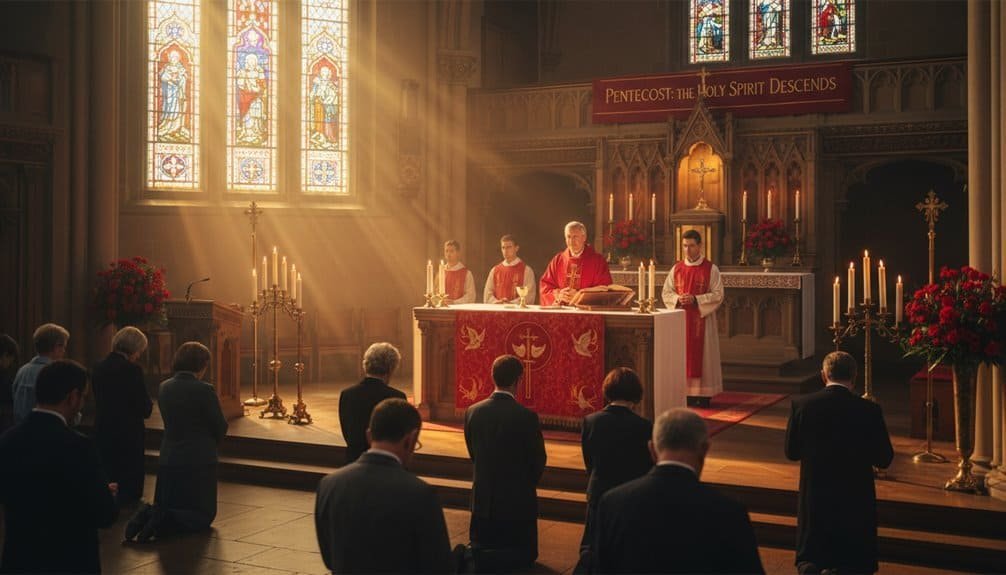
When you attend a Whit Sunday service, you’ll hear uplifting Pentecost hymns that celebrate the Spirit’s arrival.
The pastor often leads a symbolic water blessing, reminding you of renewal and the Holy Spirit’s presence.
These elements together create a vibrant, communal experience of the feast.
Pentecost Hymnody
What makes Pentecost hymnody so distinctive is its blend of ancient chants and modern worship songs that together celebrate the Spirit’s arrival. You’ll hear the “Veni Creator” or “Spirit of the Living God” sung in a reverent, modal tone, then transition into contemporary choruses like “Holy Spirit” by Bryan K. Cox. The choir often lifts a canticle, while the congregation repeats a responsive refrain, creating a call‑and‑response dynamic that mirrors the biblical outpouring. Instruments may shift from organ to acoustic guitar, yet the lyrical focus stays on fire, wind, and renewal. You’re invited to join in, letting the melody carry the theological truth that the Holy Spirit empowers the church today.
Symbolic Water Blessing
When the congregation gathers around the font or baptismal pool, the pastor pours a small amount of blessed water over each participant’s hands, symbolizing the Spirit’s outpouring and the new life promised on Whit Sunday. You feel the cool droplets as a tangible reminder of the Holy Spirit’s presence.
The water, consecrated earlier with prayer and Scripture, links the ancient rite of baptism to today’s celebration of Pentecost. As you lift your hands, you join a communal affirmation that the Spirit dwells within each believer. The pastor may invite you to repeat a short prayer, reinforcing the promise of renewal. This simple act unites the assembly, deepens personal reflection, and highlights the transformative power of the Holy Spirit.
Incorporate Hymns That Honor the Holy Spirit
Even as the congregation gathers, choosing hymns that celebrate the Holy Spirit can set a reverent tone for Whit Sunday; select songs whose lyrics speak of the Spirit’s presence, guidance, and empowerment, and weave them into the service to invite worshippers into a deeper experience of divine inspiration. Pick a mix of classic and contemporary pieces—“Holy Spirit, Living Breath,” “Come, Holy Ghost,” and “Spirit of the Living God” each highlight different facets of the Holy Spirit. Arrange the music flow so that an opening hymn opens hearts, a mid‑service anthem reinforces the sermon, and a closing song sends the congregation out with renewed vigor. Encourage the choir and musicians to emphasize dynamic crescendos that mirror the wind‑like movement of the Spirit. Provide lyric sheets for those unfamiliar, and briefly explain each hymn’s theological focus before singing, ensuring every voice joins in a unified, Spirit‑filled worship.
Guide Children Through Age‑Appropriate Pentecost Activities
Looking for fun ways to help kids grasp Pentecost’s meaning? Start with a “Wind‑Blown” craft: give each child a paper wind‑sock, let them paint bright colors, then attach a small fan to simulate the Holy Spirit’s breath. Explain that the wind represents the Spirit’s power.
Next, organize a “Tongues of Fire” relay: place soft red ribbons at one end, have children run, grab a ribbon, and shout a simple prayer as they return, symbolizing the disciples speaking in new languages.
For younger ones, try a “Holy Spirit Treasure Hunt” using picture cards of doves, flames, and water; each find earns a short story about how the Spirit guides us.
End with a brief, interactive prayer where kids whisper a wish into a paper lantern and release it together, visualizing the Spirit’s light spreading. These activities keep the lesson lively, age‑appropriate, and memorable.
Choose Scripture That Highlights the Church’s Birth
Which passage best captures the moment the Church began? You’ll find it in Acts 2:42‑47, where believers gather, share meals, and praise together. This scene shows the Spirit‑filled community forming right after Pentecost. Pair it with 1 Peter 2:9, which declares believers “a chosen people, a royal priesthood, a holy nation.” Together they illustrate the birth of a living, covenant‑keeping body. Use John 20:19‑23 to highlight the early disciples’ commissioning and forgiveness, reinforcing the Church’s mission. When you select these verses, read them aloud, pause for reflection, and invite participants to see how the Holy Spirit ignites fellowship, worship, and mission. Emphasize that each passage points to a distinct facet: communal devotion, divine identity, and apostolic authority. By weaving them into your Whit Sunday service, you help the congregation experience the very moment the Church came to life.
Organize Community Fellowship and Outreach on Whit Sunday
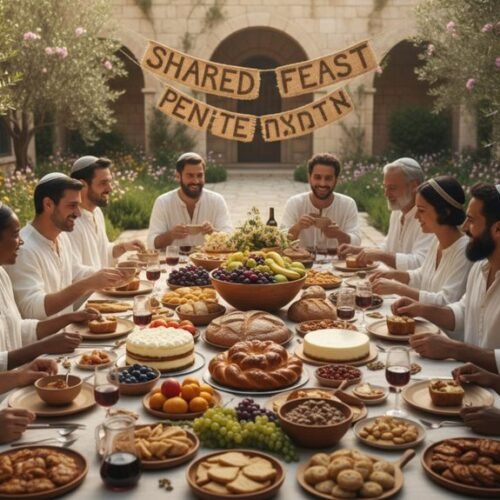
Often, you’ll find that the most impactful Whit Sunday outreach starts with a simple, welcoming fellowship hour. Invite neighbors, families, and newcomers to share coffee, pastries, and a brief testimony about the Holy Spirit’s work. Set up a comfortable seating area, play soft instrumental worship, and provide name tags to spark conversation. After the hour, transition to a short, interactive service where you explain the significance of Pentecost and encourage participants to pray together for the community’s needs.
Organize a service service that addresses local concerns—food security, youth mentorship, or neighborhood clean‑ups. Pair volunteers with specific tasks, give clear instructions, and supply necessary materials. Promote the event through social media, church bulletins, and flyers posted at community centers. Follow up with thank‑you notes and a recap email, inviting attendees to join future gatherings. This blend of fellowship and purposeful outreach embodies Whit Sunday’s spirit and builds lasting relationships.
Keep the Pentecost Spirit Alive Through Easter
Ever wonder how the fire of Pentecost can linger beyond its traditional celebration? You can keep that Spirit alive through Easter by weaving its themes into every service and activity. Begin each Sunday with a short prayer that recalls the Holy Spirit’s descent, then transition to the resurrection narrative, highlighting how the Spirit empowers new life. Invite worshippers to share personal testimonies of spiritual renewal, creating a continuous thread from Pentecost to Easter. Use music that blends “Holy Spirit” hymns with resurrection anthems, letting the lyrics reinforce both events. Incorporate a symbolic “wind” ceremony—lightly waving ribbons or incense—to remind the congregation of the Spirit’s presence. Encourage small groups to study how the Spirit fuels discipleship after the resurrection, and plan service projects that embody the love and power celebrated on both days. This intentional integration ensures the Pentecost fire fuels your Easter worship.
Frequently Asked Questions
What Are Traditional Whit Sunday Colors for Church Décor?
You’ll find white and gold dominate traditional Whit Sunday décor. White symbolizes the Holy Spirit’s purity, while gold adds a celebratory glow. You might also see pastel blues or soft greens as accents, but the core palette stays white and gold. Use white drapings, golden candles, and ivory linens, then sprinkle in subtle pastel flowers or ribbons for a gentle, uplifting atmosphere.
How Can I Safely Host a Virtual Pentecost Service?
You can host a safe virtual Pentecost by choosing a reliable video platform, setting a password, and enabling a waiting room.
Test audio, video, and screen‑share before the service.
Share clear instructions with participants, and remind them to mute when not speaking.
Use a stable internet connection, keep personal data private, and record the session only if everyone consents.
Finally, have a backup plan for technical glitches.
Do Whit Sunday Traditions Differ Between Denominations?
Yes, Whit Sunday traditions vary across denominations. In Catholic and Anglican churches, you’ll often see candles lit, hymns praising the Holy Spirit, and a special Mass or Eucharist.
Pentecostal and Charismatic congregations typically emphasize speaking in tongues, lively worship, and spontaneous prayer.
Lutheran and Reformed services might focus on Scripture readings about the Spirit and a more subdued liturgy. Each tradition reflects its theological emphasis while honoring the same biblical event.
What Foods Are Customary for Whit Sunday Fellowship Meals?
You’ll find simple, comforting dishes on Whit Sunday fellowship tables. Many churches serve hot cross buns or sweet rolls, symbolizing the Holy Spirit’s fire. Traditional fare includes roasted chicken, mashed potatoes, and seasonal vegetables like asparagus or carrots. Some congregations add fruit pies, puddings, or a cheese platter. If you’re in a Methodist or Baptist setting, you might also see honey‑glazed ham and baked beans, while Anglican gatherings often feature tea and scones.
Can Whit Sunday Be Celebrated on a Different Date if Needed?
Yes, you can celebrate Whit Sunday on another date if necessary, but you should keep the theological meaning intact.
Move the service to the next Sunday that follows Pentecost, or pick a day that works for your congregation while still linking it to the 50‑day count after Easter.
Communicate the change clearly, adjust any liturgical readings, and ensure participants understand why the shift respects both tradition and practical needs.
Conclusion
So, as you step into Whit Sunday, remember the Holy Spirit’s fire that sparked the church’s birth. Let the prayers, hymns, and fellowship you’ve prepared lift every heart. Keep the Pentecost flame glowing beyond the service—share its joy in daily life, and watch your community grow stronger, united by the same divine inspiration.








No Comments