

09 Mar Global Traditions Marking the Day After Resurrection
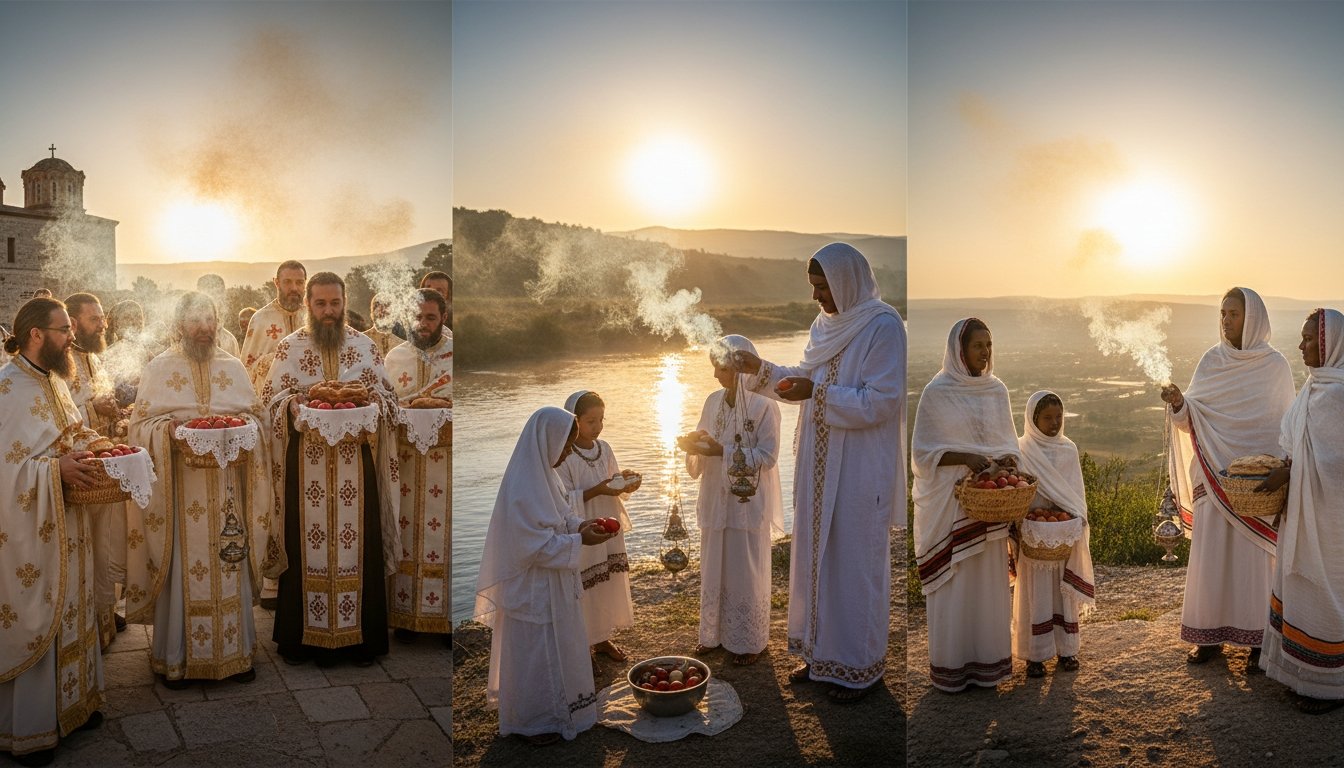
After the solemn celebration of Easter Sunday, the world erupts into a vibrant tapestry of cultural traditions on Easter Monday. From egg-rolling games in the UK to maple syrup festivals in Canada, communities across the globe honor the transition and renewal of spring. Whether unwinding with family or engaging in symbolic activities, this day provides a chance for reflection and joy. Delve deeper to uncover the diverse ways Easter Monday is celebrated worldwide.
Table of Contents
Key Takeaways
- Diverse cultural celebrations on Easter Monday, such as egg-rolling games, maple syrup festivals, and water-throwing traditions, honor the resurrection.
- Common activities include egg hunts, kite-flying, and special dish preparation, symbolizing renewal, transition, and the celebration of life’s cycles.
- Easter Monday is viewed as a day of respite and reflection, allowing time for introspection and reconnection with family and community.
- Springtime festivals and egg-decorating contests are held across cultures to mark the transition and rebirth associated with the day after Easter.
- Global Easter Monday celebrations share themes of letting go of the past, embracing the future, and celebrating the cycle of seasons and life.
Diverse Easter Monday Traditions Around the Globe
After the solemn observance of Easter Sunday, many countries around the world celebrate the day after with a variety of unique traditions. In the United Kingdom, folks enjoy a game of “egg-rolling” where they race hard-boiled eggs down grassy slopes. Across the Atlantic, Canadians gather for maple syrup-making festivals, while Jamaicans revel in lively street parties. Hungarians delight in the custom of “water-throwing,” where men playfully drench women with perfumed water. In Poland, children wake up to find their shoes filled with small gifts, a tradition known as “Śmingus-Dyngus.” From egg hunts in Germany to kite-flying in Chinese communities, Easter Monday brims with diverse cultural celebrations that honor the resurrection in joyful ways.
A Day of Respite and Reflection
Why do many see Easter Monday as a day of respite and reflection? After the celebrations and rituals of Easter Sunday, it’s a chance to unwind and contemplate. The frenetic pace of Holy Week gives way to a slower tempo, allowing time for introspection. Some attend church services, while others simply enjoy the day off, reconnecting with family and friends. It’s a day to pause, recharge, and consider the deeper meaning of the holiday. For many, it’s a welcomed break from the norm, a chance to step back and find renewal. Whether through quiet contemplation or shared fellowship, Easter Monday offers a valuable opportunity for spiritual refreshment and personal growth.
Celebrating Transition and Renewal
How do cultures around the world celebrate the transition and renewal symbolized by Easter Monday? Many communities hold springtime festivals, feasting, and community gatherings. In parts of Europe, egg-rolling contests and egg-decorating contests are popular traditions. In the Philippines, families fly kites symbolizing their hopes and dreams for the year ahead. In parts of Latin America, people clean their homes and prepare special dishes to mark the occasion. Across the globe, the day after Easter is a time to reflect on rebirth, to let go of the past, and to embrace the promise of the future. It’s a chance to come together, to celebrate life, and to honor the cycle of seasons.
Frequently Asked Questions
What Is the Cultural Significance of Easter Monday Traditions?
Easter Monday traditions hold cultural significance as a day to celebrate renewal and community. You’ll find people engaging in outdoor activities, visiting family and friends, and participating in local events. It’s a time to unwind after the solemnity of Good Friday and the joy of Easter Sunday, fostering togetherness and marking the start of spring.
How Do Families Typically Commemorate the Day After Easter?
Many families take it easy on Easter Monday, enjoying a relaxed day off work or school. Some visit with extended family, attend religious services, or participate in outdoor activities like picnics and egg hunts. It’s a day to reflect on the spiritual meaning of the Easter holiday and spend quality time with loved ones before returning to the normal routine.
What Are the Common Activities During Easter Monday Celebrations?
On Easter Monday, families often gather for outdoor activities like picnics, egg hunts, and games. Some attend church services or visit cemeteries to honor loved ones. In some countries, it’s a public holiday with parades, live music, and traditional dances. Many people take the day to relax and spend quality time with loved ones, continuing the Easter celebration.
How Do Easter Monday Traditions Vary Across Different Regions?
Easter Monday traditions can vary greatly across regions.
In some places, it’s a day for outdoor activities like egg hunts and picnics.
In others, it’s a time for religious observances or cultural festivals.
You might find people exchanging gifts, participating in parades, or simply taking a relaxing day off work.
The customs reflect the unique history and beliefs of each community.
What Is the Historical Origin of the Day After Easter Celebrations?
The historical origin of the day after Easter celebrations stems from the Christian tradition of commemorating the resurrection of Jesus Christ. This day, known as Easter Monday, is observed in many countries as a public holiday, allowing for the continuation of festivities and observances that began on Easter Sunday. The specific traditions and customs vary across different regions, reflecting the diversity of cultural and religious practices associated with this significant event in the Christian calendar.
Conclusion
After the solemnity of Easter, you can now enjoy a day of respite and renewal. Whether it’s egg-decorating in Poland, water-fights in Hungary, or a pilgrimage in the Philippines, the traditions marking this day celebrate the transition to a new season of hope and growth. Take this opportunity to reflect on the spirit of the occasion and embrace the sense of community and rejuvenation that these global customs embody.







No Comments