

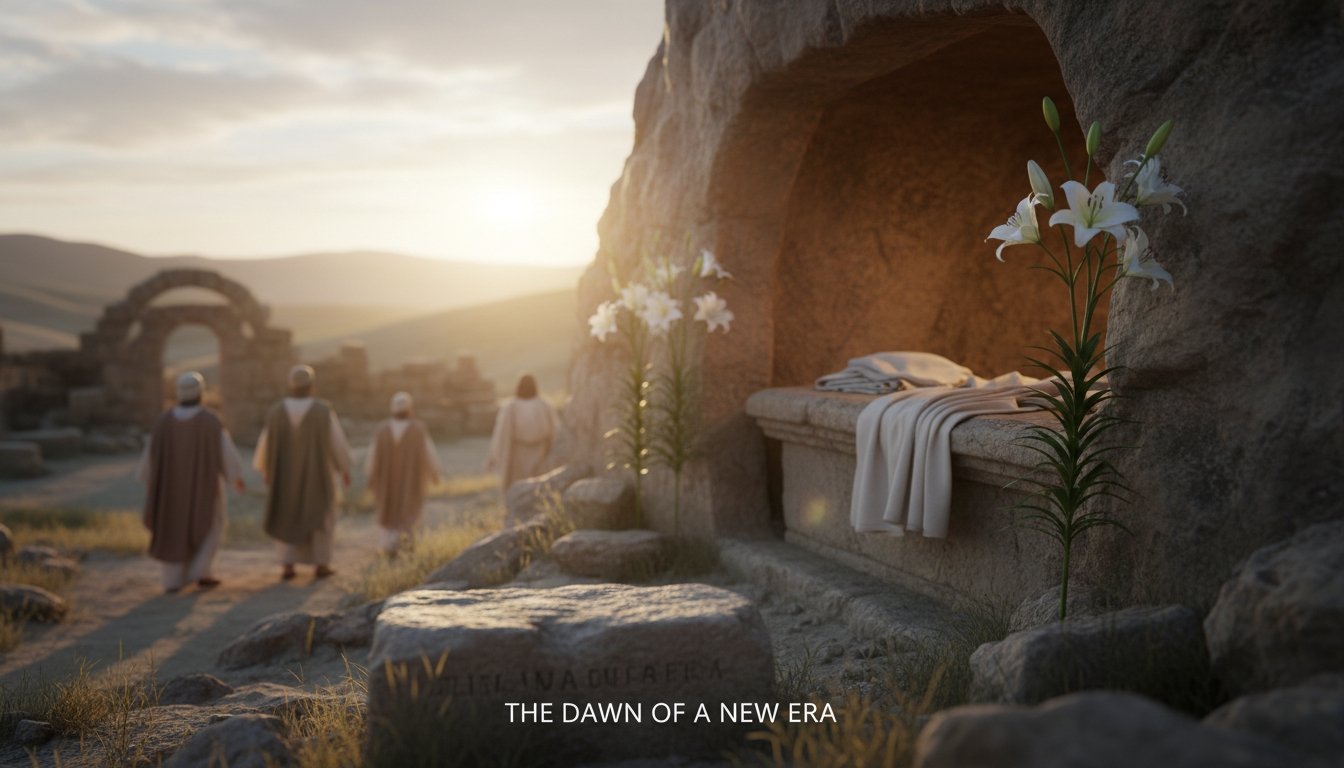
02 Mar Easter Monday: Historical Origins and Biblical Meaning
Easter Monday traces its origins back to the fourth century AD, marking the day after Jesus Christ’s resurrection. This observance has evolved over the centuries, with many regions celebrating it as a day of recreation, relaxation, and commemorating Christ’s triumph over death. If you’d like to explore the deep biblical roots and global traditions of this meaningful day, there’s more to discover.
Key Takeaways
- Easter Monday originated in the 4th century AD, commemorating Christ’s resurrection and the new life it signifies for believers.
- The day reflects post-resurrection appearances of Jesus to his disciples, validating his triumph over death.
- Easter Monday traditions across Europe and globally, such as egg decorating and water-related activities, have evolved from the religious origins.
- The day encourages reflection on the spiritual meaning of the resurrection, including hope, redemption, and God’s enduring love.
- The resurrection narrative represents a new era of optimism, forgiveness, and compassion for believers to apply in their daily lives.
The Origins and Historical Significance of Easter Monday
What’s the origin and historical significance of Easter Monday? This Christian holiday originated in the fourth century AD, as a day of celebration following Easter Sunday. It marks the day after Jesus Christ’s resurrection, as recounted in the Bible.
Over the centuries, Easter Monday evolved into a day of recreation and relaxation for many. In some countries, it’s observed as a national public holiday, allowing people to spend time with family, partake in traditional activities, and reflect on the religious significance of the Easter season.
The historical roots of Easter Monday stem from the early Christian church’s desire to commemorate Christ’s triumph over death and the hope of new life that his resurrection represents.
The Biblical Roots of the Easter Monday Observance
Why does the biblical account of Jesus’ resurrection form the foundation for the observance of Easter Monday? After his crucifixion on Good Friday, Jesus rose from the dead on the third day – Easter Sunday.
The day after, Easter Monday, commemorates Christ’s post-resurrection appearances to his disciples. The Gospelssdescribe how Jesus joined two travelers on the road to Emmaus and later appeared to his apostles, offering proof of his triumph over death.
This biblical narrative is the basis for the Christian tradition of celebrating Easter Monday. It’s a day to reflect on the significance of the resurrection and its profound implications for the faithful. The observance of Easter Monday flows directly from the New Testament’s testimony about Christ’s victory over the grave.
Global Traditions and Celebrations of Easter Monday
How do Easter Monday traditions and celebrations vary around the world? Across Europe, it’s a day of egg decorating, water fights, and feasting. In Poland, you’ll find sprinklings of water and gentle whippings with willow branches. Hungarians toss water on women, then expect a small payment. In the Czech Republic, men playfully whip women with decorated handmade whips. In parts of Germany, “Easter water” is collected and used for beauty rituals. In the United Kingdom, egg-rolling contests and parades are popular. In the Caribbean, it’s a day for wearing bright colors, eating traditional foods, and partying. In the Philippines, it’s a somber day of penitence, with re-enactments of Christ’s crucifixion. Regardless of the customs, Easter Monday celebrates renewal, rebirth, and the promise of spring.
The Spiritual Meaning of Easter Monday in Christianity
While the global traditions and celebrations of Easter Monday are rich and diverse, the day also holds deep spiritual significance for Christians. Easter Monday marks the day after the resurrection of Jesus Christ, a pivotal moment in Christian faith. It’s a time to reflect on the triumph of life over death and the promise of eternal life.
Christians may attend special church services, engage in prayer and meditation, and recommit themselves to living according to Christ’s teachings.
The spiritual meaning of Easter Monday reminds believers of the profound hope and redemption found in the Easter story. It’s a day to celebrate the transformative power of faith and the enduring grace of God’s love.
Connecting Easter Monday to the Resurrection of Jesus
The Resurrection of Jesus is the cornerstone of Christian faith. On Easter Monday, believers commemorate Christ’s triumph over death and the promise of eternal life. Exploring the biblical significance of this pivotal event can deepen your understanding of its spiritual meaning.
The Resurrection Narrative
Why does Easter Monday hold such profound significance for Christians worldwide?
At the heart of the Easter celebration lies the triumphant Resurrection of Jesus Christ, as recounted in the biblical gospels.
On that fateful day, the tomb where Jesus had been laid was found empty, and He appeared to His disciples, validating His divine mission and conquering the power of death.
This miraculous event is the cornerstone of Christian faith, affirming Jesus’ identity as the Son of God and the promise of eternal life for all who believe in Him.
It’s this profound spiritual meaning that imbues Easter Monday with deep reverence and joy for the faithful.
Biblical Significance
For Christians, Easter Monday holds a profound biblical significance, as it commemorates the triumphant Resurrection of Jesus Christ. This pivotal event, foretold in the Scriptures, marks the fulfillment of God’s plan for salvation. It affirms Christ’s divinity, validates His teachings, and secures the promise of eternal life for all who believe.
The Resurrection symbolizes the defeat of sin, death, and the powers of darkness, and ushers in a new era of hope, redemption, and the restoration of the relationship between God and humanity. Easter Monday, then, is a celebration of Christ’s victory and a reminder of the transformative power of faith in the risen Savior.
Applying the Lessons of Easter Monday to Daily Life
How can the lessons of Easter Monday be applied to our daily lives? The resurrection of Jesus offers hope and the promise of new life. This should inspire us to embrace change and see obstacles as opportunities for growth. Just as Christ overwhelmed death, we can overcome our own struggles and setbacks. Additionally, the act of forgiveness demonstrated on Easter Monday reminds us to let go of grudges and resentment. Extending grace to others, even those who’ve wronged us, frees us from the burden of bitterness. Ultimately, the joy and renewal of Easter Monday can motivate us to approach each day with a spirit of optimism, faith, and compassion.
Frequently Asked Questions
Is Easter Monday a Public Holiday?
Yes, Easter Monday is a public holiday in many countries. It’s observed the day after Easter Sunday, which commemorates the resurrection of Jesus Christ. Many businesses and schools are closed, and people often spend the day with family, engage in religious observances, or participate in traditional activities like egg hunts.
Can Easter Monday Be Celebrated on Different Dates?
Yes, Easter Monday can be celebrated on different dates. The date of Easter Monday is determined by the date of Easter, which is calculated based on the lunar calendar. As a result, the date of Easter Monday can vary from year to year, typically falling between late March and late April.
What Is the Connection Between Easter Monday and Spring?
Easter Monday is closely tied to the spring season because it always falls one day after Easter Sunday, which is celebrated based on the vernal equinox.
As the first full moon after the spring equinox, Easter marks the transition from winter to spring, and Easter Monday continues this celebration of renewal, rebirth, and the changing of the seasons.
How Does Easter Monday Differ From Easter Sunday?
Easter Monday differs from Easter Sunday in that it’s not the main day of the Christian holiday.
While Easter Sunday commemorates the resurrection of Jesus, Easter Monday doesn’t have the same biblical significance.
Instead, it’s a public holiday in many countries, celebrating the arrival of spring and the renewal of nature.
Can Non-Christians Celebrate Easter Monday?
Absolutely! Non-Christians can certainly celebrate Easter Monday. While it’s a Christian holiday, the day is often observed more secularly, with family gatherings, egg hunts, and other festive activities. You don’t need to be Christian to enjoy the spirit of the day and spend time with loved ones. The origins and religious meanings aren’t necessary to participate in the cultural traditions.
Conclusion
You’ve now explored the rich history and biblical significance of Easter Monday. It’s a time to reflect on the power of the resurrection and how its lessons can guide your daily life. Embrace the joy and hope of this sacred day, and let it inspire you to live with renewed faith, purpose, and compassion.











No Comments