

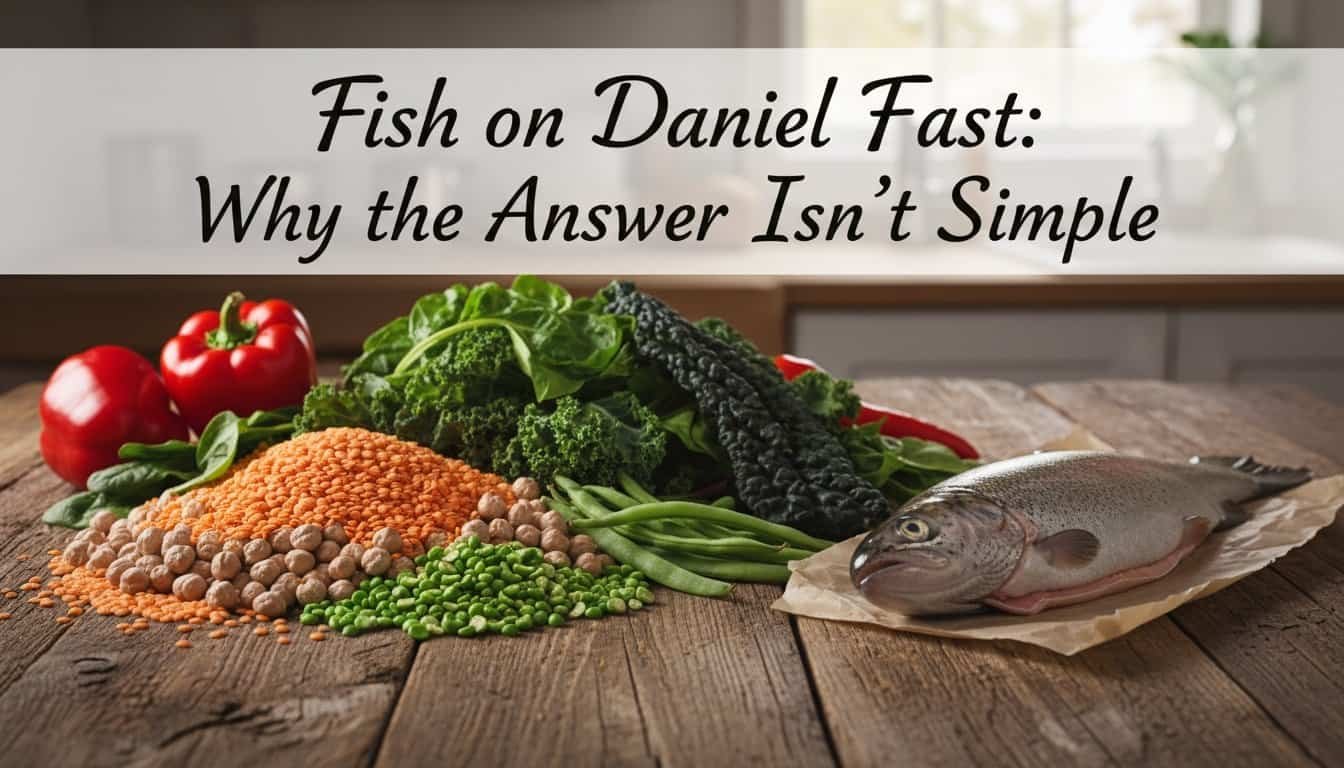
21 Jan Fish on Daniel Fast: Why the Answer Isn’t Simple
Fish consumption during the Daniel Fast remains controversial because the biblical passages in Daniel 1 and 10 don’t explicitly mention fish, leaving room for interpretation. Some leaders exclude fish based on avoiding all animal proteins, while others permit it since Daniel 10:3 specifically mentions “meat and wine” without including fish. Your decision should consider your spiritual goals, nutritional needs, and health conditions, as the biblical evidence supports multiple approaches to this ancient fasting practice.
Key Takeaways
- The Bible doesn’t explicitly mention fish in Daniel’s fasting passages, leaving room for different interpretations.
- Religious leaders disagree on whether “meat” in Daniel 10:3 includes fish or only land animals.
- Some prioritize strict plant-based adherence for spiritual discipline while others allow fish for health reasons.
- Translation differences and ancient Jewish dietary customs influence modern interpretations of the fast requirements.
- Personal health needs and spiritual goals often determine individual decisions about including fish during the fast.
What the Bible Says About Daniel Fast Food Rules

Where exactly does the Bible outline specific food rules for the Daniel Fast? You’ll find two key passages in Daniel 1:8-16 and Daniel 10:2-3. In the first instance, Daniel refused the king’s rich food and wine, choosing vegetables and water instead. The second passage mentions Daniel ate “no pleasant bread, neither came flesh nor wine in my mouth” for three weeks.
These biblical accounts don’t explicitly mention fish permissions, creating interpretive challenges for modern practitioners. Daniel 1 focuses on rejecting royal delicacies, while Daniel 10 describes abstaining from meat, sweets, and wine. Neither passage provides comprehensive dietary restrictions.
The nutritional science behind these fasting approaches shows potential benefits including improved insulin sensitivity and reduced inflammation. However, the Bible’s lack of specific fish guidelines allows for fasting flexibility in interpretation. Some emphasize the “no flesh” language as excluding all animal proteins, while others argue fish weren’t considered “meat” in ancient contexts.
Can You Eat Fish on the Daniel Fast? (The Direct Answer)
When examining the biblical evidence and traditional interpretations, most Daniel Fast practitioners exclude fish from their diet. The fish legality question stems from Daniel 1:12, where the prophet requested “vegetables” (Hebrew: zeroim) and water instead of the king’s rich foods. Since fish constitutes animal protein—similar to meat and poultry—it’s typically prohibited during this spiritual discipline.
However, you’ll find some debate exists. Certain interpretations focus on rejecting “royal delicacies” rather than all animal products, potentially creating seafood exceptions. These practitioners argue that simple, unprocessed fish differs from elaborate palace cuisine.
The nutritional implications matter too. Excluding fish means you’ll need alternative omega-3 sources like flaxseeds, chia seeds, or walnuts. You’ll also require careful protein planning through legumes, nuts, and seeds to maintain adequate amino acid profiles.
Most religious authorities recommend the stricter interpretation, making fish off-limits during your Daniel Fast journey.
Why Daniel Fast Leaders Disagree About Fish
Why do respected Daniel Fast leaders reach different conclusions about fish consumption? The leadership disagreement stems from varying interpretations of biblical text and historical context.
Some leaders emphasize Daniel 10:3’s specific mention of “meat” and “wine” without explicitly listing fish, suggesting fish weren’t prohibited. They argue that fish symbolism in scripture often represents abundance and God’s provision, making exclusion counterintuitive.
Since Daniel 10:3 doesn’t explicitly prohibit fish, some leaders view it as permissible during the fast.
Conversely, other leaders interpret “choice foods” (Daniel 10:3) as encompassing all animal proteins, including fish. They contend that the Daniel Fast should mirror the strictest interpretation of Daniel’s abstinence from royal foods.
Additional factors fueling this divide include:
- Different translations using varying terminology
- Historical debates about ancient Jewish dietary customs
- Nutritional considerations regarding protein sources during fasting
- Personal fasting experiences and spiritual convictions
These legitimate theological and practical differences explain why you’ll find conflicting guidance across Daniel Fast resources and communities.
How to Choose the Right Daniel Fast Approach for You
How should you navigate these conflicting interpretations to determine your personal Daniel Fast approach? Start by examining your spiritual goals and health needs. If you’re managing diabetes or requiring stable protein intake, including fish might align with your different health focus while maintaining the fast’s spiritual purpose.
Consider your personal conviction about biblical fasting. Some practitioners prioritize strict plant-based adherence, viewing this as essential for spiritual discipline. Others emphasize the heart posture over dietary specifics, allowing nutrient-dense fish to support their physical well-being during extended fasting periods.
Evaluate your current nutritional status. If you’re deficient in omega-3 fatty acids, vitamin B12, or high-quality protein, fish inclusion could prevent nutritional complications that might derail your fast entirely.
Consult healthcare providers if you have medical conditions requiring careful dietary management. Your Daniel Fast should enhance spiritual growth without compromising physical health. Choose the approach that best serves both your spiritual intentions and bodily stewardship.
Frequently Asked Questions
How Long Should I Follow the Daniel Fast?
You should follow the Daniel Fast for 10-21 days maximum.
Extended periods beyond three weeks can lead to nutrient deficiencies and metabolic concerns.
Your body needs adequate protein, essential fatty acids, and B vitamins that this restrictive plan limits.
Consider medical supervision if you’re planning longer durations, especially if you have underlying health conditions.
Short-term adherence minimizes nutritional risks while achieving spiritual goals.
Can I Drink Coffee or Tea During the Daniel Fast?
You can drink plain coffee and tea during the Daniel Fast, despite common tea myths suggesting otherwise. Coffee culture often emphasizes additives, but you’ll need to avoid cream, sugar, and artificial sweeteners. Research shows both beverages provide beneficial antioxidants and phytochemicals.
Stick to black coffee or plain herbal teas to maintain the fast’s focus on whole, unprocessed foods while supporting your nutritional goals.
What Vegetables Are Allowed on the Daniel Fast?
You can eat all fresh, frozen, and dried vegetables during the Daniel Fast, including leafy greens, root vegetables, legumes, and herbs.
The vegetable guidelines are straightforward – they’re naturally compliant with biblical fasting principles. However, avoid canned vegetables with added preservatives or sodium. While most plant foods are acceptable, fasting exceptions include avoiding vegetable-based processed foods containing artificial additives or sweeteners that compromise the spiritual discipline.
Is Olive Oil Permitted During the Daniel Fast?
Yes, you can use olive oil during the Daniel Fast. Most interpretations don’t include olive oil restrictions since it’s minimally processed and extracted through mechanical pressing rather than chemical processing fats methods. Cold-pressed, extra virgin olive oil aligns with the fast’s whole foods approach. You’ll want to avoid heavily processed oils and stick to high-quality, unrefined varieties that maintain their nutritional integrity.
Can I Take Vitamins and Supplements While Doing the Daniel Fast?
Yes, you can take vitamins and supplements during the Daniel Fast.
Vitamin supplementation supports nutritional adequacy when following restrictive eating patterns.
Since the fast eliminates animal proteins and processed foods, you’ll benefit from B12, iron, and omega-3 supplements.
Herbal boosters like spirulina or chlorella align with plant-based guidelines while providing concentrated nutrients.
Consult healthcare providers about timing and dosages for optimal absorption.
Conclusion
You’ll need to make your own decision about fish based on your interpretation of Daniel’s biblical text and your fast’s purpose. From a nutritional standpoint, fish provides essential omega-3 fatty acids and complete proteins that plant-based alternatives can’t fully match. If you’re fasting for spiritual discipline, excluding fish aligns with traditional interpretations. If health benefits drive your fast, including fish won’t compromise the anti-inflammatory advantages you’re seeking.











No Comments