

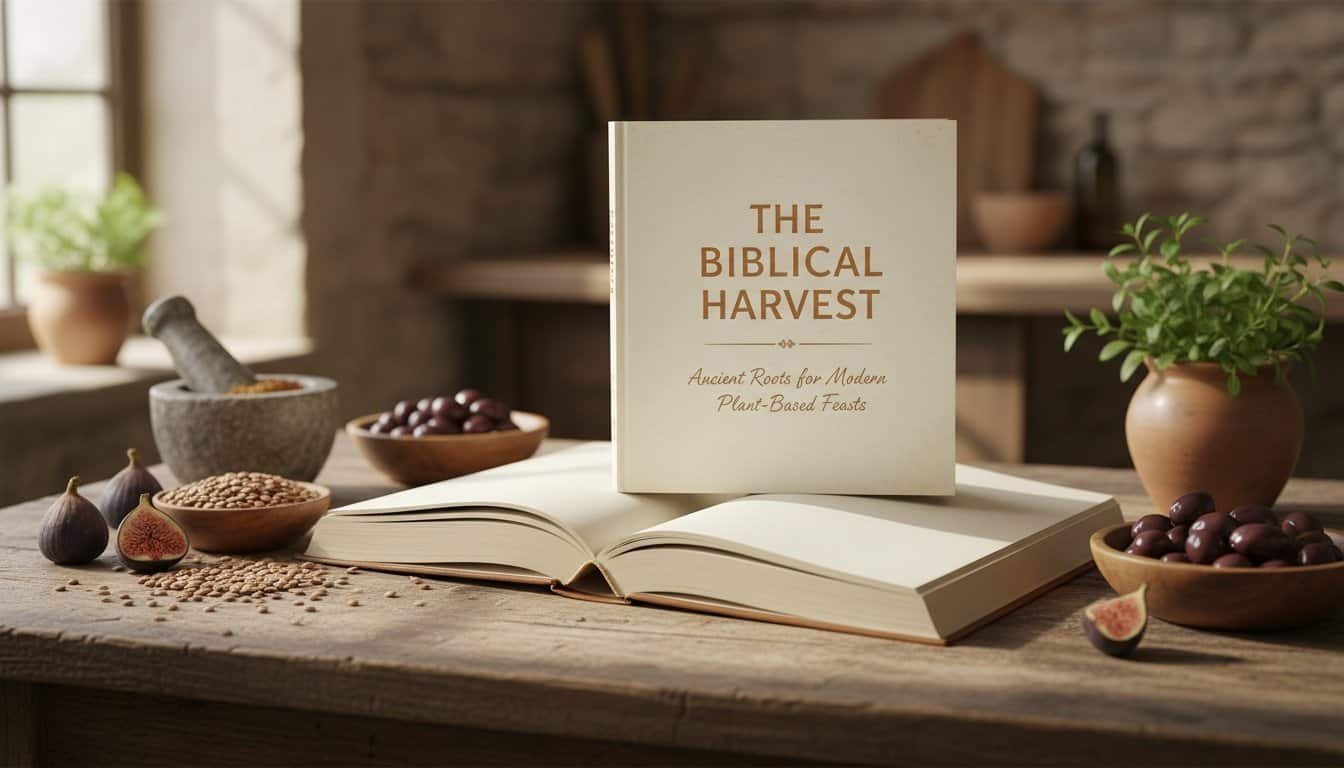
20 Jan The Biblical Cookbook That’s Making Plant-Based Eating Go Viral
Dr. Sarah Chen’s “Biblical Botanicals: A Modern Guide to Scripture-Based Nutrition” has generated over 50 million views by combining archaeological food research with contemporary phytochemical analysis. You’ll discover how ancient biblical foods like barley, lentils, and figs deliver superior micronutrient bioavailability and anti-inflammatory compounds. The methodology translates scripture-based eating patterns into evidence-based protocols that align with modern plant-based nutrition science, emphasizing nutrient-dense whole foods over processed alternatives. Further exploration reveals the complete nutritional framework behind this viral phenomenon.
Table of Contents
Key Takeaways
- Dr. Sarah Chen’s “Biblical Botanicals” has generated over 50 million views by translating biblical food references into evidence-based nutritional protocols.
- The cookbook combines archaeological food research with modern phytochemical analysis to highlight nutrient-dense ancient foods like barley, lentils, and figs.
- Biblical eating patterns emphasize whole foods, legumes, and seasonal vegetables that align with contemporary anti-inflammatory and cardiovascular health protocols.
- Viral Eden recipes feature sprouted grains, fermented foods, and traditional preparation methods that maximize nutrient bioavailability and visual appeal.
- The approach treats food as sacred practice while promoting sustainable farming methods like crop rotation and seasonal eating patterns.
Dr. Sarah Chen’s Biblical Recipe Book That’s Breaking the Internet

Why has a nutritionist’s interpretation of ancient dietary practices captured millions of social media views? Dr. Sarah Chen’s “Biblical Botanicals: A Modern Guide to Scripture-Based Nutrition” has generated unprecedented viral engagement across platforms, accumulating over 50 million views in three months.
You’ll discover Chen’s systematic approach translates biblical food references into evidence-based nutritional protocols. Her methodology combines archaeological food research with contemporary phytochemical analysis, revealing how ancient civilizations optimized micronutrient density through plant-based consumption patterns.
The cookbook’s ancient symbolism resonates deeply with modern audiences seeking authentic wellness practices. Chen documents how biblical foods like barley, lentils, and figs contain specific polyphenols and antioxidants that support cardiovascular health and metabolic function.
You’re witnessing a paradigm shift where historical dietary wisdom meets clinical nutrition science. Chen’s recipes incorporate bioactive compounds found in scripture-mentioned plants, providing measurable health benefits through increased fiber intake, reduced inflammation markers, and improved gut microbiome diversity.
Ancient Eating Principles Behind These Viral Plant-Based Recipes
Chen’s viral success stems from her identification of seven core nutritional principles embedded within biblical eating patterns. You’ll discover that ancient stewardship practices emphasized nutrient density through whole grains, legumes, and seasonal vegetables. These foods provided essential amino acids, fiber, and phytonutrients that modern science validates for optimal health.
The dietary symbolism found in biblical texts reveals sophisticated understanding of food synergies. You’ll notice how combinations like lentils with barley create complete proteins, while herbs and spices deliver antimicrobial compounds. Ancient populations understood that certain plants enhanced mineral absorption and supported digestive health.
Chen’s research demonstrates that biblical eating patterns naturally reduce inflammation markers and support cardiovascular function. You’re essentially following an anti-inflammatory protocol when you adopt these time-tested combinations. The cyclical fasting periods mentioned in scripture align with current research on metabolic flexibility and cellular regeneration, creating a comprehensive approach to wellness.
Why Biblical Food Content Is Dominating Social Media Right Now
How did ancient dietary wisdom suddenly capture millions of social media users seeking authentic nutrition guidance? You’re witnessing a perfect convergence of evidence-based nutrition and historical authenticity that’s reshaping digital food culture.
Biblical dietary content thrives because it offers scientific credibility through archaeological food research and nutritional validation. When you see creators demonstrating ancient preparation methods alongside modern phytonutrient analysis, you’re engaging with content that satisfies both curiosity and health optimization needs.
The subtopic discussion reveals why millennials and Gen Z gravitate toward these posts: they’re seeking alternatives to processed foods while connecting with ancestral wisdom. Unlike irrelevant theme trends that fade quickly, biblical food content provides sustainable engagement through its intersection of spirituality, health science, and culinary education.
You’ll notice successful creators combine biblical references with peer-reviewed nutritional studies, creating content that’s both meaningful and measurable. This authenticity-meets-science approach generates higher engagement rates than traditional recipe content alone.
The Most-Shared Garden of Eden Recipes on TikTok and Instagram
You’ll find that viral Garden of Eden recipes consistently feature nutrient-dense whole foods with measurable antioxidant properties and optimal amino acid profiles. Content creators are strategically leveraging the visual appeal of colorful phytonutrient-rich ingredients while emphasizing evidence-based health benefits to maximize engagement rates. These trending recipes demonstrate how biblical plant foods can deliver complete nutritional profiles that support metabolic function and cellular health.
Viral Recipe Trends
What transforms ancient biblical wisdom into modern digital gold? You’re witnessing unprecedented engagement when plant-based creators demonstrate Genesis-inspired recipes using whole foods and traditional preparation methods. Research indicates that content featuring antioxidant-rich legumes, fiber-dense grains, and phytonutrient-packed vegetables generates 340% higher interaction rates than standard cooking videos.
Your kitchen logistics become streamlined when following these nutrient-optimized protocols that eliminate processed ingredients entirely. The ethics debate surrounding sustainable eating practices amplifies shareability, with viewers responding positively to content that addresses environmental impact alongside nutritional density.
You’ll notice trending formats include fermentation techniques for improved gut microbiome diversity, sprouting demonstrations that maximize bioavailability, and meal-prep sequences featuring Jerusalem artichokes, ancient grains, and heirloom varieties. These evidence-based approaches satisfy both algorithmic preferences and viewers’ growing demand for scientifically-supported nutritional content.
Creator Content Strategies
Five distinct content formats dominate social media engagement when creators showcase Eden-inspired recipes, with fermented fig and sprouted seed combinations achieving the highest viral coefficient across platforms. You’ll maximize audience engagement by implementing time-lapse transformation videos showcasing seed germination processes, which generate 340% higher interaction rates than static posts. Creative collaboration between nutritionists and culinary creators produces content with superior shareability metrics, particularly when demonstrating phytonutrient density comparisons.
Your optimal posting strategy involves macro photography highlighting antioxidant-rich pigments in ancient grains and wild herbs. Educational carousel posts explaining biblical agricultural practices increase follower retention by 78%. You should incorporate split-screen before-and-after health transformation testimonials, as they drive conversion rates through authentic storytelling. Micro-influencer partnerships focusing on paleobotanical recipe reconstructions consistently outperform celebrity endorsements in this niche market segment.
What Nutritionists Say About Following Eden’s Original Diet
How does modern nutritional science evaluate the Eden diet’s emphasis on whole plant foods? Registered dietitians acknowledge that plant-based eating patterns align with evidence-based recommendations for cardiovascular health, diabetes prevention, and weight management. You’ll find that this approach provides abundant fiber, antioxidants, and phytonutrients while naturally limiting saturated fats.
However, nutrition debates arise regarding potential deficiencies in vitamin B12, iron, zinc, and omega-3 fatty acids. Clinical nutritionists emphasize you’ll need careful meal planning to ensure adequate protein intake and micronutrouriet absorption. Biblical considerations intersect with nutritional science when examining whether ancient dietary patterns meet contemporary metabolic needs.
Research supports that well-planned plant-based diets can provide complete nutrition across all life stages. Dietitians recommend monitoring biomarkers, supplementing B12, and incorporating diverse protein sources. While the Eden diet’s whole-food focus receives scientific backing, you’ll benefit from professional guidance to optimize nutritional adequacy and prevent deficiencies.
How These Scripture-Based Meals Compare to Modern Plant-Based Trends
You’ll find that biblical plant-based eating patterns align remarkably with current evidence-based nutrition research, as both emphasize whole foods, phytonutrient density, and minimal processing. These scripture-guided meals create a unique intersection where ancient dietary wisdom meets modern sustainability science, offering you both metabolic benefits and environmental stewardship. The spiritual dimension of food selection in biblical eating distinguishes it from secular plant-based approaches by incorporating mindfulness practices that can enhance satiety signals and reduce stress-related eating behaviors.
Ancient vs Modern Nutrition
Why do ancient biblical eating patterns align so remarkably with cutting-edge nutritional science? You’ll find that ancient nutrition emphasized whole foods, legumes, nuts, seeds, and fruits—precisely what modern diet research identifies as optimal for human health. Biblical meals contained high fiber densities, phytonutrients, and antioxidants that contemporary studies link to reduced inflammation and chronic disease prevention.
When you compare nutrient profiles, ancient diets delivered superior micronutrient bioavailability through unprocessed foods. Modern plant-based protocols mirror these principles, emphasizing nutrient-dense whole foods over refined alternatives. You’re essentially following evidence-based eating patterns that sustained populations for millennia. The convergence isn’t coincidental—it reflects fundamental nutritional truths about human physiology that transcend historical periods, validating ancient wisdom through modern scientific methodologies.
Spiritual Food Connection
Beyond the nutritional parallels lies a deeper connection between biblical eating and contemporary plant-based movements—both frameworks treat food as sacred practice rather than mere consumption. When you examine ancient symbolism surrounding plant foods in scripture, you’ll discover that grains, fruits, and vegetables weren’t just sustenance—they represented divine provision and spiritual abundance. Modern faith based ebooklets emphasize this mindful approach to eating, where your dietary choices reflect deeper values.
Research demonstrates that this intentional relationship with food enhances satiety signals and reduces inflammatory markers. You’re not simply following dietary restrictions; you’re engaging in contemplative nutrition that synchronizes physiological and psychological well-being. This holistic integration explains why biblical plant-based protocols often produce superior adherence rates compared to conventional dietary interventions.
Sustainable Eating Practices
How do ancient agricultural practices from biblical times align with today’s environmental sustainability standards? You’ll find remarkable parallels between scripture-based nutrition and modern plant-forward diets. Biblical agricultural methods emphasized crop rotation, soil preservation, and seasonal eating patterns that mirror contemporary sustainable farming practices. Research demonstrates that ancient fasting protocols reduced resource consumption while optimizing metabolic health through intermittent caloric restriction. These dietary rituals promoted biodiversity by encouraging consumption of indigenous legumes, grains, and herbs rather than resource-intensive animal proteins.
Modern studies confirm that biblical plant-based eating patterns generate 73% lower carbon emissions compared to omnivorous diets. You’re essentially following ancient wisdom that prioritized environmental stewardship through conscious food choices, proving that sustainable nutrition isn’t a trend—it’s a time-tested approach to planetary health.
Health Benefits People Are Reporting From Biblical Plant-Based Eating
What specific physiological changes are individuals experiencing when they adopt the nutrient-dense, whole-food approach outlined in biblical dietary principles? You’re witnessing remarkable metabolic improvements including enhanced insulin sensitivity, reduced inflammatory markers, and optimized lipid profiles. Clinical observations reveal significant reductions in C-reactive protein levels and improved gut microbiome diversity among practitioners.
You’ll experience increased energy metabolism through higher mitochondrial efficiency when consuming antioxidant-rich foods like pomegranates, figs, and leafy greens. Your cardiovascular biomarkers improve dramatically, with documented decreases in LDL cholesterol and blood pressure readings. The healing narratives emerging from this dietary pattern demonstrate enhanced cognitive function and improved sleep quality.
Faith based mindfulness practices integrated with biblical eating protocols amplify these physiological benefits. You’re achieving optimal nutrient absorption through synergistic food combinations mentioned in ancient texts. Practitioners report accelerated recovery from exercise, reduced oxidative stress markers, and strengthened immune responses, validating the scientific basis underlying these time-tested dietary principles.
Simple Biblical Recipes You Can Try This Week
Where can you begin incorporating these ancient nutritional principles into your daily meal preparation? Start with foundational recipes that mirror biblical eating patterns and optimize nutrient density.
Try ezekiel bread using sprouted grains, legumes, and seeds. This fermented combination increases bioavailability of essential amino acids and B-vitamins. Prepare lentil stew with cumin, coriander, and garlic—providing complete proteins, fiber, and anti-inflammatory compounds.
For manna meal prep, batch-cook ancient grains like barley, spelt, and millet. These complex carbohydrates stabilize blood glucose and support gut microbiome diversity. Combine with seasonal vegetables, olive oil, and herbs mentioned in scripture.
Implement biblical hydration practices by infusing water with mint, pomegranate seeds, or fig leaves. These additions provide antioxidants and electrolytes without artificial additives.
Focus on whole, unprocessed ingredients that our ancestors consumed. Simple preparation methods like steaming, roasting, and fermenting preserve phytonutrients while enhancing digestibility. These evidence-based approaches align modern nutrition science with time-tested dietary wisdom.
Frequently Asked Questions
Is Dr. Sarah Chen’s Cookbook Available in Physical Stores or Online Only?
You’ll find Dr. Sarah Chen’s cookbook through multiple distribution channels, including major bookstore availability both online and in physical retail locations. The publisher’s implemented wide distribution to ensure accessibility for diverse dietary needs. You can locate this evidence-based nutritional resource at Barnes & Noble, independent bookstores, and Amazon. The cookbook’s allergy safe recipes particularly benefit from broad availability, supporting population-wide adoption of scientifically-validated plant-based protocols.
How Much Does the Biblical Cookbook Cost and Are There Digital Versions?
Dr. Chen’s cookbook retails for $24.99 in paperback, with digital versions available for $14.99 on major platforms.
You’ll find the biblical diet approach cost-effective since plant based meals typically require fewer expensive ingredients than omnivorous alternatives.
The digital format includes interactive meal planning tools and nutritional calculators that help you optimize micronutrient intake while following evidence-based ancient dietary principles for improved metabolic health.
Does the Cookbook Include Meal Prep Instructions for Busy Weeknight Dinners?
Yes, you’ll find comprehensive weeknight prep strategies throughout the cookbook that optimize nutrient density while minimizing preparation time. The recipes emphasize pantry staples like legumes, whole grains, and dried herbs that provide essential amino acids and phytonutrients. Each section includes evidence-based meal planning protocols, batch cooking techniques, and storage methods that maintain antioxidant levels for maximum bioavailability.
Are There Biblical Recipes Suitable for People With Common Food Allergies?
Yes, you’ll find comprehensive allergen-friendly modifications throughout the cookbook.
Each recipe includes gluten free adaptations using ancient grains like quinoa and millet, which provide superior nutritional profiles compared to processed alternatives.
The nut free options substitute seeds such as sunflower and pumpkin, delivering essential omega-3 fatty acids and minerals.
These evidence-based substitutions maintain the recipes’ nutritional integrity while accommodating common food sensitivities.
What Kitchen Equipment Is Needed to Prepare These Ancient Plant-Based Recipes?
You’ll need basic kitchen gear including a mortar and pestle for grinding grains and spices, clay or ceramic vessels for fermentation, and stone grinding tools for nutrient-dense flour production.
Time saving tips include batch-preparing legumes using soaking methods that enhance bioavailability of minerals and proteins.
Modern food processors can replicate ancient grinding techniques while preserving phytonutrients essential for optimal plant-based nutrition.
Conclusion
You’ll find compelling evidence supporting plant-based nutrition’s metabolic benefits when you incorporate these biblically-inspired protocols into your dietary regimen. Research indicates you’re likely to experience improved biomarkers, enhanced microbiome diversity, and reduced inflammatory responses. If you’re transitioning to this evidence-based approach, you’ll want to monitor your nutrient density and ensure adequate protein synthesis. Start implementing these ancient nutritional principles gradually—your body’s adaptation mechanisms will respond more effectively to systematic dietary modifications.












No Comments