


20 Jan Why This Kids Song Still Makes Adults Cry
When you hear “Puff the Magic Dragon,” your brain’s limbic system floods with neurochemicals tied to mourning while your prefrontal cortex retrieves childhood memories with heightened emotional salience. The song’s abandonment metaphor—Jackie Paper outgrowing his magical friend—triggers your amygdala to process themes of lost innocence and mortality. Your hippocampus simultaneously activates autobiographical memories from ages 3-7, when neural pathways linked melodies to core feelings of safety and wonder. Understanding these deeper neural mechanisms reveals why certain childhood songs create such profound emotional responses.
Table of Contents
Key Takeaways
- The song activates powerful neural circuits linking childhood memories to present emotions through the hippocampus and amygdala.
- Adults process themes of abandonment and loss differently, recognizing mortality and endings rather than adventure and magic.
- Jackie Paper’s departure symbolizes the universal grief of outgrown dreams, lost innocence, and abandoned childhood wonder.
- Melodies encoded during ages 3-7 become permanently wired to core emotions of safety, love, and belonging.
- The limbic system releases neurochemicals tied to mourning while flooding consciousness with bittersweet autobiographical memories.
The Neuroscience Behind Why Puff the Magic Dragon Triggers Tears
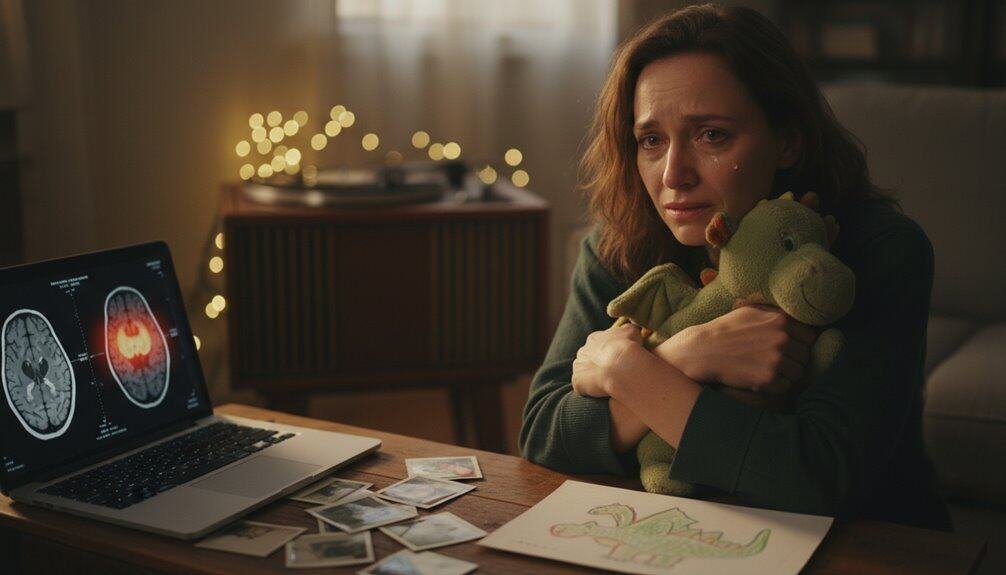
When you hear those opening chords of “Puff the Magic Dragon,” your brain activates the same neural pathways involved in processing actual loss and grief. Your limbic system releases the same neurochemicals associated with mourning, while your prefrontal cortex simultaneously retrieves childhood memories with enhanced memory salience.
This song uniquely triggers your brain’s nostalgia circuitry, connecting multiple neural networks simultaneously. Your amygdala processes the emotional weight of Jackie Paper’s abandonment, while your hippocampus floods you with autobiographical memories of your own developmental transitions. The melody itself becomes a neural anchor, linking present-moment listening to past emotional experiences.
Research shows that songs from childhood carry disproportionate emotional weight because they’re encoded during periods of heightened neuroplasticity, making them neurologically unforgettable.
Why Adult Brains Amplify Childhood Memory Emotions
How does your adult brain transform a simple children’s song into an emotional tsunami?
Your mature neural networks create powerful memory revival experiences that didn’t exist in childhood.
When you hear “Puff the Magic Dragon,” your prefrontal cortex—now fully developed—processes complex themes like mortality and loss that sailed over your young head.
This emotion amplification occurs because your adult brain connects past innocence with present understanding.
You’re not just remembering the song; you’re mourning your childhood self who believed magic was real.
Your hippocampus retrieves vivid sensory details while your amygdala floods you with bittersweet emotions.
The tears aren’t just nostalgia—they’re grief for simpler times when dragons seemed possible and growing up felt impossibly distant.
The Loss Symbolism That Devastates Grown Listeners
Metaphors of abandonment weave through children’s songs with devastating precision, hitting your adult consciousness like emotional landmines. Puff the Magic Dragon” doesn’t just tell a story about a boy and his imaginary friend—it chronicles the systematic death of wonder itself.
You recognize this loss symbolism because you’ve lived it. The dragon’s loneliness mirrors your own abandoned dreams, while Jackie Paper’s departure represents every childhood enthusiasm you’ve outgrown. Your brain processes these metaphors differently now—where children hear adventure, you hear endings.
This childhood recollection triggers profound grief because the song captures universal losses: innocence, imagination, and unconditional joy. You’re not just mourning Puff’s solitude; you’re grieving your younger self who believed magic could last forever.
Other Nostalgic Songs That Create Similar Emotional Overwhelm
Why do certain melodies instantly transport you back to your childhood bedroom, flooding your system with inexplicable sadness? Research reveals that specific nostalgia triggers activate your brain’s memory architecture in profound ways. Songs like “Somewhere Out There” from *An American Tail*, “When You Wish Upon a Star,” and “Rainbow Connection” create similar emotional overwhelm because they’re encoded during critical developmental periods.
Your developing brain forms particularly strong neural pathways between ages 3-7, when you’re absorbing fundamental concepts about safety, love, and belonging. These melodies become permanently wired to your core emotional experiences. When you hear them as an adult, they don’t just remind you of childhood—they literally reactivate your younger self’s neurological state, complete with that era’s vulnerability, wonder, and deep longing for connection and security.
Frequently Asked Questions
What Year Was Puff the Magic Dragon First Released and Who Wrote It?
“Puff the Magic Dragon” was first released in 1963, written by Leonard Lipton and Peter Yarrow. You’ll find Puff’s origins trace back to Lipton’s college poem, which Yarrow later set to music. Despite lyric misinterpretations suggesting drug references, you’re actually experiencing a developmental milestone story about childhood’s end. The song captures your universal journey from imagination to adulthood, explaining why it still resonates emotionally with grown-ups today.
Are There Different Versions of the Song With Alternate Lyrics or Endings?
You’ll find several versions with alternate lyrics that reflect the song’s cultural impact across generations. Folk artists have created variations addressing different life transitions, while some versions extend Jackie Paper’s story or offer reunions between boy and dragon. Educational adaptations have modified verses for younger audiences, and international versions exist with culturally-specific references. These variations demonstrate how you’ve collectively reshaped this narrative to process childhood’s end and life’s inevitable changes.
Did the Songwriters Intend for the Song to Have Such Emotional Impact?
You’ll find the songwriters didn’t fully anticipate the profound emotional resonance their creation would have on adults. While they understood the intention behind lyrics about childhood’s fleeting nature, they couldn’t predict how deeply it would affect parents watching their own children grow. The song’s developmental themes of time passing and innocence lost struck an unexpectedly powerful chord that continues resonating across generations.
What Age Do Children Typically Stop Believing in Imaginary Friends Like Puff?
You’ll typically see children naturally outgrow imaginary friends between ages 7-9, though this developmental milestone varies significantly. Research shows you shouldn’t worry if your child maintains these relationships longer—it’s completely normal. During this two word discussion phase of “growing up,” children often create alternate endings to preserve beloved friendships before gradually transitioning to peer relationships. You’re witnessing healthy cognitive development as abstract thinking replaces magical thinking patterns.
Has the Song Been Used Therapeutically to Help People Process Grief?
You’ll find that “Puff the Magic Dragon” has indeed been used in therapy for grieving individuals, particularly children. Mental health professionals often incorporate it when addressing loss and abandonment issues. The song’s themes resonate deeply during child development stages when you’re learning about impermanence. Therapists use it to help you process feelings about growing up, losing innocence, and saying goodbye to cherished relationships or childhood itself.
Conclusion
You’re not broken if “Puff the Magic Dragon” brings you to tears. Your brain’s heightened emotional processing actually deepens childhood memories as you age, making loss themes hit harder now than they did at seven. Research shows adults experience nostalgia more intensely because you’ve gained real experience with endings and grief. When Jackie Paper grows up and abandons Puff, you’re mourning every friendship you’ve outgrown and every innocence you’ve lost.










No Comments