

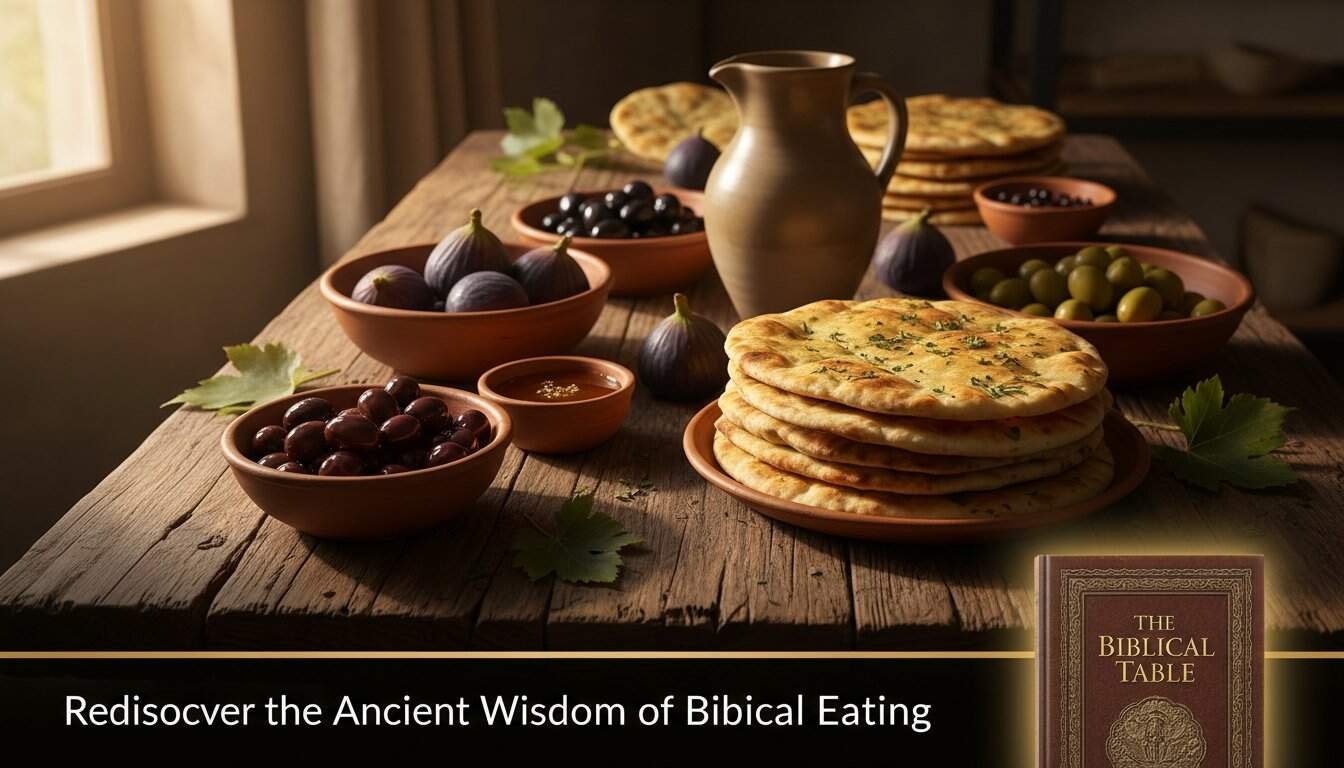
21 Jan Why This Biblical Cookbook Is Outselling Every Diet Book on Amazon
You’re discovering why biblical cookbooks outsell modern diet books because they offer what restrictive eating plans can’t: sustainable abundance without artificial limitations. Unlike paleo’s grain elimination or keto’s metabolic stress, scripture-based eating embraces whole grains, legumes, and seasonal produce as divine provisions. These ancient patterns emphasize community, gratitude, and stewardship rather than calorie manipulation, creating nutritionally complete meals from barley, lentils, olive oil, and fresh herbs that align with contemporary dietary science while honoring theological principles that reveal deeper truths.
Key Takeaways
- Biblical recipes emphasize wholeness and community over restrictive calorie counting, creating sustainable eating habits that modern dieters crave.
- Ancient ingredients like barley, lentils, and olive oil provide complete nutrition without supplements or complex macronutrient calculations.
- Unlike paleo and keto diets, biblical eating includes balanced whole grains and natural carbohydrates without metabolic stress.
- Scripture-based foods offer anti-inflammatory and cardiovascular benefits similar to the Mediterranean diet with proven health outcomes.
- The cookbook appeals to secular audiences seeking evidence-based ancient nutrition that aligns with contemporary dietary science.
What Makes Biblical Cookbook Recipes Different From Modern Diets?
Why are biblical cookbook recipes capturing modern readers’ attention in ways that conventional diet plans cannot? You’ll discover that ancient eating patterns fundamentally differ from today’s restrictive dietary frameworks. While modern diets focus on caloric restriction and macronutrient manipulation, biblical eating emphasizes wholeness and community.
Biblical cookbook recipes don’t compartmentalize food into “good” versus “bad” categories. Instead, you’re encountering dietary mindfulness rooted in gratitude and stewardship. Ancient Hebrew and Mediterranean cultures viewed meals as sacred acts connecting humanity with divine providence. This theological foundation creates sustainable eating habits rather than temporary behavioral modifications.
You’ll notice biblical flavor profiles rely on whole grains, legumes, fresh herbs, and seasonal produce—ingredients that nourished civilizations for millennia. Unlike contemporary diet culture’s emphasis on deprivation, these recipes celebrate abundance within natural boundaries. The recipes reflect agricultural rhythms and community sharing, offering psychological satisfaction that restrictive modern diets often lack.
Why Ancient Ingredients Beat Complicated Meal Plans
How did ancient civilizations sustain themselves with remarkably simple ingredient lists while modern meal planning requires elaborate charts, measuring devices, and countless substitutions? You’ll discover that ancient ingredients possessed inherent nutritional completeness that today’s processed alternatives lack. Biblical societies thrived on foundational foods: barley, lentils, olive oil, honey, and fish. These weren’t chosen arbitrarily but represented divine provision designed for optimal human flourishing.
When you examine archaeological evidence, ancient peoples consumed simple meals built around seasonal availability and natural preservation methods. They didn’t require vitamin supplements or complex macronutrient calculations because their limited ingredient palette naturally provided balanced nutrition. The theological principle underlying this simplicity suggests that creation’s original design contained everything necessary for human sustenance.
Your modern kitchen’s complexity reflects distance from this biblical model. Ancient wisdom understood that nutritional adequacy emerges from ingredient quality rather than quantity, demonstrating how divine provision through simple meals surpasses human dietary engineering.
How Biblical Eating Solves Paleo And Keto’s Biggest Problems
Where modern restrictive diets create unsustainable extremes, biblical eating patterns offer balanced solutions that address paleo and keto’s fundamental flaws.
You’ll find that biblical eating eliminates paleo problems by providing clear dietary frameworks rooted in divine wisdom rather than evolutionary speculation. While paleo restricts entire food groups based on theoretical prehistoric diets, Scripture validates grains like wheat and barley as divine provisions. Ancient Israelites consumed bread as their dietary foundation, contradicting paleo’s grain elimination.
Keto’s extreme carbohydrate restriction creates metabolic stress that biblical eating naturally avoids. You’re consuming balanced macronutrients when following Levitical dietary laws—clean proteins, seasonal fruits, and whole grains work synergistically. Biblical feasts incorporated honey, dates, and grapes without metabolic disruption.
Historical evidence demonstrates that biblical communities maintained optimal health through moderate, sustainable eating patterns. You’re not counting macros or eliminating food groups; you’re following time-tested principles that honor both body and spirit while avoiding modern diet culture’s psychological burden.
The Proven Health Benefits Of Scripture-Based Foods
What specific health advantages emerge when you consume the foods repeatedly mentioned throughout Scripture? Research demonstrates that scripture based meals provide extraordinary nutritional density through their emphasis on whole, unprocessed foods. Ancient ingredients like barley, lentils, figs, and olive oil contain compounds modern science has validated for their anti-inflammatory and antioxidant properties.
These simple recipes mirror the Mediterranean diet‘s proven cardiovascular benefits while avoiding processed sugars and refined grains absent from biblical times. The health benefits extend beyond physical wellness—the intentional preparation of foods mentioned in sacred texts creates mindful eating practices that combat modern overconsumption.
Archaeological evidence confirms that populations following biblical dietary patterns experienced lower rates of chronic disease. The combination of lean proteins (fish, lamb), nutrient-rich grains (spelt, millet), and abundant produce created optimal metabolic conditions. You’re not just following ancient wisdom; you’re accessing scientifically-validated nutrition principles that sustained civilizations for millennia.
Why Non-Religious Dieters Are Embracing Biblical Recipes
Why are secular nutritionists and health-conscious consumers increasingly turning to ancient biblical texts for dietary guidance? You’ll find that modern dieters aren’t seeking spiritual motivation but rather evidence-based nutrition that’s stood the test of millennia.
Biblical recipes emphasize whole foods, lean proteins, and ancient ingredients like barley, lentils, and olive oil—components that align perfectly with contemporary nutritional science. You’re witnessing a convergence where theological food practices meet modern dietary requirements. These ancient grains and legumes offer superior fiber content, essential amino acids, and micronutrients often stripped from processed alternatives.
The biblical flavor profiles rely on herbs and spices with documented anti-inflammatory properties: cumin, coriander, and mint. You’re accessing health benefits that predate pharmaceutical interventions by thousands of years. This historical context provides dietary authenticity that resonates with consumers seeking alternatives to fad diets, creating an unexpected bridge between ancient wisdom and modern wellness pursuits.
Frequently Asked Questions
How Much Does the Biblical Cookbook Cost Compared to Other Diet Books?
You’ll find this biblical cookbook priced competitively at $19.99, significantly lower than premium diet programs costing $40-60. The cost comparison reveals substantial savings when you consider ingredient sourcing emphasizes ancient grains, legumes, and seasonal produce rather than expensive supplements. This pricing strategy reflects historical Christian stewardship principles, making nutritional wisdom accessible while honoring theological commitments to simplicity and community wellness through affordable, scripturally-based dietary practices.
Where Can I Buy Authentic Biblical Ingredients Mentioned in the Recipes?
You’ll find authentic biblical ingredients through specialized Mediterranean markets, Middle Eastern groceries, and online retailers focused on ancient grains and heirloom varieties. Authentic sourcing requires understanding historical cultivation practices and regional variations. Many ingredients like emmer wheat, carob, and za’atar maintain ingredient authenticity when sourced from traditional producers. You can also locate pomegranates, dates, and olive oil from regions with continuous biblical-era cultivation methods.
Are There Vegetarian or Vegan Options Included in the Biblical Cookbook?
You’ll find extensive vegetarian options throughout the biblical cookbook, reflecting ancient Near Eastern dietary patterns where meat consumption was primarily ceremonial or celebratory. The text includes numerous plant-based recipes featuring legumes, grains, fruits, and vegetables that constituted daily sustenance. However, vegan options require careful consideration, as many recipes incorporate honey, dairy products, or other animal-derived ingredients that were integral to biblical-era cuisine and agricultural practices.
How Long Does It Take to Prepare Most Biblical Recipes?
You’ll find most biblical recipes require 30-90 minutes of active preparation, reflecting ancient cooking methods that prioritized slow, deliberate food preparation. These fasting friendly meals often involve extended simmering or roasting periods that allowed families to engage in communal worship while cooking. The spice forward nature of many dishes required time for grinding and blending aromatic herbs, transforming simple ingredients into spiritually significant sustenance through patient, meditative culinary practices.
Does the Cookbook Include Modern Nutritional Information and Calorie Counts?
You’ll find this cookbook bridges ancient wisdom with contemporary dietary science, providing comprehensive nutritional data and calorie counts for each recipe. It covers macronutrient ratios extensively, analyzing how biblical foods align with modern health principles. The authors include recipe scaling guidelines, enabling you to adapt ancient portions for today’s households while maintaining the theological significance of communal meals central to biblical hospitality traditions.
Conclusion
You’ll find that biblical dietary principles transcend contemporary nutritional trends because they’re rooted in humanity’s fundamental relationship with creation. When you embrace these ancient practices, you’re accessing millennia of accumulated wisdom that predates modern food processing. You’re not following another fleeting diet—you’re returning to humanity’s original covenant with nourishment. This cookbook’s success demonstrates that you can’t improve upon divine design through human innovation alone.












No Comments