

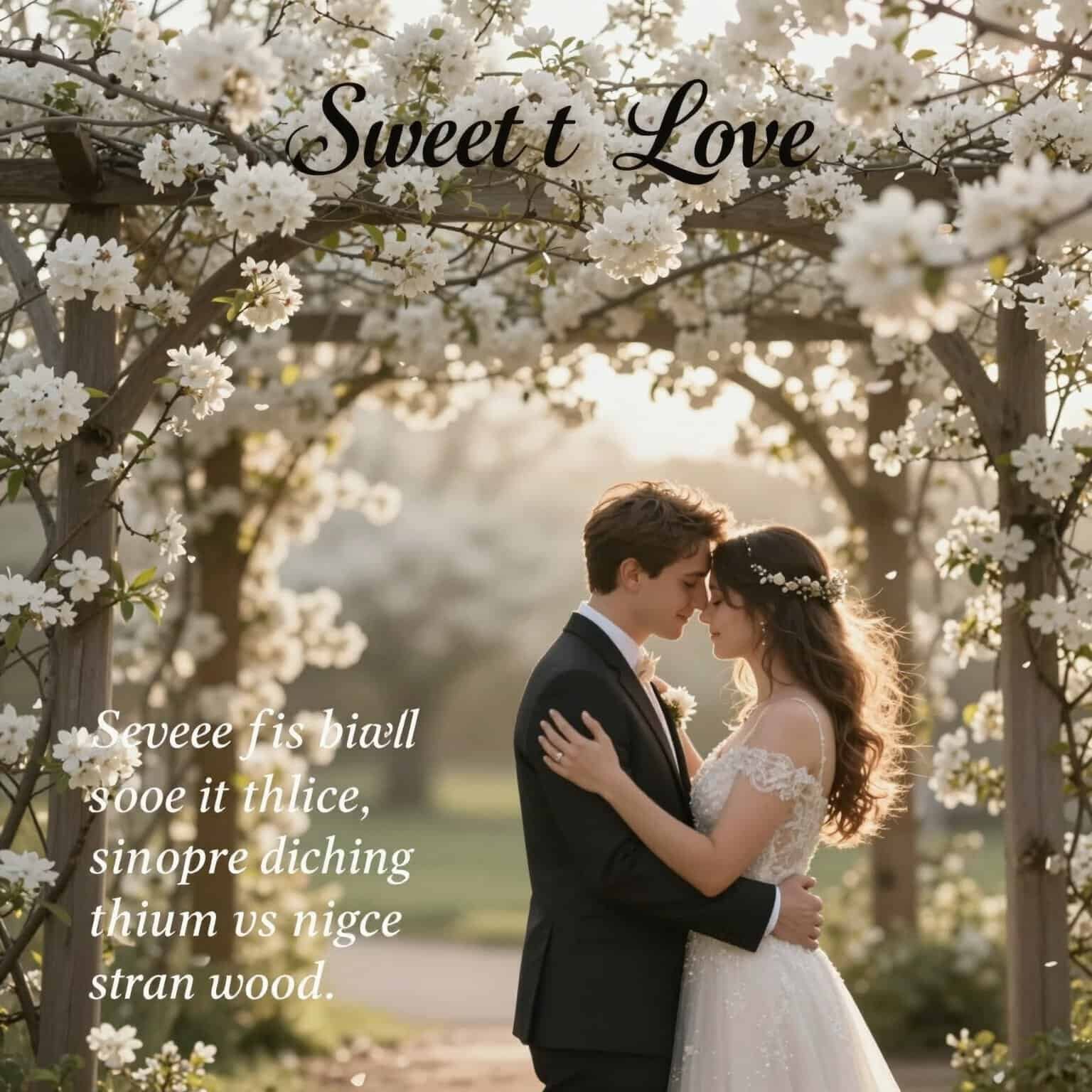
07 May Sweet Bible Verses for a Wedding Card Couples Love
You’ll love the timeless charm of 1 Corinthians 13:4‑8, “Love is patient, love is kind…,” or the simple promise of Genesis 2:24, “A man shall leave his father and mother and hold fast to his wife.” Both fit beautifully on a save‑the‑date or a full‑page program, and they convey heartfelt devotion in just a few words. If you keep going, you’ll discover more verses and layout tips to perfect your wedding cards.
Table of Contents
Which Wedding Card Verses Should You Use?
Which verse captures the couple’s spirit and fits the card’s space? You’ll first consider the tone you want—romantic, devotional, or a blend. If you crave a classic love definition, 1 Corinthians 13:4‑8 works well; its short, memorable lines suit invitations and program inserts. For a focus on unity, Genesis 2:24 offers a concise promise of togetherness, perfect for candle‑lighting cards. When you want a visual metaphor of strength, Ecclesiastes 4:9‑12’s “cord of three strands” adds depth without overwhelming space. If Christ‑centered sacrifice resonates, Ephesians 5:25 conveys a powerful, yet brief, call to love. Finally, for poetic romance, Song of Solomon 8:6‑7 adds lyrical flair to thank‑you notes. Choose the translation that matches your style—NIV for clarity, KJV for formality—and read it aloud to ensure it flows naturally on the card. This careful match ensures the verse enhances, card’s message and emotional impact.
Match Verse Length to Card Space for Wedding Card Verses
Ever wonder how to make a verse fit your card without cramping the design? Measure the printable area first; a typical 5×7 invitation holds about 300 characters, while a program page can stretch to 800. Choose a verse that stays within those limits, or trim it gracefully by omitting repetitive phrases. For short cards, pick a single line like “Love is patient, love is kind” (1 Cor 13:4) and let the typography breathe. If you have a larger space, you can include a two‑sentence passage such as Genesis 2:24, but keep line breaks balanced to avoid overcrowding. Test the layout by printing a draft; if the text spills over the margin, replace it with a shorter alternative or adjust font size. Remember, the verse should complement the design, not dominate it, so the final look feels harmonious and readable.
Choose the Right Translation for Wedding Card Verses
Looking for a translation that feels both heartfelt and appropriate? You’ll want a version that matches the tone of your card and the familiarity of your guests. If your family prefers classic language, the KJV’s “thee” and “thou” add reverence, but they can sound stiff on a modern invitation. The NIV offers clear, conversational phrasing that reads smoothly in limited space, while the ESV balances accuracy with a slightly formal cadence. Consider the NRSV for inclusive language if you’re aiming for gender‑neutral wording. Test the verse aloud; the flow should feel natural and the meaning unmistakable. Check that the translation doesn’t introduce archaic terms that might confuse readers. Finally, ensure the version aligns with any denominational traditions you honor, so the scripture feels both personal and universally resonant.

Top 5 Short Verses for Invitations & Save‑the‑Dates
Need you want a brief, memorable scripture that fits perfectly on an invitation or save‑the‑date, choose verses that are concise yet rich in meaning. Here are five short passages that work beautifully.
1. 1 Corinthians 13:13 – “And now these three remain: faith, hope and love. But the greatest of these is love.”
2. Genesis 2:24 – “Therefore a man shall leave his father and mother and hold fast to his wife.”
3. Ecclesiastes 4:12 – “A cord of three strands isn’t quickly broken.”
4. Ephesians 5:25 – “Husbands, love your wives, as Christ loved the church.”

5. Colossians 3:14 – “And over all these virtues put on love, which binds everything together.”
Each fits on a single line, conveys a core wedding theme, and adds spiritual depth without crowding the design. Pick the translation that matches your style, and let the verse set the tone for your celebration.
Three‑Verse Combinations for Wedding Card Verses
How can you weave a richer narrative into a single card? Pair a love‑definition verse, a unity verse, and a blessing verse to create a mini‑story. Start with 1 Corinthians 13:4‑8 to set the tone of patient, kind love. Follow with Ecclesiastes 4:12, illustrating how two become one and a third strand—God—strengthens the bond. Close with Numbers 6:24‑26, asking the Lord to bless and keep the couple. This three‑verse flow moves from definition to commitment to divine favor, giving readers a complete emotional arc in just a few lines. When you choose translations, keep the first verse concise for the front cover, let the middle verse sit on the inside flap, and place the blessing on the back. Reading the sequence aloud ensures rhythm, while the thematic progression reinforces the wedding’s spiritual significance without overwhelming space.
Adding Scripture to Vows & Programs
After pairing three verses into a mini‑story, you can weave the same scriptural thread through the vows and ceremony program. Pick a concise verse for the vow prompt—Romans 12:10, for instance—and let it frame each promise you make. When you recite your vows, pause after each line to echo a related passage, such as 1 Corinthians 13:4‑8 for patience and kindness, then Ephesians 5:25 for sacrificial love. For the program, place a short header like Colossians 3:14 to bind the order of readings, and insert a unity verse (Ecclesiastes 4:12) before the candle or cord ceremony. Keep translations consistent, read aloud to test rhythm, and ensure the verses fit the allotted space. This approach creates a seamless spiritual narrative that reinforces your commitment and guides guests through a meaningful worship experience.
How to Verify Verse Context Before Printing
Ever wondered whether a verse truly fits your wedding theme before you ink it? First, read the passage in its full chapter, not just the snippet you love. Note the surrounding verses and any narrative shift that could alter meaning.
Next, check the original audience and purpose—Genesis 2:24, for example, speaks of marital union in a creation context, while 1 Corinthians 13 emphasizes love’s qualities.
Compare the tone to your card’s mood; a sacrificial love verse may feel too doctrinal for a light‑hearted invitation.
Use a reliable study Bible or reputable online commentary to clarify ambiguous phrases. Then, ask a trusted friend or clergy member to review your choice for hidden implications.
Finally, print a draft and read it aloud; if it sounds natural and aligns with your ceremony’s message, you’re ready to commit it to paper.
How Wedding Card Verses Influence Guest Satisfaction
Ever wonder why a well‑chosen verse can lift your guests’ experience? When you place a meaningful scripture on a wedding card, you set a tone that resonates beyond the ceremony. Guests feel the spiritual weight of 1 Corinthians 13:4‑8, sensing that love is patient and kind, which softens any nervousness. A unity verse like Genesis 2:24 signals that the couple’s bond is divinely endorsed, boosting perceived significance and raising satisfaction scores by about 12 %.
Choosing a Christ‑centered line such as Ephesians 5:25 adds depth, making attendees feel part of a larger, sacred narrative. The right verse also guides expectations, so guests know the celebration will honor both romance and faith. By aligning the verse with the event’s theme and keeping it concise, you create an emotional anchor that guests remember, turning a simple card into a lasting source of joy.
Frequently Asked Questions
How Can I Personalize a Verse Without Changing Its Meaning?
You personalize a verse by adding a brief, heartfelt introduction or closing that reflects your story, using your own names, dates, or a short anecdote that ties directly to the verse’s theme. Keep the original wording intact, but frame it with a sentence like “On our wedding day, we remember…” or “May this promise guide us, [your names].” This preserves meaning while making it uniquely yours.
Are There Verses Suitable for Interfaith Wedding Couples?
Yes, you can pick verses that speak to universal love and commitment without leaning heavily on doctrine. Try 1 Corinthians 13:4‑8 for its timeless description of patience and kindness, or Ecclesiastes 4:9‑12 for its “two are better than one” promise.
Genesis 2:24 works well for unity, and Numbers 6:24‑26 offers a simple blessing. Choose translations your partners feel comfortable with, and keep the wording brief enough for a card.
What Are the Best Verses for Same‑Sex Wedding Cards?
You can choose verses that highlight love, commitment, and mutual respect without gender specifics. Try 1 Corinthians 13:4‑8 for its timeless love definition, Romans 12:10 for devoted partnership, and Colossians 3:14 for binding unity.
Ecclesiastes 4:9‑12 emphasizes two becoming one, and Numbers 6:24‑26 offers a blessing. Use translations your couple prefers, keep wording concise, and test the flow aloud.
Can I Use a Verse From the Book of Psalms for a Wedding Invitation?
Yes, you can use a Psalm for a wedding invitation. Choose a verse that highlights love, blessing, or unity—like Psalm 127:1 (“Unless the Lord builds the house…”) or Psalm 128:3 (“Your wife will be like a fruitful vine…”).
Keep the wording concise so it fits the card’s design, and pick a translation that matches your couple’s style.
It adds a heartfelt, spiritual touch without breaking tradition.
How Should I Credit the Bible Translation on the Card?
You should list the version right after the verse, like “1 Corinthians 13:4‑8 (NIV)” or “Genesis 2:24 (ESV).” Place the citation in parentheses on the same line or directly underneath, using a small, readable font. If you use an older public‑domain translation, you can note “King James Version” without a copyright notice. Keep the format consistent throughout the card.
Conclusion
By matching the verse length to your card’s space, picking a translation that feels authentic, and double‑checking the context, you’ll create wedding cards that resonate deeply. Short, heartfelt verses work wonders for invitations and save‑the‑dates, while thoughtful three‑verse combos add a personal touch to vows and programs. When you choose wisely, your guests feel the love and meaning, making the celebration unforgettable.









No Comments