

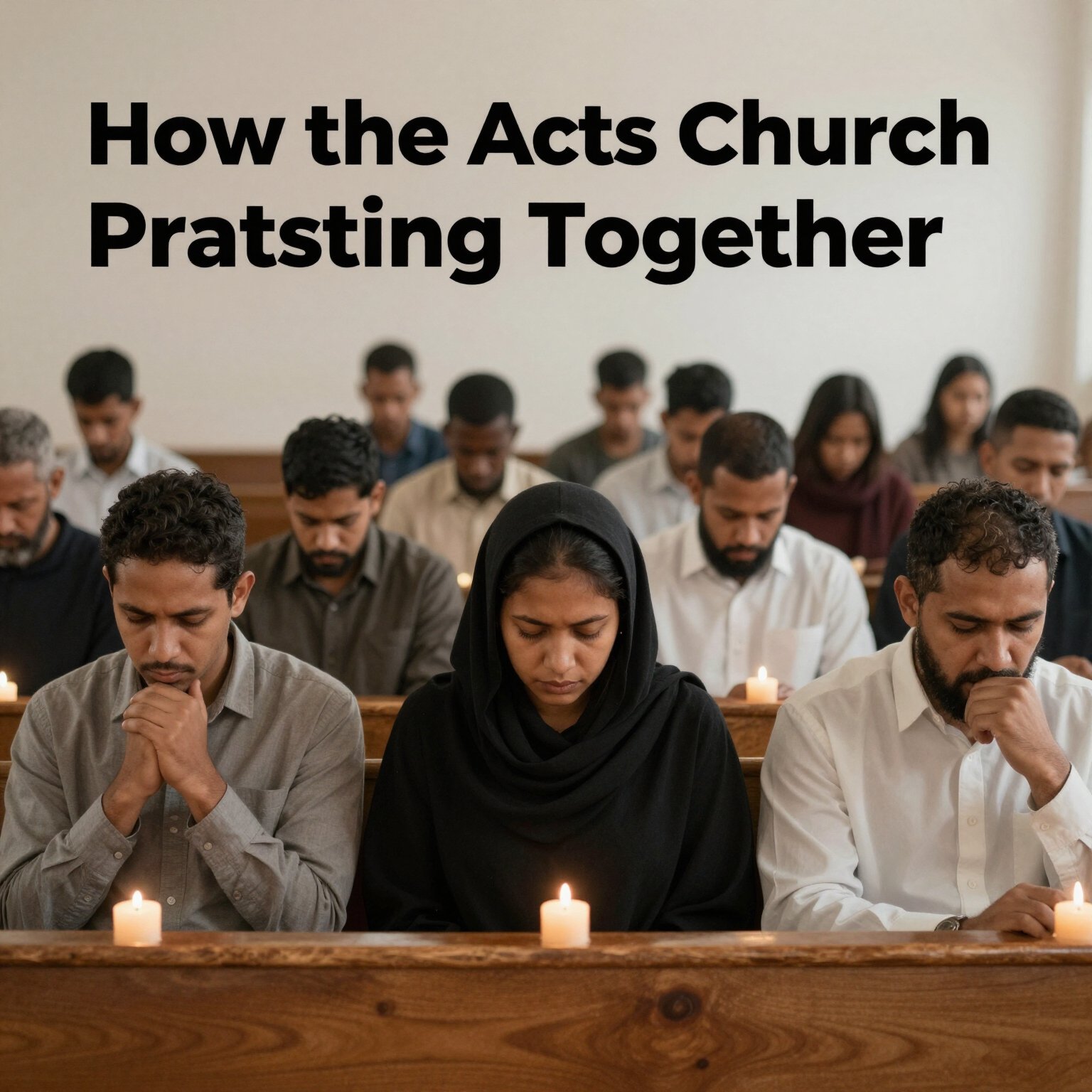
29 Apr How the Acts Church Practiced Fasting Together
You’ll find the Acts church always began missionary launches with worship, then a corporate fast, followed by prayer and a laying‑on‑hands ceremony. They gathered, sang, proclaimed Scripture, and invited the Holy Spirit before fasting, which humbled them and opened them to divine direction. After the fast they prayed for guidance, and the leaders publicly affirmed the decision by laying hands. This pattern shows how communal hunger turned into clear mission strategy, and the next steps reveal how you can replicate it today.
Table of Contents
Why the Early Church Fasted Before Missions
Because the early believers recognized that missions depended on divine guidance, they fasted together before sending out missionaries. You see that communal fasting wasn’t a personal sacrifice but a collective appeal to God for direction. When the church in Antioch planned to commission Barnabas and Saul, they gathered, prayed, and fasted as a unit, trusting that the Holy Spirit would speak through their shared humility. This practice echoed Old‑Testament precedents—Ezra’s fast for safe travel and 2 Chronicles 20’s call for divine strategy. By fasting first, you create a spiritual vacuum where self‑interest recedes, allowing God’s will to surface. The subsequent worship, prayer, and laying on of hands then confirm the revelation received. In short, the early church fasted before missions to align their hearts with God, secure His blessing, and ensure that every step forward carried divine endorsement.
Set the Stage: Worship Before Corporate Fasting
The early church’s pattern of fasting before missions shows that spiritual preparation starts with worship, not with hunger. You gather the congregation, sing psalms, and proclaim Scripture, allowing God’s presence to settle before any abstinence begins. This worship sets the tone, reminding you that the fast is a response to divine invitation, not a self‑imposed trial. When the choir lifts voices and the prayer leader reads the passage, you create a shared awareness of God’s holiness, aligning hearts with the mission ahead. The worship experience also invites the Holy Spirit to move, preparing the community for the humility that fasting demands. By prioritizing worship, you ensure that the fast flows from reverence rather than desperation, establishing a foundation of praise that fuels the subsequent period of self‑denial and discernment.
Corporate Fasting Sequence: Worship → Fast → Prayer → Hands
How does a church move from worship to mission with purpose? You start by gathering the body under praise, letting worship’s atmosphere remind you that God is already present. Once hearts are aligned, you transition into a corporate fast, deliberately setting aside meals to humble the flesh and heighten spiritual sensitivity. While you fast, you keep the focus on dependence, not deprivation, echoing the early Antioch practice of communal fasting. After the fast, you move into prayer, asking the Holy Spirit to illuminate the next steps and to confirm the direction God is pointing you toward. Finally, you lay hands on those chosen, sealing the decision with a tangible, biblical affirmation. This worship‑fast‑prayer‑hands flow mirrors Acts 13:2‑3 and provides a clear, repeatable framework for any congregation seeking God‑centred mission.
Acts’ Corporate Fasting Examples (13:2‑3, 14:23)
Where does the early church find its blueprint for mission‑driven fasting? You see it in Acts 13:2‑3 and 14:23, where believers gathered, worshipped, then fasted together before sending out missionaries. In Antioch, the Holy Spirit spoke while the community was in a corporate fast, and the leaders—Barnabas and Saul—were laid on hands and commissioned. The pattern repeats in Lystra: after appointing elders, the church prayed, fasted, and then affirmed the new leaders through hands‑on‑heads. These passages show that fasting wasn’t a private discipline but a collective pause, creating space for divine direction. You’re called to emulate that rhythm: worship first, fast as a body, pray for clarity, then publicly affirm the decision. By doing so, you align your church’s strategy with the same Spirit‑led process that launched the early mission‑era.
Holy Spirit Guidance in Corporate Fasting Decisions
Ever wondered how the Holy Spirit steers a congregation’s decisions during corporate fasting? You’ll notice that the Spirit doesn’t whisper in a single heart; He moves through the gathered worshipers, aligning their desires with God’s will. When the early church entered a fast, they first worshiped, inviting His presence. Then, in the quiet of collective hunger, the Spirit illuminated the path, often by a sudden conviction or a shared vision that rose above personal agendas.
You can sense this guidance when prayer turns into agreement, and the laying‑on‑of‑hands follows as a tangible seal. The Spirit’s direction is also evident in the way the group’s prayers become synchronized, each petition echoing the same theme. By trusting that communal fasting creates a spiritual atmosphere, you allow the Holy Spirit to shape strategic choices, ensuring they reflect divine purpose rather than human preference.
How to Replicate the Early Church Fast‑Prayer Model
To replicate the early church’s fast‑prayer model, start by gathering your congregation for a focused time of worship that invites God’s presence before any fasting begins. Choose a simple worship set that emphasizes humility, then transition into a communal fast lasting 12‑24 hours. During the fast, keep a structured prayer agenda: begin with confession, move to thanksgiving, then petition for guidance. Assign a leader to read Scripture passages such as Acts 1:14 and 2 Chronicles 20:3‑4, reminding participants of the biblical basis. After the fast, hold a prayer session where the Holy Spirit’s direction is sought collectively, allowing each voice to share insights. Conclude with a laying‑on‑of‑hands ceremony to affirm decisions and commission leaders. Keep the schedule consistent, repeat the pattern for major initiatives, and document any discerned outcomes for future reference. This rhythm mirrors the Antioch practice of worship‑fast‑prayer‑hands, fostering unity and divine guidance.
Typical Mistakes in Corporate Fasting and How to Avoid Them
Having outlined the fast‑prayer rhythm, you’ll notice that many churches stumble when they try to apply it to corporate decisions. One common mistake is treating fasting as a gimmick rather than a posture of humility; you’ll end up with half‑hearted prayer and no real surrender.
Another error is skipping worship, which leaves the congregation without the God‑centered foundation that precedes any fast.
You might also set an unrealistic duration, causing burnoutoutand distraction.
To avoid these pitfalls, start with a clear purpose, keep the fast short enough to sustain focus, and always begin with worship that invites the Holy Spirit.
Keep communication transparent, so everyone knows the agenda and the expected outcome.
Finally, follow the fast with a dedicated prayer time and a tangible step—like a hand‑on‑head affirmation—to confirm the decision and honor God’s guidance.
Signs of God’s Direction After a Fast
One clear sign that God’s direction is emerging after a fast is an unmistakable sense of peace that settles over the congregation, even when the decision involves uncertainty. You’ll notice hearts aligning, doubts quieting, and a collective confidence that the path is right.
Second, the Scripture you’re studying begins to echo the proposed step; verses surface that illuminate the choice, as if the Holy Spirit is highlighting them.
Third, a palpable unity appears—people who once hesitated now speak with one voice, eager to move forward together.
Fourth, unexpected doors open: a contact returns a call, a resource becomes available, or a schedule clears, confirming the direction.
Finally, after the fast you experience a fresh outpouring of spiritual gifts—wisdom, discernment, or boldness—empowering the church to act. These signs together confirm that God’s guidance has been given, urging you to proceed with confidence.
Frequently Asked Questions
How Long Should a Corporate Fast Last for Mission Decisions?
You should aim for three to seven days when you fast corporately for a mission decision.
Start with a day of worship, then fast three days, prayer, and discernment, extending to a week if the issue is complex.
Keep the fast focused, avoid distractions, and conclude with a communal prayer and laying on of hands to confirm the Spirit’s leading.
This rhythm mirrors early church practice and balances depth with practicality.
Who Determines the Specific Day(S) for Corporate Fasting?
You decide the day(s) for corporate fasting together with your leadership team, guided by the Holy Spirit. Usually the church elders or a designated prayer board propose dates after prayerful discernment, then the whole congregation affirms them.
You might follow biblical patterns—like Wednesdays and Fridays in the Didache—or choose a season that aligns with a upcoming decision. The key is collective agreement under God’s direction.
Can Non‑Leaders Participate in the Fast Without Being Commissioned?
Yes, you can join the fast even if you’re not being commissioned. The early church treated fasting as a communal act of dependence on God, not a rite reserved for leaders. By participating, you help create the atmosphere of humility and spiritual openness that prepares the whole body for the Spirit’s direction. Your involvement strengthens the collective prayer and aligns you with the decision‑making process, even without a specific commissioning.
What Foods Are Traditionally Avoided During Early Church Corporate Fasts?
You avoid rich meals and indulgent foods—no meat, dairy, wine, or sweet pastries. Instead, you stick to simple staples like water, unleavened bread, herbs, and plain vegetables. The fast excludes festive banquets and celebratory drinks, focusing on modest, austere fare that keeps your heart humble and your mind attentive to God’s guidance. This mirrors the early church’s corporate discipline, emphasizing spiritual dependence over physical comfort.
How Is the “Hands‑On‑Heads” Ceremony Performed Today?
You gather the congregation, pray briefly, then place each person’s hands on their own head, lightly pressing as you say, “May God’s Spirit empower you.”
You often follow with a spoken blessing, then invite the group to stand, affirming the decision together.
This simple, tactile act signals communal endorsement and mirrors the early church’s “hands‑on‑heads” commissioning.
Conclusion
You’ve seen how the early church paired worship, fasting, prayer, and service to seek the Holy Spirit’s direction before missions. By mirroring that rhythm—starting with worship, then a focused fast, earnest prayer, and finally acting—you’ll tap into divine guidance and community unity. Avoid common pitfalls like half‑hearted fasting or neglecting the next step. When God moves, expect clear signs, renewed purpose, and a powerful launch for your outreach.










No Comments