


27 Apr How to Fast 40 Days Like Jesus Did
Start by setting a clear purpose: view the 40 days as a season of testing, purification, and renewal, just like Jesus did after His baptism. Choose a fasting style—partial, absolute, or Daniel— that matches your health and spiritual goals, and break the period into weekly milestones to keep momentum. Use the halfway point for deep reflection, and align the fast with the liturgical calendar or personal prayer rhythms. Continue for, and you’ll discover how to deepen the experience and stay grounded.
Table of Contents
Why the Number 40 Matters in a 40‑Day Fast
Why does the number 40 matter in a 40‑day fast? You encounter it in biblical narratives, ancient rites, and modern health protocols, and each context treats 40 as a threshold for transformation.
In Scripture, 40 signals a period of testing, purification, and divine encounter; the length isn’t arbitrary but reflects a complete cycle of change.
Physiologically, a 40‑day stretch pushes your metabolism beyond short‑term adaptation, prompting ketosis, autophagy, and hormonal reset.
Psychologically, the milestone creates a mental anchor: you can segment the journey into manageable weeks, track progress, and celebrate the halfway point.
Culturally, 40 often marks a rite of passage—think of a 40‑day retreat or a 40‑day pilgrimage—signaling that you’re entering a new phase of life.
Recognizing these layers helps you approach the fast with purpose, knowing the number carries weight beyond mere counting.
Jesus’ 40‑Day Wilderness Journey: Historical Context
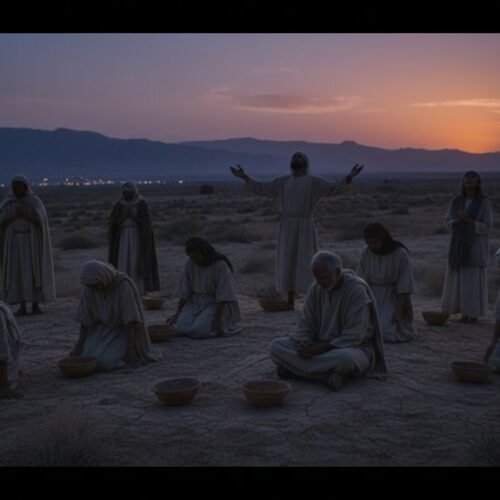
What drove Jesus into the desert for forty days? You’ll find that his trek wasn’t a spontaneous adventure but a purposeful response to the climax of his public ministry. After his baptism, the Spirit led him to the wilderness, a region of harsh, arid terrain on the edge of Judea. Historically, the desert symbolized both testing and renewal; Israel’s ancestors had spent forty years there, and Moses had encountered God on Mount Sinai for a similar span. The Jewish calendar marked this period as a time of purification before the Passover, aligning with the temple’s annual rites. Politically, Rome’s occupation created tension, and Jesus’ withdrawal signaled a deliberate pause before confronting authority. By entering the wilderness, he entered a space where divine revelation, temptation, and preparation converged, setting the stage for his subsequent public proclamation. This context deepens your understanding of the fast’s spiritual and cultural roots.
Types of Biblical Fasting: Quick Overview
You’ll encounter three main fasting styles: a partial fast that lets you eat certain foods, an absolute fast that eliminates all intake, and the Daniel fast that follows specific biblical guidelines.
Each type serves a distinct spiritual purpose and has its own practical rules.
Understanding these differences will help you choose the approach that fits your goals.
Partial Fast Overview
When you hear “partial fast,” think of a diet that trims certain foods while still allowing sustenance—like skipping meat, dairy, or sweets for a set period. In a partial fast you limit specific categories rather than abstaining completely. Many believers choose to forgo rich meals, focusing on simple grains, fruit, and water. This approach mirrors the biblical practice of Daniel, who ate vegetables and water while the kingdom’s feast continued.
It’s easier to sustain for weeks, making it practical for those balancing work, family, and prayer. You can set clear parameters—no processed foods, no caffeine, or no solid meals after sunset—while still receiving enough calories to function. The key is intentionality: you fast to sharpen spiritual focus, not to starve.
Absolute Fast Details
Absolute fasting—total abstention from food and sometimes water—appears in several biblical accounts, each with distinct purpose and duration. You’ll find three primary models: the 40‑day desert fast of Jesus, the 3‑day fast of Moses before receiving the Law, and the 7‑day fast of Esther before approaching the king. In each case, the fast serves a specific spiritual aim—penitence, preparation, or divine revelation. You should note whether water is allowed; Jesus and Moses endured without water, while Esther’s fast permitted limited liquids. Duration varies, but the pattern is clear: a set period, a focused prayer agenda, and a return to normal eating after the appointed time. Align your plan with the scriptural example you’re emulating, respecting both length and hydration rules.
Daniel Fast Guidelines
The Daniel Fast is a 21‑day partial fast that mirrors the prophet’s diet of vegetables, fruits, whole grains, nuts, and water while excluding meat, dairy, sweeteners, and processed foods. You begin by clearing your pantry of animal products, refined sugars, and additives. Fill meals with fresh or frozen produce, legumes, brown rice, quinoa, and unsalted nuts. Drink water, herbal tea, or 100 % fruit juice in moderation. Plan three balanced plates daily: a leafy base, a protein source like beans or lentils, and a whole‑grain side. Avoid oils, sauces, and processed snacks; season with herbs, spices, and lemon. Keep a journal to track cravings, prayer, and physical responses, adjusting portions as needed for sustained energy and spiritual focus.
Spiritual Goals of a 40‑Day Fast
If you’re entering a 40‑day fast, expect it to reshape your spiritual landscape, sharpening your focus on humility, dependence on God, and the pursuit of deeper intimacy with Him. Your primary goal is to quiet the noise of daily life so God can hear your heart. By denying physical cravings, you train your spirit to crave divine presence, turning every pang into a prayer. You’ll discover that humility isn’t a feeling but a practice—recognizing that sustenance comes from the Creator, not your own will.
Dependence grows as you lean on Scripture, worship, and community for strength, learning to trust God’s provision beyond food. Intimacy deepens when you replace idle thoughts with meditative listening, allowing the Holy Spirit to guide each step. Ultimately, the fast becomes a conduit for transformation, aligning your desires with God’s purpose and forging a resilient, faith‑filled identity.
Cultivate Spiritual Readiness Before a 40‑Day Fast
Your heart may already be humming with the humility and dependence you’ve begun to taste, but before you step into a 40‑day fast you need to lay a solid spiritual foundation. Begin by confessing any lingering pride or unresolved resentment; honesty clears the inner clutter that can derail devotion. Choose a daily rhythm of prayer and Scripture that aligns with the fast’s purpose—perhaps a morning meditation on the wilderness, a midday psalm, and an evening reflection on Christ’s temptation. Invite a trusted mentor or spiritual director to review your intentions, offering accountability and insight. Set specific, measurable goals: how many verses you’ll read, how long you’ll pray, and what gratitude journal entries you’ll complete. Keep a simple log to track spiritual milestones, noting moments of peace or struggle. This disciplined preparation transforms the fast from a physical trial into a purposeful pilgrimage toward deeper communion with God.
Choose a Safe Physical Environment for the Fast
Pick a quiet corner of your home where you won’t be interrupted, and clear it of clutter so you can focus on the fast.
Make sure the space feels safe and comfortable, with easy access to water and a place to rest if needed.
Secure Home Space
Where can you create a calm, distraction‑free zone for your 40‑day fast? Choose a room that locks, or, and you can control access to. Clear the space of clutter, removing electronics, sharp tools, and anything that could trigger anxiety. Install a sturdy lock or a simple latch, and keep a spare key with a trusted friend in case of emergency. Ensure the room has adequate ventilation, natural light, or a soft lamp for evening reading. Stock a small shelf with water, a journal, and a timer, but keep it minimal to avoid temptation. Check that the door hinges are sound, and the floor is safe for standing or sitting for long periods. This secure home space will protect your focus and safety throughout the fast.
Quiet, Uninterrupted Area
A lockable room gives you privacy, but the next step is finding a spot within it that stays quiet and undisturbed. Choose a corner away from doors, windows, and high‑traffic zones. Clear the area of clutter, leaving only essential items: a comfortable seat, a water bottle, and a simple timer. Dim the lights or use a soft lamp to signal your intention to stay focused. Silence electronic distractions by turning off notifications, muting phones, and keeping computers shut unless needed for prayer or study. If possible, add a white‑noise app or a fan to mask outside sounds. By securing a tranquil, interruption‑free zone, you protect your mind and body, allowing the fast to become a deeper, more reflective experience.
Set Realistic Spiritual Intentions for 40 Days
Ever wondered how to keep your 40‑day journey focused without burning out? Start by naming one or two concrete spiritual goals that genuinely inspire you—maybe deepening prayer, studying a specific Gospel, or practicing compassion daily. Keep each intention realistic: break it into weekly milestones so you can track progress without feeling overwhelmed. Write them down, then revisit the list each morning to remind yourself why you’re fasting. Align your goals with your current life rhythm; if you work long hours, schedule brief, intentional moments rather than lengthy sessions you you can’t sustain. Prioritize quality over quantity—one sincere act of kindness beats a half‑hearted marathon of devotion. If a goal feels too lofty, adjust it now rather than later; flexibility prevents discouragement. Finally, celebrate small victories, because each step forward builds momentum and keeps your spirit engaged throughout the entire 40‑day period.
Build a Daily Prayer Rhythm During the Fast
When you set a simple structure—like a three‑minute morning prayer, a mid‑day gratitude pause, and a brief evening reflection—you create a rhythm that steadies your heart throughout the fast.
Begin each day by waking a few minutes early, breathing deeply, and offering a concise petition that names your purpose and asks for strength.
Use a timer or phone alarm to remind you of the midday pause; during it, silently thank God for one specific blessing, letting gratitude replace hunger‑induced irritability.
In the evening, dim the lights, close your journal, and write a short reflection on how the day’s prayers shaped your thoughts and actions.
Keep the language plain, avoid elaborate verses, and stay consistent—habit beats intensity.
Over weeks, this pattern becomes a spiritual backbone, anchoring you when cravings surge and keeping your focus on the divine journey.
Scripture Meditation Techniques for a 40‑Day Fast
You’ll find focused scripture journaling sharpens your thoughts and keeps the fast centered on God’s word. Pairing each entry with a guided breath‑prayer meditation lets you breathe in the promise and exhale tension. Together they create a rhythm that deepens both your spiritual insight and physical endurance.
Focused Scripture Journaling
How can you turn a 40‑day fast into a deeper encounter with God? Begin each day by selecting a single verse that speaks to your current struggle or hope. Write it in a journal, then pause to read it aloud, letting the words settle. Next, jot down three brief observations: what the text reveals about God’s character, how it challenges you, and what promise it offers. Follow with a personal prayer that ties the verse to your fast, asking for strength or insight. Keep the entry under a page, so you stay focused and can revisit it quickly. At day’s end, reread your notes, notice any patterns, and let the Scripture’s truth shape your fasting journey.
Guided Breath‑Prayer Meditations
After journaling a verse, let your breath become the conduit for its truth. Inhale slowly, counting to four, and imagine the Scripture filling your lungs. Exhale gently, releasing tension while silently reciting the verse’s key phrase. Repeat this cycle for three minutes, then shift focus: inhale, whisper a prayer of gratitude; exhale, surrender any lingering doubt. Use a simple rhythm—four‑second inhale, six‑second exhale—to keep your mind anchored. When thoughts wander, acknowledge them, then return to the breath‑prayer pattern. This practice aligns body, mind, and spirit, deepening your fasting experience. As days pass, increase the duration gradually, allowing the Holy Spirit to shape each breath into a living testimony of devotion.
Manage Hunger Cravings With Mindful Techniques
Ever felt a sudden pang of hunger that derails your fasting? When cravings hit, pause and breathe. Acknowledge the sensation without judgment, then shift focus to the present moment. Notice the texture of the air, the rise and fall of your chest, the subtle sounds around you. By anchoring attention, you reduce the brain’s alarm response that fuels hunger.
Next, use a “5‑4‑3‑2‑1” sensory scan: name five things you see, four you hear, three you feel, two you smell, one you taste. This quick exercise reroutes neural pathways from food‑seeking to observation. Pair it with gentle movement—stretch, walk, or sway—to release tension that often masquerades as appetite.
Finally, sip water slowly, savoring each sip as if it were a tiny meal. Hydration dulls false hunger signals and fills the stomach’s stretch receptors. Practice these mindful steps each time cravings arise, and you’ll keep your fast steady and purposeful.
Calm Anxiety and Restlessness While Fasting?
When anxiety spikes during a fast, grounding yourself in the breath and a simple body scan can dissolve the turbulence. Inhale slowly through the nose, count to four, hold two seconds, then exhale through the mouth for six. Repeat this rhythm for a minute, letting each exhale release tension. Follow the breath with a quick scan: notice the feet, rise up through the calves, knees, thighs, hips, torso, shoulders, neck, and finally the head. Acknowledge any tightness without judgment, then consciously relax those muscles.
If thoughts race, label them—“worry,” “restlessness”—and let them drift like clouds. Engage in gentle movement: a short walk, stretching, or light yoga keeps blood flowing and steadies the nervous system. Keep a journal nearby; jotting brief notes captures anxiety’s content, preventing it from looping. Finally, remind yourself of the purpose behind the fast, anchoring each moment in intention rather than discomfort. This combination of breath, body awareness, movement, and purposeful reflection steadies the mind and eases restlessness throughout the fast.
Hydrate Effectively During Long‑Term Fasting
You’ll keep your electrolyte balance optimized by adding a pinch of sea salt or an electrolyte tablet to your water.
Drinking small amounts consistently, rather than gulping large volumes, helps your body absorb minerals without overwhelming your stomach.
Schedule your intake around meals and exercise to maintain steady hydration throughout the fast.
Electrolyte Balance Optimization
Maintaining proper electrolyte balance is essential for a safe, effective fast, because even modest drops in sodium, potassium, or magnesium can trigger fatigue, cramps, and dangerous heart rhythm changes. You’ll want to supplement with a pinch of sea salt, a dash of potassium chloride, and a magnesium glycinate dose each day. Aim for 2,000–2,500 mg sodium, 2,000 mg potassium, and 300–400 mg magnesium daily, adjusting for sweat loss or intense activity. Mix the salts into water or broth, but keep the fluid volume moderate to avoid over‑hydration. Track symptoms: dizziness, tingling, or irregular pulse signal a need to tweak ratios. Consistency beats occasional spikes, so measure supplements with a kitchen scale and log intake in a notebook. This disciplined approach preserves muscle function, nerve signaling, and cardiovascular stability throughout your prolonged fast.
Timing Water Intake Strategically
Often you’ll find that sipping water at regular intervals—rather than gulping large amounts sporadically—keeps electrolyte balance steady and prevents the stomach‑distending feeling that can trigger cravings during a long fast. Aim for 200‑300 ml every hour, adjusting for activity level and climate. Use a timer or phone reminder to stay consistent; the habit reduces mindless binge‑drinking later. Pair water with a pinch of sea salt or potassium‑rich broth to replenish minerals without breaking the fast. Avoid drinking a full glass right before bed to minimize nocturnal bathroom trips that disrupt sleep. If you feel light‑headed, add a splash of lemon juice for flavor and a modest vitamin C boost. By timing intake strategically, you maintain hydration, curb hunger, and support overall stamina throughout the 40‑day fast.
When to Allow Light Food: Biblical Precedents
When should you reintroduce light food during a 40‑day fast? Scripture shows that Jesus, after his 40‑day wilderness ordeal, ate a modest meal of bread and fish before resuming normal eating. Similarly, the Israelites in the wilderness were given manna—thin, unleavened cakes—only after the first day’s hunger passed. These precedents suggest a brief, gentle re‑entry: a single, simple portion after the full fast ends, not before.
Use easily digestible foods such as broth, dates, or plain bread, and keep portions modest. This approach honors the spirit of the fast while easing your digestive system back into work. Remember, the goal isn’t indulgence but a respectful transition that mirrors the biblical pattern of modest nourishment following a period of total abstinence.
Monitor Physical Health Throughout the Fast
You should check your blood pressure daily to catch any sudden changes.
If readings drift, tweak your caloric intake modestly—adding a small, nutrient‑dense snack can keep you stable.
This ongoing monitoring lets you stay safe while honoring the fast.
Track Blood Pressure Regularly
Keeping an eye on your blood pressure throughout a 40‑day fast is essential for staying safe and gauging how your body responds to the extended period of reduced intake.
Use a reliable cuff and measure at the same times each day—preferably morning and evening—so trends become clear.
Record systolic and diastolic values in a notebook or app, noting any spikes or drops.
If readings consistently exceed 130/80 mm Hg or fall below 90/60 mm Hg, pause the fast and consult a healthcare professional.
Hydration, stress, and posture can affect numbers, so stay seated, breathe steadily, and avoid caffeine before measurement.
Regular monitoring lets you adjust activities, maintain circulation, and prevent complications while you pursue the spiritual discipline.
Adjust Caloric Intake Wisely
How much should you actually eat during a 40‑day fast? You’ll keep calories minimal—just enough to stave off severe fatigue and preserve muscle. Aim for 300‑500 kcal per day, sourced from nutrient‑dense liquids like bone broth, diluted fruit juices, or herbal teas fortified with electrolytes.
Track your weight, energy, and any dizziness; if you lose more than 1 lb per day or feel light‑headed, increase calories slightly.
Prioritize protein‑rich soups to protect lean tissue, and add a pinch of sea salt for sodium balance.
Listen to your body: a steady heartbeat, clear mind, and stable mood signal you’re on track.
Adjust portions daily based on how you feel, never exceeding a modest intake that would break the fast’s spiritual intent.
Recognize Spiritual Dryness and Respond Wisely
Ever felt the weight of silence in your prayer life, as if the Holy Spirit’s whisper has faded? When that hush settles over your fast, recognize it as spiritual dryness, not failure. First, pause and inventory your habits: are you still reading Scripture, journaling insights, or sharing truth with a trusted friend? If those practices have slipped, gently restore them; consistency fuels the flame.
Second, ask honest questions—what fears or distractions are crowding out reverence? Write them down, pray for clarity, and invite God to reveal hidden obstacles.
Third, shift your focus from results to relationship; worship even when words feel empty, trusting that God hears the longing behind them.
Finally, remember that dryness often precedes renewal. Embrace the season, keep your heart open, and let small acts of obedience—like a brief breath prayer—rekindle the Spirit’s presence. Your fast will then move from mere discipline to deep communion.
Practice Sacred Silence During the Fast
When spiritual dryness settles, the next step is to quiet the noise and listen for God’s still small voice. You’ll set a daily “silence window” of at least fifteen minutes, turning off phones, closing tabs, and stepping away from conversations. Sit upright, breathe slowly, and focus on the rhythm of your breath; let thoughts drift past like clouds without grasping them. Speak only when prayer or Scripture prompts you, and keep a simple journal for brief reflections afterward. Use this quiet time to ask God specific questions, then sit in patient expectation, trusting that He’ll answer in His timing. If distractions arise, acknowledge them and gently return to the stillness.
Over days, the practice sharpens your spiritual hearing, turning the fast into a deeper dialogue rather than a mere abstention. This disciplined silence becomes the conduit through which divine insight flows, sustaining you throughout the forty‑day journey.
Embrace Wilderness‑Style Solitude Safely
A wilderness‑style retreat can deepen your fast while keeping you safe, so start by scouting a location that offers clear trails, reliable water sources, and cell‑phone coverage for emergencies. Pack a lightweight kit: a sturdy shelter, a compact stove, a first‑aid pouch, and a map with a compass. Test your gear before you leave; a malfunctioning stove or torn tarp can turn solitude into danger. Choose a spot with natural shade and a nearby stream, but filter the water to avoid illness. Let a trusted friend know your itinerary, check‑in times, and emergency contacts; keep a satellite messenger as a backup. Stay aware of weather forecasts and wildlife activity; store food securely to deter bears. Limit your daily walk to a manageable distance, and set a clear boundary for when you’ll return to camp. By planning meticulously, you protect your body and mind, allowing the desert silence to amplify prayer and reflection.
Journal Spiritual Insights Daily
You’ll start each day with a simple prompt that nudges you to notice how God’s presence shows up in your fasting.
Use a scripture‑based technique—write a short verse, then record the insight it sparks in your own words.
This habit turns fleeting moments into lasting spiritual growth.
Daily Reflection Prompts
Morning light filters through the window as you open your journal, inviting you to capture the day’s spiritual insights. Begin each entry with a prompt that centers your thoughts on the fast. Ask yourself, “What temptation am I sensing right now, and how can I surrender it to God?” Follow with, “Which scripture is resonating today, and why?” Then note any physical sensations, emotions, or prayers that arise. Keep the response brief—one or two sentences—so the entry feels manageable and honest. End each prompt by declaring a specific, attainable step for tomorrow, such as choosing a moment of silence or offering a gratitude prayer. This routine sharpens awareness, deepens reliance on divine strength, and transforms fasting into a lived dialogue with God.
Scripture‑Based Journaling Techniques
When you pair a verse with your daily reflections, the words become a living guide rather than a static quote. Choose a passage that resonates with your fasting goal; write it at the top of the page, then note the emotion it stirs. Ask yourself: “What does this reveal about my dependence on God?” Record honest answers, keeping sentences short and vivid. Use marginal symbols—arrows for growth, crosses for struggle—to map spiritual movement. After each entry, pray briefly, asking the Holy Spirit to illuminate hidden meanings. Review past weeks weekly, tracing themes of surrender, gratitude, and perseverance. This disciplined, scripture‑anchored journaling deepens focus, transforms hunger into humility, and sustains you through the entire forty‑day journey.
Handle Emotional Ups and Downs During the Fast
Ever wonder why a fast can feel like an emotional roller coaster? You’re not alone—hunger, sleep changes, and spiritual focus stir feelings you’d normally keep buried. First, name each mood as it appears: anxiety, irritability, joy, or peace. Labeling stops the mind from looping and gives you a handle on the surge. Second, anchor yourself in Scripture. A verse like Psalm 23 reminds you that God walks beside you, tempering fear with trust. Third, keep a simple journal. Write one sentence about the emotion, then add a prayer or gratitude note. This creates a rhythm that steadies the heart. Fourth, move your body gently. A short walk or stretching releases endorphins, easing tension without breaking the fast. Finally, lean on community prayer. Even a quick text to a trusted friend offers encouragement and reminds you that the ups and downs are part of the spiritual transformation you’re pursuing.
Navigate Social Pressures While You’re Isolated
Why do friends and family suddenly seem so eager to “check in” during your 40‑day fast? You’ll notice well can turn from supportive to intrusive, especially when they don’t understand the spiritual purpose of your isolation. Set clear boundaries early: tell them when you’re available for brief calls and when you need silence. Use brief, honest messages like, “I’m focusing on prayer today; I’ll update you tomorrow.” When they push for details, acknowledge their concern but redirect the conversation to neutral topics. Remember, their anxiety often mirrors yours, so respond with calm reassurance instead of defensiveness. Keep a log of interactions; it helps you spot patterns and adjust limits without feeling guilty. If a friend repeatedly disregards your limits, politely but firmly restate your needs. By protecting your space, you preserve the fast’s integrity while still honoring relationships.
Incorporate Worship Music in the Wilderness
How can you turn the barren silence of the wilderness into a sanctuary of sound? Bring a portable speaker or a small battery‑powered keyboard and let worship songs fill the empty air. Choose simple, repetitive melodies that echo the desert’s stillness, letting each chord become a prayer. Record a few verses on your phone, then play them while you walk the sand, letting the rhythm guide your steps and your thoughts toward God.
Use nature’s acoustics: sing aloud near cliffs or rocks, and the echo will amplify your praise. If you lack electricity, a hand‑crank radio or a solar‑charged device keeps the music alive. Pair each song with a short meditation, letting the lyrics settle in your heart as you fast. The music becomes a tangible reminder that even in isolation, you’re surrounded by divine presence, turning the wilderness into a holy concert hall.
Seek God’s Guidance Through Dreams While Fasting?
You can turn your nightly fast into a time for biblical dream interpretation, letting the Scripture‑rooted symbols speak to you. As you pray before sleep, invite God to shape your dreams and then reflect on them with a humble, prayerful heart.
Practicing spiritual discernment each morning helps you separate divine messages from ordinary thoughts, guiding your fast with purpose.
Biblical Dream Interpretation
Ever wondered if fasting can sharpen the spiritual lens through which God speaks in your dreams? When you deny the body, the soul becomes more attuned to divine whispers. Scripture shows God used dreams to guide people—Joseph’s visions saved Egypt, Daniel’s revelations warned of kingdoms. To interpret your fasting‑induced dreams, start by praying for discernment, then write the imagery verbatim. Compare symbols with biblical patterns: water often means renewal, a ladder points to heaven, and a broken wall signals removal of obstacles. Seek counsel from mature believers who know Scripture’s typology. Remember that dreams aren’t prophecy but prompts; they invite you to align your heart with God’s purpose as you continue the forty‑day fast.
Prayerful Nightly Reflection
When night falls during a forty‑day fast, your mind often drifts into vivid dreams that can serve as a quiet channel for God’s guidance.
Begin each evening by dimming lights, breathing slowly, and inviting the Holy Spirit to speak through the night.
Write a brief prayer, asking for clarity and protection, then settle into a comfortable position.
As you drift, notice recurring images, emotions, or symbols; these are often God’s subtle hints.
In the morning, record what you recall in a journal, linking each fragment to the Scripture you’ve been meditating on.
Review the entries weekly, looking for patterns that reveal direction or reassurance.
This disciplined practice deepens your reliance on divine insight while keeping the fast spiritually focused.
Spiritual Discernment Practices
Wondering how to tune your heart to divine whispers during a fast? As you fast, keep a simple sleep journal beside your bed. Before sleep, ask God to reveal guidance in a dream, then write any images, feelings, or words that surface. Trust that the Holy Spirit can use the quiet mind to speak. In the morning, read what you recorded, pray for interpretation, and compare it to Scripture. If a dream repeats or feels vivid, consider it a sign and seek counsel from a mature believer. Limit caffeine and heavy meals before bedtime to avoid fragmented sleep that clouds symbolism. By treating dreams as a disciplined discernment tool, you align hunger with spiritual listening, letting God’s direction emerge naturally.
Leverage Community Support From a Distance
How can you stay connected to encouragement when you’re physically apart from your fasting community? You can bridge the gap with daily check‑ins, shared playlists, and a group chat that posts short prayers or reflections each morning. Schedule a video call at a consistent time so you see familiar faces and hear supportive voices, even if you’re in different rooms. Use a shared document where everyone logs hunger spikes, spiritual insights, and prayer requests; reading others’ entries fuels solidarity. Send quick voice notes or text messages when you feel weak, and ask a friend to respond with a brief affirmation. Join an online study group that follows the same scripture plan, so your discussions stay synchronized. Celebrate milestones together—post a photo of your completed day, tag the group, and let the collective joy lift you. By making these digital habits intentional, you maintain the communal strength that sustains a 40‑day fast.
Maintain a Balanced Rest Schedule
Even though the fast stretches for weeks, you still need regular, restorative sleep to keep your body and spirit strong; aim for 7–8 hours each night, schedule short naps if you feel drained, and protect your bedtime with a calm routine—dim lights, limited screens, and a brief prayer or meditation—to ensure you wake refreshed and ready for each day’s discipline. Consistency matters more than occasional extra rest, so set a fixed bedtime and rise time, even on weekends. If you find yourself tossing, limit caffeine after noon and finish heavy meals at least three hours before sleep. A short, 20‑minute nap can boost alertness without disrupting nighttime sleep, but avoid longer naps that leave you groggy. Keep your bedroom cool, quiet, and dark; consider earplugs or a white‑noise app if needed. By honoring this schedule, you protect your metabolism, mood, and focus, allowing the fast to become a sustainable spiritual practice rather than a draining ordeal.
Practice Gratitude Throughout the 40‑Day Fast
A solid sleep routine fuels your energy, and that same steadiness makes it easier to notice daily blessings. As you fast, pause each morning to name three things you appreciate—your breath, a kind word, the sunrise. Write them in a journal or whisper them aloud; the act anchors your mind in abundance rather than lack. When hunger spikes, redirect attention to gratitude for the body that sustains you, for the water that quenches you, for the community that supports you. Use simple prayers or meditative breaths to reinforce this mindset throughout the day.
At night, review the day’s entries, acknowledging growth and resilience. This habit transforms the fast from a trial into a celebration of divine provision, deepening your spiritual connection and sustaining morale when the journey feels long.
Identify and Overcome Temptations in the Wilderness
You’ll notice the cravings that surface when the desert feels empty, so label those inner longings without judgment.
Then, draw clear boundaries—like scheduling prayer breaks or limiting media—to keep those temptations at bay.
Recognize Inner Longings
What stirs within you when solitude stretches into a desert of thoughts? You feel a quiet ache, a yearning for comfort, validation, or distraction. First, name the feeling—hunger for approval, fear of emptiness, or desire for control. Then, pause and breathe, letting the impulse surface without acting. Notice how the longing flickers, then fades, as you anchor yourself in prayer or a simple mantra. Write the urge down, label it, and ask why it arose. Is it a memory, a fear, or a habit? By confronting the inner voice, you prevent it from morphing into temptation. Keep a journal, revisit the entries daily, and let the awareness guide you toward steadier, purpose‑driven steps.
Set Boundaries Early
Recognizing those inner longings is only half the battle; the next step is to draw clear lines before the wilderness can lure you in. You’ll set concrete limits on food, media, and social interaction, writing them down where you’ll see them daily. Choose a specific time to pray, a designated place for reflection, and a strict schedule for meals. When temptation appears, remind yourself of the boundaries you agreed to honor. If a craving for a snack spikes, pause, breathe, and ask whether it serves your purpose or merely comforts you. Enlist a trusted friend to check in, and let them hold you accountable. By establishing these walls early, you protect your focus, keep the fast on track, and resist the desert’s subtle snares.
Use the Psalms as a Companion During the Fast
Ever wondered how the Psalms can turn a solitary fast into a vibrant dialogue with God? You can let the ancient prayers become your soundtrack, guiding each hour with reverence and hope. Start each morning by reading a short psalm—Psalm 23 for comfort, Psalm 51 for repentance, Psalm 121 for protection. Memorize a verse, then repeat it silently as you pray, letting its rhythm shape your thoughts. When cravings rise, flip to a psalm that speaks of God’s steadfast love; the words will anchor you, reminding you that hunger is temporary while divine promises endure. Use the Psalms as a meditation timer: read a stanza, pause, breathe, then recite the next. This pattern creates a flowing conversation, turning loneliness into fellowship. By the end of each day, you’ll notice a deeper intimacy, because the Psalms echo your heart’s longing and God’s faithful response.
Decide When to Break the Fast: Biblical Indicators
You’ll know the time’s right when Scripture points to signs like the end of a season or a divine promise fulfilled. Look for inner peace, renewed joy, and a clear sense that God has answered your prayers. These spiritual cues tell you the fast has reached its purpose and you can break it confidently.
Biblical Signs of Completion
When the Spirit signals that the appointed time has arrived, you can end the 40‑day fast with confidence.
Scripture points to clear markers: the arrival of the promised Messiah, the fulfillment of a specific prophecy, or the completion of a divine commission.
In the wilderness, Israel’s journey concluded when the tabernacle was erected, signaling God’s presence.
Jesus halted his fast after the temptation episode, declaring “the time is fulfilled.”
Look for the moment when God’s promised purpose is realized—whether it’s a healed heart, a restored relationship, or a proclaimed word.
Once that biblical endpoint appears, you may break the fast, trusting that the work God began is complete.
Spiritual Readiness Indicators
What signals that your heart is truly prepared to end a 40‑day fast? You feel a gentle peace settling over your thoughts, not a sudden urge for comfort food. Your prayers flow freely, no longer strained by hunger, and Scripture speaks to you with clarity. You notice a renewed desire to serve others, indicating that the fast has produced compassion rather than self‑absorption.
Your body signals stability—energy returns without cravings, and sleep feels restorative. The Holy Spirit prompts gratitude for the discipline you’ve completed, and you sense readiness to re‑enter daily life with a deeper reliance on God. When these signs align, you can confidently end the fast, trusting that God’s work in you is complete.
Transition Back to Food After the Fast Safely
After 40 days of abstaining, reintroducing food gradually is essential to protect your digestive system and maintain the health gains you’ve earned. Start with clear drinks, broth, or diluted fruit juice for the first 24‑48 hours, sipping slowly every 15‑20 minutes. Once you tolerate liquids, add easily digestible foods like ripe bananas, cooked carrots, or oatmeal, keeping portions under 200 calories per meal.
Eat three small meals a day, chewing thoroughly and pausing between bites to gauge any discomfort. Avoid heavy proteins, fried foods, and excessive fiber for the first week; these can overwhelm a gut that’s been idle. Hydrate with water and herbal teas, but limit caffeine and alcohol until you’ve re‑established a regular eating rhythm.
Monitor your energy, stool consistency, and any abdominal pain—if symptoms persist, pause and consult a healthcare professional. By progressing slowly, you’ll preserve the benefits of your fast while safely returning to normal nutrition.
Reflect on Spiritual Fruit Gained From the Fast
Did you notice how the silence of those forty days sharpened your awareness of God’s presence? As you pause to reflect, you’ll see patience, humility, and deeper trust sprouting from the discipline you endured. The hunger you felt turned into a yearning for divine truth, and the moments of weakness revealed a steadfast reliance on prayer. You recognize that the fast stripped away distractions, leaving space for the Holy Spirit to cultivate compassion toward others and gratitude for everyday blessings. Your mind, once clouded by routine, now discerns Scripture with fresh clarity, and your heart beats with renewed love for community. These fruits—patience, humility, trust, compassion, gratitude, and spiritual discernment—are evidence that the fast was more than a physical trial; it was a conduit for lasting transformation. Celebrate these gains, and let them guide your daily walk with Christ.
Share Your Testimony With Others After the Fast
After your fast, craft a clear testimony that highlights the specific ways God moved in your life.
Choose platforms—like a small group, social media post, or church service—where your story will resonate and be heard.
Then invite others to respond, ask questions, and share their own experiences, turning your testimony into a catalyst for community growth.
Craft Clear Testimony
Ever wondered how to turn a 40‑day fast into a powerful witness? Start by outlining the key moments: the physical struggle, the spiritual breakthroughs, and the concrete changes in your life. Use simple, vivid language—avoid theological jargon that can alienate listeners. Structure your testimony in three parts: the problem you faced, the process of fasting, and the outcome you experienced. Keep each section under 30 seconds when spoken, and rehearse until the flow feels natural. Highlight specific prayers answered or habits transformed, then connect those results to God’s faithfulness. End with a clear invitation: ask listeners to consider their own fast or to pray with you. This concise, honest narrative makes your witness memorable and actionable.
Choose Appropriate Platforms
Where will your story resonate most? Pick platforms where your audience already gathers—your church’s Facebook group, a Discord channel for believers, or an Instagram Reel that reaches friends. Tailor the format: a short video for TikTok, a written post for a blog, or a live‑stream Q&A on YouTube. Keep the message focused on how the fast deepened your faith, not on the length of the fast itself. Use clear headings, a compelling thumbnail, and relevant hashtags like #40DayFast to boost discoverability. Schedule posts when followers are most active, and engage promptly with comments to foster connection. By matching the platform’s strengths to your testimony’s tone, you’ll amplify impact without spreading yourself thin.
Invite Community Engagement
Your story now becomes a catalyst for others, so invite the community to hear how the fast reshaped your faith. Begin by drafting a concise testimony that highlights the challenges, revelations, and spiritual growth you experienced. Post it on the platforms you chose earlier—church bulletin, social media groups, or a community blog—using a clear headline and a brief hook. Encourage questions by ending with, prompt like, “What part of your own walk could benefit from this practice?” Offer to host a small discussion circle or a live video where listeners can share reactions in real time. Provide a simple contact method, such as an email or comment thread, so people can reach out for deeper conversation. This reciprocal exchange amplifies the fast’s impact and builds lasting fellowship.
Integrate Lessons From the Fast Into Everyday Life
How can you carry the discipline of a 40‑day fast into daily routines without feeling overwhelmed? Start by carving out a “mini‑fast” each morning—skip coffee or a snack for 30 minutes, then replace it with prayer or a brief journal entry. This tiny pause trains the same self‑control you practiced during the longer fast.
Next, translate the fasting’s focus on simplicity into your meals: choose whole, unprocessed foods and limit mindless snacking. When cravings arise, ask yourself whether they serve a deeper purpose or just a habit.
Apply the fast’s gratitude habit by noting three blessings before each meal, reinforcing awareness of abundance.
Schedule a short “reflection window” after work to review how your choices aligned with the fast’s values.
Finally, share one insight daily with a friend or family member; teaching solidifies learning and builds community support without needing a formal group setting.
These steps embed the fast’s lessons into everyday life, keeping you grounded and purposeful.
Keep Spiritual Momentum Growing Post‑Fast
What keeps the fire of your faith burning after a 40‑day fast? You keep the blaze alive by turning the fast’s insights into daily habits. Start each morning with a short prayer or Scripture reading that reminds you of the purpose behind the fast. Schedule brief check‑ins—five minutes of silence before work or after dinner—to gauge your spiritual pulse. Pair those moments with concrete actions: a kind word, a helping hand, or a gratitude list. Let the discipline you cultivated shape your choices, like choosing wholesome meals or limiting screen time, reinforcing the surrender you practiced.
Join a small group that meets weekly; sharing experiences deepens accountability and encourages growth. When you feel the momentum waning, revisit the journal entries from the fast, recalling the breakthroughs you recorded. By weaving these practices into your routine, you sustain the fire, turning a single fast into a lifelong pilgrimage.
Common Mistakes to Avoid in a 40‑Day Fast
Why do so many 40‑day fasts fizzle out before the end? You often jump in without a realistic plan, assuming will will power alone will carry you through.
First, neglecting gradual preparation taxes your body; you should taper meals weeks ahead, not plunge from a full diet to near‑total abstinence.
Second, ignoring hydration leads to headaches, dizziness, and cravings that sabotage the fast. Keep water, electrolytes, and, if allowed, herbal teas close at hand.
Third, setting an overly rigid schedule creates anxiety—allow flexibility for rest days or lighter portions when needed.
Fourth, skipping medical check‑ins can hide warning signs like blood‑sugar drops or electrolyte imbalances.
Finally, abandoning spiritual focus for sheer willpower makes the fast feel like a punishment rather than a discipline; integrate prayer, meditation, or scripture reading to sustain motivation.
Adjust the Fast for Specific Health Conditions
Ever considered how a 40‑day fast might need tweaking for diabetes, hypertension, or thyroid issues? If you have diabetes, monitor blood glucose hourly and keep a low‑glycemic broth on hand to prevent hypoglycemia. Adjust insulin doses under a doctor’s guidance; a modest reduction often suffices because caloric intake drops dramatically. For hypertension, cut sodium to under 1,500 mg daily and stay hydrated with electrolyte‑balanced water; consider a short‑term ACE‑inhibitor pause if your physician advises. Thyroid patients should keep iodine intake stable and avoid abrupt caloric deprivation that can suppress T3 production; a small, nutrient‑dense snack—like a spoonful of coconut oil—can sustain metabolic rate. In all cases, schedule regular lab checks, listen to warning signs (dizziness, rapid heartbeat, extreme fatigue), and be ready to break the fast if parameters stray. Tailoring the regimen protects health while preserving the spiritual intent of the 40‑day journey.
Use Modern Tools Without Distraction During the Fast
Can you stay connected to essential apps without letting them hijack your focus? Set a single “essential‑only” list—messages, prayer timers, Bible apps—and mute everything else. Use your phone’s “Do Not Disturb” mode with a custom schedule that lifts only during those windows. Turn off push notifications for social media, news, and games; if a notification arrives, decide quickly whether it truly supports your fast or just pulls you away. Install a minimalist launcher that hides non‑essential icons, and place a physical “focus” widget on your home screen for quick access to meditation music or scripture. Schedule short, purposeful check‑ins—five minutes at sunrise, noon, and sunset—to review any urgent messages, then return to silence. Keep a notebook or digital journal handy for thoughts that arise, so you don’t need to scroll for answers. By limiting tools to what sustains spiritual and mental clarity, you protect the fast’s intention while staying responsibly connected.
Align the Fast With Liturgical Seasons
When Lent, Advent, or any holy season approaches, you can deepen your 40‑day fast by syncing it with the church’s liturgical rhythm.
First, identify the season’s theme—penance, preparation, or hope—and let it shape your prayer focus and fasting intentions.
Use the lectionary to choose daily Scripture passages that echo the season’s message, and align your meals with the liturgical calendar’s fasting rules (e.g., abstaining from meat on Fridays during Lent).
Incorporate the season’s sacraments: attend Mass, receive Holy Communion, and participate in the Stations of the Cross or Advent wreath lighting.
Let the rhythm of the liturgy guide your spiritual pace; pause for the Angelus, the Liturgy of the Hours, or daily devotions.
Connect the Fast to the Wider Christian Tradition
How can you deepen your 40‑day fast by seeing it as part of the broader Christian heritage? You’re not alone; the early church practiced extended abstinence, and the Desert Fathers modeled months of prayerful deprivation. By linking your fast to these historic rhythms, you tap a lineage that includes Lent, Advent, and Pentecost, each rooted in biblical precedent and communal memory. Recognize that the 40‑day period mirrors Israel’s wilderness journey, Moses’ 40 days on Sinai, and Elijah’s 40‑day retreat—each a divine preparation. When you join a parish Lenten service, you share the same spiritual discipline that shaped centuries of believers. Read the Rule of St. Benedict, which prescribes fasting for monks, and notice how silence, almsgiving, and Scripture study accompany the physical denial. Embedding your fast within this tradition transforms a personal trial into a living echo of the church’s collective pilgrimage toward holiness.
Teach Others About the 40‑Day Wilderness Fast
Ever wondered how to turn your own 40‑day wilderness fast into a catalyst for others’ spiritual growth? Start by sharing a concise overview of the fast’s purpose, timeline, and biblical basis in a small group or online forum. Invite participants to ask questions, then model the daily rhythm—prayer, Scripture, silence, and simple meals—so they can visualize the experience. Provide a printable schedule that marks key milestones, like the temptation in the desert and the night of revelation, and suggest reflective prompts for each day.
Pair newcomers with seasoned fast‑walkers for mentorship, encouraging honest dialogue about cravings and spiritual insights. Offer practical tips on hydration, modest shelter, and safe navigation to keep the focus on devotion rather than logistics. Celebrate progress with brief check‑ins, reinforcing that the fast is a communal journey toward deeper reliance on God.
Final Blessings and Ongoing Faithfulness After the Fast
Having walked the desert together, you now stand at the edge of the wilderness, ready to receive the final blessings that seal the fast’s purpose and to carry its fire into everyday life.
The Spirit whispers that these blessings aren’t a one‑time gift but a catalyst for ongoing faithfulness.
As you break the fast, pause to thank God for strength, guidance, and the deeper intimacy you’ve cultivated.
Record the insights that emerged, then set concrete, prayer‑filled goals—whether it’s daily scripture, service, or a renewed habit of gratitude.
Let the rhythm of worship replace the rhythm of hunger, turning the lingering scent of incense into a daily aroma of devotion.
Share your testimony with those still wandering, offering a living example of transformation.
Frequently Asked Questions
Can I Fast 40 Days While Pregnant or Nursing?
You shouldn’t attempt a 40‑day fast while pregnant or nursing. Your body needs extra calories, protein, and nutrients to support fetal growth and milk production; severe restriction can cause dehydration, low blood sugar, and nutrient deficiencies that harm both you and your baby.
Talk to your doctor about safe eating plans, and focus on balanced meals, hydration, and prenatal vitamins instead of extreme fasting.
What Legal Considerations Exist for Fasting in Public Spaces?
You need to check local ordinances, health‑code regulations, and property rules before fasting publicly. If you’re on private property, the owner can set restrictions; on public sidewalks or parks, municipalities may require permits for large gatherings or signage. Some jurisdictions prohibit activities that could endanger public health, so you might need a medical waiver. Also, avoid violating anti‑discrimination or harassment statutes by ensuring your fasting doesn’t obstruct or intimidate others.
How Does Fasting Affect Medication Metabolism and Dosage?
Fasting can slow or speed up medication metabolism, so you’ll need to adjust dosages. Food often triggers liver enzymes that break down drugs; without meals, those enzymes may work less efficiently, causing higher blood levels and potential side effects.
Conversely, some meds require food for proper absorption, so fasting can lower their effectiveness. Always consult your doctor, monitor blood levels, and possibly modify timing or dose to stay safe while fasting.
Is It Safe to Fast While Traveling Across Time Zones?
Yes, you can fast while crossing time zones, but you need to adjust your schedule and monitor your health. Keep meals and water intake consistent with your new local time, and avoid extreme calorie restriction if you feel dizzy or fatigued. Pay attention to medication timing—shift doses to align with the new routine. Stay hydrated, listen to your body, and consider a lighter fast if jet lag or stress intensifies.
Can I Incorporate Intermittent Fasting Patterns Within a 40‑Day Fast?
You can blend intermittent‑fasting windows into a 40‑day fast, but you’ll need to adjust the schedule so the total restriction stays within the 40‑day limit.
Start with a 16‑hour fast and 8‑hour eating window, then gradually extend the fasting period each week—20, 24, then 30 hours—while keeping hydration and electrolytes steady.
Listen to your body, pause if you feel faint, and consult a doctor before pushing beyond a week of continuous fasting.
Conclusion
You’ve walked the path Jesus walked, feeling His presence in every moment of hunger and prayer. Let this 40‑day journey reshape your heart, deepen your faith, and empower you to share its blessings. Keep the fire alive, stay rooted in Scripture, and let the Spirit guide every step forward. Your life now bears the imprint of that wilderness—an enduring testimony of devotion and renewal.










No Comments