

18 Apr What Is the Transfiguration’s Mountaintop Divine Glory?
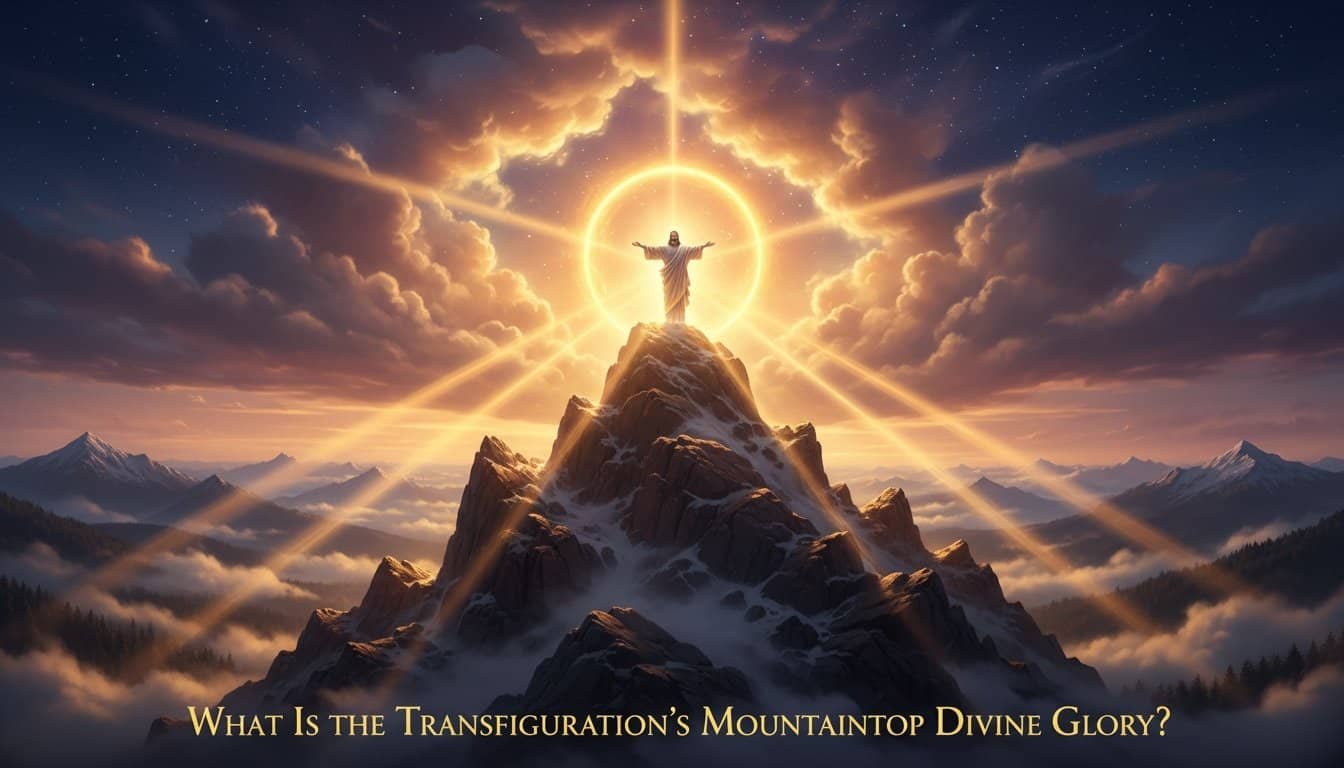
You see a high, unnamed mountain where Jesus, with Peter, James and John, is cloaked in a brilliant cloud that radiates a light brighter than the sun, signifying divine glory (doxa). The Father’s voice proclaims, “This is my beloved Son; listen to Him,” while Moses and Elijah appear, linking the Law and the Prophets to Jesus’ upcoming exodus. This vision reveals Jesus’ pre‑existence, foreshadows baptism, the Ascension, and calls you to obey his teachings. Keep going, and you’ll discover how the early Church and liturgy celebrate this pivotal moment.
Table of Contents
What the Transfiguration Mountain Event Looks Like in the Gospels?
How does the Gospels’ Mountaintop scene unfold? You follow Jesus up a high, unnamed mountain—traditionally Mount Hermon—where He brings Peter, James, and John. A brilliant cloud envelops you, and a voice from the Father declares, “This is my beloved Son; listen to him.” Suddenly, Moses and Elijah appear, conversing with Jesus about His upcoming “decease.” Their radiant forms illuminate the summit, and the disciples stare, awestruck, at the divine light that now cloaks Christ. The voice commands silence, telling you not to reveal the vision until after the resurrection. As the cloud lifts, Moses and Elijah fade, leaving Jesus alone, glorified, and fully divine. You sense the fulfillment of Law and Prophets, the promise of redemption, and the profound mystery of Christ’s pre‑existent glory, all captured in a single, awe-inspiring moment.
How “Glory” (Doxa) Is Revealed in the Transfiguration
When the cloud rolls over the summit, the divine glory—Greek *doxa*—burst forth, turning Jesus’ flesh into radiant light that outshines even the blazing sun. You see that *doxa* isn’t merely brightness; it’s the visible imprint of the Father’s presence, echoing the tabernacle’s cloud (Ex 40:34‑38).
The light reveals Jesus’ pre‑existence, confirming John 1:14’s “Word became flesh” and his unity with the Father. As the disciples stare, they witness an inner transformation (*metamorphōthē*) made outward, a glimpse of the kingdom where the cross gives way to a crown (Heb 2:9).
The glory also points to the “light of the world” (John 12:35‑36), inviting you to recognize that true illumination comes from Christ’s divine nature. You’re called to heed the Father’s voice—“Listen to Him”—and let that radiant *doxa* shape your faith and hope for the future exodus from sin.
The Meaning Behind Moses and Elijah’s Appearance
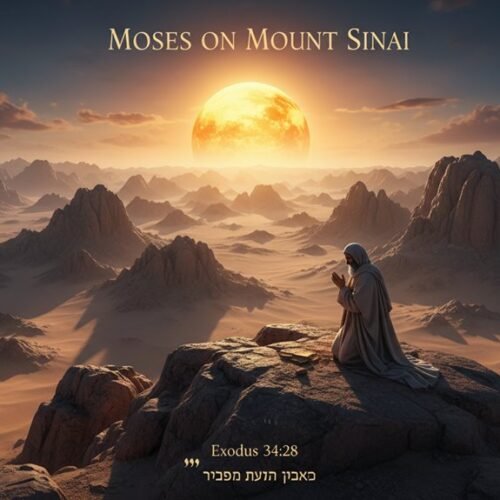
The radiant *doxa* that enveloped Jesus also brought Moses and Elijah into view, underscoring the Transfiguration’s theological depth. You see Moses, the Law‑giver, standing beside Elijah, the Prophet, as a visual bridge between Israel’s covenant history and the new covenant Jesus inaugurates. Their presence tells you that the divine plan is continuous, not broken. When they converse with Jesus about his upcoming “exodus,” you recognize that his suffering will deliver humanity just as the Exodus freed Israel. Their appearance also signals that the Law and the Prophets find their ultimate fulfillment in Christ, but it doesn’t diminish his unique authority; the voice from the cloud redirects your focus solely to him.
Why Moses and Elijah Confirm Jesus as Fulfillment of Law and Prophets?
Why do Moses and Elijah appear beside Jesus at the Transfiguration? You see them because they embody the two pillars of the Old Testament: Moses stands for the Law, Elijah for the Prophets. Their presence says, “Jesus is the promised continuation of both.” When the cloud’s voice declares, “This is my beloved Son; listen to him,” it validates that the Law’s demands and the Prophets’ expectations converge in Christ. You recognize that Moses’ conversation about the “exodus” points to Jesus’ salvific work, while Elijah’s ascent hints at the believers’ future glorification. Their brief dialogue with Jesus shows that the Old Covenant’s story isn’t abandoned but fulfilled. By aligning Jesus with the foundational figures, the Transfiguration confirms that He’s the culmination of the Law’s righteousness and the Prophets’ hope, sealing the continuity of God’s redemptive plan.
The Transfiguration’s Bridge Between Baptism and Ascension
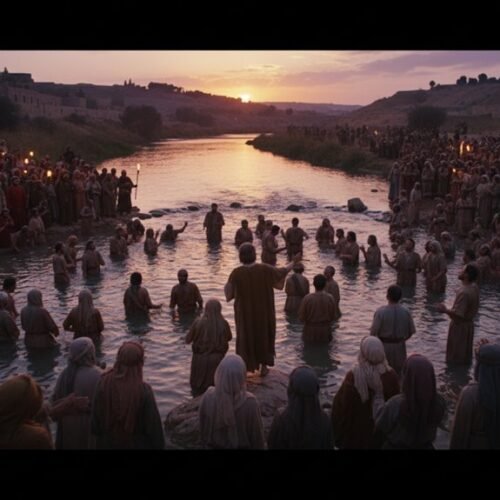
Glorious light crowns the mountain, linking the waters of Jesus’ baptism to the heavenly cloud of his ascension. As you stand on the transfigured peak, you recognize a seamless narrative: the Spirit’s descent at baptism, the radiant revelation here, and the cloud‑borne departure later.
The voice that affirmed “This is my beloved Son” mirrors the heavenly proclamation at baptism, confirming that the same divine authority lifts you from water to glory.
Moses and Elijah’s presence points forward to the prophetic promise fulfilled in Christ’s ascension, where the cloud once again carries the Son beyond the earth.
You see the Transfiguration as the pivotal bridge—transforming the humble immersion into a luminous testimony that culminates in Christ’s exalted return to the Father.
This continuity teaches you that every Christian milestone is interconnected, guiding you from initiation, through revelation, to ultimate union with the divine.
How the Early Church Saw Transfiguration Glory on the Hill
How did the early church perceive the Transfiguration’s glory on that high hill? You’d find that fathers like Irenaeus and Origen called it “the glory of God in a human being.” They saw the radiant Christ as proof that the divine and the flesh could coexist, a revelation that eclipsed the baptism’s voice but didn’t replace it. Moses and Elijah’s presence confirmed Jesus as the fulfillment of Law and Prophets, so the hill became a theological bridge linking Israel’s past to the coming kingdom. The cloud and Father’s proclamation echoed the tabernacle’s glory, reinforcing the idea that the divine dwells among men. Early believers kept the vision secret until after the resurrection, as instructed, and they celebrated it annually on August 6, using icons that emphasized Christ’s light. This perception shaped their worship, doctrine, and expectation of a future, glorified humanity.
Liturgical Celebration: Why August 6 Matters for Believers
The August 6 feast‑day, known as the Transfiguration, anchors believers in a liturgical rhythm that transforms a biblical event into a recurring encounter with divine glory.
When you gather for the Divine, the prayers, hymns, and readings draw you into the mountain scene, letting the cloud’s voice echo in your heart.
The calendar placement bridges the Luminous Mysteries of the Rosary and the solemnity of the Ascension, reminding you that Christ’s glory is a continuous thread in salvation history.
By commemorating Moses and Elijah alongside Jesus, the service affirms the Law and the Prophets’ fulfillment in you, reinforcing your identity as a participant in the promised exodus from sin.
The feast also offers a concrete moment to practice “listen to Him,” turning the ancient declaration into a present‑day call for obedience.
In this way, August 6 becomes a liturgical anchor, shaping your spiritual journey toward the ultimate crown of glory.
Applying “Listen to Him” After the Transfiguration
Where does the voice from the cloud lead you today? You hear “Listen to Him,” and it becomes a daily litmus test for obedience. After the Transfiguration, the cloud’s command isn’t a one‑time shout; it’s a call to align every decision with Christ’s teachings. When you face a moral crossroads, pause, recall the radiant Christ on the mountain, and ask, “What would He say?” Let that question shape your actions, not your preferences. This practice turns the Transfiguration from a historical event into a living compass. It also links suffering to glory—when you endure hardship, remember the promise that the cross will be replaced by a crown. By consistently listening, you embody the transformation Peter, James, and John witnessed, allowing God’s glory to radiate through your ordinary life.
Frequently Asked Questions
Did the Disciples See Jesus in His Pre‑Existent Heavenly Form?
You saw Jesus radiating a divine, pre‑existent glory on the mountaintop. The cloud’s voice and the shining countenance revealed his heavenly nature, not merely his human form. Moses and Elijah stood beside him, confirming that the light you witnessed was the same eternal presence that existed before creation. This moment showed you his true, glorified identity—God incarnate, shining beyond ordinary flesh.
Why Is the Cloud Motif Used in Both Transfiguration and Ascension?
You see the cloud as God’s visible presence, a divine seal that marks transition. In the Transfiguration it descends to announce the Father’s affirmation of Jesus, revealing His glory.
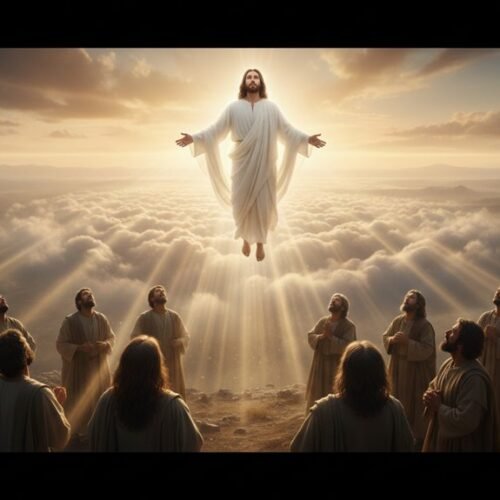
In the Ascension the same motif signals Jesus returning to the Father’s side, completing His earthly mission. Both moments use the cloud to bridge heaven and earth, confirming authority and continuity in the salvation story.
How Does the Transfiguration Relate to the Doctrine of the Trinity?
You see the Transfiguration reveal the Son’s divine nature, confirming His unity with the Father and the Holy Spirit. The voice from the cloud declares, “This is my beloved Son,” echoing the Father’s affirmation of the Son’s authority. The radiant glory mirrors the Spirit’s presence, while the disciples’ obedience to “listen” reflects the relational harmony that defines the Trinity. Thus, the event visually affirms the three Persons as one divine reality.
What Is the Significance of the “silence” Command to the Disciples?
You should keep the vision secret because the silence protects the disciples’ faith until the resurrection confirms the glory they witnessed. By obeying, you avoid premature speculation, preserve the mystery of Christ’s divine identity, and prevent the crowd from misinterpreting the event.
The command also prepares you to trust the Father’s timing, allowing the full revelation of the Cross and Resurrection to unfold later.
Does the Transfiguration Foreshadow the Future Glorified State of Believers?
You can see the Transfiguration as a preview of the glorified state awaiting you. Jesus’s radiant transformation, together with the voice declaring “This is my beloved Son,” signals that believers will share in that divine glory after resurrection. The event hints that, like Christ, you’ll be transformed from inside out, shedding mortality’s veil and shining with heavenly light in the coming kingdom.
Conclusion
You’ve seen how the mountaintop’s divine glory reveals Jesus as the radiant fulfillment of Law and Prophets, a living bridge from baptism to ascension. By listening to Him, you join the early church’s awe and the liturgical rhythm of August 6, letting that dazzling Doxa transform your faith and daily walk.







No Comments