

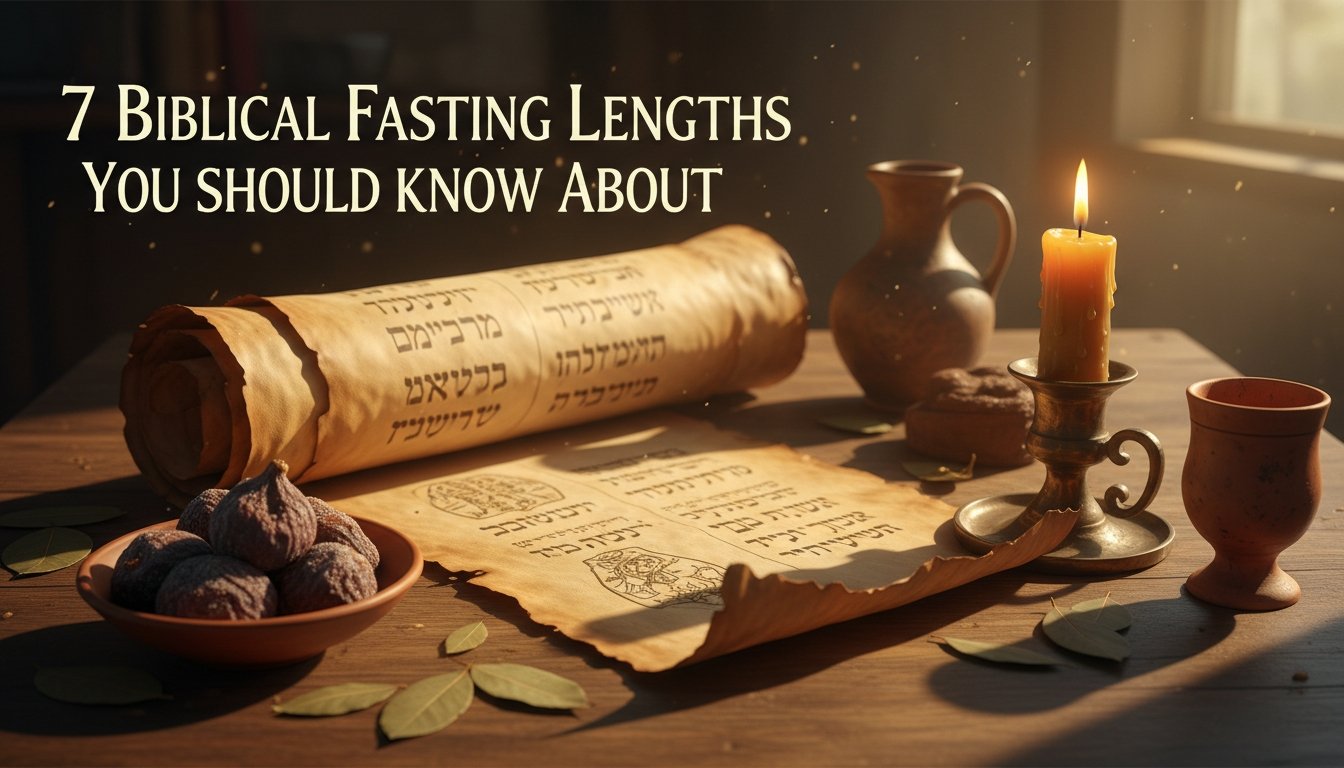
19 Apr 7 Biblical Fasting Lengths You Should Know About
You can try a one‑day sunrise‑to‑sunset fast for quick focus, a three‑day full abstention to seek revelation, a seven‑day full or light fast for community prayer, a ten‑day vegetable‑and‑water diet to sharpen wisdom, a twenty‑one‑day restricted‑diet fast for persistence, or a forty‑day complete fast for a deep divine encounter. Each length mirrors a biblical example and serves a specific spiritual purpose, and the next sections will show how to match them to your goal.
Table of Contents
Biblical One‑Day Fast: How to Fast From Sunrise to Sunset
How does a one‑day fast work when you begin at sunrise and end at sunset? You wake at first light, pray, and set the intention to abstain from food until the sun dips below the horizon. Throughout the day you keep water nearby, but you avoid any solid meals, focusing instead on scripture, prayer, and reflection. When the sun sets, you break the fast with a modest meal, thanking God for the strength to endure. This practice mirrors biblical examples: Judges 20:26 shows Israel fasting for divine guidance after a battle loss; Samuel 7:6 records a national fast that led to deliverance; Nehemiah 1:4 illustrates a personal fast for mourning Jerusalem; Isaiah 58:3‑6 warns against hypocritical fasting, urging sincere repentance; Psalm 35:13 depicts an individual fast for intercession on enemies. By aligning your fast with sunrise‑to‑sunset timing, you honor these traditions and open yourself to spiritual insight.
Biblical Three‑Day Fast: Full Food‑and‑Water Abstention for Revelation
What drives a believer to deny both food and water for three days? A yearning for divine revelation. In the Bible, three‑day fasts appear when God’s people need clarity, protection, or a decisive answer. Esther’s court fast (Est 4:16) preceded a bold petition that saved a nation. Daniel’s night‑time vision (Dan 10:2‑3) came after a three‑day abstention, opening a doorway for angelic insight. Saul’s conversion (Acts 9:9) followed a similar period, marking a radical transformation. When you embark on this fast, you mirror their posture: you surrender physical comfort, focus prayer, and invite the Holy Spirit to illuminate your heart. Prepare by confessing sins, setting a specific request, and staying in Scripture. Expect heightened sensitivity, possible weakness, and a deepened dependence on God. The fast ends with a prayer of gratitude, acknowledging the revelation received.
Biblical Seven‑Day Fast: Full vs. Light Fast for Community Prayer
When a congregation seeks collective renewal, a seven‑day fast can be either a full abstention of food and water or a light fast that permits simple sustenance. In a full fast, you and your community for all meals and drink, echoing Joel 2:12‑13’s call for heartfelt repentance. This intensity sharpens dependence on God, fosters humility, and often accompanies prayer for deliverance, as seen in 2 Chronicles 20:3‑4 before Judah’s battle.
A light fast, by contrast, allows basic foods—perhaps fruit, broth, or a small portion of bread—mirroring Daniel’s ten‑day partial fast extended to seven days for clarity. This approach sustains energy, enabling participants to serve, study Scripture, and lead worship while still signaling earnest supplication.
Choose the version that matches your community’s health, mission, and spiritual urgency, and maintain consistent prayer, worship, and confession throughout the week.
Biblical Ten‑Day Fast: Vegetables‑and‑Water Diet Guide for Wisdom
Moving from the rhythm of a seven‑day communal fast, the ten‑day vegetables‑and‑water regimen invites a focused pursuit of wisdom. You begin by choosing simple, unseasoned vegetables—cucumbers, carrots, leafy greens—and pure water. For each day, eat only enough to sustain energy, avoiding spices, fats, and processed foods. The plan mirrors Daniel’s trial (Daniel 1:12‑16), where a clean diet sharpened his understanding and earned divine favor.
Morning prayers set your intention, then sip water slowly to stay hydrated. Midday, consume a modest portion of raw or lightly steamed vegetables, chewing thoroughly to aid digestion. Evening, repeat a light vegetable serving, ending with a brief gratitude meditation.
Throughout the ten days, journal insights, noting shifts in clarity or perspective. This disciplined nourishment cultivates humility, steadies the mind, and opens you to the wisdom God promises to those who seek it with a pure heart.
Biblical Twenty‑One‑Day Fast: Restricted‑Diet Prayer Fast for Persistence
How does a twenty‑one‑day restricted‑diet fast sharpen your persistence in prayer? You begin by cutting meat, wine, and oil, keeping only vegetables and water, just as Daniel did in Daniel 10:2‑3. This simplicity forces you to turn inward, letting hunger remind you that God, not food, sustains you.
Over twenty‑one days you’ll notice a steady rhythm: each morning you pray, each evening you reflect, and the diet’s constancy keeps your mind anchored to the request. Hannah’s twenty‑one‑day plea in 1 Samuel 1:7‑8 shows how prolonged, focused fasting can move God’s heart toward answered petitions.
Elijah’s pre‑ascension fast (2 Kings 2:1‑2) likewise highlights reliance on divine strength. By maintaining the restricted diet, you build spiritual stamina, resist distraction, and deepen trust that persistence, not instant gratification, yields breakthrough in prayer.
Biblical Forty‑Day Fast: Complete Food Fast for Divine Encounter
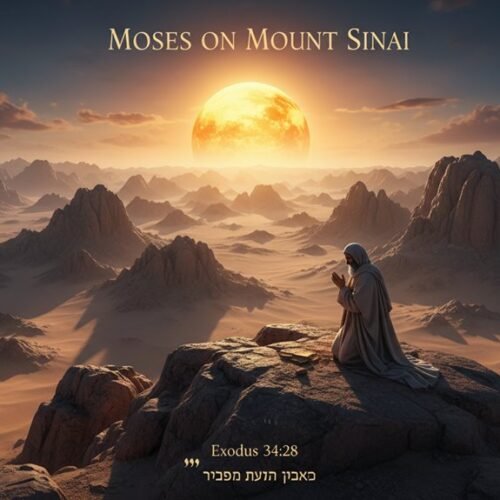
Ever wondered why a forty‑day, total‑food fast has become the biblical blueprint for divine encounter? You’re stepping into a pattern that Moses, Jesus, Elijah and even Nineveh used to break through ordinary limits and meet God face‑to‑face. The key is total abstention—no solid food, only water or God’s providential sustenance. This extreme duration forces you to surrender physical comfort, sharpening spiritual focus and humility. As you move through each day, your mind quiets, your prayers deepen, and you become more attuned to the Holy Spirit’s prompting. The biblical accounts show that after forty days of fasting, God delivered the Law, prepared a prophetic mission, or granted mercy to a repentant city. When you commit to this complete fast, you’re not just denying hunger; you’re aligning your heart with a divine rhythm that invites revelation, transformation, and intimate communion with the Creator.
Choosing a Biblical Fast: Match Length to Your Spiritual Goal
After experiencing the transformative power of a forty‑day total‑food fast, you’ll notice that different durations serve distinct spiritual purposes. If you seek quick clarity for a single decision, a one‑day sunrise‑to‑sunset fast mirrors the biblical pattern of urgent petition (Judges 20:26).
For deeper repentance or intercession, a three‑day fast—like Esther’s before the king—creates space for intense prayer and divine guidance. When you need sustained renewal or a communal breakthrough, a seven‑day fast, as Judah’s before battle (2 Chronicles 20:3‑4), aligns with biblical precedent for collective turning points.
A ten‑day partial fast ofvegetables and water) offers a balanced approach for wisdom and protection, echoing Daniel’s experience. For prolonged reliance on God, a twenty‑one‑day restricted diet, modeled by Hannah’s prayer for a child, cultivates perseverance. Choose the length that matches your goal, and let Scripture shape your rhythm.
Frequently Asked Questions
Can I Combine Fasting With Medication Safely?
You can combine fasting with medication, but only after you check with your doctor. First, list every drug you take and note whether it needs food for absorption or to avoid stomach irritation. If a medication requires meals, adjust the fast window or take the drug with a small snack. Monitor blood pressure, glucose, and side‑effects closely, and stop the fast immediately if you feel dizzy, weak, or experience adverse symptoms.
How Does Fasting Affect Women’s Menstrual Cycles?
When you fast, especially for longer periods or with severe calorie cuts, you may notice irregular periods, lighter flow, or missed cycles.
Your body interprets reduced energy intake as stress, lowering luteinizing hormone and estrogen, which disrupts ovulation.
Short, moderate fasts usually have minimal impact, but prolonged or very low‑carb fasts can cause amenorrhea.
Stay hydrated, monitor your body, and consider adjusting the fast if menstrual changes persist.
What Is the Biblical Stance on Fasting While Pregnant?
You should avoid prolonged or total fasting while pregnant because Scripture emphasizes protecting life and health.
The Bible praises fasting for spiritual purposes, but it also commands care for the unborn (Psalm 127:3).
Since pregnancy makes a woman’s body more vulnerable, you’re urged to seek medical counsel and, if you fast, keep it brief, gentle, and nutrient‑rich, ensuring both you and your baby stay healthy.
Are There Guidelines for Breaking a Long Fast Spiritually?
You should break a long fast with prayer, gratitude, and gentle nourishment. Begin by thanking God for the strength to endure, then sip water or a light broth while confessing any lingering sins. Gradually introduce simple foods—fruits, grains, or dairy—while meditating on Scripture that speaks of restoration. Keep the pace slow, allowing your body and spirit to realign, and finish with a short worship song or psalm.
Can Fasting Be Practiced Alongside Other Spiritual Disciplines?
Yes, you can combine fasting with prayer, Scripture study, worship, and service. While you’re abstaining, keep your mind on God, meditate on His promises, and let the hunger remind you of spiritual dependence. Pair the fast with daily devotionals, worship music, or acts of generosity, and use the quiet to listen for guidance. This synergy deepens intimacy, strengthens resolve, and turns physical discipline into a holistic spiritual practice.
Conclusion
Now that you’ve explored each biblical fast, pick the duration that aligns with your spiritual aim. Whether you’re seeking quick clarity, deep revelation, or sustained perseverance, the right length will deepen your prayer and draw you closer to God. Commit fully, stay faithful, and let the fast transform your heart and mind.







No Comments