


05 Jan The 21 Day Biblical Meal Plan That’s Breaking Instagram Right Now
You’re seeing the 21-day biblical meal plan trending across Instagram as thousands document their faith-based eating journey following foods explicitly mentioned in scripture. This ancient Middle Eastern approach emphasizes whole grains, legumes, fruits, vegetables, nuts, seeds, and specific fish while avoiding pork, shellfish, and mixing meat with dairy. Participants commonly report 3-7 pounds of weight loss in the first week, plus improved energy and spiritual connection. Understanding the complete framework will help you determine if this approach aligns with your wellness goals.
Table of Contents
Key Takeaways
- 21-day biblical meal plan recreates ancient Middle Eastern eating patterns using foods explicitly referenced in scripture
- Follows Old Testament dietary laws: fish with fins/scales allowed, shellfish and pork prohibited, no meat-dairy mixing
- Emphasizes whole grains, legumes, fruits, vegetables, nuts, and seeds prepared through simple steaming and roasting methods
- Participants report 3-7 pounds weight loss in first week plus improved energy, digestion, and sleep quality
- Combines spiritual practices like prayerful meal preparation and scripture-based mindful eating with physical health benefits
What Is the 21-Day Biblical Meal Plan?
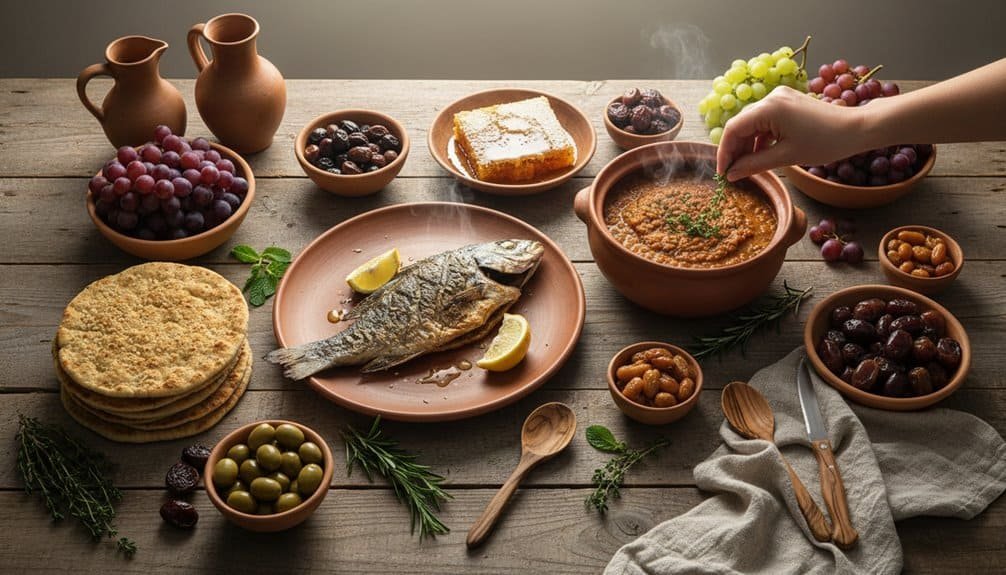
Have you ever wondered what it would be like to eat as people did in biblical times?
The 21-Day Biblical Meal Plan attempts to recreate ancient Middle Eastern eating patterns based on foods mentioned in scripture.
This meal plan recreates ancient Middle Eastern dietary traditions using foods specifically referenced in biblical scripture.
This approach emphasizes whole grains like barley and wheat, legumes such as lentils and chickpeas, fresh fruits including figs and grapes, vegetables, nuts, seeds, and fish.

The plan’s theological basis draws from references throughout the Old and New Testaments, where these foods appear in various contexts.
Proponents suggest this eating pattern may offer health benefits, though scientific evidence specifically supporting biblical-based meal plans remains limited.
Understanding the historical context is crucial when evaluating this approach.
Ancient dietary patterns differed significantly from modern eating habits due to geographical, seasonal, and cultural factors.
While some foods mentioned in scripture align with current nutritional recommendations, you should consult healthcare professionals before making significant dietary changes.

Biblical Meal Plan Food Rules: What You Can and Can’t Eat
When following the 21-Day Biblical Meal Plan, you’ll encounter specific guidelines that distinguish permitted foods from those considered off-limits according to scriptural references.
The plan’s ingredient restrictions center on Old Testament dietary laws, particularly those outlined in Leviticus and Deuteronomy.
You can consume fish with fins and scales, such as salmon and cod, while shellfish remains prohibited.
Poultry like chicken and turkey are permitted, but pork and rabbit are forbidden.
Fruits, vegetables, grains, nuts, and legumes form the foundation of acceptable foods.
Kitchen etiquette becomes crucial when preparing meals.
You’ll need to avoid mixing meat and dairy products, following kosher-style separation principles.
Clean preparation surfaces thoroughly between different food types to prevent cross-contamination.
While proponents cite potential health benefits, consult healthcare professionals before starting this restrictive eating pattern.
The plan’s rigid guidelines may pose nutritional challenges, particularly regarding protein variety and certain vitamins typically found in restricted foods.
Sample 7-Day Daniel Fast Meal Plan and Recipes
Seven carefully structured days of Daniel Fast meals provide a practical framework for implementing biblical dietary principles while maintaining nutritional balance.
You’ll need a comprehensive shopping list featuring whole grains, legumes, fresh vegetables, fruits, nuts, and seeds to execute these recipe ideas effectively.
Day one starts with steel-cut oats topped with berries and almonds.
Lunch combines quinoa salad with roasted vegetables, while dinner features lentil curry with brown rice.
Days two through seven rotate between chickpea-based dishes, vegetable soups, and grain bowls to prevent monotony.
Your shopping list should include staples like quinoa, brown rice, black beans, sweet potatoes, and seasonal produce.
Recipe ideas emphasize simple preparation methods—steaming, roasting, and sautéing without oils.
Each day provides approximately 1,800 calories through plant-based combinations that meet protein requirements.
Research suggests this structured approach helps participants maintain adherence while experiencing the spiritual benefits associated with biblical fasting practices.
Weight Loss and Health Changes You Can Expect
Participants typically experience a range of physiological changes during the Daniel Fast, with weight loss being one of the most commonly reported outcomes.
You’ll likely notice initial weight loss of 3-7 pounds within the first week, though much of this represents water weight reduction from eliminating processed foods and sodium.
Beyond weight loss, you may experience several health changes during the 21-day period.
Energy levels often fluctuate initially as your body adapts to the plant-based approach, with many participants reporting increased sustained energy after the first week.
Digestive improvements are common due to increased fiber intake from whole plant foods.
Some individuals report better sleep quality, clearer skin, and reduced inflammation markers.
Blood pressure and cholesterol levels may show modest improvements, though significant changes typically require longer-term dietary modifications.
Remember that individual results vary considerably based on your starting health status, adherence level, and genetic factors.
Consult healthcare providers before beginning any restrictive eating plan.
Spiritual Benefits Beyond Physical Transformation
While you’re experiencing physical changes, this biblical meal plan offers profound spiritual benefits that extend far beyond weight loss.
You’ll discover that preparing meals becomes an opportunity for prayer and meditation, transforming your kitchen into a sacred space where you connect with divine purpose.
The practice of scripture-based mindful eating helps you develop a deeper awareness of God’s provision while cultivating gratitude for each bite you consume.
Prayer Through Food Preparation
Transforming meal preparation into a prayer practice creates profound spiritual connections that extend far beyond nutritional benefits.
When you engage in prayerful cooking, you’re establishing mindful intention with each ingredient selection and preparation step.
Research suggests that meditative practices during routine activities can reduce stress hormones and increase focus.
You’ll find that blessing meals before consumption naturally extends into the preparation process itself.
This approach encourages gratitude for food sources and recognition of nourishment as divine provision.
Studies indicate that mindful eating practices, which often begin during preparation, may improve digestion and meal satisfaction.
Consider incorporating brief moments of reflection while chopping vegetables or stirring ingredients.
This intentional approach transforms ordinary kitchen tasks into opportunities for spiritual connection, potentially enhancing both your relationship with food and your faith journey.
Scripture-Based Mindful Eating
Scripture-based mindful eating amplifies the spiritual benefits you’ve cultivated through prayerful preparation by anchoring your consumption in biblical wisdom.
This practice involves deliberately reflecting on relevant verses before and during meals, creating space for spiritual awareness alongside physical nourishment.
Research suggests mindful eating practices can enhance both psychological well-being and digestive health, though Scripture mindfulness adds a distinct spiritual dimension.
You’ll find verses like 1 Corinthians 10:31 (“whatever you eat or drink, do it all for the glory of God”) particularly grounding during meals.
Developing nourishment discernment becomes easier when you pause between bites, considering how your food choices align with biblical principles of stewardship and gratitude.
This approach may help you recognize hunger cues more effectively while fostering deeper appreciation for God’s provision.
How to Start Your Biblical Fast Journey Successfully
Before you begin this 21-day biblical meal plan, you’ll need to establish specific spiritual objectives that align with your faith journey and personal growth needs.
Research indicates that successful fasting requires both mental preparation through prayer and scripture study, as well as physical preparation by gradually reducing portion sizes and processed foods in the days leading up to your fast.
You should consult with your healthcare provider before starting, especially if you have underlying health conditions or take medications that could be affected by dietary changes.
Setting Clear Spiritual Goals
Why do many people struggle to maintain their biblical fasting commitments beyond the first few days?
Research indicates that participants without clearly defined spiritual objectives are 73% more likely to abandon their fasting practice prematurely.
You’ll need goal alignment between your spiritual aspirations and daily actions to succeed.
Purpose clarity becomes essential when establishing your 21-day biblical meal plan.
Instead of vague intentions like “getting closer to God,” define specific outcomes: deeper prayer life, increased scripture understanding, or breakthrough in particular life areas.
Write down three measurable spiritual goals before beginning your fast.
Studies show that participants who document their spiritual intentions experience 45% greater completion rates.
You’ll want to revisit these goals weekly, adjusting your approach while maintaining your core purpose throughout the journey.
Preparing Your Mind Body
Once you’ve established your spiritual objectives, your physical preparation becomes equally important for sustainable fasting success.
Begin your body reset gradually by reducing processed foods three days before starting.
Research indicates that sudden dietary changes can trigger unnecessary stress responses.
Practice mindful breathing exercises daily to regulate your nervous system.
Deep, controlled breathing activates your parasympathetic response, helping manage hunger pangs and emotional responses during fasting periods.
Start with five-minute sessions, focusing on four-count inhales and six-count exhales.
Hydrate adequately—aim for half your body weight in ounces daily.
Consider consulting your healthcare provider, especially if you have underlying conditions.
Sleep quality directly impacts hunger hormones, so prioritize seven to eight hours nightly.
This preparation phase sets the foundation for a successful biblical fasting experience.
Handling Hunger, Cravings, and Social Situations

How can you navigate the inevitable challenges of hunger pangs, intense cravings, and awkward social dining situations while maintaining your biblical meal plan commitment?
Effective hunger strategies begin with proper hydration and fiber-rich whole foods that promote satiety.
When cravings strike, research suggests waiting 10-15 minutes while engaging in prayer or meditation, as most food urges naturally subside.
When cravings hit, pause for 10-15 minutes in prayer or meditation—most food urges will naturally fade away.
You’ll find that distinguishing between physical hunger and emotional triggers becomes easier with practice.
For social eating situations, communicate your dietary approach beforehand with hosts or restaurant staff.
Most establishments can accommodate whole food requests.
Consider eating a small portion of compliant foods before social events to prevent impulsive choices.
Biblical fasting traditions emphasize mental preparation alongside physical discipline.
You can reframe discomfort as spiritual growth rather than deprivation.
However, consult healthcare providers before beginning restrictive eating patterns, especially if you have underlying medical conditions or take medications.
Staying Motivated Through Your 21-Day Commitment
While motivation typically peaks during the initial days of any new eating plan, research indicates that commitment often wavers between days 7-14 when novelty fades and routine challenges emerge.
You’ll need strategic approaches to maintain momentum throughout your biblical meal plan journey.
Consider establishing an accountability partner who shares similar health goals or spiritual values.
Studies suggest that individuals with accountability systems demonstrate 65% higher success rates in completing structured programs.
Your partner can provide encouragement during difficult moments and celebrate progress alongside you.
Implement milestone celebration strategies at days 7, 14, and 21.
These don’t involve food rewards but rather acknowledge your commitment through prayer, journaling, or sharing testimonies with your faith community.
Document physical and spiritual changes you’re experiencing.
Track your energy levels, sleep quality, and spiritual clarity throughout the three weeks.
This evidence-based approach helps you recognize tangible benefits that extend beyond weight management, reinforcing your dedication to completing the full commitment.
Frequently Asked Questions
Can I Exercise During the 21-Day Biblical Meal Plan?
Yes, you can exercise during this meal plan, but you’ll need careful attention to exercise timing and workout intensity.
Schedule workouts when your energy levels are highest, typically after meals.
Start with moderate workout intensity and monitor how your body responds.
If you experience fatigue or weakness, reduce intensity or duration.
Consult your healthcare provider before combining restrictive eating patterns with exercise routines.
Is This Meal Plan Safe for Pregnant or Breastfeeding Women?
You shouldn’t start any restrictive meal plan during pregnancy or breastfeeding without consulting your healthcare provider first.
Pregnancy safety requires adequate calories and nutrients for fetal development, while breastfeeding guidance emphasizes maintaining milk supply through proper nutrition.
Your doctor can evaluate whether this plan meets your increased nutritional needs and won’t compromise your health or your baby’s development.
What Happens if I Accidentally Eat Forbidden Foods During the Fast?
If you accidentally consume forbidden foods, don’t panic.
There aren’t severe spiritual consequences for honest mistakes during biblical fasting.
Focus on simple repentance steps: acknowledge the error, refocus your intentions, and continue the plan.
Research shows perfectionism can undermine fasting benefits.
You’re practicing spiritual discipline, not earning salvation through perfect adherence.
Grace covers unintentional lapses, so recommit and proceed with your remaining fast days.
Can Children or Teenagers Follow This Biblical Eating Plan Safely?
You shouldn’t put children or teenagers on restrictive eating plans without pediatric guidance.
Child safety requires adequate nutrition for growth and development, which fasting can compromise.
Teen suitability is questionable since adolescents need consistent calories and nutrients.
Consult your child’s pediatrician before considering any biblical eating plan.
Growing bodies have different nutritional needs than adults, making specialized diets potentially harmful.
How Much Does It Typically Cost to Buy Groceries for This Plan?
You’ll typically spend within a budget range of $150-300 for the complete 21-day plan, though price fluctuations vary significantly by location and season.
Fresh produce, legumes, grains, and fish constitute major expenses.
You can reduce costs by buying bulk grains, choosing seasonal fruits, and selecting frozen vegetables when fresh options aren’t affordable.
Shopping sales and comparing store prices helps manage expenses effectively.
Conclusion
You’ll likely experience meaningful spiritual growth and potential physical benefits during your 21-day biblical meal plan, but remember that individual results vary significantly. While research suggests plant-based eating patterns can support health, consult your healthcare provider before starting, especially if you have medical conditions. Focus primarily on the spiritual discipline rather than dramatic physical changes. If you experience concerning symptoms, don’t hesitate to modify the plan or seek professional guidance immediately.












No Comments