


19 Apr Why Did Old Testament Saints Fast and Pray?
You fast and pray in the Old Testament to bridge yourself to God’s will, show humility, and signal dependence on Him. You do it when the nation mourns, sins, or faces crisis, turning collective grief into a covenantal plea for rescue. You also fast to sharpen spiritual focus, remove distractions, and prepare for divine revelation, as Moses, Elijah, and David demonstrate. Keep exploring to see how these practices shaped key biblical outcomes.
Table of Contents
Why Prayer and Fasting Matter in the Old Testament
Why does prayer and fasting matter in the Old Testament? You’ll find that the two practices function as a covenantal bridge, linking you directly to God’s will. When you fast, you “afflict your soul,” showing humility and dependence, which prepares your heart for sincere prayer. The Old Testament repeatedly ties fasting to moments of crisis, repentance, and divine revelation, so the act signals urgency and seriousness.
It also creates a communal rhythm—nation‑wide fasts mark collective mourning, covenant renewal, or remembrance of calamities, reinforcing identity and shared responsibility. Moreover, fasting sharpens focus, stripping away distractions so your petitions rise unclouded. By combining prayer with fasting, you demonstrate total commitment, inviting God’s presence and guidance in ways that mere words alone can’t achieve. This synergy underpins the theological weight of both disciplines throughout Israel’s history.
Mourning, Repentance, and Crisis: Old Testament Fast Triggers
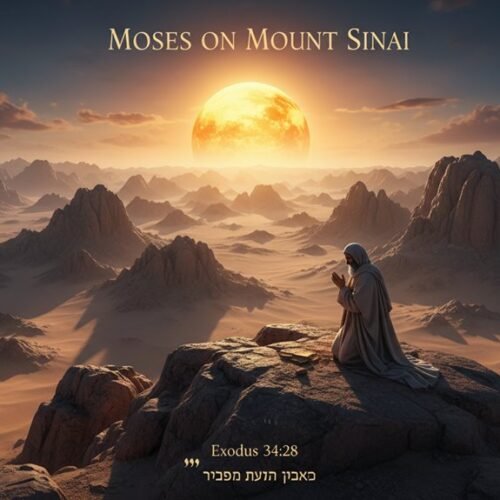
From the covenantal bridge of prayer and fasting, the Old Testament shows that fasts spring up most often when grief, guilt, or danger grip the community. When a king or a whole nation dies, you see seven‑day fasts, like Jabesh‑Gilead’s mourning after Saul’s death, or private abstentions for a spouse’s loss, as in Judith. Repentance triggers fasts too: Moses spends forty days on Sinai before receiving the law, David fasts after the death of Bathsheba’s child, and Ezra calls a communal fast to renew the covenant. Crises demand urgent fasting: Israel fasts at Bethel before battle, Samuel before the Philistines, Jehoshaphat when Edom threatens, and Esther before approaching the king. These fasts aren’t ritual for their own sake; they express collective sorrow, acknowledge sin, and plead for divine rescue when danger looms. Each instance links the act of denying food with a deeper appeal to God’s mercy and intervention.
Spiritual Purposes of Old Testament Prayer and Fasting
Ever wonder how prayer and fasting shape a believer’s inner life? You’ll find that Old Testament saints used these practices to deepen spiritual awareness, align their hearts with God’s will, and prepare for divine encounters. When Moses spent forty days on Sinai, his hunger sharpened his focus on the law, turning physical deprivation into a conduit for revelation. Elijah’s three‑day fast stripped away distractions, allowing him to hear God’s still, small voice after fleeing danger. Daniel’s selective diet cultivated discipline, demonstrating that obedience to God outweighs cultural comforts. These moments of “afflicting the soul” weren’t mere rituals; they cultivated humility, opened the heart to repentance, and created space for prophetic insight. By denying the body, you invite the Spirit to fill the void, fostering a posture of reverence that transforms worship from a habit into a heartfelt communion with the Almighty.
Frequently Asked Questions
Did Old Testament Saints Ever Fast Voluntarily Without Crisis?
Yes, they did. You’ll find Moses voluntarily fasting for forty days on Sinai, not because of war but to prepare for the law (Exod 34:28).
Elijah chose a three‑day fast before encountering God (1 Kgs 19:8).
Daniel, a personal fast of vegetables and water, was a disciplined spiritual choice (Dan 1:12‑16).
These examples show fasting could be a deliberate, non‑crisis act of devotion.
How Long Were Typical Fasts in the Old Testament?
You’ll find that typical Old Testament fasts varied, but most lasted a day or three days, often tied to mourning, repentance, or crisis. Some, like Moses’ Sinai fast, stretched forty days, while Esther’s and Daniel’s fasts were three days. Communal fasts for national calamities could span an entire month. Generally, the duration matched the purpose, ranging from a single day to several weeks.
Were There Specific Foods Prohibited During Old Testament Fasts?
You won’t find a detailed food list, but the Old Testament fasts generally meant abstaining from all meals—bread, meat, wine, and even water in extreme cases. The focus was on “afflicting the soul,” so any sustenance that satisfied hunger was off‑limits. Occasionally, partial fasts allowed vegetables and water, like Daniel’s diet, but full fasts required complete denial of food and drink until the appointed time.
Did Women Fast as Often as Men in the Old Testament?
You’ll find that women fasted just as often as men. The Scriptures record both genders joining communal fasts—Moses, David, Esther, and the whole nation included women. Cultural norms didn’t restrict fasting to men; anyone seeking repentance, divine favor, or mourning could abstain. So, when a fast was called, women participated alongside men, sharing the same spiritual purpose and discipline.
How Did Fasting Affect Daily Work and Responsibilities?
You notice that fasting often limited your physical stamina, so you’d postpone labor‑intensive tasks, delegate duties, or work in shorter bursts.
You’d focus on prayer and reflection instead of routine chores, and the community usually adjusted schedules to accommodate your abstinence.
Conclusion
You’ve seen how prayer and fasting in the Old Testament weren’t just rituals—they were urgent responses to grief, guilt, and crisis. They helped the people turn toward God, seek His mercy, and realign their hearts. By embracing these practices, you tap into a timeless discipline that deepens humility, sharpens focus, and opens the way for divine intervention and restoration.







No Comments