

26 Mar How to Understand Easter Monday’s Liturgical Meaning
Easter Monday is the day right after Easter Sunday, extending the celebration of Christ’s resurrection into the week. You’ll hear a lively Gloria and Alleluia, hear the Gospel of John 20 about the empty tomb, and join prayers that ask for renewed faith and new life. The liturgy emphasizes that the Paschal mystery isn’t just a Sunday event—it’s a daily call to hope, renewal, and living out the Spirit’s work. Keep going and you’ll discover how churches bring this meaning to life.
What Is Easter Monday? Definition, History, and Meaning
What’s Easter Monday, and why does it matter? You’ll find it falls the day after Easter Sunday, extending the celebration of Christ’s resurrection. Historically, early Christians marked the three days of Easter—Good Friday, Holy Saturday, and Easter Sunday—then used the following Monday to continue feasting and fellowship. In many Western traditions, the day became known as “Octave Monday,” part of an eight‑day festive period that underscores the triumph of life over death.
Liturgically, Easter Monday reinforces the resurrection theme, reminding you that the joy of Easter isn’t confined to a single Sunday but reverberates through the week. Its meaning invites you to reflect on renewal, hope, and the ongoing work of the Holy Spirit in daily life. By observing this day, you deepen your connection to the Paschal mystery and carry its transformative energy into ordinary routines.
How Churches Celebrate Easter Monday: Core Prayers and Scripture Readings
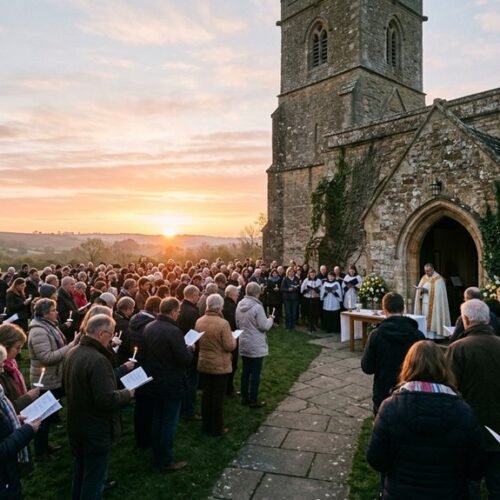
On Easter Monday, churches gather to extend the Paschal celebration with specific prayers and Scripture readings that echo the resurrection’s joy. You’ll hear the “Gloria” sung with heightened vigor, followed by the “Alleluia” chant that proclaims Christ’s triumph over death. The “Collect” often petitions for renewed faith, referencing Romans 6:4 and the new life believers share in Christ.
Many parishes read from the Gospel of John 20, focusing on the empty tomb and Mary Magdalene’s encounter with the risen Lord. The “Prayer of the Church” may include petitions for peace and unity, linking the resurrection’s hope to the world’s needs.
The “Benediction” concludes with a blessing that sends you forth, empowered by the same Holy Spirit that raised Jesus. These prayers and readings form a cohesive liturgical tapestry, reinforcing the Easter mystery throughout the week.
Three Simple Parish Activities to Celebrate Easter Monday
When Easter Monday arrives, you can deepen the celebration by inviting the whole congregation into three easy, meaningful activities that keep the resurrection spirit alive throughout the day. First, organize a “Living Scripture” walk: assign volunteers to act out short passages from the Gospel accounts of the empty tomb, letting parishioners follow a marked route and witness the story unfold in real time. Second, host a communal “Hope Garden” planting: provide seedlings, soil, and pots in the churchyard, and have families plant together while praying for new life and growth in their own journeys. Third, arrange a “Joyful Sharing” potluck where everyone brings a dish that symbolizes rebirth—think fresh fruits, spring vegetables, or honey‑glazed treats—then share a brief testimony of personal renewal. These activities blend worship, service, and fellowship, turning Easter Monday into a vibrant, participatory celebration of the risen Christ.
Frequently Asked Questions
What Traditional Foods Are Associated With Easter Monday?
You’ll find lamb, hot cross buns, and egg‑based dishes on Easter Monday tables.
In many European homes, roasted lamb symbolizes Christ’s sacrifice, while hot cross buns—spiced, sweet rolls with a cross on top—remember the crucifixion.
Egg dishes, from deviled eggs to simple boiled ones, celebrate new life.
In Greece, you might enjoy tsoureki, a sweet braided bread, and in Italy, pastiera, a ricotta‑and‑grain pie, all honoring the holiday’s festive spirit.
How Does Easter Monday Differ From Easter Sunday Liturgically?
You’ll notice Easter Monday’s liturgy shifts from Sunday’s celebration of the Resurrection to a focus on the post‑Resurrection appearances. While Sunday’s Mass centers on the empty tomb and triumph, Monday’s prayers recount Christ’s encounters with disciples, emphasizing discipleship and mission.
The readings often include the Road to Emmaus story, and the hymns lean toward reflection rather than jubilation, inviting you to live out the risen life.
Can Easter Monday Be Observed on a Different Weekday?
Yes, you can observe Easter Monday on another weekday if your church follows a movable‑feast calendar or if a civil holiday shifts the celebration.
Many Eastern Orthodox jurisdictions, for example, keep the liturgy on the actual Monday after Pascha, but some Western parishes may transfer the observance to the nearest weekday when Monday is a public holiday or when the liturgical schedule demands it.
You’ll still read the same prayers and hymns, just on a different day.
What Role Do Saints Play in Easter Monday Celebrations?
You honor saints on Easter Monday by recalling their witness to resurrection hope, so you weave their stories into the liturgy. You might read a saint’s feast‑day passage, sing hymns that cite their martyrdom, or invoke their intercession for new life.
Their examples reinforce the triumph over death, encouraging you to embody the same joy and commitment to Christ’s risen promise. This connection deepens the celebration’s spiritual resonance.
Are There Specific Colors Prescribed for Easter Monday Vestments?
Yes, you’ll find that the prescribed color for Easter Monday vestments is white, symbolizing the triumph of the Resurrection. Some churches may also allow gold or rose for specific local customs, but white remains the standard. You should check your diocesan guidelines, as they confirm the exact hue and any permissible variations for that day’s liturgy.
Conclusion
You’ve seen how Easter Monday extends the joy of the Resurrection, deepens worship through specific prayers and readings, and invites you to meaningful parish activities. By embracing these traditions, you keep the spirit of renewal alive throughout the week, fostering community, reflection, and celebration that echo the core message of Easter. Let this day inspire you to carry the hope and transformation of the Resurrection into everyday life.







No Comments