

24 Mar What Are Easter Monday Traditions Worldwide?
You’ll find Easter Monday buzzing with egg‑rolling contests on grassy hills in Europe, water‑splash chases in the Czech Republic and Germany, and hidden‑egg hunts in Poland. The Caribbean turns the day into a street‑party parade with calypso, reggae, and steel‑pan music, serving jerk chicken and sweet plantain fritters. In Africa and Asia, picnics in Ghana, drumming processions in Nigeria, sunrise beach services in Kenya, and candlelit Salubong reenactments in the Philippines add local flavor. Modern twists include weekend trips to historic markets, virtual sunrise services, cooking classes, DIY memory jars, and nature walks—keep going and discover even more.
Table of Contents
Easter Monday Traditions in Europe – Egg‑Rolling, Water‑Fights, and More
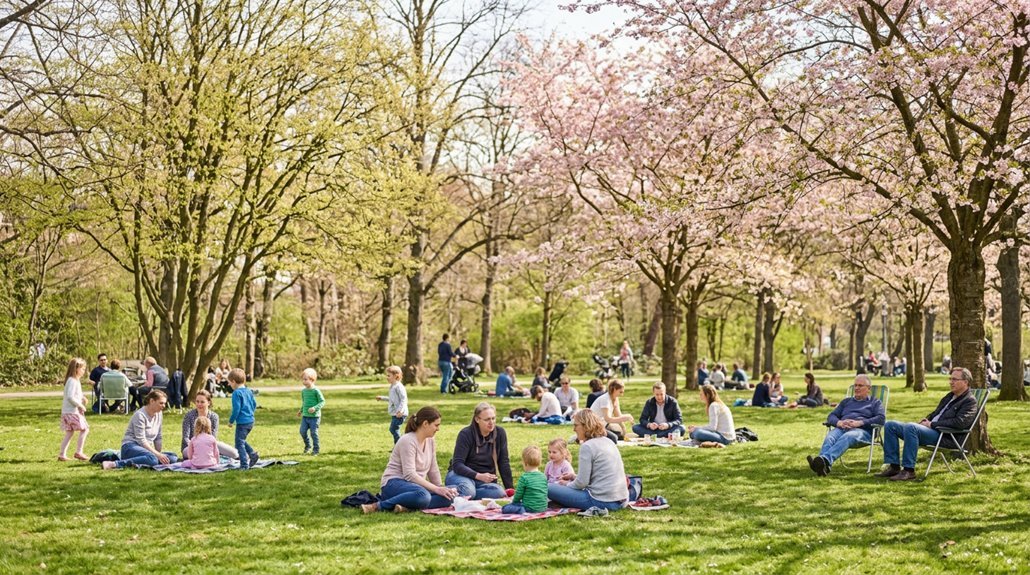
Easter Monday across Europe bursts with lively customs that turn the holiday into a playground of tradition. You’ll find families gathering for egg‑rolling contests, where hard‑boiled eggs race down grassy hills, the winner’s egg staying whole.
In the Czech Republic, you chase each other with water, splashing strangers to wish health and fertility.
Germany’s “Osterwasser” tradition sees you douse friends, while in Poland you hide painted eggs for children to discover in a “szukanie jajek” hunt.

In the United Kingdom, you join the “Bunny Hop” parades, marching through town squares with carrots and ribbons.
In Switzerland, you toss eggs up a hill, cheering as they bounce back.
You also taste regional pastries like Italy’s “colomba” and Greece’s “tsoureki,” sharing sweet treats after the playful rituals.
These customs bind communities, turning a single day into a vibrant tapestry of joy and heritage.
Caribbean Easter Monday Celebrations – Music, Food, and Parades
How do Caribbean islands turn Easter Monday into a vibrant showcase of rhythm, flavor, and spectacle? You’ll find streets pulsing with calypso, reggae, and soca as bands march from town to town, their brass sections blaring and drums thumping. In Jamaica, the “Grand Parade” features colorful floats topped with tropical flowers, while Trinidad’s “Steelpan Symphony” fills the air with shimmering metallic tones. Food stalls line the avenues, offering jerk chicken, curried goat, rice and peas, and sweet plantain fritters that steam hot and fragrant. You’ll also taste local sweets like Barbados’ sugar cake and St. Vincent’s tamarind balls, each bite echoing the island’s culinary heritage. Families gather on beaches, sharing picnics and dancing barefoot on sand. The celebration blends spiritual renewal with communal joy, turning Easter Monday into a lively, sensory feast you won’t want to miss.

Easter Monday Customs in Africa and Asia – Unique Rituals and Festivities
From the Caribbean’s pulsating streets, the celebration spreads eastward, where Africa and Asia weave their own colors, sounds, and ceremonies into Easter Monday. In Ghana, you’ll see families gather for “Easter Monday Picnic,” sharing jollof rice and palm wine while children chase homemade “egg‑hunt” games in church yards.
Nigeria’s Igbo community stages “Ike-Uche” processions, where drummers pound rhythms that echo the resurrection’s triumph.
In Kenya’s coastal towns, Swahili Christians attend sunrise services on the beach, then feast on pilau and samosas, believing the sea’s horizon mirrors Christ’s rising.
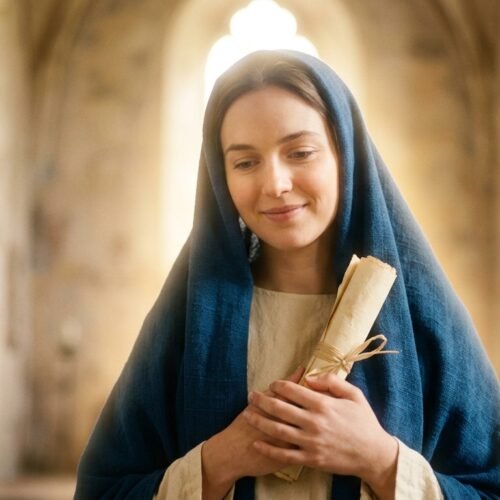
Crossing to Asia, the Philippines bursts with “Salubong” reenactments: you’ll watch a statue of the Virgin Mary meet a resurrected Christ in a candlelit tableau, followed by street food stalls selling bibingka.
In India’s Goa, you’ll join “Santo Agostinho” festivals, where locals parade with flower‑laden arches, chanting hymns in Portuguese‑influenced liturgy.
Each ritual blends faith, community, and local flavor, turning Easter Monday into a vibrant tapestry of cultural devotion.
Contemporary Easter Monday Traditions – Travel Ideas, Virtual Events, and DIY Activities
Looking for fresh ways to celebrate Easter Monday beyond traditional services? You can turn the day into a mini‑adventure. Book a weekend trip to a nearby historic town that hosts Easter markets, where you’ll stroll past pastel‑colored stalls, sample regional pastries, and snap photos of centuries‑old processions. If travel isn’t feasible, join a virtual sunrise service streamed from a cathedral abroad, then switch to a live‑cooking class that teaches you how to bake traditional Easter breads from different cultures. For a hands‑on option, create a DIY “Easter memory jar”: collect small notes from family members about favorite holiday moments, seal them in a glass jar, and open one each day leading up to the next Easter. Pair the jar with a nature walk, gathering wildflowers to press and add to the notes. These ideas blend exploration, community, and creativity, making Easter Monday memorable without the usual routine.
Frequently Asked Questions
How Do Different Religions Observe Easter Monday?
You’ll find that Christians, especially Catholics and Protestants, treat Easter Monday as a continuation of the Resurrection celebrations—attending Mass, sharing festive meals, and sometimes organizing outdoor games or egg hunts. In Orthodox churches, the day is part of the Bright Week, marked by special liturgies and the “Bright Monday” procession. Some Protestant denominations hold sunrise services or community picnics, while certain cultures blend religious rites with local customs like dancing or charitable acts.
Which Countries Have Public Holidays on Easter Monday?
You’ll find Easter Monday a public holiday in many places: the United Kingdom, Ireland, Germany, Australia, Canada (certain provinces), New Zealand, South Africa, Switzerland, Austria, Denmark, Sweden, Norway, Finland, Poland, Hungary, Slovakia, Czech Republic, Slovenia, Croatia, Bosnia‑Herzegovina, Serbia, Greece, Cyprus, Malta, Brazil, Colombia, Chile, and the Philippines. Some Caribbean nations—like Trinidad and Tobago and the Bahamas—also observe it, plus various African countries such as Kenya and Uganda.
What Are the Origins of Easter Monday Egg‑Rolling Traditions?
You’ll find that Easter Monday egg‑rolling started as a pagan rite celebrating spring’s rebirth, where rolling eggs symbolized the sun’s return and fertility.
Early Christians adopted the practice, linking the egg to resurrection.
In medieval Europe, people rolled boiled eggs down hills to mimic the stone rolling away from Jesus’s tomb.
The tradition spread, becoming a festive game that marks renewal and joy on the Monday after Easter.
How Do Climate and Geography Affect Easter Monday Celebrations?
You’ll notice that climate and geography shape Easter Monday celebrations dramatically.
In warm, sunny regions you’ll join outdoor egg‑rolling contests, picnics, and parades, while in colder, snowy areas you might stay indoors, sharing hot meals and folk games.
Coastal towns often incorporate boat races or beach bonfires, whereas mountainous villages favor hillside hikes and traditional dances.
Local weather patterns dictate whether you celebrate with fire, water, or simply a cozy gathering.
Can Easter Monday Customs Be Adapted for Indoor Family Activities?
You can totally adapt Easter Monday customs for indoor family fun. Turn egg‑hunting into a scavenger hunt around the house, hide painted eggs in closets, under cushions, or behind books.
Set up a DIY egg‑decorating station with dyes, stickers, and glitter.
Play classic games like “egg‑and‑spoon races” using plastic eggs and kitchen spoons.
Cook a festive brunch together, and finish with a storytelling circle sharing holiday legends.
Conclusion
Now that you’ve explored Easter Monday’s vibrant customs—from Europe’s egg‑rolling contests and Caribbean parades to Africa’s and Asia’s distinctive rituals—you can see how this day unites cultures worldwide. Whether you join a local celebration, travel to a festive hotspot, or recreate a tradition at home, you’ll be part of a shared joy that stretches far beyond the holiday’s religious roots. Embrace the spirit, and make this Easter Monday unforgettable.







No Comments