

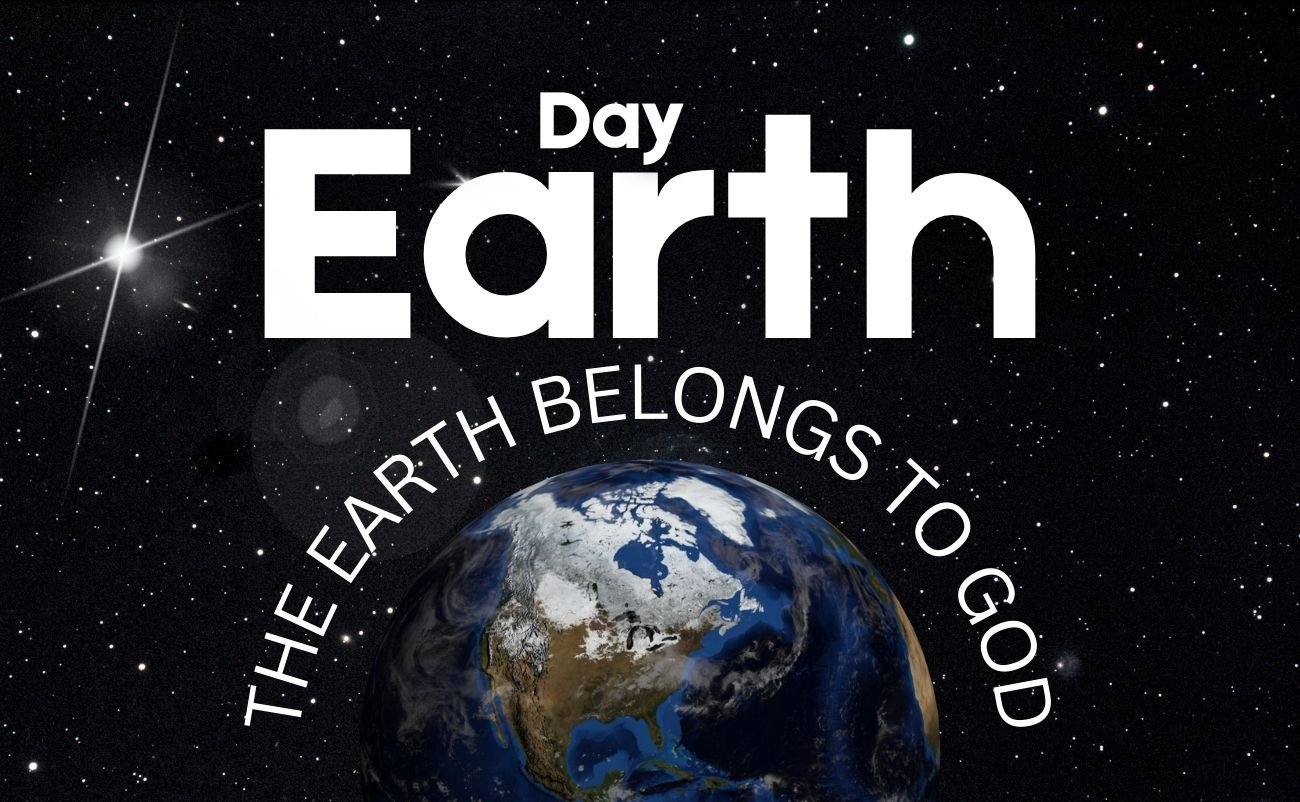
17 Mar Earth Day: Psalm 24:1 – The Earth Belongs to God: What That Changes
When you see Psalm 24:1’s claim that the earth belongs to the Lord, every purchase, commute, and waste habit becomes a worshipful act of stewardship. You’ll start swapping disposable cups for reusable ones, choosing seasonal, local foods, and turning off lights in empty rooms because those choices honor God’s trust. Low‑impact travel and fixing leaks become prayers in motion, and community projects like gardens or bike‑share programs turn worship into tangible service. Keep going and discover how deeper practices flow from this perspective.
Table of Contents
Earth Day Stewardship: What Happens When We See Earth as God’s?
How does seeing Earth as God’s reshape your daily choices? You start treating every habit—what you buy, how you travel, what you waste—as a form of worship. Instead of mindlessly scrolling for the next gadget, you ask if it honors the Creator’s stewardship. You choose reusable containers, bike or walk short distances, and fix leaks because each saved drop reflects reverence. When you hear a neighbor complain about noise, you remember the earth’s quiet praise and lower your volume. You plan meals around seasonal produce, reducing carbon footprints while honoring the land’s bounty. In conversations, you speak of responsibility, not ownership, inviting others to see the planet as a shared altar. Your prayers include gratitude for clean air and water, and your actions become tangible liturgies that protect the world God entrusted to you.
Earth Day Stewardship: How Psalm 24:1 Guides Our Actions
When you read Psalm 24:1—“The earth is the Lord’s, and everything in it”—it becomes a clear call to treat the planet as a sacred trust rather than personal property. This perspective reshapes every choice you make. You’ll see recycling not as a chore but as stewardship, because preserving resources honors the Creator’s provision. When you vote on environmental policies, you’ll prioritize legislation that protects habitats, recognizing that you’re defending God‑given creation. You’ll choose sustainable products, knowing that waste harms the divine garden entrusted to you. Even your daily commute becomes an act of worship when you favor low‑impact transportation, reducing pollution that stains the earth’s purity. By viewing the world through Psalm 24:1, you align your habits with a higher purpose, turning ordinary decisions into reverent care for the Lord’s marvelous work.
Earth Day Stewardship: Practical Ways to Honor God’s Creation
Seeing the stewardship mindset in action, you can turn everyday habits into tangible expressions of reverence for God’s creation. Start by swapping single‑use plastics for reusable containers; each small swap honors the earth God declared His. Reduce energy use by turning off lights when rooms are empty and opting for natural daylight—these choices reflect gratitude for the light He set in the sky. Choose locally sourced foods, which cuts transportation emissions and supports neighbors, embodying the biblical call to love your community. Plant native trees or a modest garden; watching growth reminds you of the “grass of the field” God made.

Walk or bike for short trips, lessening carbon footprints while enjoying the world He crafted. Finally, volunteer for neighborhood clean‑ups, turning collective effort into worship. Each intentional act becomes a prayerful offering, aligning daily life with the truth that the earth belongs to God.
Earth Day Stewardship: Linking Biblical Principles to Modern Sustainable Practices
What does it mean to honor God’s creation in today’s world? You see stewardship as a covenant, not a suggestion. The Bible calls you a caretaker of the earth (Genesis 2:15), so you can translate that into measurable actions: reduce waste, conserve energy, and protect biodiversity. When you choose renewable power, you echo the principle of “rest” for the land (Leviticus 25).
Composting mirrors the concept of “reaping what you sow” (Galatians 6:7), turning waste into nourishment for future crops. Supporting local, organic farms aligns with the call to “eat the fruit of the earth” (Deuteronomy 8:8) while cutting transportation emissions. Water‑saving fixtures honor the biblical respect for “living water” (John 4:10).

Earth Day Stewardship: Why Churches, Communities, and Individuals Should Embrace This Perspective
Your daily choices now echo a larger calling: churches, neighborhoods, and each of us must see stewardship as a shared identity, not a private habit. When you gather with worshippers, you model a tangible love for God’s creation, turning sermons into action. Community gardens, bike‑share programs, and energy audits become extensions of prayer, showing that faith thrives in concrete deeds.

As an individual, you can trade single‑use plastics for reusable containers, reduce water waste, and advocate for greener policies—each act reflecting the biblical truth that the earth belongs to the Lord. This perspective unites believers across denominations, fostering collaboration that amplifies impact. It also invites skeptics to witness a living testimony: stewardship isn’t a moral burden; it’s a joyful participation in God’s ongoing work. Embrace this collective mindset, and watch your neighborhood transform into a vibrant, sustainable sanctuary.
Frequently Asked Questions
How Does Psalm 24:1 Affect Environmental Policy Decisions?
You see Psalm 24:1 as a reminder that the planet belongs to a higher authority, so you frame policies as stewards rather than owners. That mindset pushes you to prioritize preservation, limit exploitation, and enforce stricter regulations on pollution and resource use. You also feel compelled to involve faith‑based communities, leveraging their moral influence to support sustainable legislation and climate‑justice initiatives.
What Biblical Passages Support Renewable Energy Adoption?
You’ll find several passages that back renewable energy. Genesis 1:28 gives humanity stewardship over creation, implying care for resources.
Psalm 24:1 declares the Earth belongs to God, urging responsible use.
Proverbs 12:10 praises those who tend the earth, supporting sustainable practices.
Romans 8:19 speaks of creation waiting for redemption, hinting at renewal.
Finally, Revelation 11:18 warns against destroying the earth, encouraging preservation through clean energy.
Can Worship Services Incorporate Ecological Stewardship Practices?
Yes, you can weave ecological stewardship into worship. Begin services with a brief prayer for creation, then invite congregants to plant trees, clean a local park, or reduce waste during the gathering. Use sermons to link biblical care for the Earth with practical actions, and incorporate reusable cups, energy‑efficient lighting, and digital bulletins. By modeling sustainable habits, you demonstrate faith in action and inspire the whole community to protect God’s creation.
How Do Christian Denominations Differ on Climate Change Views?
You’ll find that mainline Protestants, Catholics, and many Anglicans treat climate change as a moral and scientific issue, urging policy action and sustainable practices.
Evangelicals vary: some embrace creation‑care, seeing stewardship as biblical, while others downplay human impact, emphasizing economic freedom.
Orthodox churches often focus on liturgical care for creation but stay less politically active.
What Role Do Faith‑Based NGOS Play in Global Conservation?
You’ll find faith‑based NGOs mobilize communities, fund grassroots projects, and lobby policymakers to protect ecosystems. They translate spiritual stewardship into concrete actions—reforestation, sustainable agriculture, and wildlife monitoring—while leveraging church networks for volunteer recruitment and fundraising. By framing conservation as a moral duty, they inspire participation across socioeconomic groups, amplify local voices in international forums, and often partner with scientific institutions to ensure evidence‑based outcomes.
Conclusion
So now, when you recognize that the earth belongs to God, you’ll treat it with reverence, protect it fiercely, and steward its resources wisely. Your daily choices—reducing waste, conserving energy, supporting sustainable policies—become acts of worship. By aligning faith with action, you inspire others, strengthen community, and honor the Creator’s masterpiece. Let this perspective drive every decision, making Earth Day a lasting, lived commitment.










No Comments