

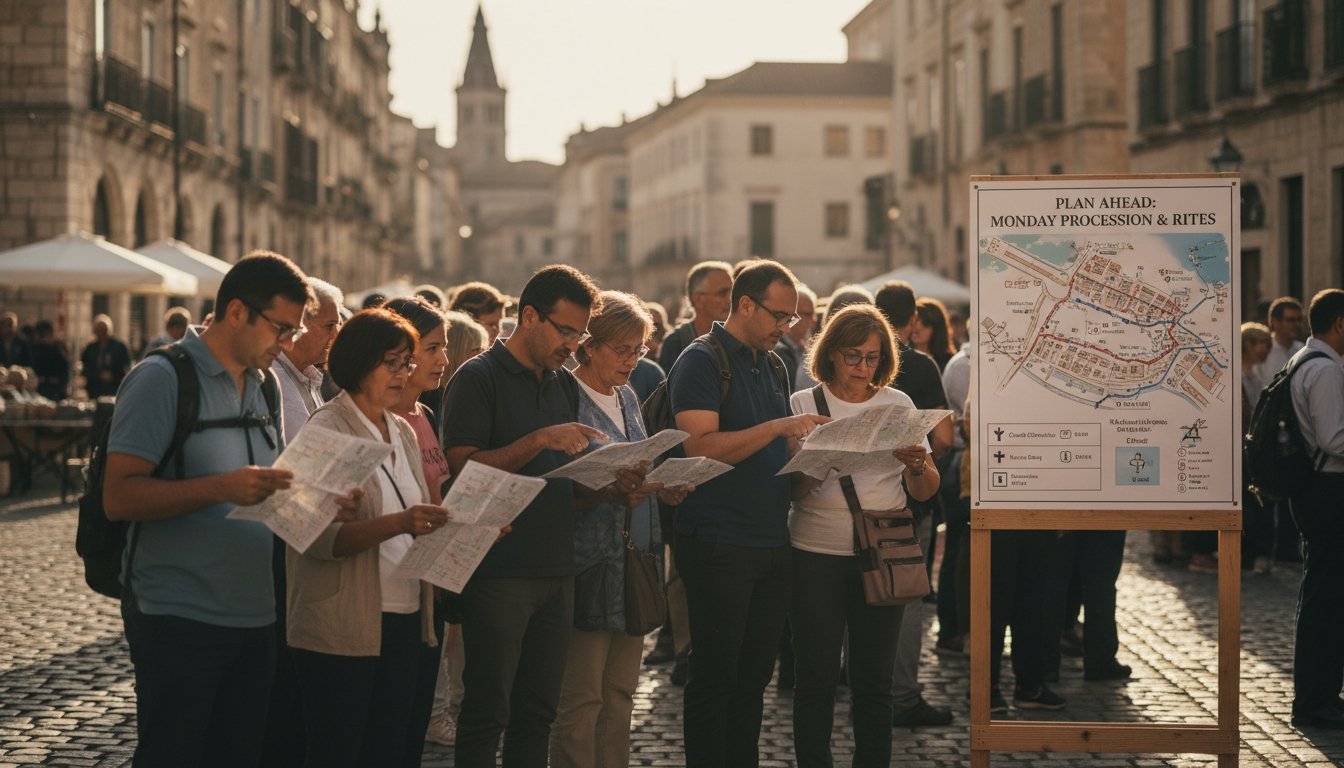
10 Mar 5 Tips for Monday Religious Processions and Rites
Understand the cultural and historical origins of traditions to deepen your appreciation. Dress modestly and observe proper etiquette, following the lead of participants. Plan logistics for accessibility, and embrace the diversity of cultural expressions. Maintain a reverent, mindful presence – take in the sacred procession elements without disrupting the ceremonial atmosphere. There’s more to explore about navigating these meaningful rites.
Table of Contents
Key Takeaways
- Understand the cultural and historical context to appreciate the diversity of Easter Monday traditions and rituals.
- Dress modestly and respectfully, and observe proper etiquette by following the lead of participants.
- Plan ahead for logistics and accessibility to ensure a smooth and inclusive experience.
- Engage with the community and immerse yourself in the cultural expressions to deepen your understanding.
- Maintain a reverent and mindful presence throughout the religious procession or rite.
Understand the Cultural and Historical Context of Easter Monday Traditions
Although Easter Monday traditions vary across cultures, understanding their historical and cultural context can deepen your appreciation of these meaningful observances. Many traditions, such as egg decorating and Easter parades, trace their origins to ancient pagan spring festivals.
As Christianity spread, the church incorporated these existing customs into its own celebrations of Christ’s resurrection. Today, these rituals reflect the rich tapestry of religious and cultural influences that have shaped Easter Monday observances over centuries.
Appreciating this context can imbue the day’s activities with greater significance, helping you connect with the profound spiritual and communal meanings they hold for participants.
Dress Appropriately and Observe Proper Etiquette
When attending a Monday religious procession or rite, it’s important to dress appropriately and observe proper etiquette. Wear modest, comfortable clothing that covers your shoulders and knees. Avoid anything too revealing or casual.
During the event, be respectful and attentive. Follow the lead of those participating and avoid disruptions. If you need to move around, do so quietly and discreetly. Avoid taking photos or videos unless you’ve received permission. Be mindful of your body language and facial expressions, showcasing reverence. If you’re unsure about any customs or protocols, don’t hesitate to ask a local guide. Respecting the traditions and rituals of the community is key to having a meaningful experience.
Plan Ahead for Logistics and Accessibility
Planning logistics and ensuring accessibility are key for a smooth and inclusive Monday religious procession or rite. Start by mapping out the route and identifying potential obstacles. Arrange for accessible transportation and parking options. Coordinate with local authorities to secure necessary permits and traffic control. Provide clear signage and ushers to guide participants. Consider the needs of attendees with disabilities, providing ramps, reserved seating, and assistive listening devices as needed. Communicate event details well in advance so everyone can prepare. Designate volunteers to assist those who require extra help. By addressing logistics and accessibility upfront, you’ll create an inviting and inclusive experience for all.
Appreciate the Diversity of Cultural Expressions
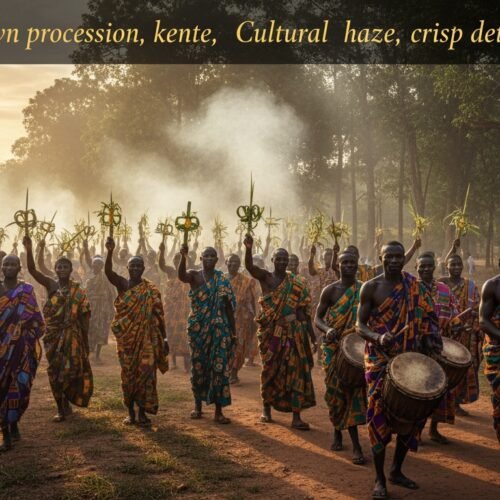
Why not embrace the diverse cultural expressions that make Monday religious processions and rites so vibrant? From the elaborate costumes worn by participants to the traditional music and dance that fill the air, these events showcase the rich tapestry of human spirituality. Don’t just observe – immerse yourself in the experience. Engage with the community, learn about their customs, and appreciate the unique ways they celebrate their beliefs. You might even discover something new about your own faith or worldview. By embracing diversity, you’ll deepen your understanding and connection to the sacred rituals unfolding before you. So, keep an open mind and let the beauty of cultural expression elevate your Monday procession experience.
Maintain a Reverent and Mindful Presence
As you immerse yourself in the sacred processions, it’s crucial to maintain a reverent and mindful presence. Be attentive to the rhythmic chants, the swaying incense, and the solemn expressions of the participants. Resist the temptation to snap photos or fidget – instead, fully engage with the ceremonial atmosphere. Breathe deeply, let the weight of your thoughts dissipate, and open yourself to the transcendent energy. Observe the rituals with respect, refraining from interruptions or disruptive behaviors. Your reverent demeanor honors the tradition and allows you to fully absorb the profound significance of the occasion. Maintain this mindful state throughout the procession, embracing the sacred experience with all your senses.
Frequently Asked Questions
What Are the Dietary Restrictions During the Procession?
You’ll want to avoid heavy, greasy, or spicy foods during the procession. Stick to light, easily digestible options like fruits, vegetables, and whole grains.
Hydrate well with water, and consider packing some electrolyte-rich drinks in case it’s hot out.
Avoid alcohol and caffeine, as they can dehydrate you.
Focus on nourishing your body, not overindulging.
Can Children Participate in the Entire Event?
Yes, children can participate in the entire event. They’re often encouraged to take part in the procession and rites, as their involvement is seen as important for the community’s spiritual growth and passing on of traditions. Just make sure they’re dressed appropriately and understand the significance of the event.
Are There Any Age Requirements for Attendees?
There are typically no age requirements for attending religious processions and rites. Children can participate in the entire event, though you may want to consider their attention span and ability to stand for long periods. Make sure they’re dressed appropriately and have any necessary supplies like water.
Are Photography and Videography Allowed Throughout the Event?
Photography and videography are generally allowed throughout the event, but you should be respectful and avoid disrupting the proceedings.
It’s best to check with the event organizers beforehand to ensure you understand any specific rules or restrictions they may have in place.
Remain mindful of the sacred nature of the event and be respectful of the participants and their religious practices.
Is There a Dress Code for Volunteers and Organizers?
Yes, there’s usually a dress code for volunteers and organizers at religious processions and rites. You’ll want to dress modestly and conservatively, avoiding anything too flashy or distracting. Typically, long pants or skirts and collared shirts or blouses are expected. The dress code helps maintain a solemn and respectful atmosphere throughout the event.
Conclusion
You’ve learned the key tips for participating in Monday religious processions and rites. Remember to be respectful, plan ahead, and embrace the diversity of cultural expressions. By doing so, you’ll ensure a meaningful and reverent experience. Enjoy the traditions and take the time to connect with the deeper spiritual significance of the day.







No Comments