


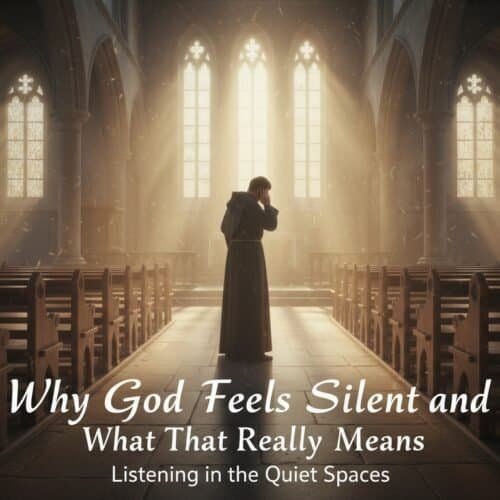
20 Jan Why This Study Helps You Actually Hear God’s Voice
This study equips you with biblical discernment to distinguish God’s authentic voice from mental noise, emotional impulses, and deceptive counterfeits. You’ll discover how doubt, fear, and worldly distractions create static that blocks divine communication, while learning five scriptural signs that confirm genuine messages from God. Through practical verification methods rooted in Scripture, you’ll develop confidence in recognizing when the Holy Spirit speaks versus when your mind generates false signals. These foundational principles will transform your spiritual listening capacity.
Table of Contents
Key Takeaways
- Provides biblical framework for recognizing God’s primary communication channels including Scripture, prayer, and Holy Spirit guidance.
- Establishes essential safeguards to distinguish authentic divine communication from deceptive counterfeits through scriptural alignment.
- Identifies common obstacles like doubt and mental noise that block spiritual receptivity and offers solutions.
- Teaches five reliable biblical signs that confirm genuine divine communication versus human imagination or emotion.
- Equips you with practical daily verification methods to test and validate spiritual messages against God’s Word.
How God Speaks to Believers According to Scripture

How exactly does God communicate with His people today? Scripture reveals multiple channels through which the Lord speaks to believers. He communicates primarily through His written Word, where you’ll find His revealed will and character (2 Timothy 3:16-17).
Scripture serves as God’s primary communication channel, revealing His will and character to believers through His written Word.
The Holy Spirit illuminates biblical truth, guiding you into understanding (John 16:13).
God also speaks through prayer, circumstances, wise counsel from mature believers, and His creation (Romans 1:20).
However, you must exercise interpretive caution when discerning God’s voice, especially regarding subjective experiences. Many contention topics arise when believers claim divine revelation outside Scripture’s boundaries. Always test perceived divine communication against biblical truth.
God won’t contradict His written Word. The Bible serves as your primary filter for authentic spiritual discernment, ensuring you hear His authentic voice rather than deceptive counterfeits.
Why Doubt, Fear, and Mental Noise Block God’s Voice
Why do many believers struggle to discern God’s voice despite His promise to guide them? Scripture reveals three primary obstacles that impede spiritual hearing.
Doubt blocking God’s communication creates internal static. James 1:6-8 warns that doubters are “double-minded” and “unstable in all their ways.” When you question God’s willingness to speak, you’ve already created interference.
Fear hindering divine connection manifests through anxiety about hearing incorrectly or missing God’s direction entirely. First John 4:18 states perfect love casts out fear, yet anxious hearts can’t receive clearly.
Mental noise from worldly distractions drowns out God’s gentle voice. First Kings 19:12 shows Elijah heard God in a “still small voice,” not amid chaos. Your cluttered mind needs stillness for spiritual reception. These barriers aren’t insurmountable—they’re addressable through biblical practices.
Five Biblical Signs That Confirm You’re Hearing From God
When God speaks, His voice carries distinct characteristics that distinguish divine communication from human imagination or demonic deception. First, God’s voice aligns perfectly with Scripture—He never contradicts His written Word.
Divine communication never contradicts Scripture, distinguishing God’s authentic voice from human imagination and deceptive counterfeits through perfect biblical alignment.
Second, His communication produces peace, not confusion or anxiety in your spirit.
Third, God’s voice often challenges you toward righteousness and spiritual growth rather than feeding selfish desires.
Fourth, divine messages consistently glorify Christ and point toward His character and purposes.
Fifth, God’s voice requires spiritual discernment and typically confirms through multiple biblical witnesses or circumstances. These listening results help validate authentic divine communication.
When you apply these scriptural tests consistently, you’ll develop confidence in distinguishing God’s voice from counterfeits, enabling clearer spiritual communication and deeper intimacy with your Heavenly Father.
Simple Tests to Verify Divine Communication Daily
Where can you implement practical verification methods to test divine communication in your everyday spiritual walk? Scripture provides systematic approaches for daily discernment vs confusion in spiritual matters. First, test every message against God’s written Word (1 John 4:1). If communication contradicts Scripture, reject it immediately. Second, examine the fruit produced—does it align with Galatians 5:22-23’s characteristics? Third, seek confirmation through prayer and fasting (Daniel 10:12). Fourth, consult mature believers for accountability (Proverbs 27:17). Fifth, observe timing—God’s voice brings peace, not panic (1 Corinthians 14:33). Your readiness vs doubt determines spiritual receptivity. Practice these verification methods consistently, maintaining biblical boundaries while staying open to genuine divine guidance through disciplined spiritual discernment.
Frequently Asked Questions
What if I’ve Never Heard God’s Voice Before in My Life?
You’re not alone—many believers haven’t recognized God’s voice yet. Start by developing listening ears through regular Scripture reading, where God primarily speaks today. Cultivate quiet trust by setting aside daily time for prayer without distractions. God often speaks through His Word, circumstances, and gentle impressions rather than audible voices. Don’t expect dramatic experiences; instead, learn His character through biblical study and practice discernment.
How Long Should I Wait Before Expecting to Hear From God?
There’s no set timeline for hearing God’s voice – He speaks according to His sovereign will and timing. Don’t create artificial waiting expectations that could lead to disappointment or manufactured experiences. Instead, focus on developing consistent discernment practices: daily Scripture reading, prayer, and cultivating spiritual sensitivity.
God often speaks through His Word first. Stay patient, remain biblically grounded, and trust His perfect timing rather than forcing predetermined timeframes.
Can God Speak Through Dreams and What Makes Them Different From Regular Dreams?
Yes, God can speak through dreams as scripture confirms in Numbers 12:6 and Job 33:14-16. You’ll recognize divine dreams through their extraordinary clarity, lasting spiritual impact, and alignment with biblical truth. Unlike regular dreams, God-given dreams often contain specific nighttime symbolism requiring careful dream interpretation. They’ll leave you with unmistakable peace or conviction, and their messages will consistently point you toward God’s character and purposes for your life.
Why Does God Seem to Speak More Clearly to Some People Than Others?
God’s hearing clarity varies based on your spiritual maturity, obedience, and relationship depth with Him. Scripture shows divine guidance flows more freely to those who’ve cultivated listening hearts through prayer, fasting, and meditation on His Word. Your willingness to surrender personal desires, coupled with consistent spiritual disciplines, creates greater receptivity to His voice. God speaks equally to all, but you’ll hear more clearly as you grow in intimacy with Him.
What Should I Do if I Think I Heard God but Made a Mistake?
When you’ve misinterpreted hearing guidance, don’t abandon seeking God’s voice. Instead, strengthen your discernment process through deeper Scripture study and prayer. Acknowledge the mistake humbly, asking God for wisdom (James 1:5). Review what led to confusion—was it rushed decision-making or emotional influence? Seek counsel from mature believers who know God’s Word. Remember that spiritual maturity develops through practice, and even errors become learning opportunities that sharpen your ability to distinguish His authentic voice.
Conclusion
You’ve learned God’s established patterns for speaking through Scripture, identified the barriers that muffle His voice, and discovered the biblical markers that confirm divine communication. Now you must apply these verification tests consistently in your daily walk. Don’t rely on feelings alone—test every impression against Scripture’s truth. When you remove mental clutter and align your heart with God’s Word, you’ll distinguish His authentic voice from counterfeits and walk confidently in His guidance.











No Comments