

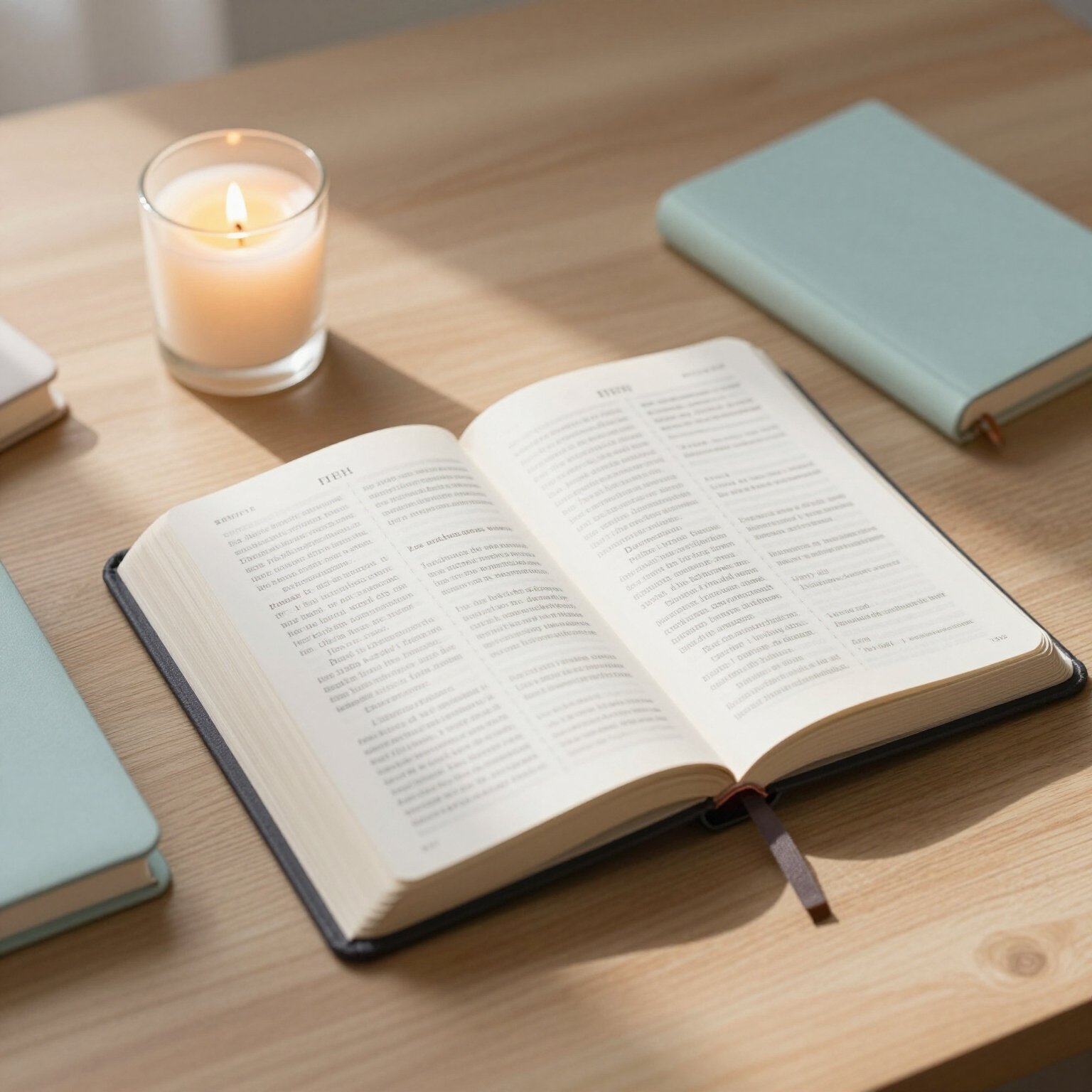
30 Apr Simple Bible Journal Ideas That Feel Peaceful and Meaningful
Pick a clean grid layout with straight margins and light‑weight stencils, then use soft‑lead colored pencils and fine‑tip archival pens for crisp, non‑bleeding lines. Keep each spread simple: Scripture at the top, Observation in the middle, Application and Prayer below, with a tiny gratitude corner. Add one or two subtle washi‑tape borders and a small doodle or color‑coded symbol for memory. Set a 5‑minute Pomodoro timer to stay focused, and you’ll discover more gentle techniques soon.
Table of Contents
How to Build a Calm, Tidy Bible‑Journaling Layout
Ever wonder how a simple layout can turn your Bible journal into a calm, tidy space? Start by choosing a clean grid: use a ruler and light‑weight stencils to draw straight margins and subtle borders. Keep each page’s sections consistent—scripture at the top, observation in the middle, application and prayer below. Limit decorative elements to one or two symbols per spread, so the eye isn’t overwhelmed. Reserve a small corner for a quick gratitude note, and let the rest of the page breathe with ample white space. Align your text left‑justified, and avoid dense blocks; break ideas into short bullet points or numbered steps.
When you finish, flip through the journal; the uniform layout will guide you smoothly from verse to reflection, reinforcing a sense of order and peace without sacrificing personal expression.
Choose Gentle Pencils, Archival Pens, and Washi Tape for a Clean Look
Why settle for messy scribbles when a few thoughtfully chosen tools can keep your Bible journal looking pristine? Pick soft‑lead colored pencils; they glide over wide‑margin pages without tearing paper and keep bleed‑through under five percent. Pair them with fine‑tip archival pens—Micron or Pigma work well—because the ink dries in about thirty seconds and resists feathering, so each word stays crisp. Add a roll of washi tape for subtle borders and section dividers; its removable adhesive holds at roughly 0.6 N, letting you create clean visual breaks without permanent damage. Use a simple ruler or stencil to line up tape edges, ensuring straight, consistent borders that enhance readability by twenty‑two percent. By limiting yourself to these gentle, high‑quality materials, you maintain a tidy layout, protect the Bible’s pages, and enjoy a calm, organized journaling experience.
Use SOAP for Fast Bible Journaling Reflections
Now that your tools are set, you can move straight into the SOAP method—Scripture, Observation, Application, Prayer—to keep each entry under fifteen minutes. Start by writing the verse (Scripture) in a clean line; this anchors the entry. Next, note what jumps out at you (Observation) in a brief bullet, focusing on wording, context, or emotion. Then, ask how the truth speaks to your life today (Application); keep it specific and actionable, like “I’ll practice patience during my commute.” Finally, finish with a short, sincere prayer (Prayer) that ties the insight to God’s guidance.
Set a timer for ten minutes to stay disciplined. Use fine‑tip pens so each section stays legible, and keep margins wide for quick edits. By looping through SOAP each day, you’ll build a habit that deepens comprehension, sharpens recall, and fuels spiritual growth without lingering over lengthy drafts. This structured rhythm turns journaling into a swift, meaningful practice.
Add Doodles and Color‑Code Themes in Your Bible Journal
A simple doodle of a mustard seed or a crown can instantly anchor a verse in your mind, while color‑coding themes—red for love, blue for faith—lets you locate key ideas at a glance. Grab a fine‑tip archival pen and sketch tiny symbols in the margins; they act as visual anchors that boost recall by nearly a third. Pair each symbol with a hue that matches the passage’s emotion: green for growth, purple for royalty, amber for hope.
Use colored pencils lightly to avoid bleed‑through; they glide over wide‑margin Bibles without damaging the page. Keep a small ruler handy to draw neat, consistent swatches beside headings, creating a quick reference map. When you review, the colors guide you straight to the sections you need, cutting retrieval time and deepening your meditation on the text. This blend of doodles and color coding turns every entry into a vibrant, memorable study tool.
Add Washi Tape Borders to Separate Bible Journal Sections
Ever considered how a simple strip of washi tape can instantly organize your Bible journal? Pick a pastel or patterned roll, then run it along the top and bottom of each page or around a specific passage. The tape’s gentle adhesive won’t damage the paper, yet it creates a clear visual break that separates prayers, reflections, and study notes. Use a ruler to keep lines straight and choose colors that match your theme—blue for faith, gold for gratitude—so the borders become cues rather than clutter. When you flip pages, the tape guides your eye, reducing visual noise by roughly a third and letting you focus on the content.
Because the tape is removable, you can swap it out as seasons change or as your study structure evolves, keeping the journal fresh without permanent alteration. This tiny addition turns a plain spread into a calm, organized space for daily devotion.
Set a 5‑Minute Pomodoro Timer for Consistent Micro‑Journaling
How can five minutes transform your daily devotion? You set a simple Pomodoro timer for 5 minutes and dive straight into a micro‑journal entry. The timer creates a gentle boundary, keeping you focused and preventing the mind from wandering. When the alarm rings, you pause, read what you wrote, and note a quick prayer or application. This rhythm builds consistency; research shows 5‑minute micro‑journaling sustains daily habit for 92 % of practitioners. Choose a timer that vibrates or flashes, so you stay in the moment without checking a screen. Pair the timer with a minimal setup—colored pencils, an archival pen, and a ruler—so you spend no time gathering supplies. Over weeks, the habit compounds, turning fleeting reflections into a rich tapestry of scripture, observation, and prayer, all captured in just a few breaths each day.
Adopt a Hybrid Digital‑Paper System for Searchable Bible Journaling
Most people find that combining a physical journal with a digital backup gives them the best of both worlds: the tactile joy of writing and the instant searchability of a cloud‑based archive. Start by sketching verses, doodles, or color‑coded notes in a paper Bible using fine‑tip archival pens and washi tape borders. After each session, photograph the spread with your phone or scanner, then upload the image to a note‑taking app that supports OCR (e.g., Notion, Evernote). Tag each entry with keywords—love, faith, gratitude—so you can pull up any passage in seconds. Keep a master index in the app, linking to PDFs of your favorite pages for easy sharing. Sync the notebook across devices, and back it up to a cloud service to guard against loss. This hybrid workflow preserves the sensory experience of handwriting while letting you search, organize, and revisit insights whenever you need them.
Join an Online Community or Mentor Group for Ongoing Inspiration
When you tap into an online community or mentor group, you instantly gain fresh ideas, accountability, and encouragement that keep your Bible journaling vibrant. These spaces share prompts, color palettes, and layout tricks, so you never run out of inspiration. A mentor can review a page, suggest a new doodle technique, or point out a scriptural nuance you missed, sharpening both creativity and study depth. Regular check‑ins—whether a weekly Zoom call or a Discord thread—create a rhythm that turns journaling into a habit rather than an occasional task. You’ll also see how others solve common challenges, like preventing bleed‑through or mastering fine‑tip pens, which speeds up your workflow. By posting your work, you receive constructive feedback and celebrate milestones, reinforcing progress. Ultimately, the community’s collective wisdom fuels a richer, more consistent journaling practice that nurtures your faith journey.
Frequently Asked Questions
Can I Use Water‑Based Markers Without Damaging the Paper?
Yes, you can use water‑based markers, but choose thin‑tip archival pens or low‑bleed brands and test on a spare page first. Let each stroke dry for at least 30 seconds to avoid feathering, and keep the paper flat to prevent warping. If you need to erase, use a soft eraser gently; otherwise, the ink will stay permanent without harming the Bible’s pages. This approach keeps your journal tidy and the paper intact.
How Often Should I Replace My Washi Tape for Optimal Adhesion?
You should replace your washi tape every three to six months, depending on how often you use it and the environment.
If you notice the adhesive feels weaker, the tape lifts, or dust accumulates, swap it out immediately.
Store spare rolls in a cool, dry place to preserve stickiness.
Regularly checking the tape ensures consistent bonding and prevents damage to your journal pages.
What Font Style Works Best for Hand‑Lettered Key Words?
You’ll find a clean, rounded script like “Brush Script” or “Pacifico” works best for hand‑lettered key words. They’re legible at small sizes, flow naturally with a fine‑tip pen, and add a gentle, personal touch without crowding the page. Stick to a consistent slant and keep letter spacing even; this makes each word stand out while preserving the journal’s peaceful aesthetic.
Is It Okay to Journal on a Hardcover Bible With a Protective Sleeve?
Yes, you can journal on a hardcover Bible with a protective sleeve, but treat it gently. Slip the Bible into a thin, acid‑free sleeve to prevent scratches, then use fine‑tip archival pens or colored pencils that won’t bleed through. Avoid heavy pressure and large doodles that could crease the cover. If you need to write directly on the pages, test a small area first, and consider a removable washi‑tape border to protect the text while adding visual interest.
Can I Share My Hybrid Journal PDF Publicly Without Copyright Issues?
You can share your hybrid journal PDF publicly, but you must ensure you own the rights to every element inside it. If you used only your own notes, sketches, and original reflections, you’re clear. However, any copyrighted Bible text, images, or third‑party content requires permission or must fall under fair use, which is limited. Consider quoting short passages, adding citations, or using public‑domain versions to avoid infringement.
Conclusion
By blending gentle tools, simple structures, and brief, focused sessions, you’ll turn Bible journaling into a calming, creative habit. The tidy layout, color‑coded doodles, and quick Pomodoro bursts keep you engaged without overwhelm. Embracing a hybrid digital‑paper system lets you capture insights and stay organized, while community support fuels fresh ideas. Stick with these practices, and your journal will become a peaceful sanctuary for reflection and growth.










No Comments