

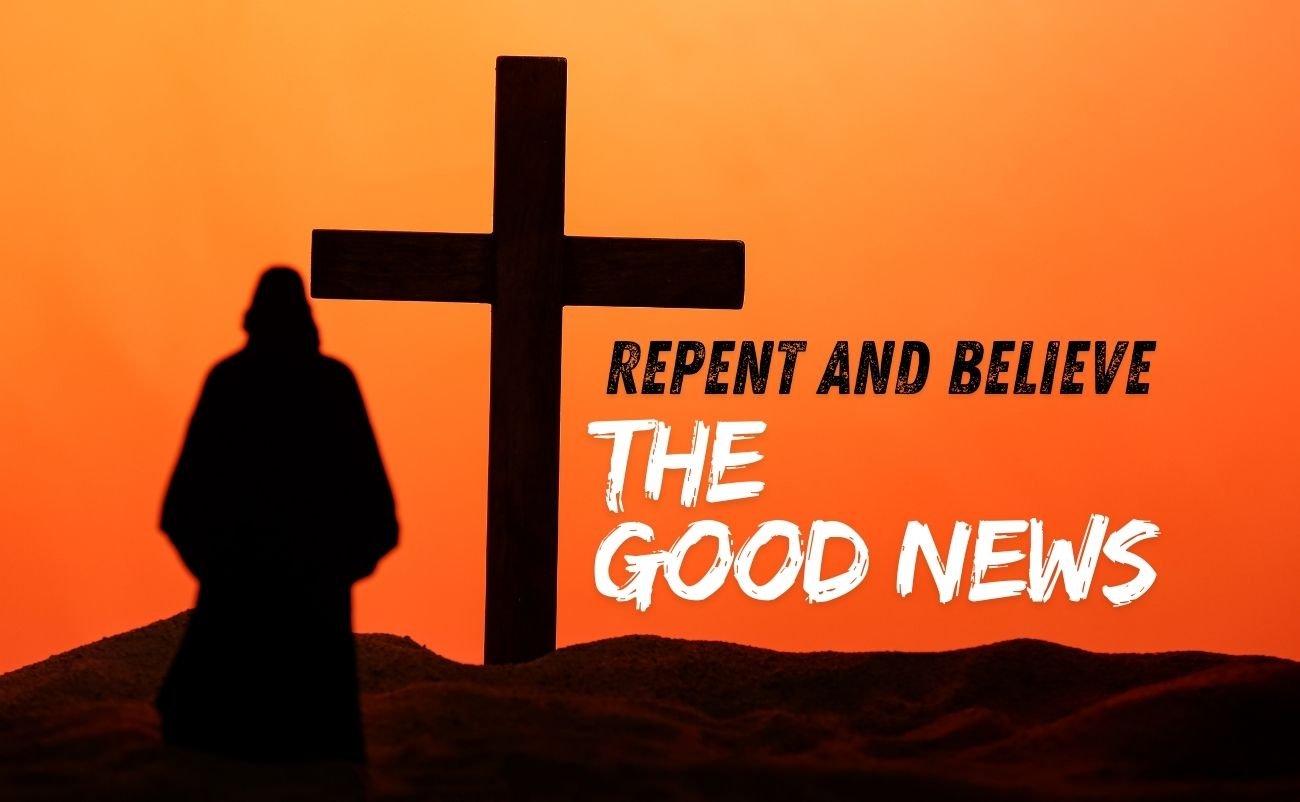
16 Mar Mark the Evangelist Good News: Mark 1:14-15 – Repent and Believe The Good News That Sparked History’s Greatest Movement
You’ll see how Mark’s proclamation “the kingdom of God is at hand” turned a distant hope into a present reality that demanded urgent response. By urging repentance and belief, it offered a radical, inclusive identity that broke from legalism and gave marginalized people a new social order. This “good news” sparked the formation of house churches, baptism, and the Lord’s Supper, fueling a movement that still shapes culture, justice, and faith today—continue for deeper insight.
Why Did Mark 1:14‑15’s “Kingdom Is at Hand” Spark a Global Movement?
Ignite your curiosity: Mark 1:14‑15 declares, “The kingdom of God is at hand,” and that proclamation ignited a worldwide movement because it promised an imminent, transformative reality that people could both anticipate and participate in. You feel the urgency in those words; they suggest a present, accessible reign rather than a distant myth. This immediacy broke the barrier between divine promise and daily life, urging you to act now. The phrase also implied a radical reversal of social order, offering hope to the marginalized and challenging entrenched powers. As you hear it, you recognize a call to align yourself with a new community that embraces repentance and belief, creating a shared identity that transcends geography. The message’s simplicity—“repent and believe”—made it easy to spread, while its profound implications motivated countless individuals to join a collective quest for the promised kingdom.
How Did Repentance and Belief From Mark 1:14‑15 Shape Early Christian Identity?
What did “repent and believe” really mean for the first followers of Jesus? It meant turning away from the prevailing Jewish legalism and embracing a new covenant that prioritized inner transformation over external ritual. You’d experience a radical reorientation: guilt turned into hope, and the law became a guide, not a shackles. This mindset forged a communal identity rooted in shared confession, daily prayer, and mutual support.
Baptism symbolized your public break with the past, while the Lord’s Supper reminded you of the sacrificial love that now defined belonging. As you gathered in house churches, you distinguished yourselves by proclaiming the “good news” with urgency, seeing every convert as a testament to God’s kingdom breaking into history. This collective repentance and belief created a distinct, resilient group that identified first by faith in Christ, not by ethnicity or tradition.
What Lasting Impact Does Mark 1:14‑15’s “Good News” Have on Culture and Faith Today?
The “good news” proclaimed in Mark 1:14‑15 still shapes culture and faith by framing hope as a present, actionable reality rather than a distant promise. You encounter it in social justice movements that cite the kingdom of God as a call to transform societies now, not later. Churches embed the phrase in worship, urging congregants to repent and believe through daily deeds, which fuels volunteerism and charitable outreach. Media narratives borrow the “good news” motif to market stories of redemption, making spiritual language mainstream. In education, curricula reference the passage to discuss moral responsibility and personal agency, linking ancient text to modern ethics. Politicians occasionally invoke the kingdom imagery to legitimize policies aimed at collective welfare. As you navigate these spaces, you’ll notice that Mark’s succinct proclamation continues to inspire concrete action, shaping both individual identities and collective cultural currents.
Frequently Asked Questions
What Language Original Manuscripts Record Mark 1:14‑15?
You’ll find 1:14‑15 in the original Greek manuscripts of the New Testament.
The earliest extant copies are the papyri—P45, P46, and P75—dating from the 2nd‑3rd centuries.
The major codices, like Codex Sinaiticus (ℵ) and Codex Vaticanus (B), also preserve the passage in Greek.
These texts form the basis for modern critical editions, confirming that the Gospel of Mark was originally composed in Koine Greek.
How Does Mark’s Gospel Differ From Matthew’s on the “Kingdom” Theme?
You’ll notice Mark frames the kingdom as an urgent, present reality—“the time is fulfilled, the kingdom of God has come near.” He emphasizes immediate repentance and belief, portraying the kingdom as a looming, decisive event.
Matthew, by contrast, stretches the kingdom across both present and future, linking it to fulfillment of Jewish prophecy and a more detailed, ethical kingdom. Mark’s narrative feels faster, more imminent; Matthew’s feels broader, more theological.
Did Early Christians Interpret “Repent” Literally or Metaphorically?
You’ll find that early Christians took “repent” mainly as a literal call to change behavior and turn from sin, not just a metaphorical shift in mindset. Their writings and sermons stress concrete actions—confession, fasting, almsgiving—showing that repentance meant tangible moral transformation. While some theological reflections later explored deeper spiritual meanings, the first generations treated the term as an urgent, practical command.
What Archaeological Evidence Supports the Spread of Mark’s Message?
You’ll find inscriptions on ossuaries, graffiti in synagogues, and papyrus letters that mention “Mark” or the “good news” in Greek, showing his name traveled beyond Judea.
Excavations at Dura-Europos reveal a Christian house church with a wall painting of the four evangelists, suggesting Mark’s Gospel was known in Syria.
Also, the Murus Gallicus in Gaul bears a fragmentary text quoting Mark’s call to repentance, confirming his message reached Western provinces.
How Have Modern Translations Altered the Phrase “Good News”?
You’ll see modern translations often render “good news” as “gospel” or “glad tidings,” shifting from a simple announcement to a doctrinal term. Some versions use “good news” still, but many prefer “the gospel” to emphasize the theological message. This change tightens the phrase’s link to Christian identity, while occasional “glad news” or “joyful proclamation” attempts to preserve the original’s celebratory tone.
Conclusion
You’ve seen how Mark 1:14‑15 ignited a worldwide movement by proclaiming the kingdom’s arrival, demanding repentance, and urging belief in the good news. This message reshaped early Christian identity, forged a lasting cultural legacy, and continues to inspire faith today. Its call to transform lives remains a powerful catalyst for change, reminding you that the kingdom’s promise still reverberates across history and into the present.










No Comments