

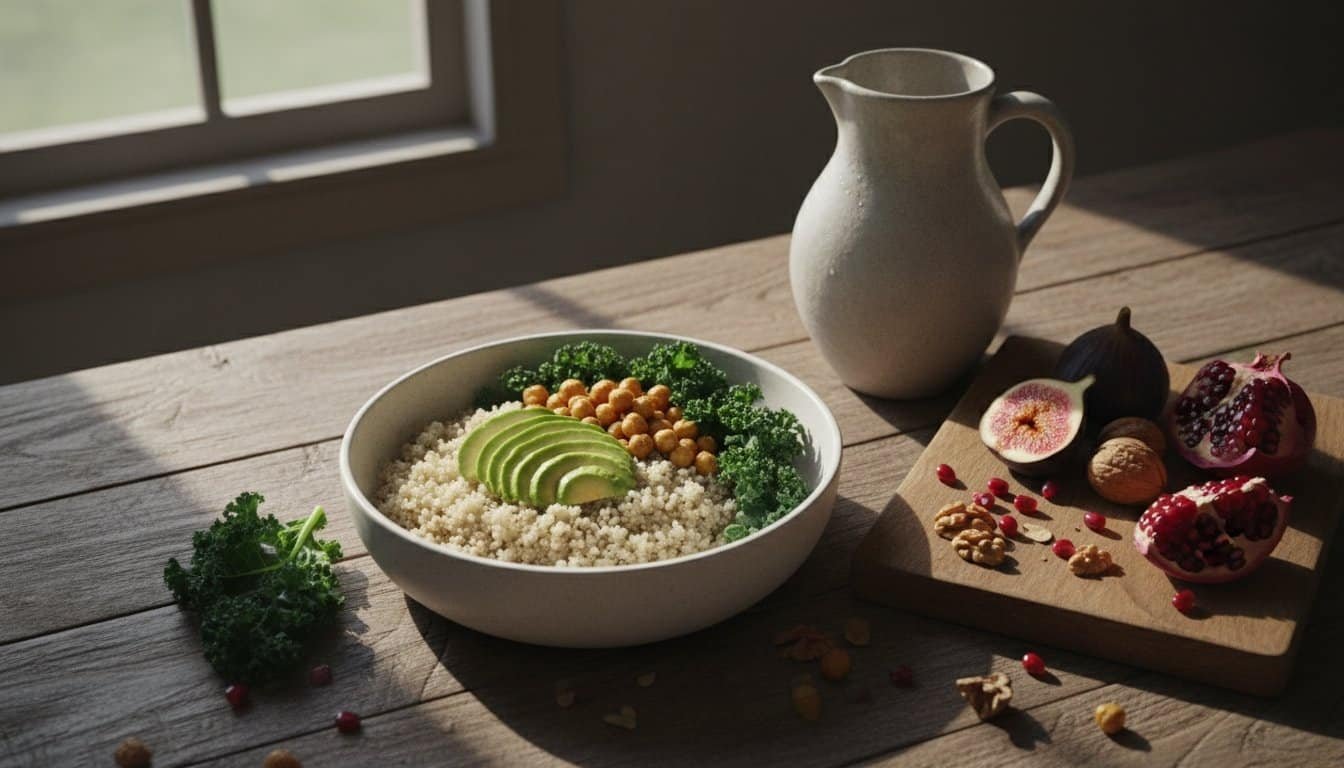
16 May No Meat Fast in the Bible — Plant-Based Fasting Explained
I remember the first night I decided to follow Daniel’s “no meat” fast—my kitchen was a mess of leftovers, but my heart felt oddly quiet. Trading the palace’s rich feasts for simple vegetables and water felt like a secret handshake with God, a way to deepen my covenant loyalty.
Table of Contents
In Daniel 1 and 10, we see the prophet swapping royal delicacies for plant‑based meals, and that same spirit can guide us today. I’ve found that skipping meat, sweets, and wine clears the mind for prayer, letting the Holy Spirit speak louder than any flavor.
If you’re curious about the No Meat Fast in the Bible, consider starting with a ten-day test or extending it to twenty-one days dedicated to prayer. Focus on vegetables, grains, and water, allowing each bite to remind you of God’s provision.
The goal isn’t merely a diet; it’s about achieving spiritual clarity and tuning your heart to His voice. Below, you’ll find simple steps to prepare your heart and home, enabling you to embark on this journey with confidence and joy.

Key Takeaways
Key Takeaway: The Daniel Fast is a plant‑based, 10‑ or 21‑day spiritual discipline, rejecting meat, sweets, and alcohol for prayerful simplicity and God‑centered focus.
The Daniel Fast: Biblical Origins of the Ten-Day Test
How can a brief dietary trial from ancient Babylon become the blueprint for modern spiritual health? You’ll find the answer in Daniel 1 (NIV). Daniel and three friends challenge a guard to a ten‑day experiment. Instead of royal delicacies, they eat only water and “pulse”—the Hebrew word for seed‑bearing plants and grains.
I love how the story feels like a real fitness test, not a complicated rule book. Daniel asks for a direct comparison between his group and those eating the king’s food. This scriptural basis emphasizes that fasting is a way of denying self to seek the Lord. After ten days, the men look fairer, healthier, and the guard swaps the rich rations for this plant‑based diet.
That simple ten‑day commitment sparked a lasting legacy. It shows that a modest, disciplined choice can reshape our habits and our hearts. It’s a reminder that real change often starts with a small, intentional step.
Why Did Daniel Refuse the King’s Choice Food?
Why would a captive in the world’s most powerful court turn down a gourmet feast for a bowl of plain vegetables? You’ll find the answer in Daniel’s resolve to avoid ceremonial defilement.
Babylonian royal cuisine likely featured pork or animals not slaughtered according to Mosaic law.

Since you can’t control a pagan kitchen’s ingredients, Daniel chose ritual purity over kingly delicacies.
This wasn’t about picky eating; it was about covenant loyalty.
The 21-Day Daniel Fast: Scriptural Basis in Daniel 10
You’ll find the basis for the 21‑day Daniel Fast in chapter 10, where Daniel devoted three weeks of intense mourning and prayer, giving up choice foods, meat, and wine to stay humble before God—a pattern you can follow today for spiritual clarity while keeping up with daily life.
Three Weeks Of Mourning
Where does the biblical precedent for a multi‑week fast come from? You’ll find it in Daniel 10, right in the middle of King Cyrus’s reign. The prophet spends three weeks in a mourning period—21 days of prayer, confession, and intercession.
He’s not ditching his duties as Prime Minister; instead, he’s juggling governance and spiritual warfare at the same time. It feels like a daily, steady walk with God, each day a fresh chance to lean in.
| Aspect | Scripture Detail | Spiritual Significance |
|---|---|---|
| Duration | 21 full days (Daniel 10:2‑3 NIV) | Aligns with the angelic battle |
| Motivator | National crisis (Daniel 10:1 NIV) | Intercession and worship |
| Sacrifice | No bathing or shaving (Daniel 10:5 NIV) | Humble consecration |
This longer stretch sets your practice apart from quick rituals. It gives you a season to influence kingdom‑level circumstances through physical deprivation—an intentional, heartfelt pursuit of God’s will.
Abstaining From Choice Foods
The Bible gives a clear picture of a twenty‑one‑day fast in Daniel 10:2‑3 (NIV): the prophet says he’ll not eat “pleasant bread,” meat, or wine. In practice that means cutting out sweets, brownies, and any alcohol. I’m swapping rich, seasoned dishes for plain, simple foods.
I focus on veggies, beans, fruit, and whole grains, and I only drink water. No need to isolate yourself or quit your job—Daniel kept his duties even while fasting. It’s not about starving yourself; it’s about restraint, humility, and seeking God’s wisdom.
Partial Fasting Duration
Daniel 1 shows us the idea of plant‑based eating, but Daniel 10:2‑3 (NIV) gives the real timeline—“three full weeks” of mourning, no “pleasant bread,” meat, or wine. He even skipped the oil he’d use for anointing.
That three‑week stretch isn’t a law, but many churches treat it as the standard for a partial fast. It’s a way to show steady devotion while we wait for God’s answer.
The angel’s message tells us God hears us from day one, yet we keep the fast to keep our hearts humble and our prayers focused. Use those twenty‑one days to pray, listen, and seek guidance with a sincere, contrite spirit.
Approved Food List for a Modern Daniel Fast
Focus on whole, plant‑based foods—fruits, vegetables, and grains—while steering clear of leavened breads, sugary additives, and processed oils to keep your fast pure and scripturally sound.
Plant-Based Foods To Include
Where do you start when you decide to eat only what the Earth offers? I usually begin with a bowl of whole grains—quinoa, brown rice, oats—sometimes a hearty whole‑wheat pasta or a simple unleavened flatbread. It feels like a wholesome foundation, like the mustard seed that grows into a tree (Mark 4:31 NIV).
Protein comes from the garden, too. I toss in black beans, lentils, chickpeas, and a splash of tofu or edamame for that extra boost. It’s a reminder of how God provides for us in unexpected ways (Genesis 1:29 NIV).
Fruits and veggies are the real stars. Fresh, frozen, or dried—sweet potatoes, kale, crisp apples—everything is welcome on my plate. I love snacking on raw nuts, seeds, and nut butter, as long as there’s no added sugar. The flavors of fresh herbs, spices, and a drizzle of olive oil make each bite feel like a prayer (Psalm 104:14 NIV).
And of course, I keep water and herbal tea close, staying hydrated while honoring this biblical tradition. It’s simple, it’s real, and it keeps me connected to the Creator’s bounty (John 4:14 NIV).
Items To Avoid Consuming
I’ve been trying to keep my diet as simple as Daniel’s—no animal foods at all. That means saying goodbye to meat, poultry, fish, eggs, and dairy. I also cut out leavened breads, white rice, and any refined flour.
All sweeteners are off the table, even honey, agave and the fake stuff. I steer clear of processed snacks, fried foods, and anything with chemical additives. When it comes to drinks, I stick to water—no caffeine, no alcohol, no sugary sodas.
| Category | Primary Exclusions | Examples to Skip |
|---|---|---|
| Grains | Refined & Leavened | White bread, pastries |
| Sugars | Natural & Artificial | Honey, cane sugar |
| Drinks | Stimulants & Spirits | Coffee, alcohol |
I read in Daniel 1:12 (NIV) that “the king’s food and wine he gave them not to eat or drink,” and I find that simple restraint helps me focus on prayer. Checking labels is a habit now—many sauces hide yeast or sugar. Stripping away those complexities lets me keep my fast pure and my heart steady.
Foods and Drinks to Avoid on the Daniel Fast
Why do we drop those foods? Because the Daniel Fast is all about simple, plant‑based eating—no beef, poultry, fish, eggs, or dairy. I’ve said beef, broths, and even the occasional cheese‑like spread. The Bible says we’re to “eat only vegetables” (Daniel 1:12 NIV), so I’m sticking to fruits, beans, nuts, and whole grains.
Sugar? Nope. Honey, molasses, agave—those sweeteners are off the table. I read the label twice, hunting for hidden sugars or additives. Even refined white flour and white rice don’t belong; I’m choosing brown rice, oats, and whole‑wheat alternatives instead.
Bread with yeast? That’s a no‑go, too. Since the fast calls for unleavened foods, I’m grabbing flatbreads or tortillas that are yeast‑free. And I steer clear of fried foods, margarine, and chocolate—those just clutter the spirit.
What about drinks? Water is my main sip. I’ve said coffee, soda, alcohol, and sweetened juices. Even fermented stuff like vinegar and soy sauce usually stay out, because the fast is about pure, simple nourishment.
All these cuts feel like a discipline, but they’re also a reminder—“the body is a temple of the Holy Spirit” (1 Cor 6:19 NIV). By saying no to rich foods and stimulants, I’m keeping my focus on God, honoring Daniel’s humble commitment, and feeling a deeper spiritual peace.
How to Prepare for Your Daniel Fast Journey
Moving from the restricted list to your actual start date isn’t just a grocery run—it’s a heart‑and‑home alignment. First, figure out why you’re doing this. Are you hunting for wisdom, a breakthrough, or deeper intimacy with God? Jot those goals in a journal; they’ll keep you honest.
Ground the fast in Scripture right away. Spend a few minutes each morning reading a passage—maybe Psalm 42:1 (NIV) or Jeremiah 29:13 (NIV)—and let it shape your repentance. Don’t try to shock your system; ease in a week early by cutting back caffeine and sugar while upping water and fiber.
Practicality is the secret sauce. Plan your meals, shop for approved ingredients, and batch‑cook grains and beans so you’re not stuck choosing every day. Put non‑compliant snacks out of sight; out brain loves what it can see.
Create a daily rhythm that puts prayer and worship before scrolling. A short devotional, a quick hymn, or a silent prayer can reset the day. And don’t go it alone—find a mentor or a friend for accountability. When you focus on humility instead of performance, the fast becomes more than a diet; it turns into a disciplined, powerful encounter with God.
Frequently Asked Questions
Can I Take Prescription Medications While Participating in the Daniel Fast?
You should keep taking your prescription meds while you’re on the Daniel Fast—your health comes first. Talk to your doctor about any timing changes, especially if your meds need food, because a plant‑based diet can affect blood sugar or blood pressure.
“Do not give up your own flesh for the sake of any food” (Romans 12:1 NIV).
What Are the Specific Rules Regarding Exercise and Physical Activity During the Fast?
You don’t have to quit exercising; just keep it light‑to‑moderate—think walking, gentle biking, or easy yoga. Stay hydrated (aim for about eight cups a day) and listen to your body, easing off if you feel unusually tired. As Scripture reminds us, “Sowhether the Lord your God will be with you wherever you go” (Joshua 1:9 NIV), so move with confidence, trusting He’s with you every step.
Are There Biblical Guidelines for Breaking the Fast Once It Is Completed?
You won’t find a detailed rule book for breaking a fast—Bible focuses on the heart, not a ceremony. When you’re done, just return to regular meals, thanking God for the provision (e.g., “Give us this day our daily bread” — Matt 6:11 NIV).
Daniel and Jesus both resumed ordinary eating after their spiritual times, so a simple, grateful shift back to everyday food is all that’s needed.
How Should I Handle Social Invitations and Dining Out With Others?
Decide how much you’ll take part before you go, so you won’t feel pressured at the last minute. Look at the menu for plant‑based choices—grain bowls, salads, or ask the server for a simple tweak, and keep your explanation short and kind; remember 1 Peter 2:16 (ESV): “Live as free people, but don’t use your freedom as a cover for evil.”
Focus on the fellowship, not the restrictions, and if it feels too hard, it’s okay to decline politely or leave early without guilt.
Does the Daniel Fast Allow for the Use of Essential Oils or Supplements?
Q: Can I use essential oils or supplements during the Daniel Fast?
A: You can use them only if they’re pure, plant‑based, and free of gelatin, sugar, or artificial additives—think of the fast as a focus on whole foods. If a vitamin or oil contains any animal product, it would break the fast, so check the label carefully. “But the fruit of the Spirit is love, joy, peace…” (Gal 5:22 NIV) reminds us to keep our hearts and bodies aligned with God’s good gifts.
Conclusion
Choosing the Daniel Fast isn’t just a diet change; it’s a step toward deeper spiritual growth. As you stick to the whole foods you’ve selected, let prayer be your companion when cravings arise. Trust that the challenge is part of the journey, and keep your heart open to the clarity God promises.
You already have the tools and biblical foundation—now walk forward with confidence. May God’s peace guide you, and may you feel His presence grow stronger each day. Let’s pray together for strength and insight as you begin this blessed adventure.








No Comments