


05 Feb Lent: Isaiah 55:6-7 – Seek the Lord: Isaiah 55:6-7 Is the Lent Roadmap to Seek the Lord—and Find Lasting Peace
Isaiah 55:6-7’s urgent command to “seek the Lord while he may be found” creates your perfect Lenten roadmap for genuine transformation. You’ll move beyond casual religious routine into intentional seeking through fasting, prayer, and Scripture study during these forty days. The passage’s “while He’s near” emphasizes God’s special presence throughout Lent, inviting you to forsake surface practices for deep heart alignment. This season’s structured disciplines will guide you toward the lasting peace and abundant mercy God promises.
Table of Contents
Key Takeaways
- Isaiah 55:6-7 emphasizes urgent, deliberate seeking of God “while He may be found,” perfectly aligning with Lent’s forty-day intentional journey.
- Lent’s structured disciplines of fasting, prayer, and Scripture study transform casual religion into comprehensive life alignment with God’s commandments.
- Fasting during Lent serves as active God-seeking, using hunger as reminder to pursue divine nourishment through Scripture and prayer.
- The “limited window of opportunity” in Isaiah matches Lent’s concentrated timeframe for deep repentance and spiritual transformation.
- Isaiah’s promises of mercy and abundant pardon offer lasting peace through complete forsaking of sin and embracing God’s everlasting covenant.
Understanding Isaiah 55:6-7’s Call to Seek God

When did you last pursue something with genuine urgency and intentional effort? Isaiah 55:6-7 demands this same intensity in your spiritual pursuit. The prophet’s command to “seek the Lord while he may be found” carries profound weight—seeking requires deliberate searching and worship, not passive assumption that God awaits your convenience.
The verb “seek” exemplifies Ezra’s dedicated study of God’s law with sincere heart commitment. This isn’t casual religious activity but intentional spiritual disciplines that transform your entire way of life. New believers especially must grasp this urgency, as the phrase “while he may be found” suggests a limited window of opportunity.
Scripture emphasizes present-moment obedience: “today, if you hear his voice.” Israel’s delayed response to enter Canaan resulted in thirty-eight years of wilderness wandering. Don’t repeat their mistake. God’s call demands immediate action, moving beyond surface-level practice to comprehensive life alignment with His commandments, statutes, and judgments. The alternative leads to Israel’s pattern of pursuing worldly satisfaction instead of the eternal fulfillment found in God alone.

Isaiah 55’s Perfect Timing for Lenten Preparation
Why does Isaiah 55:6-7 resonate so powerfully during Lent’s preparation season? The timing isn’t coincidental—it’s divinely orchestrated. Isaiah’s urgent call to “seek the Lord while He may be found” perfectly aligns with Lent’s forty-day journey toward spiritual renewal.
Lent’s forty-day journey toward spiritual renewal mirrors Isaiah’s urgent call to seek the Lord while He may be found.
Your retreat logistics should mirror Israel’s wilderness experience, where God’s people learned dependence through structured disciplines. The phrase “while He’s near” emphasizes God’s propitious presence during this sacred season, making Lent an optimal time for seeking His face.
Developing a fasting mindset during these forty days echoes the prophets’ preparation before ministry peaks. Just as Isaiah shifted from gracious invitation (55:1-3) to urgent seeking (55:6-7), Lent moves you from comfortable routines toward intentional pursuit of God. This pattern mirrors God’s liberation from Egypt, which serves as the foundation for understanding how God delivers His people through seasons of preparation and testing.
Don’t let this favorable time pass unimproved. The warning “today if you hear His voice” (Hebrews 3:15) reminds you that delaying hardens your heart. Lent provides the perfect framework for casting yourself wholly upon God’s mercy.
Turning Lenten Fasting Into Active God-Seeking
How can your Lenten fasting transcend mere hunger pangs to become a transformative encounter with the living God? True fasting isn’t an unrelated discussion to prayer—these two words represent a unified spiritual discipline that amplifies your God-seeking journey.

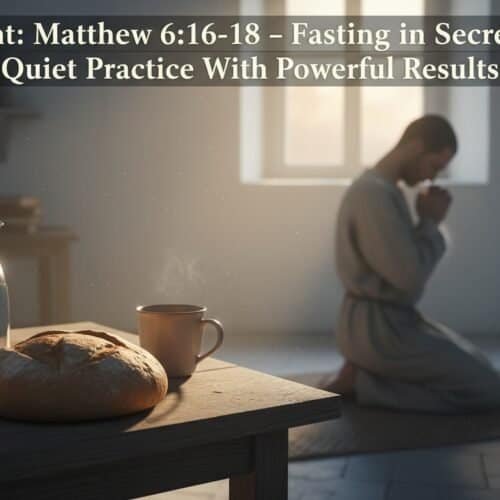
When you fast from food, fill that time with Scripture, confession, and heartfelt prayer. Follow early Christians who fasted Wednesdays and Fridays, viewing self-denial as total reliance on God per Matthew 6:16-18. Your hunger becomes a reminder to seek divine nourishment through His Word.
Expand beyond food restrictions. Fast from judging others to feast on Christ’s presence in them. Fast from pessimism to embrace hope. These practices develop self-discipline extending far beyond Lent while fostering empathy for those experiencing genuine need.
Integrate daily office prayers, retreats, or additional Mass attendance alongside your fasting. Ask through quiet prayer what your soul needs most. This combination transforms physical denial into spiritual breakthrough, aligning perfectly with Isaiah’s call to actively seek the Lord.
Why Isaiah 55 Promises Transform Your Lenten Journey
Could Isaiah 55’s ancient promises hold the very transformation your soul desperately craves this Lenten season?
Isaiah 55’s divine promises revolutionize your Lenten journey by establishing God’s universal call that transcends all boundaries. When you engage in silent worship and personal repentance, you’re responding to the same everlasting covenant rooted in Davidic promises that offers unshakeable stability.
These promises transform your Lent because they demand complete forsaking—not just surface changes, but deep reformation of thoughts and lifestyle. You can’t approach God casually; the passage requires active diligence and intentional pursuit “while He may be found.”
The foundation of mercy and abundant pardon in verses 6-7 shifts your focus from judgment to compassion. You’re invited into direct relationship with YHWEH Himself, mirroring Jesus’ promise that those who come will never thirst again. Your personal repentance becomes grounded in divine assurance, making this Lenten transformation both thorough and lasting.
Frequently Asked Questions
When Did the Catholic Church Officially Adopt the 40-Day Lenten Period?
You’ll find that the Catholic Church officially recognized the 40-day Lenten period at the Council of Nicaea in 325 AD, though Lent origins trace to earlier 4th-century developments. The council’s Canon 5 referenced the established practice, confirming widespread acceptance of these fasting practices.
Can Christians From Other Denominations Observe Lent Using Isaiah 55:6-7?
Yes, you can absolutely observe Lent using Isaiah 55:6-7 regardless of your denomination. Many Protestant churches already incorporate Christian practices during this season, focusing on seeking the Lord through prayer, Scripture meditation, and repentance. Isaiah’s call to “seek the Lord while he may be found” provides perfect biblical foundation for Lenten discernment. This passage encourages spiritual preparation through God’s Word rather than ritualistic observance.
What Specific Foods Were Traditionally Forbidden During Early Lenten Fasting?
You’d abstain from traditional meats including all mammal and poultry flesh—beef, pork, chicken, and turkey.
Early Lenten practices imposed strict dairy restrictions, prohibiting milk, cheese, and butter alongside eggs as luxurious animal products.
You’d also avoid wine, olive oil, and any food sacrificed to idols following Acts 15:29.
Fish remained permissible during these 40 days of sacrificial fasting, mirroring Christ’s wilderness experience.
How Do Eastern Orthodox Lenten Practices Differ From Western Church Traditions?
Eastern Orthodoxy differs significantly from Western Christianity in Lenten fasting differences. You’ll find Orthodox practices exclude dairy, eggs, meat, fish, oil, and wine on weekdays, while Western traditions typically emphasize meat abstinence and reduced meals.
Orthodox believers don’t celebrate Eucharist on Lenten weekdays except feast days, using Presanctified Liturgy instead.
Western churches maintain daily Mass throughout Lent, reflecting distinct theological approaches to penitential seasons.
Should Children Participate in Lenten Fasting and Penitential Practices?
Yes, children should participate in age-appropriate penitential practices during Lent. While children fasting isn’t required until age 18, you can teach them sacrificial love through giving up sweets, toys, or screen time. Jesus said, “Let the little children come to me” (Matthew 19:14). You’re forming their hearts for discipleship through gentle practices that mirror Christ’s self-emptying love and prepare them for mature spiritual discipline.
Conclusion
You’ve discovered Isaiah 55:6-7’s transformative power for your Lenten journey. Don’t let this season pass without actively seeking the Lord while He’s near. Turn your fasting into purposeful God-seeking, embracing His promises of forgiveness and peace. As you “call upon Him,” remember that God’s ways are higher than yours (Isaiah 55:9). This Lent, you’re not just giving up—you’re drawing near to the One who abundantly pardons and permanently transforms hearts.










No Comments