


27 Mar What Is Easter Mondays Liturgical Meaning?
You’ll find Easter Monday extends the Paschal celebration, keeping the risen Christ at the center of the week’s liturgy. It falls within the Easter Octave, so the liturgical color stays white or gold, symbolizing purity and victory. The Roman‑Catholic lectionary offers John 20:19‑23, 1 Peter 1:3‑9, and Isaiah 55:6‑9, emphasizing peace, new birth, and God’s gracious plans. Hymns like “Alleluia! Christ the Lord Is Risen Today” and prayers of gratitude reinforce the hope that should shape every daily thought, and the next sections will show you how to live that hope.
Table of Contents
What Is Easter Monday and Why Does It Matter?
Why does Easter Monday matter? You’ll find it’s the day after Easter Sunday, extending the celebration of Christ’s resurrection. While Easter Sunday marks the triumph over death, Easter Monday lets you linger in that joy, reinforcing the promise of new life.
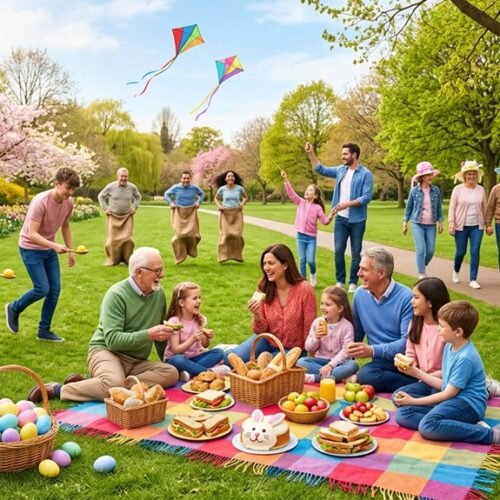
In many cultures, it’s a public holiday, giving you time for family gatherings, feasts, or community events that echo the biblical theme of renewal. You might attend a special Mass where the liturgy emphasizes the “great commission” and the call to spread hope.
The day also offers a pause before the ordinary rhythm of work resumes, reminding you that the resurrection isn’t a one‑off event but a continuous source of inspiration. By observing Easter Monday, you deepen your connection to the Easter season, letting the resurrection’s impact resonate throughout the week.

How Does the Liturgical Calendar Mark Easter Monday?
In the Roman Catholic, Orthodoxy, and many Protestant calendars, Easter Monday falls within the Easter Octave, a series of eight days that preserve the Paschal mystery’s momentum. The day’s readings and prayers emphasize the disciples’ encounter with the risen Christ, reinforcing the triumph over death. You’ll notice that the liturgical color remains white or gold, symbolizing purity and victory.
The calendar also marks the day as a public holiday in many countries, encouraging communal worship and family gatherings that echo the early Church’s festive spirit.
Roman‑Catholic Lectionary Passages for Easter Monday
Following the Octave’s focus on the risen Christ, the Roman‑Catholic lectionary assigns specific Scripture for Easter Monday to deepen the celebration. You’ll hear the Gospel of John 20:19‑23, where the risen Lord appears to the disciples, offers peace, and commissions them to forgive. The accompanying epistle is 1 Peter 1:3‑9, praising the new birth through resurrection hope. In the Old Testament, the lectionary often selects Isaiah 55:6‑9, inviting the faithful to seek the Lord and trust His gracious plans. These passages together highlight the reality of Christ’s victory, the empowerment of the community, and the call to live out the resurrection. By meditating on John’s appearance, Peter’s exhortation, and Isaiah’s invitation, you experience a liturgical bridge from the Paschal mystery to everyday discipleship, reinforcing the transformative power of Easter Monday’s readings.
Which Traditional Prayers and Hymns Are Used on Easter Monday?
When it comes to hymns, the “Alleluia! Christ the Lord Is Risen Today” often leads the congregation into a jubilant chorus.
The “Crown Him with Many Crowns” reminds you of Christ’s triumphal reign, while “The Old Rugged Cross” may be sung in a reflective moment, linking the resurrection to the cross’s sacrifice.

Some Anglican services include “Jesus Christ Is Risen Today” and “Thine Be the Glory.”
These prayers and hymns together weave a tapestry of praise, gratitude, and hope, anchoring Easter Monday’s liturgical celebration.
How Do Christian Traditions Observe Easter Monday?
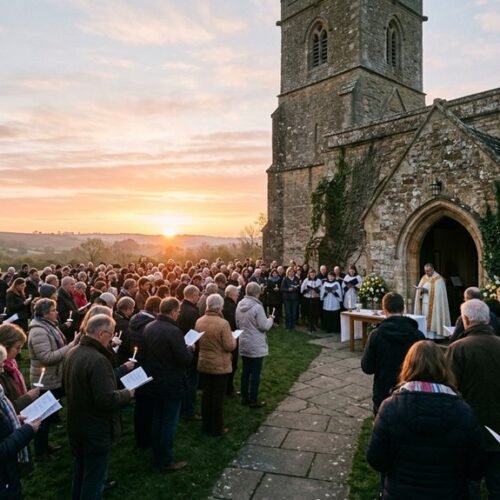
Ever wondered how different Christian traditions celebrate Easter Monday? You’ll find that Roman Catholics and many Orthodox churches treat the day as a continuation of the Paschal feast, attending Mass or Divine Liturgy that emphasizes the Resurrection’s triumph. In the United States, some Protestant congregations hold a “Easter Octave” service, reading Scripture passages about post‑Resurrection appearances and singing joyful hymns. In the Philippines, you may join a “Salubong” reenactment, where statues of the risen Christ and the Virgin Mary meet at dawn. German Lutherans often organize “Easter Monday” processions, carrying banners and lighting candles to symbolize light overcoming darkness. In many African churches, the day features lively worship, drumming, and communal meals that celebrate new life. Across these traditions, you’ll notice a shared focus on fellowship, gratitude, and proclaiming the risen Christ, even though the specific rituals and cultural flavors differ.
What Symbolic Meanings Are Attached to Easter Monday?
The varied customs you just read about all point to a deeper symbolism that Easter Monday carries. You’ll notice that this day amplifies the resurrection’s triumph, reminding you that new life extends beyond the tomb.
The “Monday” after Easter signals the first ordinary day of the week, showing that the holy mystery integrates into daily routine.
You encounter the image of the empty tomb’s stone rolled away, which now represents the opening of your heart to divine grace.
In many cultures, the Easter lily blooms, symbolizing purity and the promise of resurrection that continues to grow.
The tradition of “egg rolling” mirrors the rolling away of sin, encouraging you to let go of past burdens.
When you share a festive meal, you embody the communal feast that celebrates the world’s renewal, reinforcing that the joy of Easter isn’t confined to a single Sunday.
What Does the Paschal Mystery Have to Do With Easter Monday?
You’ll notice that Easter Monday continues the Paschal Mystery’s unfolding, showing how the Resurrection’s impact still ripples through our lives.
This day reminds you that the celebration isn’t a one‑time event but a living continuation of the mystery.
As you join the liturgy, you experience that ongoing, transformative grace.
Paschal Mystery Unfolds
When Easter Monday arrives, it extends the celebration of the Paschal Mystery, showing that Christ’s resurrection isn’t a single event but a continuing reality that invites you to live out the new life He inaugurated.
This day deepens the mystery by moving from the triumph of the empty tomb to the lived experience of resurrection power in the world. You encounter the mystery in liturgy, Scripture, and the communal sharing of bread, reminding you that the risen Christ continues to transform hearts and histories.
The Paschal Mystery therefore unfolds across time, urging you to embody hope, forgiveness, and renewal. Each prayer, hymn, and act of charity becomes a tangible expression of the mystery’s ongoing presence.
Resurrection’s Ongoing Impact
Ever wonder how Easter Monday extends the Paschal Mystery beyond the tomb? You’ll find that the day isn’t just a historical footnote; it’s a liturgical bridge that carries the resurrection’s power into everyday life. The church’s prayers on Monday remind you that Christ’s victory over death continues to transform hearts, communities, and societies. By celebrating the risen Lord a second day, you experience a renewed commitment to hope, forgiveness, and service. The readings emphasize that the resurrection isn’t a one‑time event but an ongoing reality that fuels evangelization, social justice, and personal conversion. As you join the Mass, you’re invited to let that living hope shape your decisions, relationships, and mission in the world.
Liturgical Celebration Continuity
How does the Paschal Mystery shape Easter Monday’s liturgy? You encounter a seamless thread linking the Resurrection to the feast of Monday, where the same mystery that broke death’s power now fuels ongoing worship.
The liturgical calendar keeps the Paschal mystery alive, extending its celebration beyond Sunday. In the Mass, the Gospel reading recounts post‑Resurrection appearances, reminding you that Christ’s victory continues to unfold.
The prayers echo the same themes of new life and hope, reinforcing that Easter isn’t a single event but a perpetual reality. By preserving these elements, the Church ensures that Easter Monday isn’t an afterthought but a vital continuation of the Paschal mystery’s transformative power.
How Can I Bring Easter Monday’s Themes Into My Personal Devotion?
You can let the Resurrection hope shape each day, allowing its promise of new life to lift your spirit.
By noting and thanking God for even the smallest blessings, you turn gratitude into a regular habit.
These simple steps keep Easter Monday’s joy alive in your personal devotion.
Embrace the Resurrection Hope
What if you let the Resurrection’s triumph shape each moment of your day? You can begin by recalling that the empty tomb signals new possibilities, not just a past event. When anxiety rises, picture the stone rolled away and ask, “What barriers am I willing to move?” Let that image guide your decisions, turning fear into faith. In quiet moments, repeat a simple affirmation: “Christ has risen; I’m alive in hope.” Use this mantra before meetings, workouts, or bedtime, letting it reframe stress as an invitation to trust God’s power. By consistently aligning thoughts with the risen Christ, you cultivate a resilient optimism that fuels every action, turning ordinary routines into celebrations of resurrection hope.
Practice Daily Acts of Gratitude
The triumph of the Resurrection invites you to notice God’s gifts in every moment, and gratitude becomes the practical outworking of that awareness. Begin each day by naming three blessings—big or small—and thank God aloud or in a journal. Let those moments anchor your prayer, turning routine chores into offerings of praise. When you eat, pause to thank the hands that prepared the food and the earth that sustained it. During work, acknowledge colleagues’ contributions and the talents God gave you. In evening reflection, recount how unexpected kindness or a quiet sunrise reminded you of divine love. By weaving these simple thank‑yous into daily rhythm, you embody Easter’s joy, keeping the Resurrection’s hope alive in every ordinary act.
Frequently Asked Questions
What Is the Origin of the Name “Easter Monday”?
You’ll find that “Easter Monday” simply comes from the Christian feast of Easter, which marks Christ’s resurrection. The day after Easter Sunday inherited the name, so “Easter” denotes the celebration and “Monday” tells you when it falls.
The term entered English in the early Middle Ages, translating Latin “Dies Sancti” (the holy day) into a vernacular label that stuck as the calendar solidified.
Why Do Some Churches Hold a Vigil Service on Easter Monday?
You attend a vigil on Easter Monday because many churches extend the Paschal celebration, keeping the resurrection’s joy alive. The service bridges Holy Saturday’s solemnity and Easter Tuesday’s renewal, allowing believers to reflect, pray, and receive communion in a quieter setting. It also honors ancient traditions that marked the first day after Resurrection Sunday with a night‑time gathering, reinforcing community and spiritual continuity.
How Does Easter Monday Relate to the Season of Pentecost?
You’ll see Easter Monday as the bridge between the Resurrection feast and Pentecost’s outpouring. After Easter’s triumph, the church keeps celebrating the risen Christ, and the days leading up to Pentecost build anticipation for the Holy Spirit. By the time Pentecost arrives, the joy you began on Easter Monday matures into the Spirit‑filled mission of the Church, showing how the Resurrection fuels the coming of the Spirit.
Do Eastern Orthodox Churches Celebrate Easter Monday Differently?
You’ll find that Eastern Orthodox churches do observe Easter Monday, but they treat it as a continuation of the Paschal celebration rather than a distinct feast.
Services focus on the joyous aftermath of the Resurrection, with the Divine Liturgy and special hymns emphasizing triumph over death.
While Western traditions may assign specific readings or customs, the Orthodox keep the emphasis on the ongoing joy of Pascha, often extending festive liturgies into the next day.
Can Easter Monday Be Observed on a Different Date in the Southern Hemisphere?
You can’t shift Easter Monday to another calendar date just because you’re in the Southern Hemisphere.
The feast follows Easter Sunday, which is set by the computus— the first Sunday after the first full moon after the March equinox.
Since the lunar cycle and equinox are global, Easter Monday falls on the same day worldwide, regardless of latitude.
Conclusion
Now that you’ve explored Easter Monday’s place in the liturgical calendar, its readings, prayers, and traditions, you can let its themes of new life, joy, and resurrection shape your own devotion. Embrace the celebratory spirit, reflect on the Paschal mystery, and let the day’s symbols inspire renewed faith and hope in your daily walk.










No Comments