

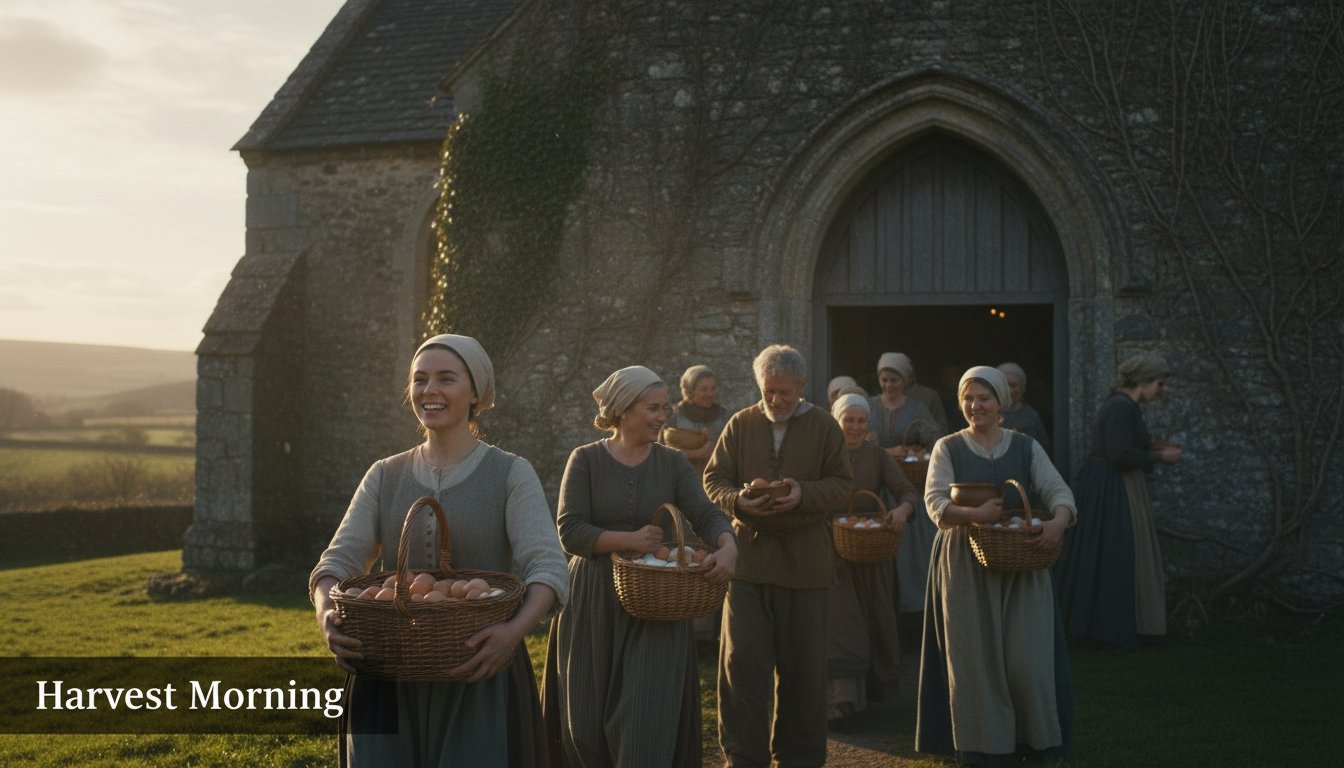
28 Feb What Are Easter Monday’s Historical Origins?
Easter Monday traces its origins back to the early days of Christianity, when the observance was established to commemorate Jesus Christ’s resurrection on the third day after his crucifixion. It’s a celebration of new life and hope, a core tenet of the Christian faith. As you’ll see, this day has evolved over time, but it continues to hold deep significance for believers and communities around the world.
Key Takeaways
- Easter Monday originated in the early days of Christianity to commemorate the resurrection of Jesus Christ three days after his crucifixion.
- The observance of Easter Monday marks the beginning of Eastertide, the 50-day period leading up to Pentecost Sunday.
- Over time, Easter Monday evolved from a purely religious observance to a public holiday in many Christian countries.
- Traditions like egg hunts, family gatherings, and community events developed to celebrate the joy and renewal associated with the Easter season.
- The enduring significance of Easter Monday lies in its role as a continuation of the Easter celebration and a time for spiritual reflection and community.
The Purpose and Significance of Easter Monday
What’s the purpose and significance of Easter Monday? Easter Monday is the day following Easter Sunday, which commemorates the resurrection of Jesus Christ. For many Christians, it’s a day to continue the celebration of the holiest event in the Christian calendar. In some countries, it’s observed as a national holiday, allowing people time to gather with family and friends. Easter Monday also marks the beginning of Eastertide, the 50-day period from Easter Sunday to Pentecost Sunday. During this time, the faithful often engage in various religious and cultural traditions. Overall, Easter Monday serves as a meaningful extension of the Easter celebration, providing an opportunity for reflection, rest, and continued spiritual renewal.
The Origins of Easter Monday in Christian Tradition
How did the tradition of Easter Monday emerge within the Christian faith? The observance of Easter Monday dates back to the early days of Christianity. It was originally established as a day to commemorate the resurrection of Jesus Christ, which Christians believe occurred on the third day after his crucifixion. Over time, it became a day to celebrate the new life and hope that Christ’s resurrection represents. Today, Easter Monday is observed in many Christian countries as a public holiday, allowing people to continue their Easter celebrations and spend time with family and friends. The origins of this tradition are firmly rooted in the core beliefs and practices of the Christian religion.
Common Easter Monday Traditions and Celebrations
Across the world, Christians and non-Christians alike partake in a variety of lively traditions and celebrations on Easter Monday. Many enjoy outdoor activities like egg hunts, picnics, and family gatherings. Parades and festivals are common, featuring colorful costumes, music, and dance. In the United Kingdom, the annual Easter Monday Boat Race between the universities of Oxford and Cambridge draws massive crowds. Elsewhere, people engage in sports competitions, attend concerts, or simply relax and spend time with loved ones. These festivities reflect the spirit of renewal and joy associated with the Easter season, allowing people to come together and celebrate in their own unique ways.
The Evolution of Easter Monday Observances Over Time
Over time, Easter Monday observances have evolved from their Christian origins to include more secular celebrations. As the centuries passed, these celebrations took on new forms and traditions distinct from the religious aspects.
Today, Easter Monday is celebrated as a public holiday in many countries, reflecting the shift in its observance.
Christian Observance Traditions
The observance of Easter Monday has evolved considerably over time, reflecting the dynamic nature of Christian traditions.
In some denominations, it’s a day for church services and community gatherings, while others emphasize rest and relaxation.
Many Christians use the day to spend quality time with family, engage in charitable work, or continue Easter celebrations.
The rituals and practices associated with Easter Monday have shifted as the faith has adapted to different cultural contexts.
Yet, the underlying themes of renewal, community, and devotion remain central to how Christians commemorate this day following the Easter holiday.
Secular Celebrations Emerge
Interestingly, as Christianity spread and evolved, Easter Monday observances took on a more secular character in many parts of the world. Spring festivals and celebrations integrated aspects of the Christian holiday, including parades, parties, and outdoor activities. Over time, these secular celebrations became as common, if not more so, than the religious observances.
Today, Easter Monday is often marked by family gatherings, community events, and recreational pursuits that have little to do with the original Christian traditions. The day has transformed into a general celebration of springtime, renewal, and leisure, appealing to both religious and non-religious individuals alike.
Modern Public Holiday Shift
How has the observance of Easter Monday evolved over the centuries? It’s now primarily a public holiday observed in several countries, though its roots stem from religious traditions.
Over time, the day has shifted from being a solemn religious commemoration to a more secular celebration. Many workplaces and schools now close, and people often gather with family and friends. While the holiday’s spiritual significance endures for some, it’s also become an occasion for outdoor activities, social events, and relaxation. This gradual transformation reflects how cultural practices can adapt to changing societal norms and preferences over generations.
How Easter Monday Is Celebrated Around the World
Around the world, people celebrate Easter Monday in a variety of ways. In the United Kingdom, it’s a public holiday marked by egg-rolling contests, parades, and various outdoor activities.
Across continental Europe, the day is often spent with family and friends, enjoying traditional cuisine and participating in community events.
In parts of Germany, it’s known as “Ostermontag,” with people flying kites and going on picnics.
Canadians might attend religious services or take part in Easter Egg hunts.
In the Philippines, the day is celebrated as “Lunes de Pascua,” with colorful parades and festive gatherings.
Regardless of location, Easter Monday allows people to continue the joyous celebrations of the Easter season.
The Enduring Importance of the Day After Easter Sunday
While Easter Monday may be marked by lively celebrations worldwide, its significance extends beyond just a day of revelry. It’s a time to reflect on the deeper spiritual and historical meanings of the Easter season. For many, it’s a chance to continue the contemplation and renewal begun on Easter Sunday. The day holds an enduring importance as a chance to deepen one’s faith and appreciate the profound events that Easter commemorates. Though the festivities may vary, the day’s true significance lies in its ability to inspire ongoing devotion and a commitment to the principles at the heart of the Christian tradition. In this way, Easter Monday remains a cherished and integral part of the Easter celebration.
Frequently Asked Questions
What Is the Difference Between Easter Sunday and Easter Monday?
Easter Sunday commemorates the resurrection of Jesus Christ, while Easter Monday is the day after Easter Sunday. The main difference is that Easter Sunday is the most important day in the Christian calendar, celebrating the central event of Christianity, while Easter Monday is a holiday observed in some countries, but it’s not as religiously significant as Easter Sunday.
Is Easter Monday a National Holiday in All Countries?
No, Easter Monday isn’t a national holiday in all countries. While it’s widely observed in Europe and some other parts of the world, its observance varies. Some nations don’t recognize it at all, while others may celebrate it under different names. Whether it’s an official public holiday depends on the specific country and its religious and cultural traditions.
Why Do Some People Have the Day off on Easter Monday?
You get the day off on Easter Monday because it’s a public holiday in many countries. The day commemorates Christ’s resurrection and is observed by Christians worldwide.
Though not a national holiday everywhere, it’s an important part of the Easter celebrations.
Many people use the day to spend time with family, attend religious services, or simply relax after the Easter festivities.
What Religious Significance Does Easter Monday Hold?
Easter Monday holds religious significance as a day of celebration and reflection following the observance of Easter Sunday, the holiest day in the Christian calendar.
It commemorates the resurrection of Jesus Christ and is considered a day of rest and renewal, often marked by religious services, family gatherings, and community events.
How Did the Traditions of Easter Monday Begin?
The traditions of Easter Monday began as a Christian observance following the Easter Sunday celebration of Jesus Christ’s resurrection.
It’s believed the holiday started in the early days of the Christian church when people would gather on the day after Easter to continue their religious observances and celebrate the end of the Lenten season.
Conclusion
You’ll find that Easter Monday has a rich history rooted in Christian tradition. It’s a day to reflect on the resurrection and spend time with loved ones. Across the globe, people celebrate with unique customs, from egg hunts to parades. Though the observances have evolved, Easter Monday remains an important part of the Easter season, allowing us to continue the joy and reverence of this sacred time.










No Comments