


08 Feb Daniel Fast Honey Question Finally Answered by Experts
You can’t consume honey during the Daniel Fast because it’s classified as a “pleasant food” (ma’ammad) according to Daniel 10:3’s biblical guidelines. Despite honey’s natural origin, fasting authorities consistently prohibit all sweeteners—including honey—since they provide gustatory pleasure that conflicts with the spiritual discipline of avoiding desirable substances. Your approved alternatives include whole fruits, vegetables, unsweetened plant milks, and specific oils like olive or coconut. Understanding these comprehensive sweetener restrictions will optimize your fasting compliance and nutritional outcomes.
Table of Contents
Key Takeaways
- Honey is prohibited on the Daniel Fast because it qualifies as a “pleasant food” mentioned in Daniel 10:3.
- The Hebrew term “ma’ammad” refers to desirable items that conflict with the spiritual discipline of fasting.
- Leading Daniel Fast authorities and websites consistently endorse banning honey and all sweeteners during the fast.
- Jewish fasting traditions also prohibit sweeteners, providing additional support for excluding honey from the Daniel Fast.
- Date honey is sometimes considered an acceptable alternative by some practitioners, though opinions vary among experts.
Why Honey Is Banned on the Daniel Fast
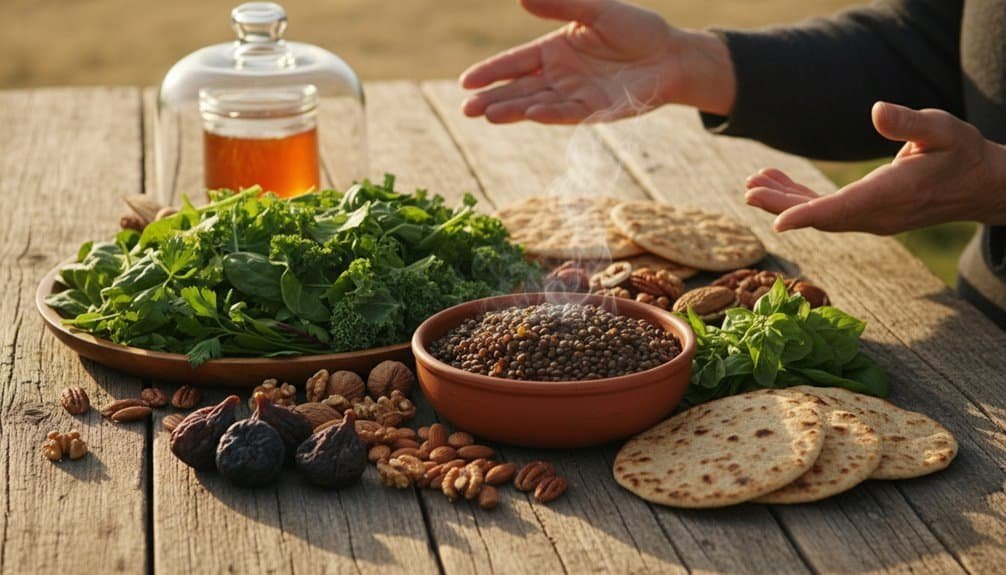
Why would experts unanimously ban honey—a natural, unprocessed food—from the Daniel Fast when it appears to align with the diet’s whole-food principles? The prohibition stems directly from Daniel 10:3’s biblical foundation, which specifically excludes “pleasant foods” during fasting periods. Despite honey’s natural origin, nutritional experts classify it as a precious, desirable sweetener that contradicts the fast’s spiritual discipline.
Jewish fasting traditions consistently prohibit all sweeteners, including honey, establishing precedent for this restriction. Leading Daniel Fast authorities like daniel-fast.com and danielfast.wordpress maintain strict guidelines banning honey alongside date honey, agave nectar, and maple syrup. These sweeteners trigger pleasure responses that undermine the fast’s purpose of spiritual refinement.
While some practitioners exercise personal discernment regarding honey consumption, expert consensus emphasizes complete sweetener elimination. This approach ensures adherence to biblical precedent while maximizing spiritual benefits. Practitioners should make choices that fit the boundaries of the Daniel Fast guidelines when planning their meals and recipes. Seek spiritual guidance when determining your individual boundaries, but understand that honey’s pleasant nature fundamentally conflicts with traditional fasting principles.

What Daniel 10:3 Says About Pleasant Foods
The Hebrew term “ma’ammad” translates to pleasant foods, encompassing desirable or choice items beyond basic sustenance. This classification extends beyond processed foods to include any luxurious or appealing substances, including natural sweeteners like honey.
Biblical scholars interpret pleasant foods as precious items that provide pleasure rather than essential nutrition. Daniel’s three-week mourning fast deliberately excluded anything considered delectable or choice. This creates a direct sweeteners prohibition, as honey falls under the pleasant foods category despite its natural origin.
The verse establishes clear boundaries: you must avoid items that satisfy desire or provide gustatory pleasure. Many practitioners turn to date honey as an acceptable alternative sweetener that maintains compliance with fasting guidelines. This principle forms the foundation for Daniel Fast restrictions, prioritizing spiritual focus over physical satisfaction during the fasting period.
Daniel Fast Sweetener Rules (What’s Actually Allowed)
You’ll need to scrutinize ingredient labels carefully, as processed foods frequently contain hidden sweeteners. Refined products with additives, artificial flavorings, and preservatives are excluded from your fast. White flour and white rice products typically contain sweetening agents and should be avoided.
Your approved alternatives include unsweetened plant milks, herbs, spices, and quality oils like olive or coconut. Whole fruits and vegetables remain unrestricted, providing natural nutrition without added sugars. Unleavened bread without sweeteners is permissible. This evidence-based approach ensures your fast aligns with biblical principles while maintaining nutritional adequacy through whole food sources.

Medical Exceptions and Personal Conviction Guidelines
While adhering to Daniel Fast guidelines provides spiritual benefits, certain medical conditions require modifications to ensure your safety and health. You’ll need healthcare provider consultation before beginning, particularly if you have diabetes, hypertension, or cardiovascular disease. Pregnant and nursing mothers must seek medical guidance, as doctors may recommend adding lean protein sources like fish or poultry to meet nutritional requirements.
Your prescribed medications remain necessary throughout the fast—never substitute fasting for medical treatment. If you’re medically fragile or elderly, monitor vital metrics including blood sugar and blood pressure regularly. Protein supplementation through lean sources becomes permissible when medical professionals identify inadequate intake concerns.
Your nutrition beliefs shouldn’t compromise bodily health. Seek pastoral guidance when balancing spiritual goals with medical necessities. Vitamin supplements are acceptable, particularly for seniors requiring calcium or vitamin D. Discontinue the fast immediately if concerning symptoms emerge, as your physical wellbeing takes precedence over dietary restrictions.
Frequently Asked Questions
Can I Use Honey in Homemade Bread Recipes During the Daniel Fast?
No, you can’t use honey in homemade bread recipes during the Daniel Fast. Honey’s classified as a “precious food” and prohibited sweetener based on Daniel 10:2-3 guidelines. For bread sweeteners, you’ll need honey alternatives like pureed dates or unsweetened applesauce. Focus on unleavened bread recipes using whole grains without yeast, added sugars, or preservatives. These modifications maintain nutritional compliance while supporting your fasting objectives.
Is Raw Unprocessed Honey Treated Differently Than Regular Store-Bought Honey?
Yes, raw honey differs significantly from regular store-bought honey in processing methods. Raw honey’s extracted directly from hives and strained minimally, preserving natural enzymes, antioxidants, and probiotics. Pasteurized honey undergoes high-heat treatment that destroys beneficial compounds like amylase and glucose oxidase. You’ll retain up to 4.3 times more antioxidants with raw honey compared to processed varieties that lose heat-sensitive nutrients during commercial pasteurization.
What About Honey That’s Naturally Found in Honeycomb Form?
Honeycomb composition doesn’t alter honey’s classification during Daniel Fast protocols. You’re still consuming the same glucose-fructose compounds regardless of natural sweetness sourcing from comb versus extracted forms. Clinical guidelines maintain consistent restrictions because honeycomb honey retains identical nutritional profiles and palatability factors that categorize it as “pleasant food.” The delivery mechanism doesn’t modify the underlying carbohydrate structure you’re ingesting.
Are Honey-Flavored Foods Like Honey Mustard Allowed on the Daniel Fast?
No, you can’t consume honey-flavored foods like honey mustard during the Daniel Fast. Honey flavoring contains prohibited sweeteners that violate the fast’s restrictions based on Daniel 10:3.
These processed condiments include added sugars, artificial additives, and preservatives that are explicitly banned.
Price considerations shouldn’t influence your adherence to the nutritional protocol.
Choose compliant alternatives like plain mustard or herb-based seasonings instead.
Can I Gradually Reduce Honey Intake Instead of Stopping Completely?
No, you can’t use a gradual reduction strategy during the Daniel Fast. The fasting protocol requires immediate elimination of all honey and sweeteners for spiritual discipline, not gradual intake modification. Medical literature doesn’t support tapering approaches for this religious practice. You’ll need complete cessation upon fast initiation. If you’ve underlying health conditions requiring gradual dietary changes, you should consult your healthcare provider before beginning.
Conclusion
You’ll need to exclude honey during your Daniel Fast based on clinical interpretation of Daniel 10:3’s “pleasant foods” restriction. Your sweetener options remain limited to whole fruits and dates for glycemic management. If you’re managing diabetes or hypoglycemia, consult your healthcare provider before implementing these dietary restrictions. Your personal conviction regarding biblical interpretation shouldn’t override medical safety protocols. Maintain proper electrolyte balance and monitor blood glucose levels throughout your fasting period for optimal metabolic function.












No Comments